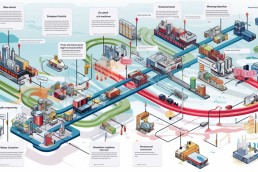
Efficient purchasing is the cornerstone of thriving businesses, yet managing procurement can become a tangled web. An ERP purchase system transforms this complexity into a seamless workflow, integrating every facet of the procurement process.
This guide demystifies how using an ERP elevates your purchase department’s performance, down costs and ensuring you stay ahead in inventory management and supplier relationships. Discover simplified procurement – read on for insights that empower.
Key Takeaways
An ERP system simplifies procurement by automating tasks such as issuing purchase orders, tracking inventory levels, and processing invoices, leading to a reduction in manual work and errors.
Robust ERP procurement modules offer real-time data on pricing and lead times, improve supplier relationship management through a centralised database, and ensure strict data security protocols are in place.
Implementing an ERP can significantly increase time savings across departments by streamlining repetitive tasks and providing instant access to accurate vendor information for better decision-making.
The use of ERPs enhances supplier negotiations due to aggregated purchasing data which empowers businesses with insights that help secure competitive offers.
Real – time budget control via an ERP ensures careful monitoring of expenditures against budgets, facilitating financial stewardship that contributes substantially to business growth.
Understanding ERP Purchase and its Role in Procurement

Moving from the broad overview, let’s delve into the specifics of Enterprise Resource Planning (ERP) and its integral function in the procurement landscape. ERP for purchase departments acts as the technological backbone that supports and enhances purchasing and operational activities.
Through a centralised procurement system, it streamlines every step of procurement – from initial requisition to final payment – thereby saving time and ensuring seamless operations. These systems facilitate better inventory control, maintain comprehensive supplier databases, and enable efficient management direct payment of purchase orders.
ERPs embody a strategic tool for buyers by offering real-time data on pricing and lead times which empower informed decision-making. Furthermore, they automate tasks such as issuing purchase requisitions or processing invoices, significantly cutting down on manual work and potential errors.
The combination of sophisticated analytics with automated procurement processes effectively means directors can focus more on value-based negotiations rather than getting entangled in operational complexities.
This shift not only optimises the cost control the procurement process but also paves the way for business growth through improved supply chain management practices.
Key Features of ERP Procurement Modules

Central to the efficacy of any an ERP procurement system are its procurement workflow modules, designed with robust features that address the multifaceted nature of purchasing. This integrated framework empowers organisations by harmonising core functionalities, from the order management, placement and supplier engagement to stringent data safeguarding protocols.
Purchase Order Management
Effective purchase order management is a cornerstone of smooth procurement operations within any ERP system. It automates numerous tasks such as creating tracking numbers, filing orders, maintaining up-to-date inventory controls, and compiling comprehensive purchase histories.
An advanced, ERP procurement module can bring all these elements together to ensure purchasing managers maintain oversight while securing the best price from suppliers.
By aggregating purchase orders, businesses leverage increased negotiating power with vendors, often leading to considerable cost savings and efficiency improvements. With an ERP system in place, companies no longer rely on manual processes; instead they embrace automation that significantly reduces human error.
Moving through procurement stages becomes less about mundane paperwork and more focused on strategic decision-making. This transition not just supports business growth but also equips directors with precise control over their procurement lifecycle – readying them for informed vendor management and contract negotiations that lie ahead in ‘Review and Approval System’.
Review and Approval System
ERP and procurement management systems streamline the procurement process by implementing a robust review and approval system. This feature ensures that every purchase order is meticulously checked against predefined criteria and approved by authorised personnel before it’s processed.
It eliminates manual errors, speeds up the verification process, and enforces accountability within your organisation. Implementing such a system reduces delays in approvals, ensuring that procurement cycles are shorter and more efficient.
Clear workflows established in and using an ERP, for procurement and sales demands make it easy to manage internal controls and maintain compliance with purchasing policies. The system notifies relevant approvers of sales demands instantly, allowing quick action on purchase requests without compromising due diligence or control measures.
With integrated alerts, directors stay updated on each step of the procurement journey, from initiation to procurement teams to contract details, of contract details to final approval. Next comes supplier relationship and contract management, another core aspect of maximising value from your purchasing processes.
Supplier Relationship Management
Good supplier relationship management is a cornerstone of procurement efficiency. An ERP system bolsters this by providing you with a detailed supplier database that simplifies communication and streamlines order placement.
This centralisation makes it easy to access vendor information, track performance metrics, and negotiate better deals – all from one centralised platform, within one platform.
Your procurement processes gain teeth with an ERP at the helm. It aggregates purchasing data which can then empower you to approach negotiations armed with insights, helping ensure cost-effectiveness and favourable terms.
This not only optimises your existing inventory levels but also reinforces partnerships with key suppliers, making your business a preferred customer in their eyes.
Data Security
Data security in an ERP system ensures that sensitive procurement information is locked down and protected from unauthorised access. Keeping supplier contracts, pricing agreements, and payment details secure can save your business from significant financial loss and reputational damage.
An effective ERP like NetSuite offers advanced data security features designed to safeguard every aspect of the purchasing process. It encrypts vital information, manages user permissions meticulously, and tracks changes rigorously within a centralised, centralized platform itself.
Directors understand that maintaining the confidentiality and integrity of procurement data not only prevents malicious breaches but also fortifies trust among vendors and clients alike.
To integrate robust data protection into your operations, scrutinising each ERP for its ability to support stringent security protocols is crucial. Encryption standards must be top-notch, user access should be tightly controlled through comprehensive permission settings, and there must be continual monitoring for any unusual activity within the system – all hallmarks of a reliable purchase order in ERP software geared towards ironclad data security.
Steps in Procurement Using ERP

Efficient procurement is the linchpin of a thriving enterprise, and integrating an ERP system into this pivotal function transforms it from cumbersome to cutting-edge. This section delves into the transformative journey of procurement through ERP, outlining how each step, seamlessly connected and precisely executed, propels your business towards unparalleled operational excellence.
Purchase Requisition
A first purchase request or requisition kicks off the procurement process within an ERP system, acting as a formal purchase request, for goods or services. This essential step in buying processes ensures that all purchases align with company needs and budget constraints before any orders are placed. The ERP streamlines this by automating inventory management, thus improve efficiency by providing directors with precise real-time data to make informed decisions.
Once approved, these requisitions break down into specific purchase orders that can specify multiple delivery dates, reflecting just-in-time manufacturing practices. This meticulous organisation contract management of incoming orders guarantees a smooth transition to the next phase: the full procurement process with teams requesting quotations from potential suppliers.
Request for Quotation
Sending out a Request for Quotation (RFQ) forms a pivotal step in the procurement process. An RFQ asks vendors to provide price quotes and payment terms for the quantity of products required, offering buyers an opportunity to compare prices acquiring goods and services before making a decision.
This process is made more efficient with an ERP system that can handle multiple purchase requests more seamlessly, ensuring thorough comparison and favourable terms.
ERP procurement systems empower businesses by aggregating quotations, giving them leverage during negotiations with suppliers. Directors benefit from such integrated systems: they quickly gather detailed proposals ensuring their company’s procurement function secures competitive offers while maintaining control over costs and timelines.
With ERP platforms facilitating easy management of these various processes together, companies experience significant time and cost savings alongside strengthened vendor good supplier relationships.
Receiving Goods/Services
Upon arrival, goods and services trigger a robust sequence existing inventory and within the procurement ERP system to track inventory itself. The ERP platform precisely manages inventory levels to ensure that only the necessary stock is on hand, preventing excess or shortage.
It records details such as multiple delivery dates, receipts and tracking numbers automatically, crafting a seamless link between physical intake and digital documentation.
Next, an automated function of this system allows for one-click creation of purchase orders which can be broken down into specific lines for items received, streamlining the process even further.
This level of granularity enables precise matching with invoices later in the cycle, ensuring accuracy in accounting practices. As we progress through procurement processes, meticulous document matching comes next – an area where enhanced data handling by an ERP proves indispensable.
Document Matching
Once the goods or services are received, the next critical step in ERP system purchasing is document matching. This process verifies that the details on purchase orders, delivery receipts, and invoices align perfectly.
It’s an essential component of accounts payable; discrepancies here can lead to payment delays or even financial losses. An effective ERP platform simplifies this by automating the comparison of relevant accounts payable documents.
As a result, it shields business functions from errors and streamlines invoice processing.
With document matching automated within your ERP solution, you gain not only speed but also precision in handling payables. The system flags any inconsistencies for review, ensuring that every payment your company issues is justified and accurate.
This reduces human error drastically and allows for more efficient contract management and billing cycles. By maintaining stringent control over these processes, businesses can boost their productivity while firming up their bottom line against unnecessary spillage due to their manual processes and mishandling.
Invoice Approval and Payment
ERP systems are transforming the way many businesses handle invoice approval and payment. They automate what used to be a time-consuming manual process, reducing errors and freeing up staff for more strategic tasks.
The software streamlines the progression from receiving an invoice to finalising payment, ensuring that each step is completed promptly and accurately. With real-time tracking of invoices through a central portal, directors gain visibility into every financial transaction – empowering them with greater control over their company’s finances.
The integration of ERP with accounting systems simplifies the reconciliation process, eliminating discrepancies that can arise during payment processing. Automated reminders ensure that payments are never missed, bolstering supplier confidence in your business’s reliability.
By embracing this technology for purchasing processes – invoicing included – companies position themselves at the forefront of efficiency and financial stewardship.
Next up: exploring how these streamlined procurement processes effectively to organizational needs and yield significant benefits across various aspects of procurement management.
Benefits of Streamlining Processes with ERP Purchase

Implementing an an ERP purchase and system profoundly transforms the procurement system, bringing about a myriad of advantages that propel businesses towards operational excellence. Harnessing the power of ERP for purchase department not only elevates efficiency but also fortifies the procurement infrastructure with robust data security and fosters stronger alliances with suppliers, reinforcing the foundation for sustainable growth.
Time Savings and Productivity Boost
Utilising an ERP system transforms the purchasing process, substantially cutting down on time spent handling tasks manually. It streamlines every step from creating purchase orders to final payment, automating repetitive tasks such as generating tracking numbers and maintaining inventory levels.
This automation not only shaves off hours of manual work but also minimises the risk of human error.
With all vendor data and purchase history stored centrally, the ERP enables quick and easy access, and seamless sharing among procurement team members. Automated reporting tools within ERPs can instantly generate dashboards for cost analysis or delivery performance, freeing up your procurement team’s time to focus on strategic business decisions rather than data crunching.
This leads to a significant productivity increase efficiency leap across departments by allowing them to act on real-time insights without delay.
Enhanced Data Security
ERP systems are stepping stones to fortified data security in procurement processes. They shield sensitive information by automating the creation of tracking numbers, orderly filing orders, and vigilant inventory checks.
This tightens control over purchase histories and minimises human errors that could lead to breaches.
Underpinning secure transactions, ERPs provide a robust framework for real-time data accuracy and streamlined purchase order generation with just one click. The consolidation of purchasing power through aggregated orders not only strengthens the vendor good supplier relationships require and good supplier relationships require but also bolsters security protocols.
Directors can rest assured that their business dealings and human resources are protected from unauthorised access, contributing significantly to organisational integrity.
Improved Supplier Relationships
Empowering your procurement team with an ERP system can transform how you collaborate with suppliers. By centralising purchase orders, contracts, contract management and communication between procurement teams in one platform, your business fosters stronger partnerships built on transparency and efficiency.
This consolidation not only streamlines operations but also amplifies negotiating clout – giving your company an edge in securing better terms and pricing.
ERP technology makes it simple to manage vendor data accurately, from contact details to historical performance metrics. With real-time access to vendor information and performance dashboards, decisions become more informed, keeping supplier and vendor relationships more positive and productive.
These robust capabilities of ERP platforms and vendors like NetSuite ensure that both procurement processes and supplier dynamics are optimised for your business size and enterprise’s success.
Real-time Budget Control
Harnessing the power of ERP for real-time budget and cost control also transforms how directors keep a steadfast eye on finances. With one-click purchase order creation, companies gain unparalleled oversight on spending against budgets.
This nimble approach to financial management ensures every penny is tracked and accounted for, effectively making guesswork and manual tracking things of the past.
ERP software revolutionises cost-effectiveness by automating inventory management, which not only keeps supply chain levels optimal but also maintains the agility required in dynamic market conditions.
Leaders can now manage purchasing requests and conduct vendor negotiations with precision, utilising accurate data to sharpen their decision-making. The ability to monitor budgets in real time hence becomes a strategic asset, enabling businesses to seize opportunities while safeguarding their financial health against unforeseen expenditures.
Conclusion
Optimising the procurement workflow with ERP empowers businesses to navigate purchasing complexities with finesse. It unlocks efficiency and enhances vendor relations, shaping a more resilient supply chain.
Companies adopting ERP solutions can expect marked improvements in inventory control and data accuracy. Embrace this technology to propel your procurement strategies into a future of seamless operations and strategic growth.
Let the power of ERP transform your purchasing processes for sustained success in a competitive marketplace.
FAQs
1. What is ERP and how does it improve purchasing processes?
ERP, or Enterprise Resource Planning, optimises business processes by integrating procurement, sales, and logistics into one system to streamline materials requirements planning and purchasing.
2. Can ERP systems help manage purchase orders more effectively?
Absolutely! ERP systems simplify the creation and management of purchase orders by automating data entry, tracking deliveries, and managing inventories for businesses.
3. How do cloud-based software solutions aid in procurement?
Cloud-based software efficiently supports the handling of requests for quotations (RFQs) from any internet-connected device like a smartphone or laptop, ensuring quick response times to sellers’ enquiries.
4. Does an ERP assist with compliance issues such as taxes when procuring goods?
Yes indeed! An efficient ERP helps ensure that all procurement activities comply with tax regulations by automatically factoring in the costs and applicable taxes during purchase ordering.
5. What role does data quality play in optimising procurement through an ERP system?
Outstanding data quality within ERP contributes to accurate forecasting and decision making which directly impacts project management success in procurement activities.
6. Are there features within ERPs that support better communication between end-users and suppliers?
Certainly! Many ERPs incorporate tools like Tipalti which enhance communication channels allowing end users to streamline transactions with suppliers while maintaining clear records.
And there's more...