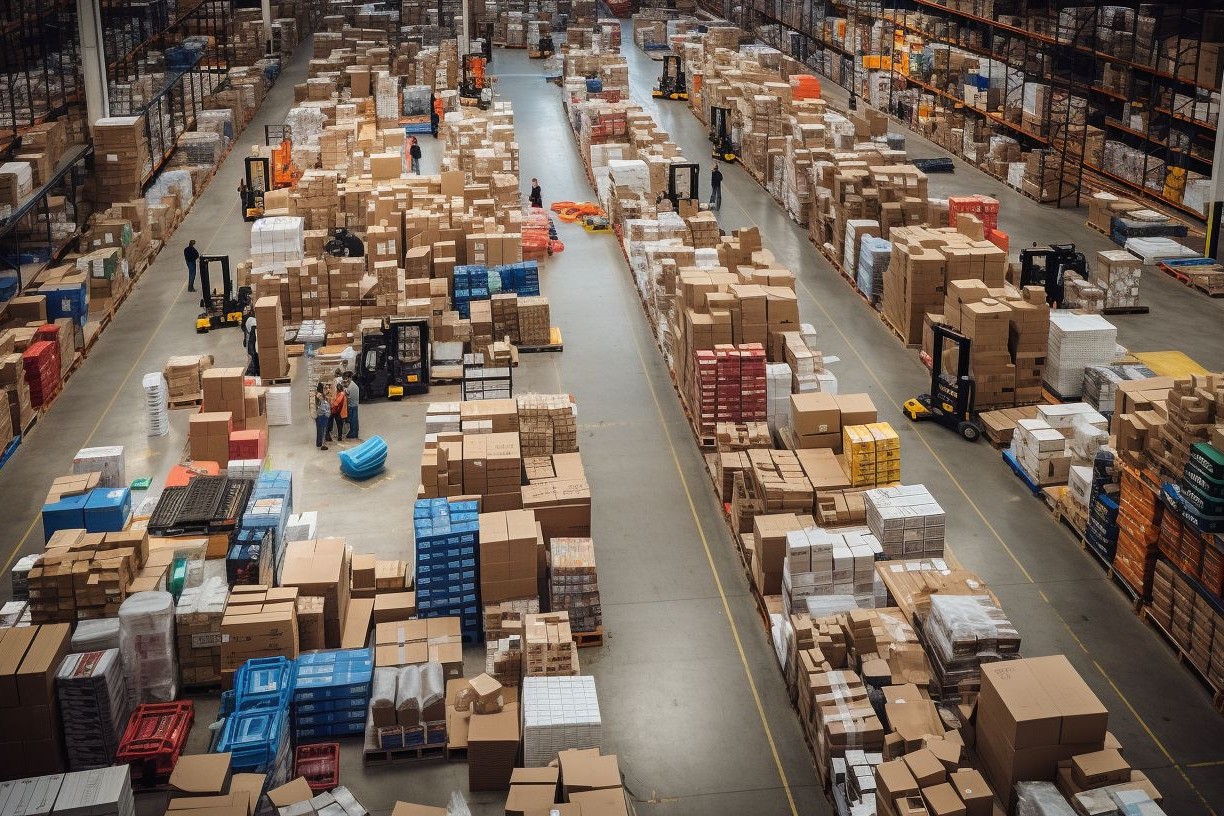
Managing inventory effectively is a challenge many businesses face, often leading to overstocked warehouses and years of tied-up capital. Studies reveal worldwide losses due to overstocks total a staggering rate of $471.9 billion annually. Lets visit inventory destocking.
This guide offers strategic insights into inventory destocking, equipping you with the tools to enhance cash flow and streamline your stock levels efficiently. Discover how to declutter your inventory effortlessly.
Key Takeaways – Inventory Destocking
Hold effective clearance sales, set strategic discounts and explore alternative sales channels like online marketplaces to destock inventory quickly.
Implement robust financial analysis and inventory management systems to recognise surplus stock early, preventing unnecessary costs from eroding your bottom line.
Prioritise items for destocking based on their sales data and shelf life, using methods such as FIFO (First-In, First-Out) to ensure older stock is sold first.
Adopt proactive strategies that enhance cash flow by freeing up capital tied in unsold goods, allowing for reinvestment in growth opportunities or operations.
Streamline your business operation’s efficiency by maintaining optimal stock levels through continuous monitoring and adjusting to market demands.
Why Businesses Undertake Inventory Destocking

Businesses engage in destocking to navigate challenges such as overstocked stocks of products and shifts in market demand, aiming to enhance the firms’ liquidity and operational agility. This strategic move not only optimises inventory levels but can also significantly improve a company’s financial health by freeing up capital tied in stock.
Managing Excess Inventory
Dealing with excess inventory requires a strategic approach to avoid financial strain from high carrying costs. Start by evaluating the stock on hand and prioritise items based on their impact on storage space, expiration dates, and relevance in the current market and economy.
Consider options such as flash sales or bundling products to incentivise customers – these tactics can quickly reduce surplus while potentially attracting new buyers.
Partnering with other businesses might create a number of opportunities to offload stock that no longer aligns with your product strategy. Scrapping outdated items or donating them for tax deductions are also practical solutions for managing overflow effectively.
Leaders should ensure they have robust inventory management systems that track levels and set reorder points efficiently, preventing future overstock situations.
Moving forward, sharpen your focus towards responding to market changes – on ways to pinpoint emerging trends and adjust your inventories accordingly to maintain optimal stock flow without jeopardising profitability.
Responding to Market Changes
Following the strategic reduction of excess inventory, companies must turn their attention to the dynamic demands of the market. Market shifts can happen rapidly and may be driven by a number of factors such as consumer trends, economic cycles or even a financial panic like the bankruptcy of Lehman Brothers which sent shockwaves through global markets.
To stay ahead, directors employ reactive destocking strategies that align with the economy and fluctuating demand patterns. Companies closely monitor indicators such as damped waves in sales data each month or shifts in Libor interest rates to gauge market sentiment and adjust their inventory levels accordingly.
This nimble approach is crucial for maintaining equilibrium within supply chains and preventing stockouts that could harm customer satisfaction and brand reputation.
In times of uncertainty, agile responses to market changes demonstrate a company’s ability to manage not just its inventory but also its broader value and supply chain more effectively. Utilising insights from enterprise resource planning (ERP) systems allows businesses to make informed decisions about stock depth and ensure resources are allocated efficiently throughout periods of economic activity variations.
Improving Cash Flow
Improving free cash flow stands as a critical incentive for initiating destocking strategies. Reducing inventory levels translates directly into freeing up capital that was previously tied in unsold goods, allowing this liquidity to be utilised more effectively elsewhere within the business.
It’s an immediate boost to financial health, lowering the share holding costs such as taxes and insurance, which often go unnoticed but steadily drain resources.
Directors recognise that by actively managing inventory through destocking procedures, businesses can convert slow-moving products into available funds. This enhances their ability to respond promptly to market demands or invest in opportunities without the need for borrowing.
Streamlining inventory not only mitigates risks associated with overstocking but also positions a company for better agility in fiscal management and strategic planning.
Recognising the Need for Inventory Destocking

Recognising the need for destocking is pivotal for a business’s operational health. It hinges on vigilant observation of inventory levels and financial insights, enabling companies to act decisively before surplus stock compromises their agility and cash flow.
Surplus Inventory Indicators
Surplus inventory can quickly turn into a costly problem for businesses. Detecting these excessive stock levels early is crucial to maintaining operational efficiency, high inflation, and a healthy bottom line.
Excess Inventory On Hand: You notice products lingering on shelves or in the warehouse longer than the average sales cycle. This prolonged storage signals that you’re holding more stock than consumer demand requires.
High Carrying Costs: The expenses associated with storing unsold goods, such as warehousing, insurance, and worker wages, start escalating. These mounting costs can swiftly erode profit margins.
Obsolete Inventory: Some items may become outdated due to technological advancements or changing consumer preferences, marking them as surplus and often leading to markdowns or write-offs.
Frequent Stockouts: Paradoxically, experiencing stockouts of popular items might point to an overall surplus of less desirable products tying up resources and space which could be used for in-demand inventory.
Low Cash Flow: If your company’s liquid capital is tied up in unsold goods, it becomes challenging to manage daily operations or invest in growth opportunities effectively.
Declining Profits: An increase in unsold inventory usually correlates with falling profits. Monitoring your cost of goods sold (COGS) against earnings provides insight into this negative trend.
Market Fluctuations
Market fluctuations often dictate the pace and necessity of inventory destocking strategies. Directors must stay vigilant, anticipating changes that could impact both demand and supply dynamics within their end markets.
With worldwide losses due to overstocks hitting a staggering $471.9 billion annually last year, it’s clear that market volatility can result in costly overestimations of stock needs for stocks.
Sharp directors guide their teams through turbulent economic times by adjusting manufacturing schedules and workforce management proactively. They leverage data from point-of-sale systems and employ forecasting tools to align inventory levels with real-time consumer demand patterns.
By nimbly responding to the ebb and flow of the market, businesses minimise risk exposure associated with excess raw materials or finished goods lingering in warehouses – hence supporting a healthier inventory-to-sales ratio as advocated by savvy financial executives and general managers.
Financial Analysis
Financial analysis forms a cornerstone for recognising the need to destock inventory. Directors must gauge the health of their supply chain management through examining key performance indicators, such as cost of sales, lead times, and inventory turnover ratios.
This evaluation often reveals hidden expenses tied up in stock that isn’t moving, which can be a drain on resources. Insights from these analyses highlight where cash could be released by cutting down on excess or obsolete stock.
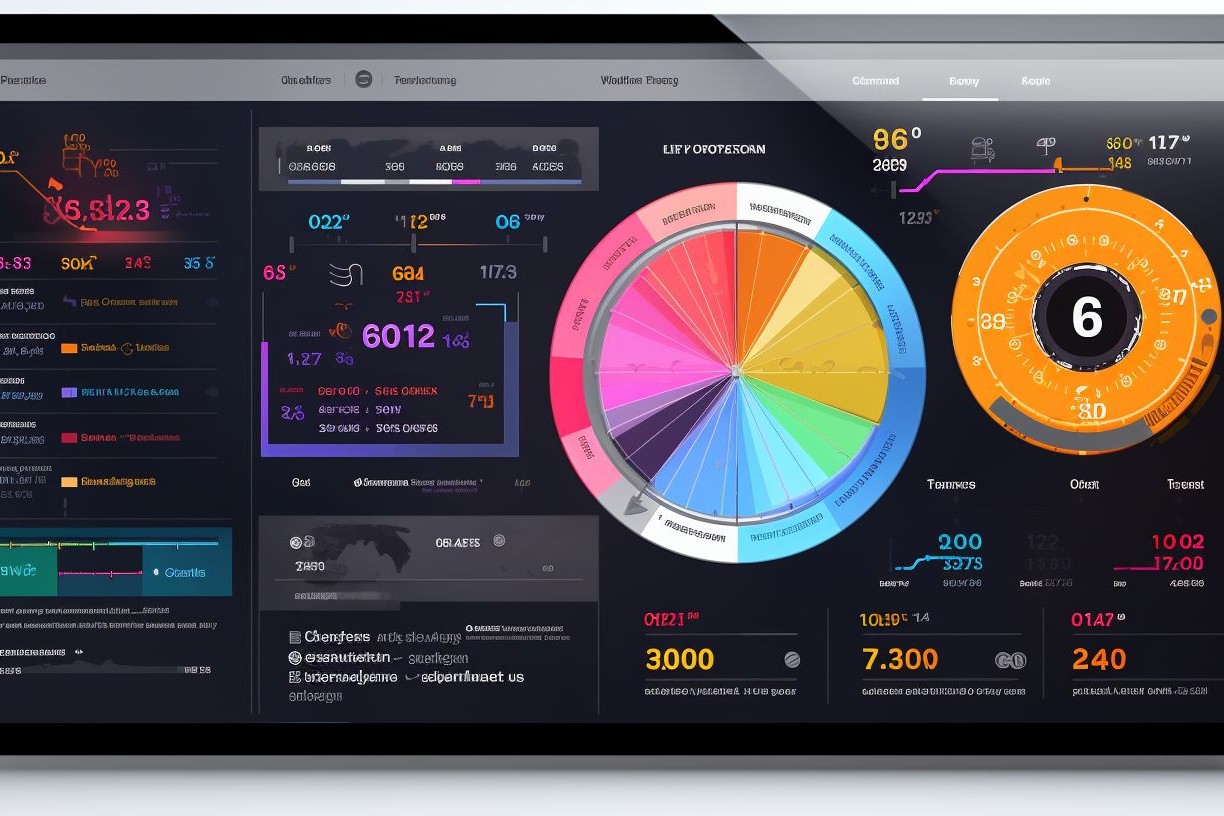
Effective financial scrutiny aids directors in pinpointing areas where strategic destocking could bolster cash flow – crucial for reinvestment or debt reduction. Through deployment of tools like economic order quantity (EOQ) models, analytics dashboards and automated warehouse management systems (WMS), leaders can make informed decisions about streamlining inventories without compromising operational efficiency.
This proactive approach ensures businesses stay agile and responsive to market demand while safeguarding their bottom line against the costly pitfalls of overstocking.
Strategies for Effective Inventory Destocking

To successfully diminish surplus stock, businesses must deploy targeted destocking strategies that not only clear shelves but also safeguard revenue and market presence.
Prioritising Items for Inventory Destocking
Prioritising items for destocking is a strategic move to enhance operational efficiency and improve cash flow. Directors need to identify which inventory items should leave the warehouse for destock first.
Assess product life cycles: Determine which items are approaching obsolescence or have a short selling season left. Move these goods to the top of your destocking list.
Analyse sales data: Review past sales trends using your POS system and spreadsheets to spot products that consistently underperform.
Conduct ABC analysis: Categorise inventory into groups based on importance, with ‘A’ being the most valuable; focus on ‘B’ and ‘C’ items for potential destocking.
Implement FIFO methods: Apply the First-In, First-Out (FIFO) technique to sell older stock before newer arrivals to prevent issues like spoilage or expiry.
Set up clearance discounts: Use targeted discount and clearance campaigns for slow-moving items, making room for in-demand products.
Adjust safety stock levels: Lower buffer stock thresholds where appropriate, especially if demand forecasting indicates reduced customer interest.
Leverage ecommerce platforms: Explore online sales through channels like eBay or Amazon for broader audience reach and quicker turnover.
Revisit supplier agreements: Negotiate possibilities of returning excess stock or adjusting order quantities with suppliers.
Implementing Discount and Clearance Sales
Having determined which items need destocking, the next impactful step involves launching discount and clearance sales. This method often leads to quick inventory turnover, boosting cash flow and freeing up storage space. Here’s how you can execute this strategy effectively:
Set clear objectives for your sale, aiming not only to reduce stock levels but also to maintain profitability.
Identify the products that will go on sale; typically, these should be items with a slow turnover rate or that are approaching the end of their lifecycle.
Calculate discounts that will make offers appealing but still cover costs; using the EOQ formula can help in finding a balance between demand and supply costs.
Time your sales appropriately by analysing market trends and seasonal demands, ensuring maximum exposure and impact.
Use point of sale (POS) system data to personalise promotions for frequent buyers or those with a history of purchasing similar items.
Promote your sales aggressively across various channels such as email marketing campaigns, social media platforms, and through partnerships with deal websites.
Consider bundling slow-moving items with more popular products as a value-added proposition to entice customers and clear out inventory simultaneously.
Monitor sales performance in real – time using business intelligence tools to adjust strategies swiftly if targets are not being met.
Employ warehouse management software to keep track of stock levels during the sale period to avoid stock-outs and manage order variability control effectively.
Train your workforce on effective customer service practices during clearance events to ensure a positive shopping experience despite high transaction volumes.
Exploring Alternative Sales Channels
Launch an ecommerce platform if you haven’t already, utilising popular sites like Shopify to increase online visibility and sales.
Partner with third-party logistics providers to enhance your distribution network without the excessive overhead costs.
Leverage omnichannel strategies by integrating in-store and online shopping experiences, catering to the modern buyer’s preference for flexible purchasing options.
Consider dropshipping agreements where products ship directly from the suppliers to customers, reducing your inventory holding requirements.
Utilise multichannel retailer platforms such as Amazon’s Marketplace or Walmart.com to access vast customer populations and simplify fulfilment processes.
Engage with social media marketplaces for direct selling opportunities, which can also improve brand awareness among wider audiences.
Offer products through discount outlets or factory stores which specialise in moving excess stock at reduced prices.
Collaborate with local businesses or pop – up events to create temporary retail spaces, capturing different demographics and increasing product exposure.
Advantages of Proactive Inventory Destocking

Proactive destocking isn’t merely an exercise in clearing shelves; it’s a strategic maneuver that boosts your financial health and operational agility. Embracing this forward-thinking approach can sharpen your competitive edge, as streamlined stock translates to a leaner, more responsive business model.
Enhanced Bottom Line
Effective destocking strategies directly contribute to a healthier bottom line for businesses. By reducing carrying costs and freeing up capital, companies can reinvest in growth or streamline operations.
Data shows that overstocking leads to losses of $471.9 billion annually worldwide; therefore, the correct implementation of inventory reduction can have a significant positive impact on profitability.
Firms report increased financial flexibility and heightened responsiveness to market shifts once excess stock is managed wisely.
Following this approach not only sharpens cost management but also prepares directors for the next vital phase: streamlined inventory management, where continued attention to detail delivers enduring efficiency gains and supports robust decision-making processes across supply chains.
Streamlined Inventory Management
Maximising your bottom line goes hand in hand with optimising inventory management. Streamlined inventory management lets you sidestep the unnecessary costs that weigh down your financials.
By carefully evaluating stock levels and setting clear destocking goals, businesses pave the way for a more fluid and cost-effective operation. This holistic approach ensures that every item on your shelves contributes to profitability rather than collecting dust.
A robust stocking and destocking plan doesn’t just reduce carrying costs; it breathes new life into your cash flow, allowing businesses to invest in areas of growth and innovation. Inventory control systems like ERP or JIT techniques enable quick action on surplus items while keeping essential goods at the ready for customer needs.
Tracking progress through these systems fosters continuous improvement and drives increased profitability, affirming prudent managers’ decision-making prowess in inventory oversight.
Increased Operational Efficiency
Efficiency gains are a critical advantage of effective inventory destocking. As directors, you understand the need for streamlined operations; destocking inventory plays right into this by reducing clutter and simplifying the management process.
Removing excess inventory speeds up decision-making and enhances workflow as employees face fewer obstacles in accessing what they need. This clear-out goes hand-in-hand with lean manufacturing principles, focusing resources on high-demand items that keep production moving swiftly.
Reducing stock not only clears physical space but also declutters your inventory system. Automated ERP systems become more accurate with less surplus to track, leading to better forecasts and just-in-time resupply strategies.
Embracing these efficient practices allows businesses to plan and pivot quickly in response to market demand, ensuring that every item on your shelves is working hard for its place.
Conclusion – Inventory Destocking
Mastering inventory destocking is crucial for keeping your business agile and financially healthy. Embrace the strategies outlined to navigate excess stock challenges with confidence.
Remember, effective destocking isn’t just about clearing shelves; it’s a strategic move towards optimising your operations. With these insights, directors can lead their teams in maintaining a lean, responsive inventory system that drives success.
Keep these tactics at your fingertips and watch your retail enterprise thrive in an ever-changing market landscape.
FAQs
1. What does destocking inventory mean?
Destocking inventory refers to reducing the amount of stock held by a business, possibly using methods like first-in, first-out (FIFO) or just-in-time (JIT) techniques to manage and optimise goods.
2. Why should retail businesses think about destocking?
Retail businesses might consider destocking to avoid overstocking costs, align inventory and inventories with demand, save money, and improve work force management and manufacturing scheduling.
3. Can automating help e-commerce businesses with inventory management?
Yes, automation through systems like ERPs can assist ecommerce businesses in implementing strategies such as JIT or EOQ models required for better materials resource planning and inventory optimisation.
4. What is the bullwhip effect in supply chains?
The bullwhip effect happens when information distortion leads to bigger fluctuations expected in orders up the supply chain from retailers back to manufacturers creating challenges for all including manufacturers and banks that finance them.
5. How do brands use information sharing for successful destocking?
Brands use information sharing between suppliers and sellers to reduce the bullwhip effect impact on stock levels so they can respond quickly with effective destocking strategies without unnecessary expenditures.
6. Should grocery stores outsource their inventory management?
Outsourcing could benefit grocery stores especially when dealing with perishable items as it allows experts who are proficient in using advanced techniques like just-in-time inventory to handle their logistics.
And there's more...