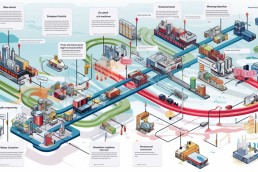
Navigating the complexities of the procurement department can be a daunting task for any business, often fraught with inefficiencies and lost opportunities. E-procurement stands as a transformative approach, leveraging technology to streamline purchasing processes.
This guide will illuminate how embracing e-procurement could significantly cut costs and enhance operational workflows for your company. Dive in to discover strategies that will revolutionise your procurement practices.
Key Takeaways
E-procurement uses technology to automate the procurement cycle, leading to cost savings and increased efficiency for businesses.
It includes managing indents, creating RFPs, receiving bids, conducting e-auctions, and evaluating suppliers with a focus on transparency and compliance with regulations.
Real-time tracking of inventory through e-procurement systems enhances stock control and helps avoid shortages or excesses.
Challenges like managing complex supplier relationships and data can arise but careful implementation of e-procurement strategies can mitigate these risks.
Adopting e-procurement is essential for staying competitive in the digital age as it optimises purchasing processes and strategic sourcing.
Defining E-procurement

Moving beyond the basics, let’s delve into e-procurement and its essence in modern business. At its core, e-procurement is an online procurement process that employs electronic methods to identify, order, and purchase goods or services.
This streamlined approach requires many e-procurement systems to be synchronised to increase efficiency across the purchasing cycle – from sourcing to payment. Utilising software systems like enterprise resource planning (ERP) and electronic data interchange (EDI), businesses can automate procurement tasks previously performed manually.
E-procurement transforms how directors oversee their organisation’s buying activities by providing tools for every step of the procurement cycle. It covers everything from establishing requirements with suppliers through to issuing purchase orders to handling invoices electronically.
E-tendering simplifies bidding processes while e-auctions create competitive environments for buyers and sellers purchasing goods alike. The aim is not just about making purchases online; it’s about enhancing every facet of procuring materials – whether direct supplies or indirect products – thus supporting strategic sourcing and supply chain optimisation efforts efficiently and effectively.
How E-procurement Works

E-procurement transforms the traditional procurement process by utilising electronic systems to handle business purchases. This digital approach connects buyers with suppliers through an online network, allowing for efficient management of transactions from anywhere in the world.
The key here is a centralised e-procurement system that serves as a hub for initiating and completing purchase requisitions. This centralized platform seamlessly integrates various stages such as vendor selection, order placement, invoice approval, and payment processing into one cohesive flow.
Organisations adopt this technology to manage their purchasing activities more effectively. A typical e-procurement workflow begins with employees creating electronic purchase order requests for items or services.
These requests are then reviewed and approved before being sent as electronic orders to chosen vendors. Suppliers respond by fulfilling these orders via the platform which supports easy tracking of delivery status and automatic updating of inventory levels.
Furthermore, analytical tools within e-procurement platforms offer strategic insights into spending patterns and supplier performance, empowering directors with data necessary for informed decision-making.
Benefits of E-Procurement

E-Procurement streamlines procurement processes, offering a multitude of advantages that not only drive down costs but also significantly improve operational efficiency.
Discover the full spectrum of these benefits in our detailed guide.
Savings and Efficiency
Investing in e-procurement software not only streamlines business processes but also leads to serious cost savings. With a more efficient approach, companies notice a reduction in paperwork and administrative burdens.
This modern method minimises the IT footprint while enhancing operational workflow. It’s reshaping purchasing strategies across sectors by trimming unnecessary expenditures linked with traditional procurement.
Automating procurement translates into significant efficiency gains for any growing company. Complex approval procedures become straightforward, spending visibility improves, and contract management gets centralised – all contributing to an optimised value of supply chain activities.
Directors who focus on these aspects can expect their organisations to perform with improved productivity and greater profitability over time.
Shorter Purchasing Cycles
E-procurement slashes the time taken for purchasing processes. By shifting to electronic systems, companies benefit from a smoother flow of transactions and documentation. This acceleration is possible because e-procurement automates several steps that would otherwise require manual intervention.
No longer do staff need to sift through piles of paper or wait for approvals; instead, orders can be placed with just a few clicks.
Directors appreciate how vital swift operations are in maintaining a competitive edge. With e-procurement, tenders are managed online efficiently, linking purchases directly to purchase orders and receipts in real-time.
This integration ensures that businesses not only save on time but also enhance accuracy and control over their spending – benefits that contribute significantly to overall performance improvements within an organisation’s procurement strategy.
Enhanced Inventory Management
Transitioning from the time-saving aspect of shorter purchasing cycles, we see that inventory management similarly undergoes a significant improvement with e-procurement. The system tightens control over stock levels by synchronising purchases directly with purchase orders and receipts.
This real-time monitoring does away with guesswork, ensuring that the number of items on hand matches demand accurately.
E-procurement platforms make it easier for your supply chain team to spot trends, predict needs and act before shortages or excesses occur. They minimise errors through automated matching of job tickets which leads to precise ordering.
With this enhanced oversight, directors can make informed decisions about inventory without wading through spreadsheets or manual records – a clear step towards optimising business operations.
Transparency
E-procurement revolutionises the transparency of procurement operations by automating and centralising activities. This means every transaction, from request to purchase, is documented on a single platform.
Directors can see real-time updates and store vital procurement data securely. Such visibility reduces errors linked with manual handling and builds trust within the supply and other value chain partners, thanks to clear, open communication channels.
Streamlined negotiation through e-procurement software further enhances this clairvoyance in business dealings. The system not only fosters efficiency but also strengthens relations with suppliers by ensuring all interactions are transparent and traceable.
With these processes laid bare, auditing becomes effortless; compliance is easier to verify, creating an environment where due diligence is a given rather than a challenge.
Next up: exploring the unique challenges that come with implementing e-procurement strategies and how best to navigate them for your organisation’s success.
Challenges of E-Procurement

While e-procurement systems pave the way for streamlined operations, they are not without their hurdles. Key challenges include navigating intricate data management, addressing complex supplier relationships, and mitigating compliance risks amidst demands for enhanced transparency.
Poor Data Management
Poor data management is a significant hurdle in e-procurement systems, leading to increased errors and delays that undermine the benefits of automation. Incorrect or outdated information within your e-procurement or ecommerce system wreaks havoc across supply chains, causing inefficiencies that ripple through every level of operation.
Centralised transaction tracking becomes an arduous task when faced with disorganised data, which directly hampers the effectiveness and reliability of the entire e-procurement process.
Moreover, issues stemming from inadequate data handling may result in complications with supplier contracts and relationship management. It’s critical for directors to acknowledge this risk as it can strain negotiations and affect overall business productivity.
Consequences extend beyond operational disruptions; they encompass legal risks linked to non-compliance due to unreliable record-keeping and reporting procedures. Transparency suffers greatly without disciplined data management practices, potentially damaging stakeholder trust and tarnishing corporate reputation in the discerning digital marketplace.
Supplier Management Issues
Managing supplier relationships goes hand-in-hand with data management strategies as part of a robust e-procurement system. Consider the intricate web of interactions between a business and its suppliers – it’s critical for the smooth running of an electronic procurement operation.
However, issues can surface when stakeholders aren’t aligned or if communication falters. E-procurement tools aim to streamline these processes but may fall short without proper oversight.
Effective supplier management ensures that contract terms are honoured, deliveries meet timelines, and quality standards are maintained. Without this vigilance, disruptions in supply chains can occur leading to production delays or increased costs—pitfalls every director aims to avoid.
Maintaining strong partnerships with suppliers is more than just good business; it’s an essential component of a successful e-procurement strategy that demands attention and careful management.
Non-compliance / Legal Risks
Navigating the complexities of e-procurement requires a keen eye for legal compliance conduct business will. Directors must be vigilant as the risk of data breaches and supplier non-compliance can threaten organisational integrity.
Staying abreast of regulatory changes is not optional but imperative to ensure your organisation’s e-procurement practices align with current laws, thereby mitigating potential legal pitfalls.
With cyberattacks on the rise, safeguarding against system disruptions becomes crucial to maintaining uninterrupted operations and secure electronic transactions.
Directors play a pivotal role in pre-empting these challenges by insisting on robust procurement automation systems that feature comprehensive security audits. This proactive approach minimises exposure to risks like litigation due to contractual disputes or penalties stemming from regulatory oversights.
Prioritising updates in technology is also essential, for obsolete systems are more prone to vulnerabilities that savvy hackers might exploit. Ensuring adherence to best practices within e-sourcing solutions cultivates resilience against the dynamic landscape of digital economy threats and legal expectations.
Poor Transparency
Poor transparency in e-procurement and other enterprise systems, can erode trust and raise questions about the integrity of procurement processes. Directors should be aware that without clear visibility, companies face risks related to fairness in contract allocation and the potential for corrupt practices.
These issues are particularly sensitive when dealing with public sector contracts, where expectations for openness are high due to the need to safeguard public interests.
Ensuring transparency is vital not just for compliance but also for maintaining your organisation’s reputation. Implementing robust tracking mechanisms and audit trails within your electronic procurement system will enhance accountability throughout every transaction.
Leaders of government agencies must commit to enforcing these measures consistently to guarantee equitable treatment of all participating vendors and bidders in e-sourcing activities and electronic auctions (e-auctions).
E-Procurement Process
Delving into the e-procurement process unveils a systematic approach that revolutionises traditional procurement methods, harnessing technology to streamline purchasing, achieve cost savings and enhance strategic sourcing.
This core component seamlessly integrates enterprise systems with organisational workflows, ensuring procurement is both cost-effective and compliant with established standards.
Management of Indent
Initiate procurement requests with precision, ensuring each indent captures the specific needs and quantities required by your organisation.
Obtain approvals seamlessly through an electronic workflow that speeds up decision-making while maintaining necessary control protocols.
Leverage e-procurement software to streamline the entire indent management cycle, affording visibility over all requisitions in real-time.
Keep a centralised record within your e-procurement platform to facilitate easy tracking and management of indents across different departments or projects.
Use automated alerts to notify purchasing managers when an indent is raised, pending action, or requires further clarification to prevent bottlenecks.
Implement monitoring features that allow for detailed analysis of your purchase requirements, aiding in demand forecasting and inventory optimisation.
Enhance communication channels within the system so stakeholders can swiftly address queries or adjustments to indents without procedural delays.
Integrate your indent management process with inventory management systems to ensure accurate stock levels inform procurement decisions.
Creation of a Request for Proposal (RFP)
Following the precise management of indent, the next critical stage in e-procurement involves the creation of a Request for Proposal (RFP). This fundamental step in e-procurement applications sets the foundation for acquiring quality bids from potential vendors.
Directors must ensure that their e-procurement software efficiently handles RFP creation. With an automated system, producing and managing RFPs becomes more streamlined.
Clearly specify needs and expectations within your RFP to attract suitable candidates who can fulfil your company’s requirements. Detailed specifications lead to accurate vendor responses.
Use your e-procurement platform to customise RFP templates that align with industry standards and regulatory compliance. Templates save time and uphold consistency across procurements.
Incorporate scope for innovation by encouraging vendors to suggest creative solutions through the RFP process. Open-ended questions can unveil unique offerings from suppliers.
Engage stakeholders in developing the RFP to ensure it reflects multidisciplinary insights. This collaborative approach can pinpoint crucial criteria often overlooked when operating in silos.
Leverage data analytics available within your e-procurement system when creating an RFP. Analytics guide you on historical performance, pricing trends, and supplier reliability.
Maintain a user-friendly interface for vendors responding to your RFPs on e-procurement platforms. Ease of use encourages wider participation from high-quality vendors.
Include sustainability clauses in your RFP to push towards green procurement practices. This reflects modern values and may fulfil corporate social responsibility goals.
Ensure transparency by outlining evaluation methods within the RFP so that bidders understand how decisions will be made. Transparency reinforces trust in your procurement processes.
Submission of a Bid
Submitting a bid is a critical stage in the e-procurement process. It entails suppliers presenting their offers for products or services, aiming to match the buyer’s requirements effectively. Here are essential aspects directors should consider regarding bid submissions:
Suppliers prepare bids using the e-procurement system, which standardises the format and content required by buyers.
The system automates notifications, ensuring that all potential suppliers are informed of the opportunity to submit proposals.
Accurate and detailed response to the Request for Proposal (RFP) helps suppliers stand out during the competitive bidding process.
The bid must include pricing structures and schedules that align with procurement office directives and client expectations.
Vendors often suggest nature-based solutions within their bids to demonstrate innovation and sustainable procurement practices.
Bidding includes a timeline, clearly stating when a supplier can deliver products or services while adhering to logistical requirements.
E-auction platforms may be utilised as part of this stage, allowing vendors to adjust their bids in real time based on competitor offers.
Every proposal is subject to legal scrutiny; hence it is crucial that bids comply with business-to-business and government regulations.
Suppliers optimise their proposals through market research, providing insights into competitive advantages over other bidders.
After submission, the electronic data interchange (EDI) ensures swift and secure transfer of bid documents from supplier to buyer.
Opening and Judging of Bids
Following the submission of a bid, the opening and judging of bids mark a critical turning point in the e-procurement process. This stage and entire process requires meticulous attention to detail to ensure fairness and select the best value for your company.
Ensure All Bids Adhere to Set Guidelines: The first step is to check that each proposal meets your predetermined criteria. This includes compliance with submission deadlines, format requirements, and other conditions outlined in the Request for Proposal (RFP).
Establish a Review Panel: Assemble a team of knowledgeable individuals who understand the nuances of the products or services being procured. Each panel member should be prepared to evaluate bids objectively.
Develop an Evaluation Framework: Create a clear, point-based system or scoring method to assess each bid against key performance indicators related to cost, quality, and supplier reliability.
Review Bids Thoroughly: Every bid must be carefully scrutinised for its merits. Look at how each supplier’s offering matches up against your organisation’s parameters for cost-effectiveness and quality.
Clarify Doubts and Queries: Should any ambiguities arise during evaluation, reach out promptly to suppliers for clarifications. This ensures all parties have a fair chance and misunderstandings are minimised.
Maintain Transparency Throughout: Keep records of how decisions are made. Notes on discussions and scoring should be documented clearly to uphold transparency in procurement activities.
Prepare Feedback for Non-selected Bidders: It’s good practice to offer constructive feedback to those not chosen. This not only fosters good relations but also encourages better proposals in future rounds.
E-Auction
Once bids are opened and evaluated, e-auctions become the next pivotal step in the e-procurement process. They offer procurement managers a dynamic way to negotiate prices and conditions with suppliers. Here’s how e-auctions can revolutionise your procurement efforts:
E-Auctions introduce competitive bidding in an online format, where suppliers fight to offer the best price for their goods or services.
This method shakes up traditional e-commerce by leveraging technology to enhance the buyer’s position.
The versatility of e-auctions is evident as they can operate independently or integrate with other procurement functions, catering both horizontally across industries and vertically within them.
E-Auction platforms make it easier for directors to assess supplier proposals against one another due to their structured nature.
Companies have incorporated e-auction mechanisms within wider e-government strategies, aiming for efficiency and transparency in public spending.
Opting for electronic auctions cuts down on administrative overheads associated with physical bidding processes.
These digital platforms provide an immediate snapshot of market conditions, enabling better informed decisions.
By transitioning to e-auctions, you harness the power of real-time competition among vendors, driving down prices.
Directors must look beyond initial price reductions to understand the long-term value provided by suppliers through these electronic negotiations.
It’s essential to establish clear rules and criteria for participation in an e-auction to maintain fairness and compliance.
You’ll need robust cybersecurity measures in place to protect sensitive information exchanged during online bidding.
Analyse past purchasing data to pinpoint opportunities where e-auctions could yield significant savings or performance improvements.
Train your procurement team in utilising e-auction platforms effectively; this might involve workshops or investing in specialised software solutions.
Monitor each auction closely, using analytics tools provided by most modern platforms, which assist in making strategic decisions mid-auction if necessary.
Selection and Finalisation of Vendors
Following a successful e-auction, the next critical phase is selecting and using key components and finalising vendors preferred suppliers. This stage demands thorough diligence and strategic decision-making to partner with the best suppliers.
Evaluate vendor expertise by reviewing their history, qualifications, and industry standing. Look for proven records that showcase their capability to meet your company’s specific needs.
Examine vendor experience to ensure they have a solid track record of delivering on projects similar in scope and complexity to yours.
Assess vendor reputation through feedback from other businesses, ratings on professional networks, or industry awards.
Negotiate cost-effectiveness by comparing quotes from various suppliers. Aim for competitive pricing without compromising service quality.
Clarify contract terms with chosen vendors, making sure both parties have a mutual understanding of expectations and deliverables.
Establish service level agreements as part of the contract. These should outline performance standards and consequences for failing to meet those standards.
Plan for ongoing support by setting up communication channels. Ensure the vendor provides sufficient help throughout the duration of the e-procurement process.
Engage in collaboration with business sectors and civil society when applicable. It helps in enhancing transparency and accountability in public procurement operations.
Contract and Vendor Management
After the careful selection and finalisation of vendors, it’s crucial to dive into the robust world of supplier exchange, contract and vendor management. This stage of supplier evaluation, is pivotal for monitoring agreements and ensuring that supplier relationships are effectively cultivated and maintained.
Contract management kick – starts with the thorough administration of multiple contract facets such as payments, receivables, and settlements.
The process encompasses variations in contracts, ensuring that any changes are legally sound and beneficial for both parties involved.
It also involves managing performance securities with an eye on safeguarding your organisation’s interests through a financial guarantee from vendors.
Key activities include auditing, maintaining rigorous control over transactions, and keeping an accurate record electronically.
Effective e-procurement systems streamline these tasks by providing tools that manage these contracts digitally.
Vendor management then takes the torch by focusing on nurturing supplier relationships to foster better performance and reliability.
Strong vendor relations yield significant benefits like more favourable terms, priority service, and access to innovations or improvements in products or services.
A transparent electronic platform can offer vital insights into vendor performance, allowing for real-time assessments and swift decision-making.
Regular reviews of supplier dealings enable directors to identify areas for potential improvement or renegotiation.
Implementing an integrated approach ensures that both contract management and vendor relationships align with your company’s strategic objectives.
E-Procurement Tools
Explore the technological backbone that empowers e-procurement, from advanced software to integrated platforms, and discover how these tools are revolutionising procurement strategies for directors who demand efficiency and innovation in their operations.
System for Electronic Data Interchange
An effective electronic data interchange (EDI) forms the backbone of a robust e-procurement system. It streamlines communications between businesses and suppliers by converting orders, invoices, and other procurement documents into a standardised format that can be processed automatically.
This automation reduces human error, speeds up transaction times, and lowers costs associated with paper-based processes.
Adopting EDI within your company’s e-procurement strategy deepens integration with suppliers for more accurate order processing and enhanced supply chain management. The direct transfer of data from one computer to another allows critical information to flow seamlessly, enabling real-time visibility over transactions.
As directors seeking operational efficiency, implementing an EDI system ensures order accuracy, quick response times to market demands, and significant cost savings through automated workflows.
Platforms and Apps for the Internet
Leveraging platforms and apps for the internet can transform e-procurement into a streamlined, user-friendly experience. E-Procurement applications empower procurement officers to efficiently manage purchases through intuitive online catalogues.
These tools mimic the ease of consumer shopping, bringing a familiar B2C feel to B2B transactions. With intelligent catalogue optimisation and centralised processing features, they enhance search functions while saving time and reducing overheads.
Directing your attention towards these internet-based solutions is instrumental in refining sourcing cycles. They offer an ergonomic interface that simplifies decision-making and vendor interactions within e-marketplaces.
Such innovations have a profound impact on logistics management, ensuring enterprise resources planning integrates seamlessly with everyday procurement activities. Embrace these advancements to ensure your company stays at the forefront of efficient purchasing practices, harnessing cloud computing to keep data accessible yet secure across all devices from smartphones to tablets.
Tools for E-Ordering and Purchase
E-Ordering and purchasing tools have revolutionised the way companies handle their procurement activities. They eliminate time-consuming tasks that used to be done manually, like filling out paperwork and tracking orders through phone calls or faxes.
Through a streamlined online system, businesses can manage all spending on goods and services with just a few clicks. These cloud-based e-procurement platforms empower firms to locate products quickly, issue purchase orders instantly, and oversee expenditures in real-time.
Businesses benefit greatly from EDI systems that facilitate the swift and secure exchange of vital business information between parties. This technology minimises human error by automating transactions and ensuring consistent data transfer protocols are maintained throughout the e-procurement process.
With these tools in place, directors can expect improved efficiency in workflow and document management as they move towards eliminating manual entry and reducing discrepancies during invoice processing.
It leads to better supplier relations due to fewer errors which would otherwise result in disputes or even legal complications.
Best Practices within E-Procurement
Embracing e-procurement brings a wave of efficiency to your organisation’s whole purchasing process and strategy. Establish standardised procedures for every purchase. This standardisation not only streamlines the procurement process but also reduces errors and enhances compliance across departments.
Ensure regular updates to these protocols so they remain in line with evolving market practices and organisational needs.
Invest time in selecting the right e-sourcing software that fits with your procurement goals. Such tools should offer functionality that covers the breadth of procurement tasks, from the procurement personnel e-tendering to e-invoicing, ensuring a seamless flow of operations.
Provide thorough training for all users to maximise the benefits of these systems and encourage adoption throughout your team. Secure strong top-level support to create an environment where positive changes can take root quickly, leading to sustained improvements in how you manage procurement.
Maintain open lines of communication between all stakeholders involved in the e-procurement process—this includes suppliers as well as internal procurement departments and teams themselves. Transparency is key; it minimises misunderstandings and builds trust which is crucial for efficient collaboration on this digital platform.
Keep track of performance metrics through data analytics capabilities provided by modern e-procurement solutions, allowing continuous assessment and improvement based on factual insights rather than assumptions.
Lastly, allocate resources towards change management strategies as you implement new electronic purchasing systems within your organisation. Anticipate challenges during transition periods and plan accordingly; having proactive measures in place will greatly assist in overcoming resistance and ensuring smooth integration into daily operations without disrupting existing workflows or supplier relationships.
Implementing an E-Procurement Strategy
Implementing an e-procurement strategy necessitates a thoughtful approach, tailored to the unique needs and ambitions of your organisation. It’s about embracing digital transformation in procurement practices, ensuring seamless integration and streamlined operations for long-term success.
Identify Company’s E-Procurement Requirements
Before diving into e-procurement, it’s vital to assess your company’s specific needs. Pinpointing these will guide you in selecting the appropriate tools and strategies.
Assess current procurement practices: Begin by thoroughly examining existing procurement processes. Look for areas where manual tasks lead to inefficiencies or where errors frequently occur.
Determine the scope of goods and services: List down the types of goods and services your company regularly procures. Understanding this helps tailor the e-procurement system to manage these categories effectively.
Analyse spending patterns: Review past expenditure records to identify trends. This data will be crucial for forecasting future needs and negotiating better terms with suppliers.
Set goals for cost savings: Envision measurable objectives related to budget reduction that e-procurement can help achieve through streamlined processes and improved supplier relationships.
Prioritise compliance requirements: Ensure that any e-procurement solution complies with industry regulations and internal policies to mitigate legal risks.
Evaluate supplier integration capabilities: Check if potential e-procurement platforms can easily connect with your suppliers’ systems for seamless transactions.
Consider user experience: Select a system that is user-friendly and requires minimal training, thus encouraging adoption among employees.
Plan for scalability: The chosen software should be able to grow alongside your business, accommodating increased demand without performance issues.
Look at reporting features: Opt for an e-procurement system that offers comprehensive analytics tools to assist in making informed decisions based on real-time data.
Address Weaknesses in Buying Process
Having pinpointed your company’s e-procurement requirements, it’s crucial to turn the spotlight onto existing and procurement technology weaknesses. Directors must ensure these shortcomings are addressed to pave the way for a robust e-procurement system. Here’s how to tackle these challenges effectively:
Conduct a thorough analysis of current procurement processes. Examine each stage meticulously, from requisition to payment, identifying areas prone to delays or errors.
Leverage data analytics to spot patterns in purchasing that may indicate inefficiencies or compliance issues within the buying process.
Engage with key stakeholders across departments. Gather their insights on where the process falters and what improvements they envision.
Standardise procedures wherever possible. Having uniform steps reduces complexity and the likelihood of mistakes.
Evaluate supplier performance consistently. Check if suppliers meet contractual obligations and contribute positively to your business efficiency.
Update policy documentation regularly. Ensure all protocols reflect any changes in legislation or company strategy related to procurement.
Invest in training programmes for employees. A well-informed team can navigate new systems more effectively and make better purchasing decisions.
Streamline communication channels with suppliers using e-sourcing tools that facilitate effective negotiation and collaboration.
Monitor adherence to established processes with regular audit trails, reducing legal risks associated with non-compliance.
Implement risk management strategies for supply chains to anticipate potential disruptions and plan contingencies accordingly.
Plan for E-Procurement
Set clear objectives: Before embarking on e-procurement planning, establish what your organisation hopes to achieve with the new system. This could include improved efficiency, better compliance, or more strategic supplier relationships.
Assess current procurement processes: Analyse your existing procedures thoroughly to identify any bottlenecks or inefficiencies that could be remedied through e-procurement solutions.
Identify key stakeholders: Determine who within your organisation will be most affected by the implementation of an e-procurement system. Their input will be vital in ensuring the plan meets user needs and organisational goals.
Ensure integration capabilities: Check how well the potential e-procurement system integrates with other enterprise resources planning (ERP) systems you may already have in place, to streamline operations across departments.
Evaluate supplier readiness: Engage with suppliers early to determine their ability to work within an e-procurement framework, ensuring smoother collaboration post-implementation.
Determine data management strategies: With a focus on poor data management being a challenge of e-procurement, developing robust strategies for managing procurement data is crucial for success and ensuring transparency and visibility throughout the process.
Develop training plans: Construct comprehensive training programmes for team members that will use the new systems. E-learning modules could facilitate this step effectively.
Establish expectations around electronic documentation: Emphasise the importance of maintaining electronic records from purchase orders to electronic invoices, to ensure accurate tracking and reporting.
Create an actionable timeline: Draft a realistic timeline for each stage of implementing your e-procurement strategy, setting milestones for finalising purchase authorisation, addressing buying process weaknesses, and selecting appropriate tools.
Find the Right Match for Your Company
Finding the right e-procurement solution aligns with your company’s specific needs and improves your procurement process. It requires thorough understanding and careful selection to reap the full benefits.
Evaluate your current procurement practices to identify areas that need enhancement through automation and better management.
Consider the scalability of potential e-procurement systems, ensuring they can adapt to future growth and changes within your industry.
Seek out platforms that support electronic data interchange (EDI), enabling seamless transfer of purchase orders, invoices, and other important documents.
Determine if the system integrates easily with existing ERP software to provide a cohesive business process environment.
Look for user – friendly interfaces similar to B2C internet marketplaces, which can reduce training time and increase adoption rates among staff.
Ensure the platform offers robust analytics tools for monitoring expenditures and optimising future purchasing strategies.
Verify that suppliers in your network are compatible with or can easily transition to the new e-procurement system you consider.
Confirm the prospective system’s compliance with legal standards and government procurement regulations, avoiding non-compliance risks.
Ask about customer support services; effective mentorship from the provider is vital for smooth implementation and operation.
Check references from other businesses within your sector who use the same system—peer insights can be invaluable.
Implementation
Finalise your purchase authorisation to start on a strong footing. This step is critical and ensures that all purchases follow company policy and budget constraints.
Tackle weaknesses in your current buying procedure. Analyse where gaps or inefficiencies exist and use e-procurement solutions to address them effectively.
Develop a comprehensive plan for integrating e-procurement into your business. Include timelines, resource allocation, and training programmes in this blueprint for success.
Select the right e-procurement system that aligns with your company’s needs. Compatibility with existing processes is essential to facilitate smooth adoption.
Kick off the implementation with a pilot phase. Test the system with a small group or department before rolling it out across the entire organisation.
Train staff comprehensively in using the new e-procurement tools. Ensure they understand not just how to use the system but also why it benefits them.
Monitor and support users regularly as they adapt to the new system. Provide assistance to address any challenges promptly during early adoption stages.
Evaluate the performance of your e-procurement strategy continually. Assess both user feedback and data analytics to fine-tune processes for optimal performance.
Future Trends in E-Procurement
E-procurement evolves rapidly, with analytics driving a market boom expected to hit $18.2 billion by 2030. Directors should prepare for significant shifts that leverage technology for smarter procurement strategies.
- Artificial intelligence (AI) is poised to revolutionise traditional e-procurement systems, offering predictive analytics and intelligent automation to e procurement provider.
- Machine learning algorithms will enhance e-sourcing platforms, enabling more accurate demand forecasting and cost-saving opportunities.
- Blockchain technology promises greater transparency and security in transactions, potentially reducing fraud and errors in the tender process.
- Electronic data interchange (EDI) will become more sophisticated, streamlining communication between businesses for faster processing of orders and invoices.
- The integration of advanced cloud-based solutions will facilitate remote access to procurement tools, for procurement professionals and ensuring agility in business operations.
- E-auctions are set to become more dynamic with real-time bidding capabilities that improve vendor selection processes.
- Rising inflation rates and supply chain disruptions demand robust e-procurement responses; digital tools provide resilience against such economic pressures.
- Sustainable purchasing practices will gain traction through e-procurement channels as companies prioritise eco-friendly products procurement services and suppliers within their electronic sourcing criteria.
- Advanced customer relationship management features embedded in e-procurement systems help build stronger partnerships between buyers and suppliers.
These trends indicate a vibrant future where procurement efficiency is not just an operational goal but also a strategic advantage driven by technological advancements.
Conclusion
E-Procurement revolutionises the way directors handle their company’s purchasing needs from business to business process. This guide illuminates pathways to optimising the procurement process, empowering businesses with efficiency and cost-effectiveness.
Embracing these strategies ensures a competitive edge in today’s fast-paced market. As technology evolves, staying ahead becomes crucial; integrating e-procurement is no longer an option but a necessity for forward-thinking organisations.
Dive into this resource to unlock the full potential of your procurement operations and drive business success.
FAQs
1. What is e-procurement and how does it benefit a business?
E-procurement is an electronic system that manages purchasing and sales through the internet, providing benefits such as cost savings, streamlined processes, and faster transactions.
2. Can you explain the process of e-purchasing?
The process of e-purchasing involves using electronic systems like intranets or the cloud to buy goods or services online, often through fully automated systems like ERPs.
3. How do e-sourcing tools enhance procurement?
E-sourcing tools make it easier for businesses to find suppliers, manage e-tenders and conduct e-auctions, leading to better procurement advantages such as lower costs and improved efficiency.
4. What are some best practices Chief Procurement Officers should implement in e-procurement?
Chief procurement officers should ensure clear guidelines on email communication, use reliable electronic data interchange (EDI) systems for invoicing, and regularly review business process management (BPM) for glitches.
5. Are there disadvantages to using an e-procurement system in commerce?
While there are many benefits to using an e-procurement system like cost savings and efficient sourcing; organisations might face challenges with initial setup costs or adapting current processes to new automated methods.
6. How does introducing an e-procurement system impact customers?
Introducing an e-procurement system often leads to improved customer interactions due to faster responses via email and access to up-to-date information regarding products through electronic channels.
And there's more...