Supply chain bottlenecks can turn the smooth flow of goods into a frustrating logjam, impacting businesses across the globe. In 2020, production delays caused by these blockages affected various industries from technology to automotive.
This article unpacks strategies and solutions to understand your supply chain bottleneck issues and effectively manage these choke points. Keep reading to transform your supply chain challenges into opportunities for growth.
Key Takeaways
Supply chain bottlenecks can disrupt businesses and economies, as seen with the 13% global vehicle production drop after the 2011 Tohoku earthquake and during the COVID-19 pandemic when 80% of manufacturers faced severe challenges.
Building resilience is crucial to managing supply chain risks. Strategies include diversifying suppliers, using data analytics for better forecasting, implementing automation, enhancing real-time visibility systems, and developing strategic partnerships.
Advanced technology plays a fundamental role in preventing future bottlenecks by providing real-time visibility into inventory levels and enabling swift adaptation to market changes through low-code tools.
Strategic inventory management helps businesses adjust quickly to market dynamics without excess stock holding costs. Efficient scheduling reduces wait times and prevents overproduction – essential for maintaining agility in response to demand fluctuations.
Agility, flexibility, and foresight are key; companies must be prepared with robust risk assessment frameworks and embrace technological advancements such as machine learning for proactive bottleneck identification.
Exploring Supply Chain Bottlenecks: What Are They?

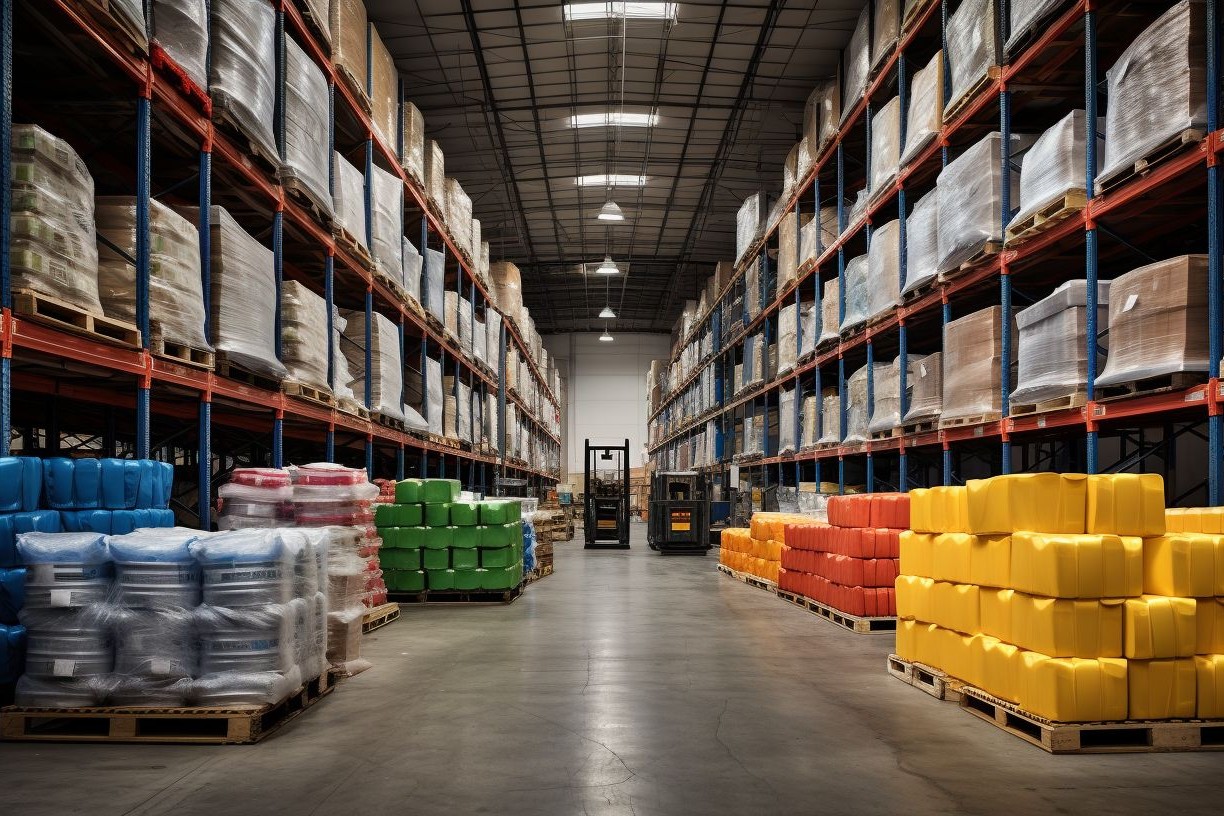
Supply chain bottlenecks occur when there’s a point of congestion in the series of processes that goods go through from manufacturer to consumer. Imagine it as a traffic jam on a busy highway; everything comes to a slow roll or even a standstill.
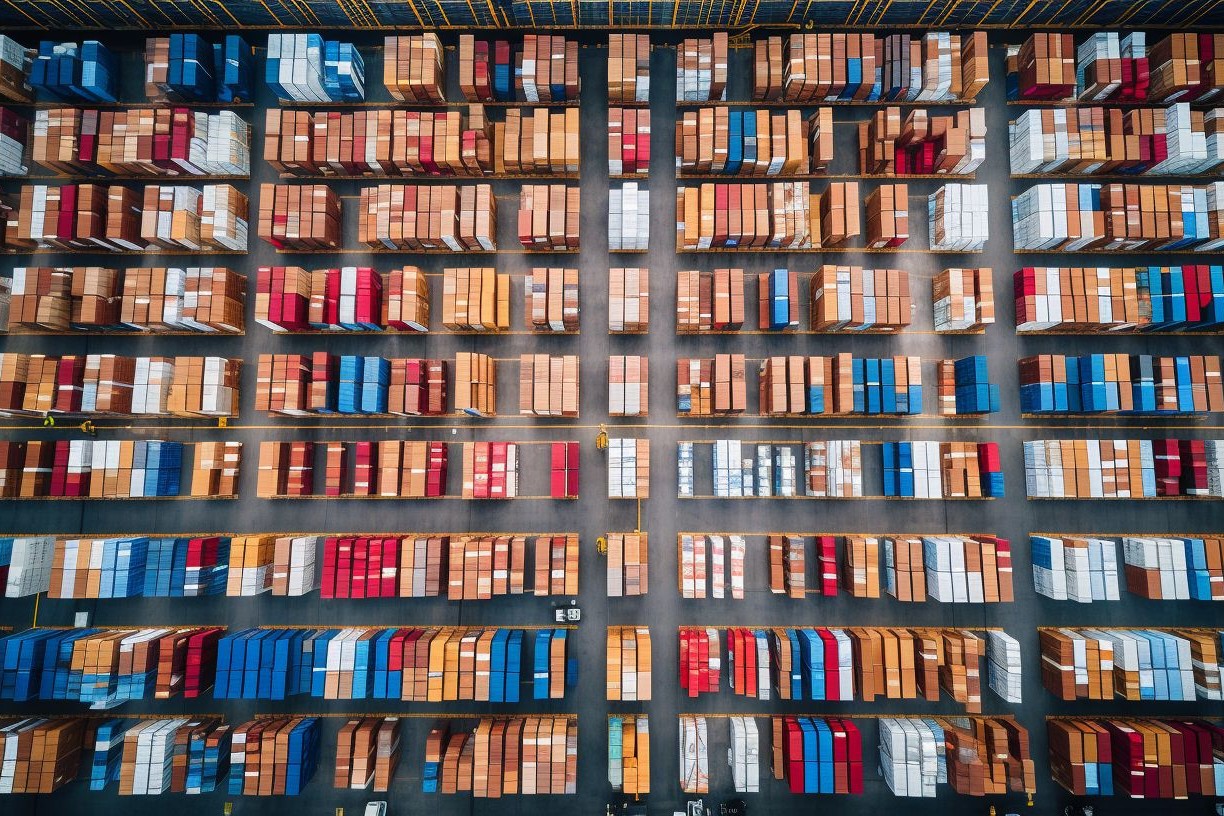
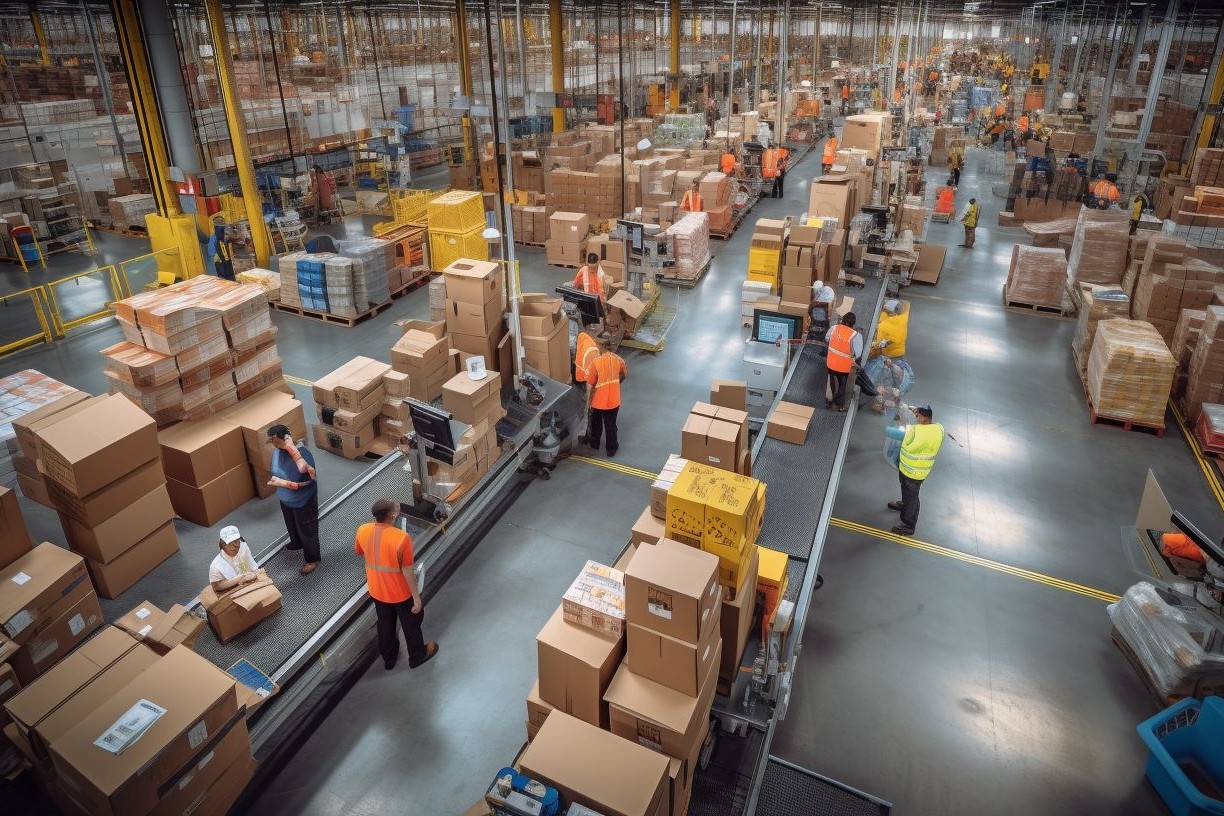
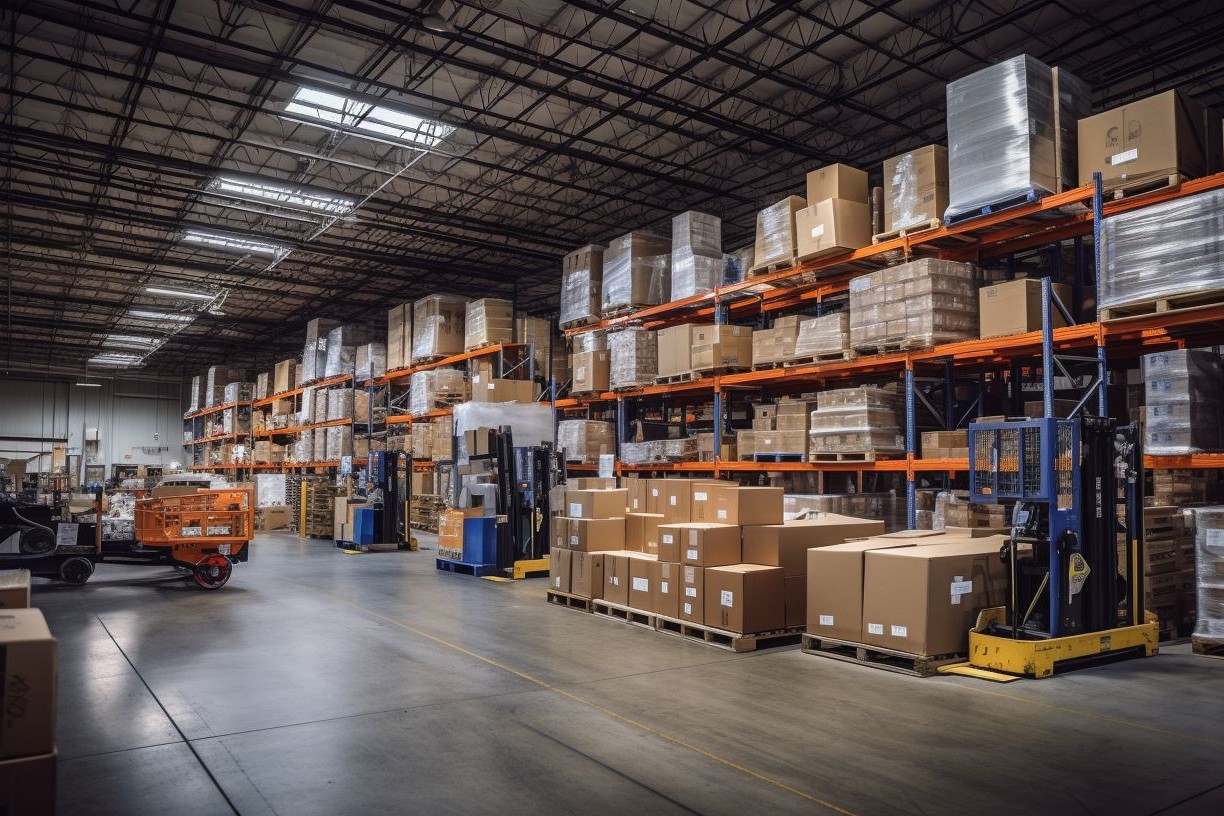
At these critical junctures, flow is restricted -maybe because there are not enough truck drivers to transport goods, warehouses reach capacity, or production lags due to machine breakdowns.
These choke points can lead to delayed deliveries and increased costs for businesses trying to meet customer demands efficiently. The covid-19 pandemic highlighted how vulnerable global supply chains are, with disruptions causing ripple effects felt across industries.
Dealing with such bottlenecks requires robust supply chain management strategies that ensure reliability and resilience against unexpected shocks like natural disasters or economic shifts.
Identifying the Root Causes of Supply Chain Bottlenecks

Identifying the root causes of supply chain bottlenecks demands a comprehensive analysis across various facets of operations. From sourcing intricacies to logistical hurdles, each factor plays a pivotal role in the seamless flow or disruption of goods and services along the value chain.
Dependency on Limited Suppliers
Relying on a small number of suppliers puts companies at significant risk. The shockwaves from the 2011 Tohoku earthquake, for instance, exemplify how such dependencies can lead to widespread economic disruption when key automotive microcontrollers were in short supply.
This resulted in a staggering 13% drop in global vehicle production output. Moreover, throughout the COVID-19 pandemic, 80% of manufacturers experienced severe disruptions due to similar vulnerabilities.
Business leaders must recognise these risks and strive towards creating more resilient supply chains by diversifying their supplier bases. By broadening your network of suppliers, you not only reduce the likelihood of bottlenecks but also position your company to better handle future crises or disruptions that may arise.
A diverse portfolio of suppliers ensures continuity and stability, enabling businesses to meet demands even when unpredictable events occur on a global scale.
Inadequate Inventory Management
Moving beyond the risks of limited supplier options, let’s address another critical challenge: inadequate inventory management. Failing to maintain the right levels of stock can lead to severe bottlenecks, crippling your ability to meet demand and fulfill orders efficiently.
Supply chain disruptions are often exacerbated when businesses lack precise demand forecasting, resulting in either excess inventory that ties up capital or stockouts that erode customer trust.
Effective inventory management systems are crucial for directors aiming to streamline operations. They help balance safety stock with market demands, preventing overstocking while ensuring products are available when customers need them.
Utilising advances in cloud computing and artificial intelligence can transform how you track and manage inventory, offering real-time visibility into supply levels across different warehousing locations.
With these tools at hand, you’re better poised to simulate various scenarios and preemptively tackle potential supply chain issues before they escalate into full-blown crises.
Poor Visibility and Communication
Tightly linked to the inventory management system is the critical issue of poor visibility and communication within supply chains. Lack of clear information flow between departments, suppliers, or distribution centres can lead to significant disruptions.
With ineffective communication channels, detecting and addressing bottlenecks becomes a challenge, ultimately impacting the agility and responsiveness of your operations.
A robust system for real-time information sharing ensures that every link in the supply chain data mine has access to accurate data on inventory levels, demand forecasts, and shipment tracking. Embracing modern technologies such as cloud hosting and big data enables directors like you to have precise control over supply chain activities.
Improved visibility paired with effective communication strategies minimises misunderstandings and equips businesses with the tools necessary for swift decision-making in today’s fast-paced market environment.
Inflexible Production Capacity
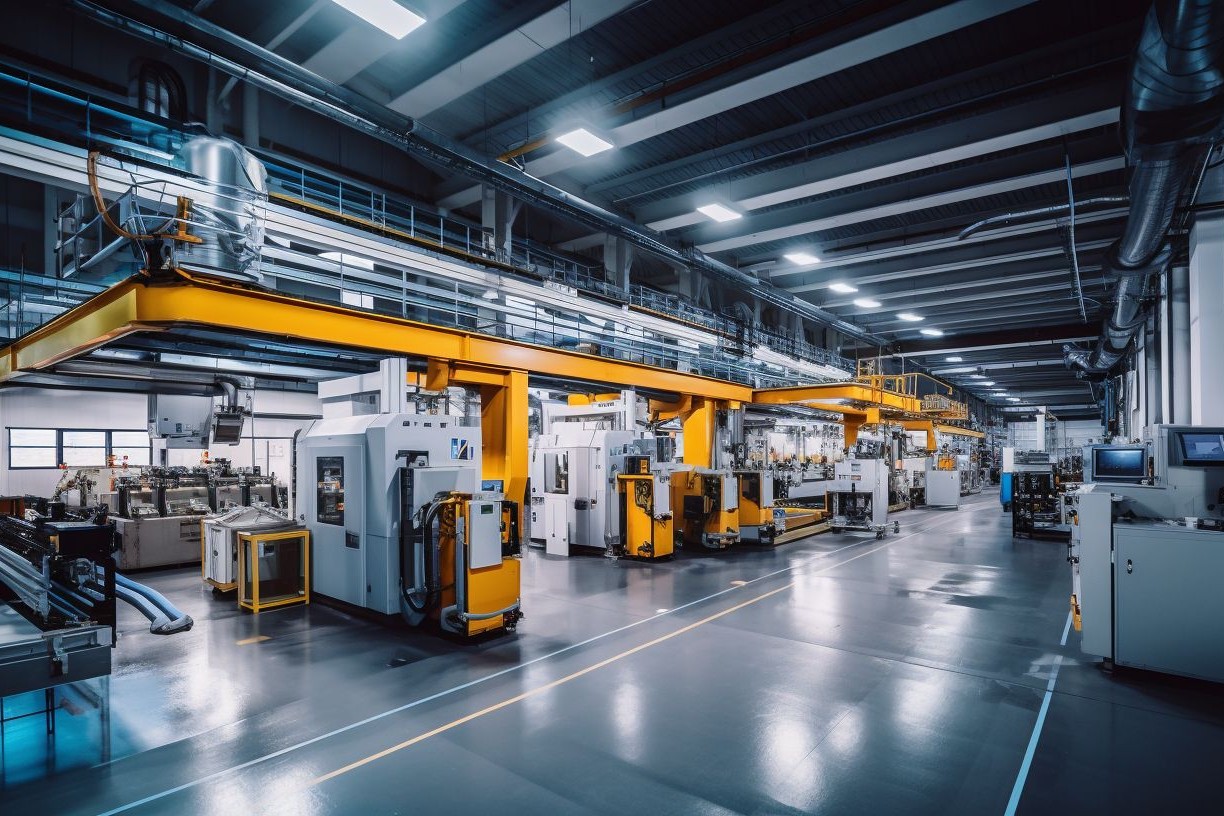
Inflexible production capacity often acts as a significant brake on the efficiency of supply chains. Factories and producers sourcing from raw material shortages and materials that struggle to adjust their output in response to fluctuating demand can cause delays and stock-outs, undermining both profitability and customer trust.
Even robust operations management practices may falter when rigidity in the production processes leads to inefficiencies.
To mitigate such issues, companies must integrate flexibility into their manufacturing processes. This enables them to ramp up or scale down production swiftly according to the shifts in market needs – a vital capability for staying competitive in dynamic markets.
Addressing this inflexibility is not just about investing in new machinery; it’s equally about refining workflow strategies and adopting technologies like artificial intelligence (AI) that empower rapid decision-making based on real-time data analytics.
Transportation and Infrastructure Constraints
The efficiency of global supply chains heavily relies on robust transportation systems and sound infrastructure. Crumbling roads, inadequate ports, and aging railways can create critical bottlenecks that stymie the flow of goods, leading to delayed order fulfilment, increased freight costs and compromised lead times.
Directors must acknowledge these physical barriers as they plan for streamlined logistics operations.
To counteract such constraints, analytics play a pivotal role in preemptive planning. By continually monitoring key performance indicators related to transportation – like on-time delivery rates – companies gain insight into potential disruptions before they escalate into full-blown crises.
Quick response strategies become feasible with this level of oversight, enabling businesses to maintain an uninterrupted supply chain despite underlying infrastructural challenges.
The Impacts of Supply Chain Bottlenecks on Businesses

Supply supply chain pressures and bottlenecks can reverberate through every aspect of a business, often resulting in severe operational and financial upheaval. The ramifications are multi-faceted, affecting everything from production timelines to market competitiveness, with profound knock-on effects on both upstream and downstream activities.
Challenges for E-commerce Sellers
E-commerce sellers grapple with the direct impact of supply chain disruptions on their ability to fulfill orders, often resulting in diminished customer satisfaction. Small hiccups in logistics can escalate into major setbacks, leaving businesses scrambling to meet demand and maintain service quality.
These entrepreneurs must contend with labour shortages and carrier disturbances as well as broader challenges like global crises and natural disasters. All these factors can lead to significant shipping delays, upset customers, and revenue loss.
To stay ahead, effective strategies are vital for e-commerce players. They need reliable partnerships with suppliers, balanced inventory levels, and robust contingency plans ready for unexpected disruptions.
Agility becomes a cornerstone; swift adaptation to change determines survival in this cutthroat online marketplace. As we explore the effects of such bottlenecks on customer satisfaction next, it’s clear that maintaining strong communication channels is essential for managing expectations during periods of unpredictability.
Effects on Customer Satisfaction and Expectations
Supply chain bottlenecks disrupt the smooth journey of products from manufacturers to customers, often leaving consumers frustrated with delayed deliveries. This frustration can tarnish a brand’s image and lead buyers to seek alternatives, potentially resulting in reduced customer loyalty and trust.
In today’s fast-paced market, customer expectations are high; they demand quick, reliable service and transparent communication about their orders’ status. Interruptions in the supply chain not only test their patience but also force businesses to re-evaluate and adjust their sales and operations plans frequently.
The ripple effect of these bottlenecks extends beyond immediate inconvenience. Long-term implications include altering consumer behaviour as shoppers become accustomed to unpredictability or look for brands that consistently overcome logistical hurdles.
To stay competitive, companies must prioritise supply chain agility, ensuring that each touchpoint is optimised for speed and efficiency while maintaining data quality at every stage.
The next step involves navigating current and future supply chain volatility, a crucial concern for every director looking ahead in an unpredictable global market landscape.
Navigating Current and Future Supply Chain Volatility

In the dynamic landscape of today’s complex supply chains everywhere, businesses face unprecedented volatility that requires a deft and informed approach. Mastery in this area empowers organisations not only to withstand current fluctuations but also to strategically position themselves for future shifts and challenges in the marketplace.
The Evolution of Supply Chain Bottlenecks from 2020 to Present
Since the onset of the pandemic, supply chain bottlenecks have become a major hurdle for businesses worldwide. In early 2020, sudden factory shutdowns and trade restrictions led to severe disruptions.
Directors witnessed how swiftly raw materials became scarce and production lines ground to a halt. International shipping faced its own chaos with port congestions, container shortages, and once bustling trade routes reduced to trickles.
Moving forward, companies grasped the necessity for agility in their supply chains as new challenges emerged. Labour shortages cropped up globally while e-commerce demands surged, causing further strain on logistics networks.
Focused on overcoming these obstacles, businesses turned towards regionalisation strategies and digital transformation of processes to gain better visibility and resilience against future volatility.
Enhanced risk management became a top priority as unexpected events like the Suez Canal blockage laid bare just how fragile our interconnected supply systems can be without robust safeguards in place.
Anticipating Future Trends and Challenges
As directors, foreseeing future trends and addressing potential challenges is pivotal in steering your supply chains towards resilience. Advancements in technology such as machine learning and data science will become increasingly indispensable by offering precise insights that enhance supply chain performance and visibility.
Embracing these technologies allows for proactive identification of measuring supply chain bottlenecks before they escalate into crises. The global supply chain bottleneck may shift, influenced by factors like labour shortages or geopolitical events; being prepared with a robust risk assessment framework can mitigate the impacts.
Diversifying suppliers emerges as a strategy to hedge against overreliance on single sources, which has historically led to severe bottlenecks. Innovating your approach with tools like warehouse management systems will be crucial in adapting to fluctuating consumer demand patterns and streamlining processes within distribution channels.
Continuous training and development ensure teams stay ahead of curve with updated skill sets that match evolving industry demands, turning potential setbacks into opportunities for productivity growth.
Innovative Solutions for Supply Chain Bottlenecks
In the quest to alleviate supply chain constraints, a suite of innovative solutions is being deployed by companies worldwide. These strategies harness cutting-edge technologies and methodologies to enhance supply chain improvements and operational resilience and streamline the flow of goods from manufacturer to market.
Leveraging Data Analytics for Better Forecasting
Harnessing the power of data analytics transforms forecasting within supply chains, making it a vital tool for directors seeking precision and foresight in operations. Data-driven insights enable businesses to predict market trends, anticipate demand, and efficiently allocate resources.
By implementing data standards across different stages of the supply chain, organisations minimise and identify bottlenecks through enhanced communication. This approach not only bolsters visibility but also contributes significantly to reducing operating costs.
Data analytics serves as a beacon for navigating the complex terrain of modern supply chains. It empowers companies to mine business data and move from reactive problem-solving to proactive strategising.
Real-time analysis of key performance indicators (KPIs) provides invaluable intelligence that supports decision-making at every level – from procurement through last-mile delivery.
With such tailored information at their fingertips, leaders can steer their teams toward more informed choices and foster resilience against future disruptions.
Implementing Automation and Low-Code Platforms
Implementing automation can transform how a supply chain operates, slashing the time it takes to complete tasks and significantly reducing human error. Many companies are now embracing low-code platforms which allow for the rapid development of custom solutions without needing extensive technical expertise.
These tools provide businesses with the agility to quickly adapt their processes in response to changes in demand or disruptions.
By utilising low-code platforms, firms can create applications that enhance visibility across their operations while integrating seamlessly with existing systems. This increased transparency enables decision-makers to act on real-time data and optimise every part of the supply chain from inventory levels to delivery schedules.
The next step focuses on enhancing supply chain agility and flexibility, crucial elements for staying ahead in today’s fast-paced market environment.
Enhancing Supply Chain Agility and Flexibility
Building on the momentum of automation, enhancing supply chain agility and flexibility stands as a vital strategy. Companies must pivot quickly in response to market shifts, employing tools to manage delivery logistics with greater precision.
This adaptability ensures operations can surge or scale back at a moment’s notice, safeguarding against any delivery delays, and stock shortages.
To maintain this nimble approach, businesses are turning to advanced forecasting methods bolstered by data analytics. With insights into consumer patterns and potential disruptions, they can prepare inventory effectively to meet demand without overstocking.
By embracing these agile practices, directors steer their supply chains toward resilience in an ever-changing economic landscape.
Diversifying Suppliers and Strengthening Partnerships
Establishing a broad base of trusted and reliable suppliers, is essential for navigating supply chain challenges effectively. Directors should focus on building relationships with multiple distributors to ensure continuity and flexibility in their supply chain operations.
This approach not only reduces dependency on any single supplier but also opens up avenues for more competitive pricing and access to a wider range of products. Encouraging strong, collaborative partnerships can lead to shared innovation, helping businesses stay ahead in a rapidly evolving marketplace.
Fostering these strategic alliances requires clear communication and shared objectives. Prioritise transparency with your partners; this cultivates trust and enables quicker resolution of issues as they arise.
Regularly review partnership performance against set goals to ensure mutual benefit and adapt strategies as necessary to meet customer demand. By diversifying suppliers and fortifying these key relationships, companies will experience increased demand and fewer bottlenecks, leading to cost savings, improved delivery timescales, and ultimately an enhanced service for the customer.
Upgrading Technology for Real-Time Visibility
Investing in advanced technology is key for businesses seeking to mitigate or prevent supply chain bottlenecks. Real-time visibility systems offer up-to-the-minute insights on inventory levels, shipment tracking, and operational performance.
Such systems empower decision-makers with the information needed to respond swiftly to disruptions or changes in customer demand. This form of enhanced oversight can lead to more efficient resource allocation and better-informed strategic planning.
Ecommerce players employing real-time technology gain a competitive edge by being able to predict issues before they escalate into full-blown bottlenecks. They’re equipped with tools that enable proactive adjustments, reducing the risk of stockouts or overstock situations that can tie up capital unnecessarily.
These upgrades are essential not just for resolving current challenges but also for preparing for future uncertainties within the ecommerce landscape.
Proactive Measures to Prevent Future Bottlenecks
In the realm of supply chain management, foresight is key to resilience. Proactive measures are the linchpin in transforming potential chaos into a well-oiled machine, ensuring that businesses stay not just afloat but ahead of the curve when faced with unforeseen disruptions.
Strategic Inventory Management
Strategic inventory management is the backbone of a resilient supply chain. It ensures ecommerce businesses can adapt swiftly to market dynamics, like those highlighted in recent McKinsey studies focusing on resilience through risk management and digitisation.
Smart stock control means having just enough buffer stock to respond to demand spikes without tying up too much capital.
Employing cutting-edge technology for strategic inventory management empowers directors with real-time inventory visibility back into their stocks. This leads to better forecasting, efficient reordering processes, and reduced overstock or stockouts risks.
Crucially, it becomes easier to sidestep potential bottlenecks that could stifle business growth or customer satisfaction. With a firm grip on inventory levels, directors can drive streamlined operations across all touchpoints – from suppliers through the production line and lines down to the end consumer.
Streamlining Scheduling and Production
Efficient scheduling and increasing production capacity are vital for overcoming supply chain bottlenecks, ensuring that operations remain agile in response to demand fluctuations. Companies that optimise their production schedules can reduce wait times and prevent inventory pile-ups.
This approach requires dynamic planning tools capable of responding to real-time data, allowing businesses to adjust quickly as market conditions change. By streamlining these processes, directors can mitigate risks associated with overreliance on specific suppliers or transportation delays.
Adopting advanced technologies in manufacturing plays a crucial role in refining both scheduling and production workflows. Automation not only enhances precision but also boosts processing power production efficiency, leading to increased throughput with fewer errors.
In addition, by integrating innovative software solutions for project management, businesses gain a clearer picture of their operations across multiple sites and time zones. These systems facilitate clear communication between departments while mapping out the most efficient pathways for product creation and delivery – an essential factor particularly highlighted during the coronavirus pandemic as customer expectations continue to evolve rapidly.
Contingency Planning and Risk Management
Contingency planning forms the backbone of a resilient supply chain, allowing businesses to respond quickly to disruptions. It’s critical for directors to instill robust risk management protocols that prepare for unforeseen events like those in 2020 and beyond.
Effective strategies may include establishing alternative routes and backup suppliers, ensuring operations can continue with minimal impact. This preparedness is not just about having a plan B; it involves regular scenario planning exercises, stress-testing the supply chain against potential risks such as natural disasters or sudden market shifts.
Risk management requires vigilance – monitoring for warning signs of bottlenecks before they escalate into crises. Directors should leverage data analytics tools to gain insights into potential vulnerabilities within their supply chains.
Harnessing this intelligence enables timely decision-making, turning impending disruptions into opportunities for innovation and strengthening partnerships with reliable third parties who can provide additional support during challenging times.
Moving from risk mitigation, we next explore how investing in employee training and technology adoption furthers strengthens the ability to navigate future challenges.
Investing in Employee Training and Technology Adoption
Investing in employee training and development is vital to empower your supply chain teams with the skills and knowledge they need to perform optimally. High-quality training programmes close skill gaps and ensure that staff can manage advanced technologies efficiently, leading to smoother operations across your company.
As directors, it’s important to champion continuous learning within your teams, as this lays the foundation for innovation and dynamic problem-solving.
Embracing technology adoption goes hand-in-hand with skilled personnel. Supply chain management SaaS platforms are cutting-edge solutions that companies can leverage to enhance efficiency and reduce inventory related bottlenecks, significantly.
Effective communication tools integrated within these technologies facilitate seamless collaboration among stakeholders, streamlining supply chain processes from production to delivery. By prioritising state-of-the-art tech investments alongside comprehensive staff training, you position your business at the forefront of overcoming supply chain challenges swiftly and effectively.
Conclusion: Transforming Bottlenecks into Breakthroughs
Navigating supply chain bottlenecks need not spell disaster for businesses. Creative strategies and robust solutions turn potential crises into opportunities for innovation and growth. Establishing agile practices ensures companies can adapt to changes swiftly, maintaining a competitive edge.
Focusing on flexibility, foresight, and fortitude empowers organisations to navigate complex supply chain challenges successfully. Indeed, the journey from bottleneck to breakthrough paves the path for a resilient commercial future.
FAQs
1. What are supply chain bottlenecks?
Supply chain bottlenecks occur when there’s a delay or blockage in the production process, causing slowdowns in getting products to consumers.
2. How do supply bottlenecks affect businesses like Apple and automakers?
Bottlenecks can cause delays for big companies such as Apple with their Mac computers or automakers waiting on parts, which may lead to bottleneck inflation due to increased production costs too.
3. Can automating processes help overcome supply chain issues?
Yes, using automation can speed up slow steps and work with third-party logistics providers to smooth out problems in the whole supply chain process.
4. What role did online shopping play during the supply chain crisis?
The surge in online shopping put extra pressure on logistics networks like USPS leading to more bottleneck effects during periods of social distancing.
5. How might visualisation tools assist companies dealing with stuck shipments, like those in the Suez Canal incident?
Visualisation helps companies track where goods are stuck, like when ships were delayed in the Suez Canal or after a nuclear accident, allowing them to make smarter routing decisions.
And there's more...