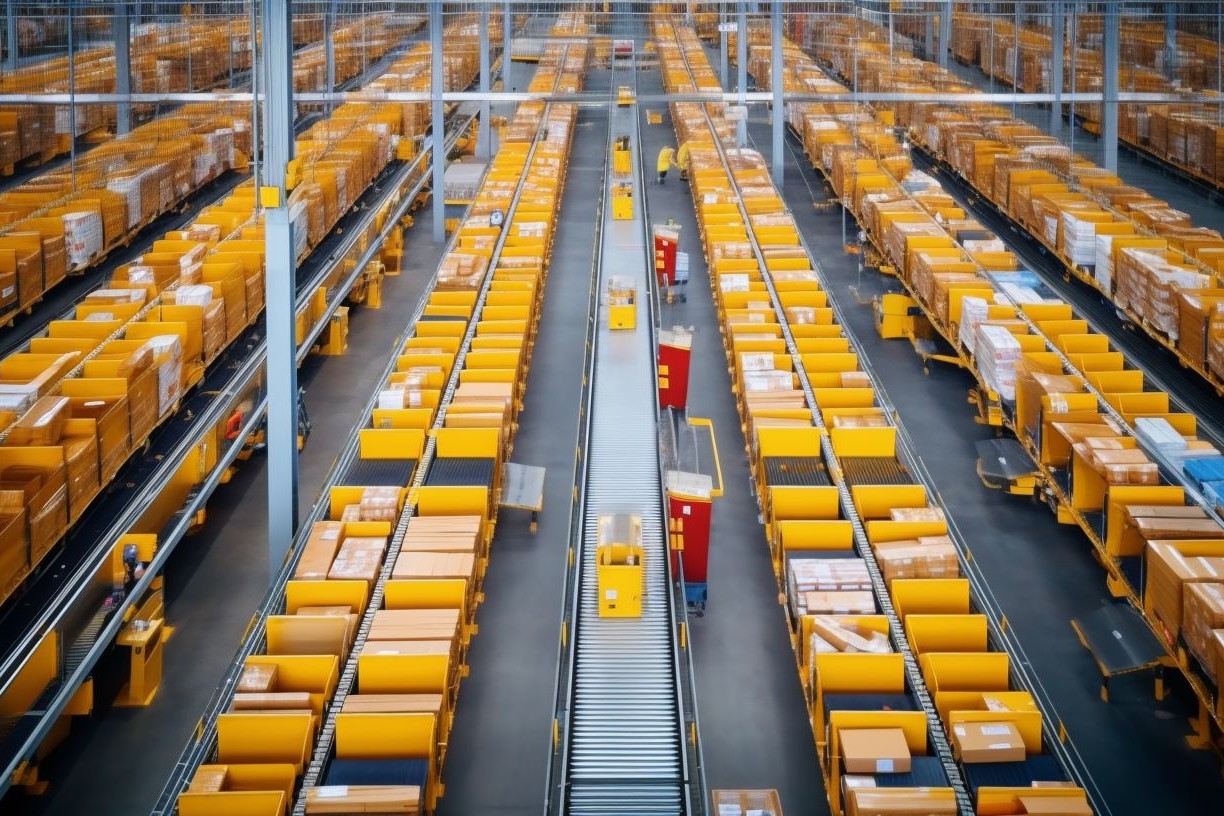
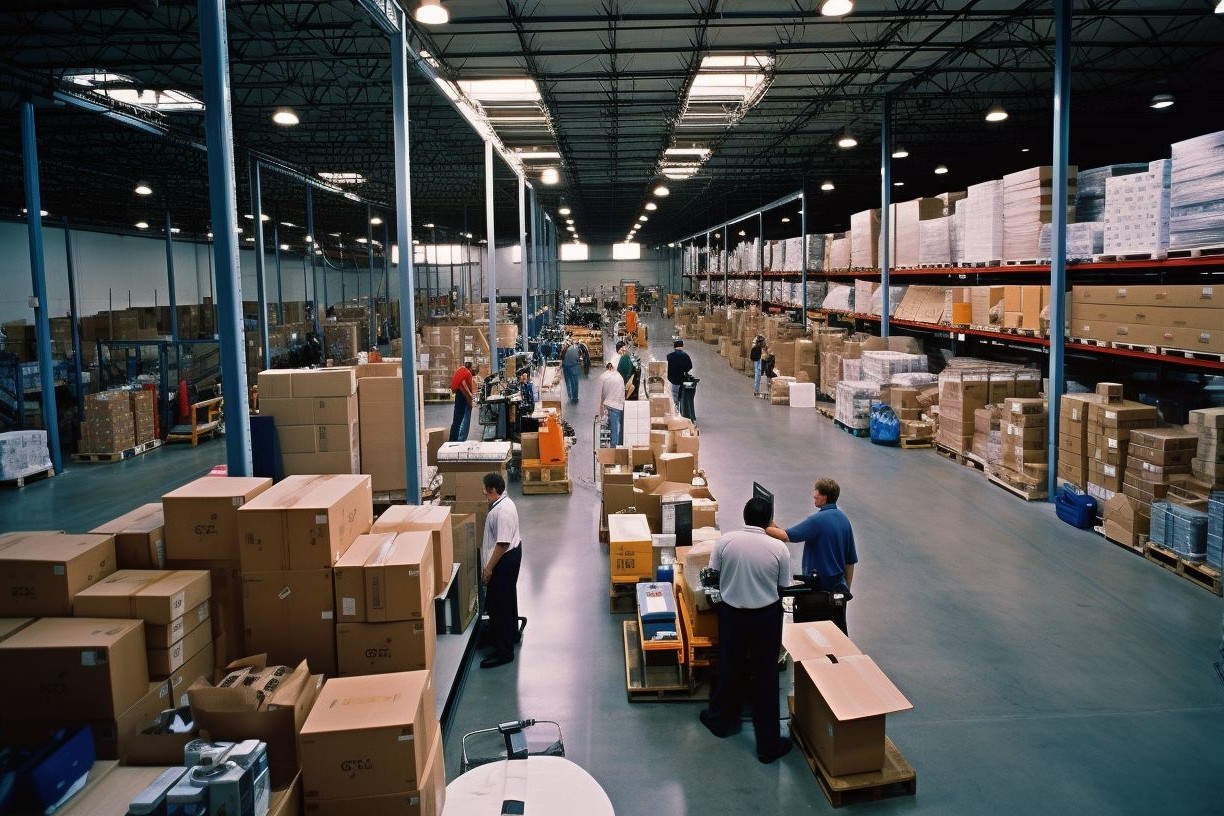
Efficient warehouse operations are critical for meeting today’s rapid fulfillment demands. A top warehouse worker and well-orchestrated pick and pack process can make or break your delivery times and customer satisfaction.
This guide offers a treasure trove of strategies to streamline your picking and packing process effectively, ensuring orders fly out the door accurately and efficiently. Dive in for transformative insights!
Key Takeaways
Invest in barcode and RFID scanners to reduce errors and speed up the picking process; these tools provide real-time data that is crucial for inventory accuracy.
Implement mobile shelf – based order pick systems; robots can bring items directly to workers, cutting down on walking time and increasing efficiency.
Use pick and pack software to integrate various aspects of warehouse operations into a single platform, automating inventory management across sales channels.
Arrange stock according to sales figures, positioning high – demand items closer to packing stations for faster order fulfilment.
Consider different picking methods such as batch or zone picking based on your warehouse’s specific needs; this tailors the workflow to maximise productivity and minimise wasted time.
Understanding Pick and Pack
‘Pick and pack services are an essential part of warehouse operations, streamlining the journey of products from shelves to customers. It starts with selecting the ordered items – ‘picking’ , directly from their storage locations throughout the warehouse.
Typically each item gets a barcode scan to ensure accuracy before moving on to the packing station; the ‘packing’ phase order the packing station, where it’s carefully placed into a shipping box or envelope. Packing into appropriate packing materials come next; employees use bubble wrap, packing peanuts, or paper to protect items during transport.
The science behind these pick and pack operations lies in precision and speed; technologies like bar code scanners and inventory management software play significant roles here. They help staff quickly locate goods using data from Warehouse Management Systems (WMS), eliminating errors and saving valuable time.
Pick and pack fulfilment processes are evolving continuously with advancements such as robotic picking systems, pick and pack packing methods, AI-driven logistics and warehouse management software, pushing warehouses towards greater efficiency for order pick and pack fulfilment process.
Importance of Picking and Packing in Warehouse Operations

Having delved into the fundamentals of the pick and pack order fulfillment process, we now turn our attention to its critical role in warehouse operations. The efficiency of the warehouse picking and the order packing process effectively and directly influences order accuracy, which is paramount for customer satisfaction and repeat business.
A single error in this stage of pick and pack fulfillment process can cause a ripple effect, leading to returns, additional shipping costs, and damage to your brand’s reputation. Furthermore, with ecommerce businesses booming, consumers expect their orders swiftly; streamlining your warehouse or fulfillment center’s own pick and pack process fee back-and-pack system is essential to meet these demands for speedy delivery.
Picking and packing are not just about getting products off shelves; it’s an art that requires precision and a well-thought-out strategy. Effective management here ensures that items are handled minimally, thus reducing the potential for damage while also maximising productivity.
Warehouses leveraging advanced technologies like barcode scanning or voice picking systems see considerable reductions in time per order – a key performance indicator (KPI) in logistics metrics.
Investing appropriately in these areas can make all the difference between lagging behind or staying ahead of market expectations – making it clear why prioritising the most efficient route for picking and packing processes isn’t just beneficial but crucial for success.
Picking and Packing Methods

Understanding the nuances of different pick and pack methods can revolutionise your warehouse operations; let’s delve into how each technique optimises productivity and accuracy.
Piece picking
Piece picking streamlines the whole of order picking, packing and fulfilment process by targeting items located together, cutting down ‘dead time‘ and enhancing efficiency. This method of order picking and order packing methods is particularly beneficial for smaller operations that focus on quick turnaround times and managing fewer SKUs.
Implementing piece picking can lead to a more efficient path organised warehouse workflow with faster completion of customer orders.
It’s crucial for businesses to evaluate their size and demands when choosing between both pick and pack methods.
Batch picking
Batch order picking also stands out as a strategy that amplifies efficiency in order-picking operations. Directors take note: implementing this same order batch order batch picking method means warehouse workers collect items for multiple orders simultaneously.
This approach not only trims down the walking time which often hampers productivity but also minimises “dead time”, a common bottleneck in less optimised warehouse systems. Picked items are then sorted into individual orders, streamlining the entire fulfilment process.
Leveraging batch picking can lead to impressive gains in throughput and accuracy, particularly when integrated with advanced technologies such as mobile barcode scanners. These tools help ensure each item is correctly accounted for, thereby increasing order accuracy rates while significantly reducing mis-picks.
With systems like these in place, warehouses can boost their operational tempo and keep pace with the relentless demands of modern e-commerce platforms and supply chains.
Zone picking
Zone picking method enhances the efficiency of the order fulfilment process considerably. It involves assigning warehouse staff to specific sections or ‘zones’ where they are responsible for picking items within that area only.
This segmentation means if an order includes products from multiple zones, employees pass along the partially completed order to their counterparts in the next zone until all items are collected.
Imagine a relay race where speed and precision matter – that’s what zone picking is like in a bustling warehouse environment. Instead of one picker traversing the entire warehouse floor, each team member stays within their designated area.
They hand off customer orders almost seamlessly from one zone to another as they complete their part of the pick process. This method not only speeds up operations but also cuts down on potential errors since pickers become highly familiar with their assigned zones and associated products.
Wave picking
Transitioning from the focused approach of zone and batch picking; wave picking takes efficiency a step further by merging the best aspects of the pick and the pack method and methods and of piece and batch picking. This method allows warehouse teams to organise their efforts into concentrated periods, tackling orders with shared characteristics in one go.
The wave picking method optimises workflows by grouping similar orders together; this strategic alignment results in fewer trips across the warehouse floor and accelerates the overall pick-and-pack cycle.
Implementing wave picking can significantly ramp up order fulfilment speeds and accuracy. Scheduled at specific times, it directs employees to collect items for multiple orders simultaneously, cutting down on idle time between tasks.
By minimising item touches and streamlining processes, businesses experience condensed operational cycles that enhance productivity while maintaining high levels of order precision.
Wave picking proves an invaluable strategy for directors aiming to balance swift customer service with smart inventory management.
Best Practices for Warehouse Setup

In the realm of the various warehouse management software systems, crafting an effective setup is not just recommended, it’s essential for streamlined operations. Implementing best practices can significantly save money, enhance efficiency and boost throughput by optimising space utilisation and reducing unnecessary movement appropriate packing materials.
Chaotic inventory management
Chaotic inventory management system might sound counterintuitive at first, but it’s a strategic approach that can streamline warehouse operations. This method involves storing products in a non-sequential order, which leads to a significant reduction in human error and rates during the pick and pack process.
It leverages high-tech systems to track and locate items, ensuring that even though the storage seems disorganised, every item is accounted for with precise detail.
Embracing this system means using sophisticated software and automated tools that offer real-time insights into stock levels and reorder timings. With more than 90% of warehouses adopting Warehouse Management Systems (WMS) by 2018, the move towards technology-driven chaotic systems is clear evidence of their effectiveness.
These systems allow directors to have an up-to-date overview of inventory at all times, eliminating inefficiencies associated with traditional inventory storage methods and pushing forward operational excellence in packing slips generation, labelling accuracy and overall distribution and fulfillment center performance.
Volume and class-based inventory management
Volume and class-based inventory management tailors inventory storage and solutions to match the frequency and quantity of your items. By organising stock in this way, products are categorised based on their pick volume and type – whether they’re high-turnover goods or slower-moving ones.
High-volume items get prime space for quick access, while less frequently picked goods can be stored further away. This system works hand-in-hand with chaotic storage, leveraging randomness to optimise space utilisation but maintaining order where it counts for efficiency.
Incorporating a Warehouse Management System (WMS) into this blend of organisation methods boosts accuracy and streamlines operations even more. With over 90% adoption rates since 2018, WMS have proven critical in revolutionising how inventory is managed; from guiding workers through the warehouse maze to swiftly locating products for pick and pack duties.
These systems aid businesses in keeping pace with customer demands by ensuring that popular items are always at hand and ready to ship, supporting a steady flow of orders without delay or confusion.
Mobile shelf-based order pick systems
Mobile shelf-based order pick systems revolutionise the traditional order picking and order shipping process in warehouses. These innovative warehouse picking systems deploy robots to transport shelves of products directly to order pickers, thereby streamlining the workflow of warehouse worker.
This approach not only increases efficiency by reducing walking distances but also maximises space utilisation and speeds up the overall the picking process and pack operations.
Implementing such robotic solutions in your warehouse pick and pack procedures can lead to significant gains in productivity. With less time spent moving between aisles, workers can focus on selecting items with greater accuracy, cutting down on fulfillment times and enhancing customer satisfaction levels.
As directors looking to push the boundaries of operational excellence, embracing mobile shelf-based technology is a smart strategic move towards future-proofing your distribution centre’s capabilities.
Key Equipment for Efficient Picking and Packing
Investing in the right tools, such as modern scanners and automated systems, is crucial for streamlining warehouse operations—discover how these technologies can revolutionise your picking and packing process.
Bar code scanners
Bar code scanners play a pivotal role in streamlining the pick and pack order fulfillment process within your warehouse operations. These devices offer a quick way to verify products against orders, drastically cutting down on errors and enhancing overall efficiency.
They provide real-time data for inventory management systems, ensuring that stock levels are always accurate and up-to-date. As directors seeking to push the limits of productivity and accuracy in order processing, integrating bar code technology into your operations is an astute move.
Equipped with barcode scanners, workers can effortlessly capture information about each item during the picking phase. This seamless integration not only propels zone picking and wave picking methods but also fosters significant time savings by preventing mispicks—a crucial aspect considering its impact on customer satisfaction and return rates.
With tools like Sendcloud’s Item Packing feature that utilises scanned data for an additional packing check before generating shipping labels, you ensure every package leaving your facility contains precisely what your customer ordered.
RFID scanners
RFID scanners play a pivotal role in streamlining the pick and pack process within warehouses. These devices can dramatically increase efficiency by automating the identification and tracking of items as they move through your already good inventory management system.
Unlike traditional barcodes that must be individually scanned, RFID technology allows multiple tags to be read simultaneously, without line-of-sight requirements, which speeds up operations and minimises errors significantly.
Equipping your team with RFID scanners ensures quick data capture and helps maintain real-time inventory accuracy. They facilitate better decision-making based on precise asset locations and quantities, leading to improved order fulfillment rates.
With these gains in productivity and precision, warehouse directors can focus on scaling their distribution strategies effectively. Moving forward from RFID technology integration, voice picking systems emerge as another innovative tool revolutionising warehouse operations.
Voice picking systems
Voice picking systems are transforming the efficiency of many warehouse picking and packing operations, offering a hands-free alternative to traditional methods. With a headset and microphone, pickers receive spoken instructions directly to their earpiece, ensuring they can move quickly through tasks without constantly checking hand-held devices or paper lists.
This innovation not only speeds up the picking process but also reduces errors significantly, as the system confirms picks audibly in real-time.
These systems integrate seamlessly with your existing, warehouse management system and software, guiding workers to the correct location using the shortest and most efficient route possible. They enable staff to confirm stock keeping units (SKUs) and quantities vocally, allowing them to keep their eyes on the inventory and their hands free for handling products.
The direct result is a noticeable jump in productivity and accuracy, essential factors for maintaining competitive edge in today’s fast-paced market where quick order fulfillment is critical.
Robotic picking systems
Robotic and warehouse picking and packing systems have transformed the landscape of warehouse operations, offering precise and swift handling of goods. These advanced machines are equipped with cutting-edge technology such as AI and machine learning, empowering them to identify, sort, and pack products with remarkable accuracy and speed.
Their integration into warehousing has led to a surge in productivity by minimising errors and reducing the time taken for order fulfillment.
Deploying these automated marvels is now essential for keeping pace with the demands of e-commerce platforms and ensuring customer satisfaction through rapid delivery services. The Mobile Shelf-Based Order Pick Systems (MSOP) push innovation further by having robots not just pick but also deliver entire shelves to workers, streamlining the process significantly.
With their ability to operate continuously without fatigue, robotic systems are indispensable tools in achieving 24/7 operational efficiency and enhancing overall performance metrics within distribution centers.
Strategies for Improving Picking and Packing Efficiency
Efficiency in warehouse and pick and pack operations is fundamental to the success of your logistics and overall customer satisfaction. Implementing strategic measures can significantly down labour costs and enhance the speed and accuracy of your warehouse systems pick and pack processes, leading not only to better resource management but also to an improved bottom line.
Dedicate a bin location to each SKU
Organising your warehouse shelves with a specific bin location for each SKU streamlines the picking process and slashes retrieval times. Imagine every item having its own designated spot – this means that pickers no longer have to scan through warehouse shelves full of products to find what they’re looking for and what is pick up.
They can head straight to the correct bin, grab the item, and move on to pick and pack service orders efficiently.
Implementing this strategy not only speeds up order processing but also greatly reduces the chance of errors during the picking process. With each SKU in its own slot, it’s easier to manage stock levels and execute quick inventory checks.
As directors seeking optimal efficiency, assigning unique bin locations is a straightforward step towards tightening control over your inventory flows and enhancing overall warehouse productivity.
Minimise walking time
Efficient, warehouse picking operations hinge on the ability to minimise walking time for pickers, ensuring a quicker and more streamlined, picking and packing process in warehouse itself. Integrating Mobile Shelf-Based Order Pick Systems proves instrumental in this regard, as these automated solutions enable shelves stocked with items to come directly to the workers.
This not only slashes the time spent traversing the aisles but also reduces fatigue and boosts productivity.
Zone picking complements this by strategically organising inventory storage, so employees operate within a specific area all the zones, cutting down unnecessary movement across all the inventory storage in all the zones and entire warehouse floor.
With such measures in place, companies can see a notable uptick in efficiency—a critical advantage in today’s fast-paced market where rapid fulfilment is key. Moving forward, arranging your warehouse based on sales figures further optimises workflows for enhanced order processing speeds.
Arrange your warehouse based on sales figures
Optimising your own warehouse packing and picking layout according to sales figures can dramatically streamline operations. Identify which items move quickly and allocate them positions closer to the packing station stations, cutting down on travel time for your packing station staff.
This method leverages predictive analytics, ensuring that high-demand stock is readily accessible, reducing effort and enhancing productivity.
Use data from your pick and pack software to continuously adapt storage locations as sales trends shift. High-turnover products should take prime position in the warehouse while slower-moving items occupy less critical spaces.
Through this strategic arrangement driven by hard numbers rather than guesswork, you better manage space utilisation, quicken order fulfilment, and keep pace with market demands.
The Role of Pick and Pack Software
Implementing the right software transforms the complexity of pick and pack warehouse operations into a streamlined process, securing accuracy and enhancing productivity—a pivotal upgrade for warehouses aiming to thrive in today’s fast-paced market.
Microsoft Dynamics 365 Supply Chain Management
Dynamics 365 shines as a beacon in the pick and pack fulfilment software arena, offering robust software solutions that streamline your pick and pack fulfilment services and optimise warehouse layout and operations. Directors seeking to leverage technology for improved order fulfilment will find its features tailored for efficient inventory management.
This cloud-based platform integrates seamlessly with popular ecommerce platforms, turning complex data into actionable insights through an intuitive dashboard.
Harnessing Microsoft Dynamics 365 allows businesses to unify their picking and packing processes, thereby accelerating workflows and enhancing accuracy. Mobile barcode scanners link effortlessly with the system, cutting down on errors and bolstering quality assurance across the board.
Thus, it stands out as a tool that not only promises precision but also delivers on speed—key considerations in today’s fast-paced market where same-day delivery is becoming standard.
Measuring Success in Order Picking
In the intricate dance of warehouse logistics, gauging the tempo of your pick and pack performance is essential for fine-tuning operations. Key Performance Indicators (KPIs) act as the choreographers, directing movements towards efficiency by monitoring warehouse picking and packing accuracy, pick and pack methods and order processing times, ensuring each step in the sequence contributes to a harmonious supply chain.
Rate of return
Evaluating the rate of return on your pick and packing operations is vital for sustained profitability. This metric reflects how much value your warehouse activities and labour costs are contributing compared to the investment made.
Directors need to pay close attention to this figure as it directly correlates with bottom-line results.
A solid rate of return signifies efficient use of resources, including both equipment like conveyors and printers, as well as human capital. It indicates that your own warehouse management system is not only preserving but also enhancing asset value over time through optimised pick and pack processes.
Strategic investments in technology such as automated guided vehicles (AGVs) or even outsourcing to a 3PL provider can positively impact this KPI by streamlining operations and improving accuracy, ultimately leading to better financial health for the business.
Picking accuracy
Picking accuracy is the backbone of thriving warehouse operations, directly affecting customer satisfaction and return rates. Ensuring that the correct item reaches the customer requires meticulous attention to detail and effective use of technology.
Pick and pack software emerges as a pivotal tool in this quest for precision, providing real-time data that guides pickers through a fool proof pick and pack process. Implementing such systems can drastically reduce errors, ensuring every order is fulfilled accurately.
Incorporating Mobile Shelf-Based Order Pick Systems (MSOP) also contributes significantly to refining order picking accuracy. This innovation allows for swifter retrieval while simultaneously keeping track of inventory levels.
For warehouses seeking even greater efficiency, partnering with a third-party logistics provider specialises in honing these skills further through their expertise and state-of-the-art equipment.
With practices like rescanning products before they’re packed, businesses solidify their reputation for delivering orders correctly the first time around — an indispensable element in securing long-term success and customer loyalty.
Average order processing time
Shifting focus from picking accuracy to the speed of overall operations, average order processing time emerges as a critical performance indicator. It reflects the total duration from when an order is received until it’s packed and ready for shipment.
This metric captures the efficiency of your warehouse workflows and directly influences customer satisfaction, making it imperative for directors to monitor and optimise.
Efforts to streamline this process often involve integrating advanced pick and pack software that coordinates with inventory management systems. When every minute counts, implementing mobile shelf-based order pick systems can significantly reduce your average handling times.
These AI-driven robots deliver items straight to warehouse packing stations, cutting down on manual search and retrieval time dramatically. Such automation technologies are redefining what rapid dispatch means in today’s fast-paced e-commerce landscape.
Conclusion
Elevate your warehouse packing slip picking operations with the insights from this definitive guide. Implementing cutting-edge methods and technology can revolutionise warehouse picking and packing slip and processes. Tailor equipment choices and software solutions to fit unique business needs, ensuring efficiency soars.
Keep up performance reviews to stay on top of progress while continuously refining tactics for even better results. Unlock the full potential of your logistics with strategic planning and best practices described here.
FAQs
1. What is pick packing in a warehouse?
Pick packing in a warehouse involves selecting items (warehouse or a picking list or pack a picking list itself) from stock based on customer orders and then packaging them for transportation.
2. How can artificial intelligence help with warehouse operations?
Artificial Intelligence (AI), together with Machine Learning (ML), can optimise the picking and packing process by analysing data, improving efficiency, and helping plan strategic actions such as zoning and wave-picking.
3. Can robotics improve the picking and packing process?
Absolutely! Robotics enhance performance in warehouses by assisting with material handling, working alongside humans (human-robot collaboration), reducing the strain of moving heavy machinery like forklifts, and ensuring more accurate order fulfilment.
4. Why are sustainability practices important in pick-and-pack processes?
Sustainability practices focus on using recyclable materials for packaging, energy-efficient systems for operations, which reduce waste and lower costs providing long-term benefits to both businesses and the environment.
5. How does proper training affect picking and packing efficiency?
Well-trained staff have the know-how to handle SKU management accurately, use advanced analytics effectively, take corrective action when needed whilst ensuring high customer experience through excellent order quality control.
6. What role does third-party logistics play in pick-and-pack services?
Third-party logistics providers offer specialised expertise that includes storage solutions on pallets or shelves labelled barcoded items – they manage these tasks allowing companies without access to large-scale warehousing facilities still participate successfully within different markets.
And there's more...