The path medicines take from creation to our cabinets – the pharmaceutical supply chain is a complex process and often unclear. A surprising statistic reveals that, on average, a prescription drug passes through multiple companies before reaching the patient.
Our guide will illuminate this journey, ensuring you understand each twist and turn of the pharmaceutical supply chain. Discover clarity here.
Key Takeaways
Pharmaceutical supply chains involve various stakeholders, including manufacturers who create life-saving drugs and manage pivotal roles in setting drug prices.
Wholesale distributors handle 92% of prescription drugs in the US, while repackagers ensure smaller packages are ready for consumers.
Pharmacies serve as key endpoints in the supply chain by dispensing medications to patients, relying heavily on wholesalers for their stock.
Pharmacy Benefit Managers (PBMs) significantly influence medication costs and access by managing over 70% of U.S. prescriptions through claims processing.
Enhancing the pharmaceutical supply chain requires transparency from start to finish, routine stress-testing for resilience, and strategies to lessen shock exposure such as leveraging scenario planning.
Understanding the Pharmaceutical Supply Chain

Delving deeper into the global supply chain of the pharmaceutical industry reveals a complex ballet where precision and timing are paramount. Every step, from sourcing raw materials to delivering finished products into the hands of patients, hinges on coordinated efforts across various sectors.
The journey begins with suppliers who extract and process raw ingredients used in drug formulation. These components are then passed onto manufacturers who blend science and technology to produce life-saving and effective medications.
Once produced, these medications must be protected through stringent quality controls mandated by regulatory agencies – ensuring that what reaches consumers is both safe and effective.
Distributors play a critical role as intermediaries; they bridge gaps between large-scale production facilities and points of care like hospitals or retail pharmacies. Here, pharmacy benefit managers come into play by working out complexities within drug pricing structures while aiming to keep prescription drugs accessible for patients under healthcare plans.
Shipping these products is no small feat either – it often requires specialised handling such as cold-chain logistics to maintain product integrity until usage.
Key Stakeholders in the Pharma Supply Chain

The robust network of the pharmaceuticals and supply chain management in pharma hinges on the orchestrated efforts of multiple crucial players, each holding a distinct role in propelling medicines from conception to consumption.
These stakeholders – ranging from vigilant manufacturers to meticulous pharmacy benefit managers—collectively shoulder the responsibility of ensuring that therapies reach patients safely and efficiently.
Manufacturers
Manufacturers sit at the heart of the pharmaceutical industry, wielding considerable influence over drug prices. They play a pivotal role in initiating the supply chain management pharmaceutical industry by producing medications that meet rigorous health standards and can range from over-the-counter remedies to prescription-only biologics.
Pharmaceutical companies not only create these vital products but also distribute them directly to pharmacies or through wholesale distributors like McKesson and AmerisourceBergen Corp., ensuring that healthcare providers can offer them to patients who need them.
Facing an intricate web of global regulations and market demands, manufacturers are continually adapting their strategies to navigate these challenges effectively. Digital transformation is proving critical here — with blockchain technology, AI applications, data analytics, and IoT innovations leading the charge towards more streamlined operations and customer satisfaction.
This technological integration helps mitigate the supply chain risks inherent in manufacturing specialty drugs and generics while enhancing inventory management practices. It’s a dynamic environment where staying ahead requires embracing change, leveraging advancements in pharma supply chain software, and maintaining resilience amidst an ever-evolving landscape of public health needs.
Wholesale Distributors & Repackagers
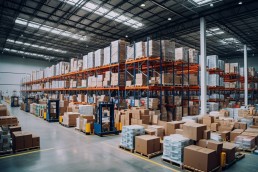
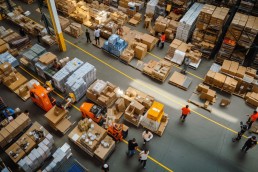
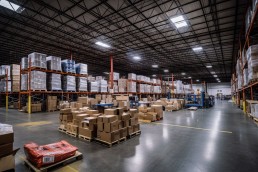
Wholesale distributors form the backbone of the pharmaceutical supply chain, with a vast 92% of prescription drugs in the US passing through their hands. These companies specialise in ordering large quantities of medications from manufacturers, storing them safely, and then sending them out to pharmacies and healthcare providers across the country.
This high-volume approach means they can work more efficiently than if each pharmacy had to deal directly with drug manufacturers.
Repackagers have a slightly different role; they take bulk products and break them down into smaller packages suitable for consumer use. Their precise attention to detail ensures that every pill or liquid is correctly labelled and safely sealed before it reaches patients.
Both wholesale distributors and repackagers are integral in maintaining medicine quality, safeguarding patient health, and guaranteeing timely access to necessary treatments within all corners of the healthcare and pharmaceutical market together.
As gatekeepers and direct link between production and dispensation active pharmaceutical ingredients, these entities uphold stringent regulatory standards to prevent contamination or mislabelling counterfeit drugs that could potentially endanger public health.
Pharmacies
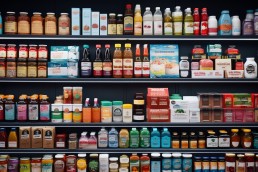
Pharmacies play a pivotal role in the pharmaceutical supply chain, acting as the final link before medications reach consumers. They purchase drugs from either manufacturers directly or through wholesalers, ensuring they have a wide range of stock available for prescription and over-the-counter needs.
These retail businesses must manage inventory effectively to meet patient demand and maintain safety standards, all while navigating complex negotiations on drug prices led by pharmacy benefit managers.
Retail pharmacies vary from large chains to local independents and even specialty pharmacies that cater to complex health conditions. Each type has its unique challenges in supply chain management but shares the common goal of providing timely access to medications for patients.
Their position within the pharmaceutical supply chain faces makes them critical players in healthcare delivery, influencing both availability and affordability of pharmaceutical products for individuals across communities.
Pharmacy Benefit Managers (PBMs)
As we move beyond the role of pharmacies, Pharmacy Benefit Managers (PBMs) emerge as key players in streamlining medication costs and access within the whole pharma supply chain network. These organisations assume a pivotal position by managing prescription drug benefits on behalf of health insurers, Medicare Part D drug plans, large employers, and other payers.
With an overarching responsibility for formulating the list of covered medications, PBMs leverage their negotiation power to secure rebates from manufacturers and discounts from drugstores.
Fulfilling over 70% of U.S. prescriptions through claims processing indicates just how integral PBMs are to supplier pharmaceutical industry and supply chain management. Their expertise extends into critical areas such as formulary management which determines which drugs are available at what cost to patients, ensuring that both efficacy and value are taken into account.
Through their intricate work with rebate negotiations and drug utilisation reviews, they influence not only pricing structures but also patient safety and adherence – shaping the patient outcomes across the entire healthcare spectrum.
Steps Within the Pharmaceutical Supply Chain

The journey of pharmaceuticals from creation to consumer involves a multi-faceted process, each step critical for ensuring the timely delivery of safe and effective medicines. Delve into the heart of this intricate journey as we explore what goes on behind the scenes – from initial manufacturing to the final point where medications are dispensed to those in need.
Manufacturing
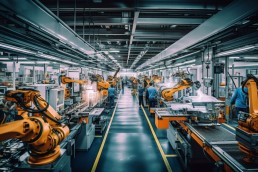
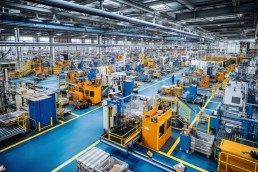
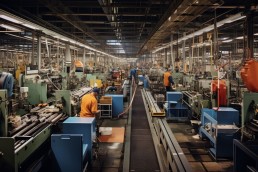
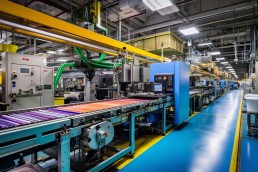
Pharmaceutical manufacturers sit at the heart of the supply chain of pharmaceutical industry, wielding significant control over drug prices and availability. The intricate process from raw material procurement to producing final, ready-for-market products demands meticulous risk management to ensure a steady stream of medicines reaches those in need.
Precision is crucial; even minor deviations can lead to substantial disruptions downstream.
Advanced manufacturing technologies have been adopted by pharma companies, striving for efficiency and quality. Their role expands beyond simply churning out tablets or vaccines; they are pivotal in maintaining the integrity of the supply chain medical devices and supply chains.
Utilising rigorous clinical trials and adhering to stringent regulations set forth by entities such as government programs such as the Food and Drug Administration, their decisions impact everything from global supply chain robustness to healthcare outcomes.
Following this stage comes packaging – a critical step where drugs are prepared for safe distribution and eventual dispensing to consumers.
Packaging
Moving from the creation of the medicines, we delve into how these products are securely and safely contained for distribution. Packaging plays a pivotal role in maintaining the integrity and efficacy of pharmaceuticals from the moment they leave the manufacturing line until they reach consumers.
Not only does this step safeguard patient health, but it also ensures compliance with stringent regulatory standards that govern every aspect of pharmaceutical packaging solutions.
MPI’s inventive packaging strategies aim to streamline this element of the pharmaceutical supply chain work while prioritising safety and minimising costs. These methods extend across all stages – from primary containers that directly hold medications through to tertiary packages designed for bulk handling and shipping.
With cutting-edge systems, MPI contributes valuable improvements in both protection against contamination or damage and operational efficiencies within the pharma industry’s complex logistical continuous manufacturing framework.
Dispensed to Consumers
Pharmacies are at the forefront of getting prescription medications into patients’ hands. Once prescriptions are written, these local or online outlets ensure drugs reach those in need promptly and safely.
They often rely on pharmaceutical wholesalers to stock their shelves; in fact, a staggering 92% of US prescription medicines come from these suppliers. Pharmacists check each prescription for accuracy and safety before handing them over to consumers, playing a crucial part in healthcare delivery.
The journey from pill production to patient possession requires stringent checks and balances. Drug dispensing is more than just handing out medicines; it involves careful verification against the doctor’s orders, looking out for potential drug interactions, and offering guidance on correct usage.
It’s a delicate balance between efficiency and attention to detail that ensures medication errors remain low while patient health outcomes soar.
Challenges in the Pharmaceutical Supply Chain

While the pharmaceutical supply chain is renowned for its complexity and stringent regulatory environment, it confronts persistent challenges that can ripple through from manufacturing to end-consumer distribution.
These hurdles encompass escalating costs, navigating an intricate web of global regulations, grappling with frequent drug shortages, and ensuring the uncompromised safety of medical products.
Costs
Rising pharmaceutical costs are hitting headlines, with the complex web of negotiations and procurement strategies casting a spotlight on drug pricing. As directors, you’ll grasp that these elevated prices weigh heavily on stakeholders across the entire supply chain and demand chain too.
The ripple effect is palpable – from manufacturers to distributors, right down to pharmacies and consumers feeling the pinch in their pockets. In this intricate network of players within the pharma supply chain, each negotiation twist could mean a cost surge at different points.
The shift towards high-deductible health plans places an additional burden on patients who now face higher out-of-pocket expenses for their medications. Plus, generic drugs haven’t escaped this trend either; price increases here also stir up challenges for all parties involved in pharmaceuticals.
Transparency around these costs remains crucial as companies strive to navigate through them successfully without passing undue strain onto customers. Let’s turn our attention now to another integral piece of this puzzle: regulations.
Regulations
Navigating the complex landscape of regulations within the pharmaceutical supply chain is a critical and ongoing challenge. Federal agencies, including the FDA, are integral in setting standards and regulatory process that ensure medication safety and efficacy.
Companies must stay compliant with these evolving rules to avoid costly supply chain disruptions. Streamlining regulatory processes can be as crucial as managing costs for maintaining an efficient supply chain.
Staying ahead of packaging and labeling requirements is vital for manufacturers, drug wholesalers,, repackagers, and pharmacies alike. Effective solutions in these areas are essential not only for compliance but also for patient safety.
Adapting swiftly to regulatory changes helps overcome potential bottlenecks, especially when dealing with advanced therapy medicinal products where time sensitivity is paramount. Compliance should not just be viewed as a hurdle but as an opportunity to reinforce quality control across every touchpoint of the medicine supply chain.
Drug Shortages
Drug shortages pose a critical test to the resilience of pharmaceutical supply chains, often leading to treatment delays and creating significant health risks for patients. These gaps in availability spring from various supply chain issues in pharmaceutical industry, including problems with manufacturing quality, scarcity of raw materials, and decisions to halt drug production.
Additionally, capacity constraints within production facilities can restrict the quantity of drugs reaching the market. The implications are severe as these shortages can prevent essential medicines from being accessible when needed most.
Director-level leadership must engage proactively with this reality by promoting more efficient supply chain management practices that buffer against such disruptions. Ensuring compliance with regulations set out by bodies like the U.S. Food and Drug Administration (FDA) also plays an instrumental role in maintaining continuous drug availability despite stringent rules potentially causing hiccups in distribution flows.
It’s crucial for companies within the pharmaceutical industry supply chain to anticipate potential bottlenecks and address them before they escalate into full-fledged shortages affecting patient care.
Safety
Safety within the pharmaceutical supply chain is not just a regulatory requirement; it’s a significant and critical component of public trust and patient care. Every step, from manufacturing to dispensing medication to consumers, demands strict adherence to safety protocols.
Mishaps can lead to severe health risks for patients and considerable legal repercussions for companies. Hence, packaging plays an integral role in safeguarding pharmaceutical products against contamination, tampering, and degradation while helping prevent medication errors.
Ensuring the integrity of drugs as they travel through the supply chain process involves rigorous risk assessments and quality control measures at each juncture. Pharmaceutical supply chain companies must invest in robust tracking systems that monitor temperature controls during transport, especially when handling sensitive drug products within a cold chain.
These efforts are critical in maintaining drug efficacy and securing the reliable delivery resource management of healthcare solutions across communities globally.
Strategies for Enhancing Supply Chain Efficiency and Resilience
In the complex realm of pharmaceuticals, fortifying the whole supply chain model against disruptions is imperative. To achieve this goal, tailored strategies must be employed, focusing on streamlining operations and reinforcing the framework to withstand industry volatilities effectively.
End-to-end transparency
End-to-end transparency is the keystone for tackling inefficiencies within the pharma supply chain. It sheds light on every corner of the manufacturing process, from raw material sourcing to the delivery of medicines to consumers.
This openness allows stakeholders to trace each product’s journey, curbing drug counterfeiting and ensuring that cold-chain shipping requirements are met with precision.
Utilising data and analytics propels medical supply chain companies and management in the pharma industry into an era where informed decisions become second nature. Real-time visibility empowers pharmaceutical companies and medical supply chain entities, like Cardinal Health, to swiftly respond to any disruptions or changes in demand.
Such clarity not only streamlines operations but also lays down a strong foundation for resilience against unforeseen industry shake-ups.
Routine stress-testing and reassessment
To maintain a resilient pharmaceutical supply chain, directors must implement routine stress-testing and reassessment. This proactive approach helps to identify potential weaknesses in the supply chain before they escalate into larger issues.
As the market research demand for diverse product types and therapies grows, these evaluations become even more crucial for staying ahead of industry shifts.
Effective stress-testing examines how different scenarios could impact the pharma supply chain management from manufacturing to point-of-dispense. It enables companies to adjust their strategies promptly, ensuring consistent drug availability and patient care – to execute resilience amidst the dynamic healthcare landscape.
Directors should integrate such practices as part of their standard operating procedures for sustained efficiency in our evolving marketplace.
Reduced exposure to shocks
Building a robust pharmaceutical supply chain means actively reducing exposure to various shocks that can disrupt the flow of medicines. Supply chain resilience is essential; it empowers companies to withstand unexpected disruptions like natural disasters or sudden market changes.
By implementing advanced analytics and investing in versatile, innovative technology itself, firms can act swiftly to customer demands, adjust their supplier base and adapt production processes as situations demand. This agility proved invaluable for Biogen after Hurricane Maria devastated its manufacturing capabilities in Puerto Rico, demonstrating how critical flexibility is in recovery efforts.
Harnessing these strategies ensures that the medical device supply chain supply chains remain secure, even under pressure. Directors should consider leveraging scenario planning to test different risk factors and their potential impacts on operations.
Moving forward with this proactive approach not only prepares the pharmaceutical industry for immediate challenges but also strengthens its capacity for future unforeseen events. The discussion will next shift towards end-to-end transparency within the supply chain – another crucial element for managing a reliable network of active pharmaceutical ingredient supplies.
Conclusion
Our journey through the essential guide to the pharmaceuticals supply chain brings us to the crux: efficiency and resilience are paramount. Players across this full supply chain pharma’ network all have a role in fostering a more sustainable, cost-effective flow of quality medicines.
Implementing robust strategies paves the way for tackling challenges head-on, to improve efficiency and reduce costs while ensuring that patients receive the right medication at the right time. Embracing innovation and collaboration stands as crucial for success in future competition in this dynamic field.
The health outcomes depend on the agility and responsiveness of every link within this complex chain.
FAQs
1. What is the pharmaceuticals supply chain?
The pharmaceuticals supply chain involves managing how drugs are developed, manufactured and delivered to pharmacies and hospitals, ensuring that patients receive their prescribed medications efficiently.
2. How does the medical device value chain fit into the pharma supply chain?
The whole medical device supply value chain is a crucial part of the supply chain in the healthcare industry, supplying equipment for disease prevention and management alongside pharmaceutical products to clinics and patients.
3. Are there any environmental factors affecting the pharma supply chain?
Yes, factors like environmental protection, social responsibilities and governance (often called ESG) play significant roles in shaping ethical practices within the pharmaceutical industry’s complex supply chain.
4. Why do we hear about ‘supply chain issues’ in this industry?
Supply and supply chain problems and issues can include delays caused by increased demand known as Forrester or bullwhip effects, regulation changes for prescription-only medicines or over-the-counter medications, which impact how fast products move through the system.
5. Can technology help with pharmaceutical supply chains?
Absolutely! Technology helps track medical supplies better and predict needs more accurately across global networks.
6. Do companies specialise in different parts of this industry?
Yes indeed; some businesses focus on generic drug development and products while others run specialty pharmacies – all working together with suppliers including major firms like Mylan or Pfizer plus new start-ups making sure that every aspect from research to delivery works smoothly.
And there's more...