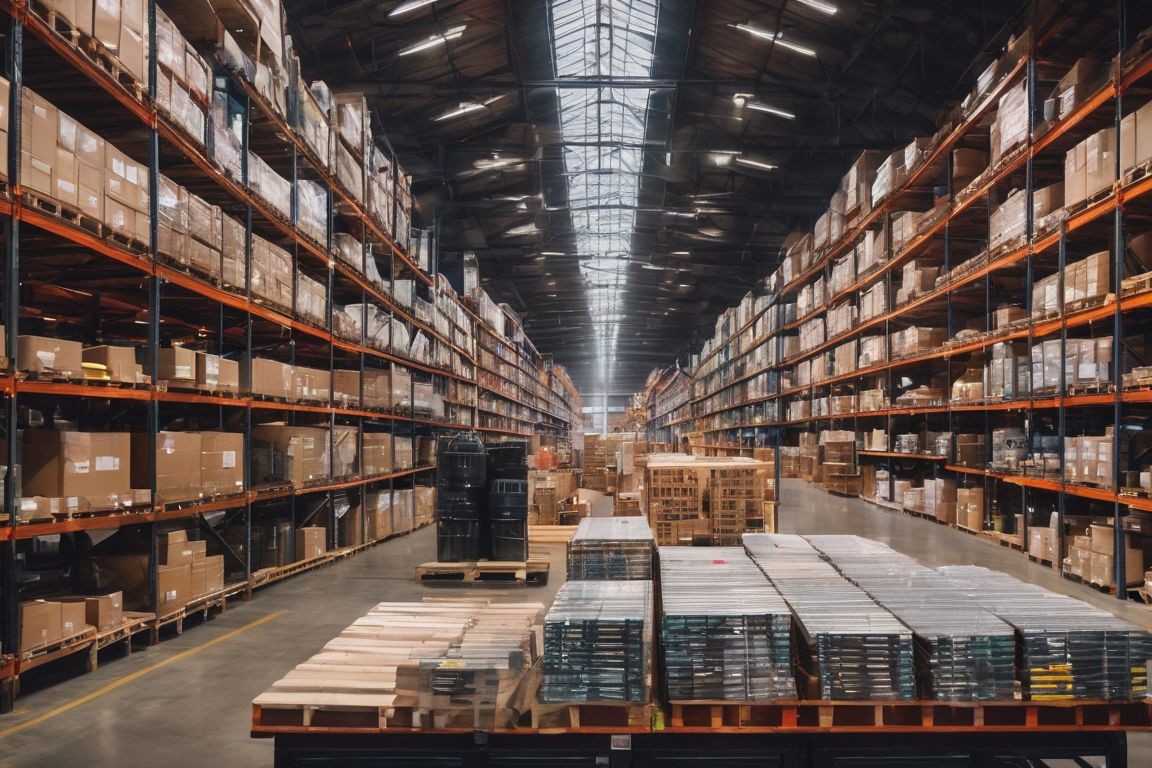
Understanding what is the raw material backbone of production can be puzzling, as raw materials are a silent giant in the industry. These essential items range from steel and oil to agricultural products like maize.
This guide will illuminate the depths of raw materials, their typologies, and how they underpin every product we create and use daily. Dive into what is raw materials in business, and unearth the world of raw materials that shapes our economy!
Key Takeaways
Raw materials are the unprocessed substances crucial for making all kinds of products, from cars and clothing to food items.
Effective raw material management is vital for production efficiency and cost control; it requires strategic procurement and inventory planning.
Direct raw materials go directly into the final product, while indirect ones aid in production but aren’t part of the end product.
Global economies depend heavily on raw materials as they influence trade dynamics, pricing strategies, and economic stability.
Businesses must navigate international markets carefully, where conflicts or shortages can impact supply chains and overall operations.
Defining Raw Materials

Raw materials are the essential building blocks of all industries, serving as the foundation from which everything else is produced and processed. These unprocessed substances or components are transformed through manufacturing processes, becoming integral to the creation and functionality of end products.
Explanation and Significance
Understanding the essence of raw materials is crucial for directors who strategise for efficiency and profitability. These raw materials examples are unprocessed material or primary commodities, such as iron ore, coal, lumber, cotton, and crude oil, are at the foundation of every product manufactured across industries.
Their availability determines production schedules and influences costs significantly.
The management of proper quantity of these essential inputs goes beyond mere procurement; it involves strategic inventory accounting on the balance sheet and meticulous planning to ensure that resources are available when needed without tying up too much capital in stock.
Accurate tracking enables companies to maintain optimal levels of raw materials inventory and goods inventory alongside work-in-process and finished products. This precision directly impacts cost of goods sold (COGS) figures reflected on income statements – an aspect vital to financial health and operational decision-making within businesses.
Direct vs. Indirect Raw Materials
Understanding the distinction between direct materials and indirect raw materials is crucial for directors managing production and financial strategies. Direct raw materials examples are incorporated into the final product and directly influence manufacturing processes, while indirect materials support production but do not form part of the final goods. Here’s a deeper look into both, presented in tabular form for clarity and quick reference:
| Aspect | Direct Raw Materials | Indirect Raw Materials |
|---|---|---|
| Definition | Materials that are part of the final product | Supporting materials used in the production process |
| Examples | Metal for car manufacturing, flour for bakery goods | Lubricants for machines, cleaning supplies for factory |
| Accounting | Expensed on the income statement | Often considered overhead costs |
| Importance in Costing | Directly impacts product cost | Influences operating expenses |
| Inventory Management | Requires precise tracking for production scheduling | Stock levels are less critical, can be reordered as needed |
| Procurement | Strategic sourcing is critical for cost-control | Often procured in bulk or as part of general supplies |
Direct raw materials are paramount in the product development phase and significantly affect the cost of goods sold. Conversely, indirect raw material economics and are tied to the overall operational efficiency of the manufacturing process. With this comprehensive understanding, let us delve into the role that raw materials play across several categories and different industries.
The Role of Raw Materials in Various Industries

Raw materials serve as the cornerstone for production across diverse sectors, underpinning the operational success of industries from manufacturing to food processing. Their integration into supply chains is pivotal, shaping not only companies outputs but also influencing economic trends on a global scale.
In Manufacturing
Manufacturing industries thrive on the efficient management of raw materials inventory. Every finished product starts its life as a collection of unprocessed raw materials themselves, be it steel in construction or cocoa beans in chocolate bars.
Meticulous budgeting is crucial as these components make their way through production lines, transforming into goods ready for the market.
Direct raw materials form the backbone of manufacturing processes, from smelting metals to tempering milk and chocolate. Companies regularly update their balance sheets and income statements to reflect purchases and usage, crediting cash accounts while debiting inventory assets.
This accounting dance ensures transparency and accuracy of raw materials examples in business financial reporting – vital for directors overseeing fiscal health. Directors should note that specific budgets dedicated solely to raw materials can streamline annual manufacturing plans, potentially leading to more economical use of resources and reduced waste.
In Food Production
Moving from manufacturing to the realm of food production, raw materials take on a different shape but are no less critical. Fruits, vegetables, grains, and nuts serve as plant-based staples in this sector, providing the essential nutrients needed for a myriad of food products.
They are transformed through processes such as roasting and tempering into items like milk chocolate that delight consumers worldwide.
Animal-derived inputs including meat, dairy, and eggs form the backbone of diverse culinary offerings. These raw materials pass through stringent quality checks before becoming part of daily diets.
In both cases – plant and animal – the careful selection and handling of these raw materials ensure safety and taste that meet consumer expectations while sustaining businesses involved in food commerce.
In the Supply Chain
Every stage of the supply chain feels the influence of the raw materials manufacturing, and intermediate materials used – from procurement to the final delivery of finished goods. These materials dictate production timetables and inventory levels, directly affecting costs of goods sold.
Efficient management in this sphere ensures a smooth transition from natural resources to market-ready products, reflecting on your business’ company’s bottom line.
Directors recognise that securing a consistent supply of plant based raw material examples and materials is crucial for uninterrupted operations. Raw materials such as oil and gas, metals like nickel, or agricultural commodities like wheat are integral to maintaining robust production lines across industries.
Their availability can shape pricing strategies and competitive positioning in international trade markets, making skilled materials accounting and forecasting an indispensable aspect of any thriving enterprise.
Sourcing and Managing Raw Materials

Effective procurement and oversight of all raw goods and materials are the lifeblood for any business that relies on manufacturing or production. This crucial step not only determines quality and cost efficiency but is fundamental in maintaining a sustainable supply chain amidst market volatility and global competition.
Procurement Strategies
Developing robust procurement strategies is essential for businesses that rely on raw materials. It ensures a steady supply chain and avoids production disruptions. Here are some strategic approaches directors may consider:
Calculate requisite amounts of each raw material needed for upcoming production cycles to prevent shortages and decrease excess stock.
Cultivate relationships with reliable suppliers to ensure the consistent quality and timely delivery of necessary resources.
Consider vertical integration by establishing facilities to source raw materials directly, which can reduce reliance on third parties and cut costs.
Implement material requirements planning (MRP) systems to optimise inventory levels, manage procurement schedules, and forecast future needs accurately.
Engage in long – term contracts with primary commodity providers to lock in prices and supplies, protecting against market volatility.
Diversify sources of raw materials to mitigate risks associated with supplier failure or geopolitical tensions affecting commodity markets.
Utilise commodities exchanges for purchasing feedstock such as natural gas or metals like steel, which can offer financial advantages when prices are favourable.
Leverage technology to automate procurement processes, allowing for real – time tracking and bookkeeping of raw material inflows.
Negotiate terms that include clauses for handling obsolete or depreciated items, ensuring financial protection against changes in demand or technology.
Regular audits of the procurement function help identify inefficiencies or potential improvements within the acquisition process of raw materials.
Raw Material Markets and Conflicts
Trade in raw materials is a global affair, with markets operating across different countries and continents. Directors need to navigate these international waters carefully because conflicts can arise at any stage.
Political instability, territorial disputes or trade wars might lead to a sudden shortage in critical supplies like oil, metals or even wood. Companies often rely on third parties for procurement but must be ready to pivot strategies if geopolitical tensions threaten their supply chain.
In such situations, maintaining relationships with multiple suppliers becomes vital – diversifying sources can minimise the risk of disruptions due to conflicts. Secure access to key resources ensures that manufacturing processes remain uninterrupted; keeping raw materials inventory stable is crucial for work-in-progress and finished goods alike.
Safeguarding this flow supports not just production lines but also impacts economic stability and company growth on a broader scale. Let’s now consider how companies track and account for these essential inputs within their operations.
Tracking and Accounting for Raw Materials
Keeping track of raw materials is critical for managing costs and efficiency in the production process. Accurate accounting ensures businesses have the necessary inputs without excess inventory that can lead to obsolescence.
Directors must ensure that manufacturing companies precisely calculate their direct raw material needs for specific periods. This avoids any potential shortages that could halt production and helps maintain a lean inventory, preventing waste and saving storage costs.
Companies deploy three distinct classifications on their balance sheet to account for raw material inventory: raw materials, work-in-progress (WIP), and finished goods. These classifications help in assessing the company’s financial health and operational efficiency.
The initial purchase of raw materials appears on financial statements with a debit to increase the current assets in the inventory account. A corresponding credit reduces cash assets, providing a clear view of cash flow movements.
Effective tracking systems are essential for monitoring raw material movements from procurement to final product stage. This includes logging each interaction with the materials into an inventory management system or using barcode scanning for real-time updates.
It’s imperative to understand market dynamics when sourcing raw materials in business. Fluctuations in availability or pricing can directly impact production schedules and overall profitability.
With international supply chains, directors must consider various factors such as tariffs, exchange rates, and transportation costs when accounting for raw materials. Maintaining agility in sourcing strategies is vital given these variables’ ability to disrupt operations.
Using advanced software tools aids manufacturers in analysing data related to raw material usage patterns, forecasting future needs, and adjusting procurement plans accordingly.
The Impact of Raw Materials on Business and Economy

Raw materials hold the key to innovation and competitiveness, shaping the landscape of global trade and economic growth; delve deeper into raw materials definition to uncover their profound influence on business dynamics and market forces.
Importance in Product Development
Choosing the right raw material types is a cornerstone of successful product development. It not only determines the quality and performance of all the raw materials and final product but also influences manufacturing efficiency and cost-effectiveness.
Directors must understand that selecting premium raw materials can set their products apart in a crowded marketplace, offering superior durability or functionality that appeals to discerning customers.
Managing these resources effectively ensures businesses keep pace with demand while maintaining high standards. With international trade heavily reliant on exchanging abundant raw materials for those scarce locally, directors need strategies for sourcing sustainably without compromising on quality.
This balance is vital as it affects production processes, pricing strategies, and ultimately, a company’s competitive edge in global markets.
Influence on the Global Economy
Seamlessly moving from product development to the broader landscape, raw materials wield significant power over global economic trends. Essential for manufacturing everything from textiles to electronics, their availability and cost directly sway international trade dynamics.
A surge in prices or a scarcity of key commodities can tilt scales; for instance, when the COVID-19 pandemic struck, steel prices in the US skyrocketed by 250%, shaking up markets and industries worldwide.
The ripple effects extend far beyond national borders. Market volatility influenced by geopolitical unrest or natural calamities impacts economies on a macroeconomic level – shifting employment patterns, altering trade balances and even affecting currency valuations.
Directors must monitor these fluctuations closely as they chart business strategies that are resilient to such instabilities while aiming for growth amidst complex interdependencies that characterise our interconnected world economy.
Conclusion
Understanding raw materials is fundamental to grasping the complexities of today’s industries and economies. These building blocks shape the world we live in, from towering skyscrapers to the food on our plates.
Mastery over their sourcing and management can mean the difference between a thriving enterprise or one that struggles to compete. The interplay between supply chains, market dynamics, and production costs underscores their pivotal role in business success.
With every innovation and shift in global trends, raw materials will remain at the heart of both challenges faced and opportunities seized by businesses worldwide.
FAQs
1. What exactly is the definition of raw materials?
Raw materials are the basic substances used in manufacturing goods, providing energy, and creating other products needed by industries.
2. Can you give some examples of different types of raw materials?
Yes, examples include natural resources like plants and animal based minerals such as iron ore (bog iron), cocoa butter from cacao trees for chocolate production, and gaseous elements like oxygen used in various chemical processes.
3. Why are raw materials important in business?
In any business, especially those in manufacturing or construction, raw materials are crucial because they form the foundation for all products created; without them, production future finished products cannot begin.
4. Is petrol considered a type of raw material?
Indeed! Petrol serves as an essential input for energy production and is extensively utilised across sectors including transportation and electricity generation.
5. Do businesses classify recycled items as secondary raw materials?
Certainly! Companies often use recycled content like reclaimed steel to reduce costs while also being environmentally responsible – these are known as secondary raw materials.
6. How does metallurgy relate to the use of raw materials?
Metallurgy involves processing metals which starts with using metallic ores extracted from the soil or foundries where molten metals blend at high temperatures to produce alloys.
And there's more...