In today’s fast-paced market, staying ahead in supply chain management can be daunting. A streamlined supply chain is essential for keeping costs down and production times quick. This guide will give you the knowledge to optimise your supply chain processes every step, from planning to delivery.
Keep reading; efficiency awaits!
Key Takeaways
Supply chain management is essential for companies to reduce costs, speed up production, and gain a competitive edge in the market. Directors must understand each component from suppliers to customers, ensuring efficiency at every stage.
Directors can employ several best practices in supply chain management such as establishing partnerships with reliable suppliers, implementing advanced inventory systems, and embracing demand planning to improve their organisation’s profitability and efficiency.
The COVID-19 pandemic highlighted the importance of adaptable and resilient supply chains. Firms had to quickly embrace digitalisation through cloud-based systems and artificial intelligence for better forecasting.
Looking forward, supply chain managers will need new skills like adaptability, technological proficiency, risk management expertise, sustainability awareness, analytical skills, strategic sourcing abilities along with strong leadership traits.
As technologies evolve rapidly changing the landscape of supply chains globally, companies should prepare by incorporating innovations that streamline processes from planning to delivery while focusing on continuous improvement.
Understanding the Supply Chain

Delving into the core of commerce, a robust understanding of supply chain mechanics not only demystifies how products reach consumers but also reveals the intricate web of activities behind every purchase.
It is this crux that streamlines operations and secures a competitive advantage in today’s dynamic marketplace.
What is a Supply Chain?
A supply chain is the lifeblood of any company that makes or sells products. It’s a complex network connecting individuals and businesses to create and deliver goods to customers. From sourcing raw materials to getting finished products into consumer hands, each step in the supply chain ends this network plays a crucial role.
Enterprises rely on their supply chains not just for delivering value but also for increasing efficiency and gaining competitive advantage through cost reduction and expedited production cycles.
Managing a supply chain effectively means overseeing all its components – procurement, the manufacturing processes, inventory management, and delivery – with precision. Companies aim at achieving efficiency to ensure costs are controlled whilst keeping pace with market demands.
Supply chains have become even more critical as globalisation shapes how we trade; they’re instrumental in keeping inflation at bay by streamlining operations worldwide. Moreover, recent events like the COVID-19 pandemic have intensified the focus on resilient supply chain processes that can adapt quickly to change, emphasising supply chain visibility and digitisation as key factors in today’s economy.
Key Components of a Supply Chain
Understanding the inner workings of a supply chain is crucial for directors who strive to optimise it. Every component must seamlessly interact to ensure efficiency and profitability.
Suppliers start the journey by providing the raw materials necessary for production. Their reliability and quality standards play a significant role in the smooth functioning of the entire chain.
Manufacturers take these raw materials and transform them into finished products. Production planning here is critical, often utilising resources like material requirements planning (MRP) systems.
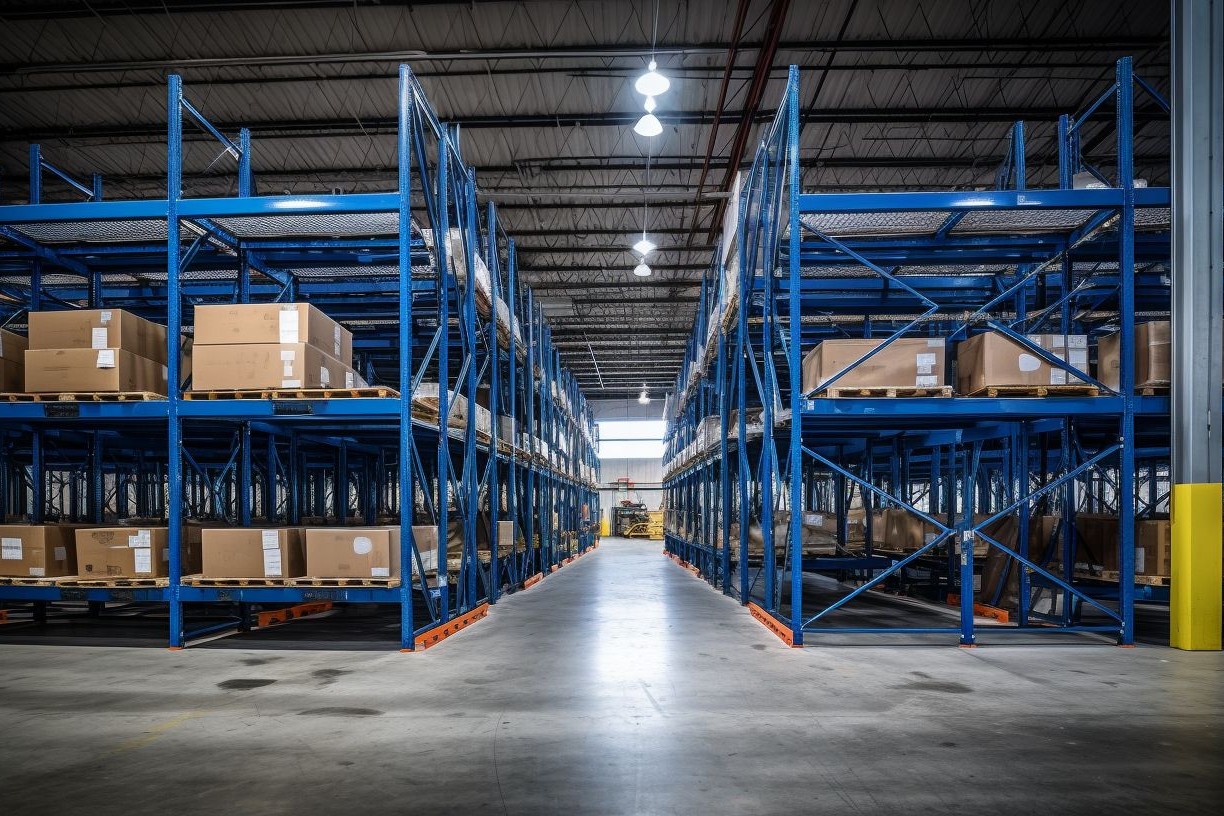
Warehouses serve as storage hubs for both raw materials awaiting production and final products ready for shipment. Effective warehouse management systems are essential in maintaining organisation and reducing lead times.
Distribution centers are where products are strategically sorted and dispatched to their next destination, be it retailers or directly to customers, ensuring timely deliveries.
Transport logistics encompass the movement of goods between locations. This involves selecting optimal routes, modes of transport, and managing schedules to meet demand efficiently.
Retailers are the final stage before products reach consumers, responsible for marketing and selling goods while maintaining sufficient stock levels.
Customers lie at the heart of the supply chain; their demands dictate production flows and inventory management strategies. Keeping a close eye on customer behavior helps predict trends and manage supply accordingly.
Information Systems underpin every step with data collection, analysis, and real – time tracking through technologies like enterprise resource planning (ERP) software.
Finances fuel all parts of the supply chain. Proper financial management ensures that there is always enough capital for investment in areas such as inventory or new technology.
Exploring Different Supply Chain Models

Supply chain models determine how products flow from supplier to end customer now, and each model has its unique benefits and challenges. The Just-in-Time (JIT) supply chain model focuses on reducing inventory costs by receiving goods only as they are needed in the production process, which can free up capital for other areas of the business.
This approach demands precise coordination and can significantly cut down waste, but it also poses risks if any delays occur in the entire supply chain process.
Another common model is dropshipping, where sellers take orders from customers and pass them directly to suppliers or manufacturers who then ship the finished product straight to the buyer’s doorstep.
Dropshipping allows businesses to operate without holding any inventory themselves, potentially saving on warehouse expenses. It’s an attractive option for ecommerce ventures that want to offer a wide range of products without large upfront investments in stock.
Transitioning now into best practices within these frameworks can enhance overall effectiveness across all stages of supply chain management.
Best Practices in Supply Chain Management

Directors know that best practices in supply chain management can dramatically improve an organisation’s efficiency and profitability. These methods set the foundation for a resilient and responsive supply management chain.
Establish partnerships with reliable suppliers: Develop long-term relationships to ensure quality materials and timely deliveries, which are crucial for maintaining production schedules.
Implement advanced inventory management systems: Utilise tools like ABC analysis and just-in-time inventory to minimise holding costs and reduce waste, ensuring you have the right stock at the right time.
Embrace demand planning and forecasting accuracy: Employ statistical methods such as exponential smoothing or linear regression to predict customer demand more precisely, reducing overstock and stock-outs.
Focus on continuous improvement: Adopt principles from lean manufacturing or six sigma to refine processes, eliminate bottlenecks, and enhance overall supply chain performance.
Invest in technology integration: Explore how artificial intelligence (AI), internet of things (IoT), and blockchain can streamline operations from end-to-end product delivery to order fulfilment.
Foster collaboration across departments: Encourage teams like sales, operations planning, procurement, and logistics management to work together to align objectives and share insights.
Customise your approach per segment: Tailor strategies based on product life cycle stages—different techniques may be needed for new product introductions versus mature products.
Enhance visibility throughout the supply chain: Implement real-time tracking systems for better control over the end-to-end value chain, from raw materials to delivery at the retail store or direct curbside pickup for customers.
Prioritise sustainability: Incorporate eco-friendly practices in packaging, transportation, and warehousing to meet regulations and consumer expectations while managing costs effectively.
Maintain flexibility in distribution planning: Be ready to adapt routes or transportation modes in response to changes in demand or unforeseen disruptions like those experienced during COVID-19.
Engage third-party logistics providers when necessary: Outsource certain elements of your logistics process management whenever it increases efficiency or reduces complexity within your own operations.
Cultivate supply chain leaders with strong business acumen: Ensure team members possess a mix of strategic thinking, analytical skills, leadership abilities, capacity planning prowess, along with an understanding of statistics necessary for high-level decision-making.
The Supply Chain Management Process

Delving into the core of supply chain excellence, our exploration reveals a multifaceted process that orchestrates everything from forecasting reverse logistics to fulfilment, where every piece plays a pivotal role in delivering value – continue reading for insights on mastering this intricate dance.
Planning and Demand Management
Effective planning and demand management are crucial for maintaining a streamlined and efficient supply chain. Directors must recognise the need to balance inventory levels with fluctuating customer demands to keep operations running smoothly.
Implement Forecast Accuracy: Utilise advanced statistical forecasting techniques to predict customer demand more accurately. This involves analysing historical sales data, market trends, and seasonal variations.
Engage in Sales and Operations Planning: Regularly conduct collaborative sales and operations planning meetings. These align marketing, sales, production, and finance departments towards a unified demand forecast.
Optimise Supply Planning: Establish robust supply planning procedures that account for safety stock and lead times. Avoid stock-outs by ensuring that buffer stock is maintained at optimal levels.
Employ Strategic Sourcing: Identify and nurture relationships with reliable suppliers. This ensures high-quality inputs for your production process while potentially reducing costs.
Leverage Technology for Automation: Invest in automating supply chain systems, which can streamline order processing and reduce manual errors in the demand management stages.
Encourage Supplier Collaboration: Work closely with vendors to understand their capacities and constraints. This transparency allows for more effective supply chain procedures.
Monitor Point of Sale Data: Keep tabs on real-time sales data from retail stores or ecommerce platforms. Use this information to adjust inventory levels dynamically according to actual consumer purchases.
Conduct Lifecycle Planning: Assess each product’s lifecycle stage—from introduction to decline—to tailor inventory strategies accordingly, such as ramping up fast fashion items quickly through quick response manufacturing techniques.
Procurement
Having set the stage with meticulous planning and demand management, we now turn to procurement—a vital link in ensuring final product and a seamless cash flow, within any supply chain. Procurement professionals focus on sourcing materials and services essential for production.
They must be adept at negotiating contracts that lock in favorable prices while establishing strong relationships with reliable vendors.
The process doesn’t just hinge on buying goods at the best price; it’s also about mastering timing and managing quality control. Good procurement means making strategic decisions, like choosing suppliers who can provide materials when you need them without compromising standards.
It involves rigorous vetting of potential partners and keen oversight of their key performance indicators over time to ensure consistent availability of key inputs amid global market shifts.
Production Planning
Production planning is vital in ensuring that manufacturing operations align with demand forecasts and resource availability. It involves a careful balance of materials requirements planning, workforce management, and equipment scheduling to create an efficient production process.
Real-time data analysis often supports these efforts, helping managers to monitor progress and make quick decisions to avoid bottlenecks or delays.
Manufacturers leverage digital technologies, like ERP software, to streamline their production workflows. These tools provide valuable insights for supply chain optimisation, making it possible for producers to anticipate problems before they impact the end-to-end supply chain manufacturing process itself.
Moving on from creating a robust plan for production, effective inventory management also plays a crucial role in maintaining the equilibrium between what’s produced and what’s required by customers.
Inventory Management
Following the meticulous strategy of production planning, inventory management steps into the spotlight as a critical component in the orchestration supplier management of supply chain processes. Directors know that this stage is where precision can make or break efficiency and increase customer satisfaction.
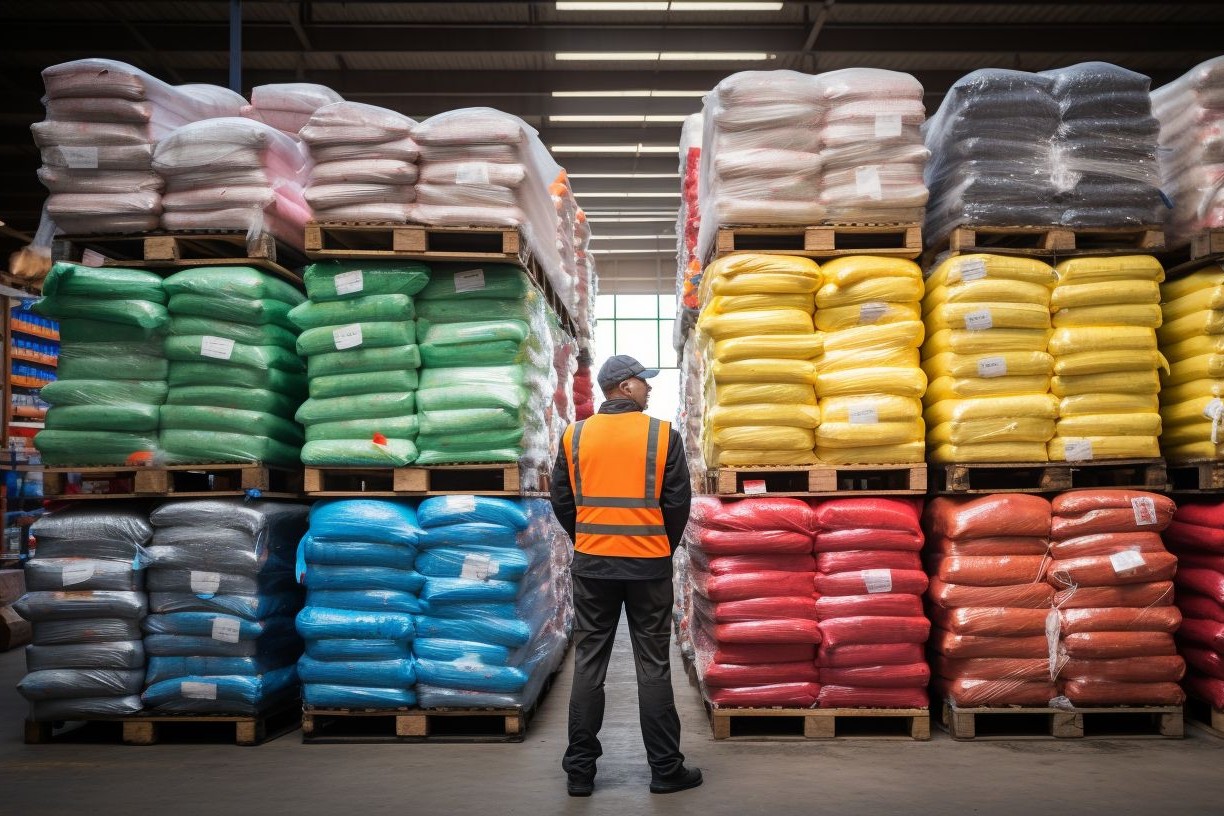
It requires constant vigilance over finished products turning raw materials, ensuring they transition smoothly from factories to storage facilities and onward to their final destinations.
Deploying techniques like just-in-time management and ABC analysis allows for a streamlined approach to managing inventory under control, balancing the tightrope between surplus and shortage. Skilful handling here avoids unnecessary expenses due to excess stock while preventing the missed opportunities that come with stockouts.
At its core, inventory management strives for an equilibrium where cost savings meet business objectives of peak demand fulfillment—an objective vital for maintaining a competitive edge in today’s dynamic markets.
Delivery and Order Fulfilment
Mastering logistics is vital for any director looking to streamline supply chain processes. Strategic planning of transportation routes and modes can save costs while maintaining high service levels.
Invest in technology that enhances visibility during delivery. Real – time tracking systems not only improve customer satisfaction but reduce the risk of delays or errors in shipping.
Develop strong relationships with carriers and third-party logistics providers. Their expertise in end-to-end logistics can be invaluable for ensuring timely deliveries, especially in times of increased demand or disruption.
Implement robust quality checks before dispatch. This step minimises the chances of returns due to defects, preserving both operational funds and customer trust.
Consider environmental impact through adopting sustainable packaging and optimising delivery routes to reduce carbon footprint without compromising on efficiency.
Prioritise efficient order processing to shorten lead times from purchase to dispatch. Quick turnaround can become a key differentiator for your business amidst tough competition.
Leverage data analytics to forecast demand patterns more accurately, allowing you to align inventory levels with expected orders for seamless fulfilment cycles.
Optimise warehouse layout so that items destined for similar geographic regions are stored close together, facilitating faster picking and packing operations.
Establish clear communication channels with customers regarding their order status at each stage till delivery is complete, fostering transparency that builds brand loyalty.
Routinely assess performance metrics like order accuracy rates and average delivery times. Use insights gained to continuously evolve your fulfilment strategies.
Impact of COVID-19 on Supply Chain Processes
The COVID-19 pandemic shook the very foundations of supply chain management, sparking an urgent reassessment of strategies and a push towards more resilient practices. Directors witnessed firsthand as global lockdowns and travel restrictions caused unprecedented disruptions in the movement of goods, from raw material supplier to materials to finished products.
These challenges brought home the importance of having contingency plans and diversifying supplier bases to mitigate risks associated with too much dependence on a one supplier performance a single source or region.
Supply chains had to rapidly evolve with the times, embracing technologies that facilitate remote operations and real-time inventory tracking all throughout their networks. Firms invested heavily in digital platforms that allow for more flexible responses to changing market conditions—implementing solutions such as cloud-based systems, artificial intelligence, and advanced analytics for better demand forecasting.
This pivot not only worked towards stabilising fluctuating supply lines but also set new standards in operational efficiency moving forward.
The Future of Supply Chain Management
The supply chain landscape is evolving rapidly, driven by new technologies and shifting market dynamics. It demands that professionals anticipate upcoming changes and prepare for the integration of innovations that will redefine how goods are planned, produced, and delivered globally.
Shifting Priorities
Shifting priorities in supply chain management signal a transformative period for digital transformation in the industry. Manufacturers are rapidly adopting digital solutions such as cloud manufacturing software to enhance efficiency.
This move away from traditional processes reflects an overarching trend towards digitalisation, with 53% of chief supply chain officers seeing it as vital for gaining a competitive edge.
Smart investments in technology streamline business operations, and offer much-needed agility in response to changing market conditions.
Retailers are also re-evaluating their focus, placing greater emphasis on online order fulfilment to improve customer experience end-to-end. By optimising their supply chains, businesses aim to cut down on wasteful spending and manufacturing costs and limit disruptions, demonstrating a proactive stance on process improvement.
These shifts underscore the importance of dynamic and adaptive strategies that can successfully navigate an evolving landscape while meeting customer needs, rising consumer expectations and maintaining operational excellence.
Skills Needed for Future Supply Chain Management
The supply chain landscape is continuously evolving, demanding new skills from professionals. Directors must identify and nurture these competencies to stay ahead in a competitive environment.
Adaptability and Flexibility: Supply chain managers must remain agile, enabling quick responses to market shifts and supply disruptions. This involves revising strategies to address changing demand, adapting to new technologies, and pivoting operations when faced with unforeseen challenges.
Technological Proficiency: An understanding of digital tools such as IoT devices and ERP software is now essential. Managers should be capable of leveraging technology for better visibility across the end-to-end supply chain and integrating data-driven approaches into planning and decision-making processes.
Risk Management Expertise: Identifying potential risks and implementing mitigation strategies can save companies from significant losses. Professionals need the foresight to anticipate complications ranging from supplier reliability issues to global events like pandemics.
Sustainability Awareness: As consumer interest in sustainability grows, knowledge of eco-friendly practices becomes critical. Supply chain professionals should work towards reducing environmental impact through measures such as optimising logistics routes or choosing greener packaging options.
Analytical Skills: Sound decision-making requires the ability to interpret complex datasets. Knowing how to apply analytical models such as moving averages for trend analysis ensures accurate forecasting and inventory management.
Strategic Sourcing Abilities: Establishing robust relationships with reliable suppliers guarantees the steady flow of high-quality materials. Managers need strong negotiation skills to secure favourable terms while maintaining supplier partnerships that align with company goals.
Leadership and Communication: Effective leaders inspire their teams, communicate objectives clearly, and collaborate across departments. They also empower others by promoting a culture of continuous improvement within the supply chain management (SCM) framework.
Customer-Centric Mindset: In today’s market, customer satisfaction is paramount. Managers should understand end-to-end fulfilment processes that meet or exceed customer expectations while balancing cost-effectiveness and efficiency.
Financial Acumen: Overseeing budgets, understanding cost structures, and recognising the financial implications of supply chain decisions are key abilities for any managerial role in SCM. It helps in driving both operational excellence and profitability.
Case Study: An Example of a Successful Supply Chain
Amazon stands out as a prime example of supply chain excellence. Known for its rapid delivery and vast selection, the company has revolutionised how goods are sold and delivered globally.
Amazon’s end-to-end supply chain solutions integrate advanced algorithms with an immense logistics network to ensure that customers receive their orders promptly. Their operations management hinges on real-time data analysis, forecasting demand with remarkable accuracy to maintain optimal inventory levels across their global distribution centres.
Leveraging cutting-edge technology and an obsession with customer service, Amazon adapts quickly to changes in traditional supply chain and demand. They use predictive analytics to their inventory system manage procurement processes effectively, ensuring they always have enough stock without tying up too much capital in unsold inventory.
Collaboration plays a critical role; distributors work closely within Amazon’s ecosystem to minimise delays and streamline the ecommerce process from click to delivery. This agile approach helps them not only to meet customer expectations but often exceed consumer expectations while keeping operational costs down.
Conclusion
As we’ve journeyed through the intricate maze of supply chain management, it’s clear that agility and strategic planning are vital for success. Embrace innovation to keep your supply chain operations at the forefront of efficiency product quality and responsiveness.
Remember, a robust supply chain isn’t just a company asset; it’s the engine that drives business growth in today’s fast-paced market. Armed with this knowledge, directors can steer their companies towards more streamlined and effective, supply chain planning processes.
Stay proactive and watch your organisation thrive in the complex landscape of global commerce.
FAQs
1. What are the main stages of supply chain management?
The key stages in supply chain management encompass planning, sourcing materials delivering products like coffee or computer chips, manufacturing products, delivering finished goods out to stores such as grocery stores, and managing returns effectively.
2. How do end-to-end supply chain solutions enhance business efficiency?
End-to-end supply chain solutions streamline every element from production to delivery, ensuring smoother processes for roasters and buyers alike by overcoming operational challenges like deflation in market prices or delays.
3. Can a brand improve its image with effective supply chain processes?
Absolutely! By adopting robust procedures effectively manage those within their supply chains, brands can ensure quality and punctuality that resonate positively with customers and strengthen branding efforts.
4. Why is privacy important in the context of Supply Chain Management (SCM)?
Respecting privacy ensures sensitive data related to subscribers or portfolio management remains secure throughout the entire process from supplier to consumer within the SCM framework.
5. How does applying theory of constraints methods aid in improving SCM?
Implementing theory of constraints helps pinpoint bottlenecks across various areas such as HubSpot’s strategies or policies on privacy – thereby enhancing overall performance and output within the SCM system.
And there's more...