In the dynamic world of supply chain management, staying ahead of disruptions is a constant challenge. Artificial Intelligence (AI) is stepping up as a game-changer in this arena. This article will unveil ai solutions on how AI-powered tools are transforming operations, from forecasting to inventory management, making supply chains smarter and more responsive.
Discover the future of logistics inside – let’s dive in!
Key Takeaways
AI is redefining supply chain management by providing precise forecasting tools that analyse global trends and social media, allowing businesses to adjust stock levels effectively.
Through machine learning algorithms, companies can streamline their inspection processes with AI systems proficient in detecting production flaws that might be missed by the human eye.
Adoption of AI-driven technologies like back-office automation, logistics optimisation, and warehouse robotics leads to significant efficiency gains and cost savings across supply chains.
Predictive analytics utilised in inventory optimisation means companies have just enough stock to meet demand without accruing unnecessary storage costs or experiencing product shortages.
By implementing sustainable practices such as greener transport logistics and environment-friendly warehousing operations, AI enhances ecological stewardship within supply chain management.
Understanding AI in Supply Chain Management

Artificial intelligence for supply chain management is transforming how companies predict and meet consumer demands. Machine learning algorithms sift through vast amounts of data, identifying patterns and trends that humans might miss.
This capability allows businesses to respond rapidly to market changes with precision, ensuring supplies match demand while reducing waste.
In warehouses, AI-driven systems streamline operations by autonomously managing inventory levels and optimising storage configurations. These intelligent systems work tirelessly around the clock, increasing efficiency and productivity without the need for constant human oversight.
With AI at the helm, supply chain management becomes a dynamic engine powering companies towards greater resilience in an ever-changing business landscape.
Benefits of AI in Supply Chain Operations

The integration of artificial intelligence into supply chain and logistics operations has emerged as a game-changer, yielding significant enhancements in efficiency and responsiveness. By leveraging AI’s advanced analytics and machine learning capabilities, businesses are transforming their logistical workflows into more predictive, adaptive, and proactive systems.
Forecasting
Forecasting in supply chain management has taken a quantum leap forward with AI and ML technologies at the helm. Gone are the days of solely relying on historical data and gut feelings to predict market trends and demands.
Now, AI-powered models analyse vast arrays of information, from the global economy to economic indicators to social media trends, making predictions far more accurate than traditional methods ever could.
These advanced forecasting tools enable businesses to react swiftly to changing market conditions by adjusting inventory levels, fine-tuning production schedules, and even strategically navigating supply chain disruptions before they escalate.
With this predictive prowess, firms can significantly reduce waste and ensure that stock-outs become a rarity. Leveraging these tools effectively translates into sustained business and competitive advantage in an increasingly competitive landscape where meeting customer demand promptly is paramount for success.
Inspection
Inspection processes are getting a major overhaul thanks to AI, revolutionising how manufacturing flaws and raw material side tracking occur throughout the supply chain. With embedded instrumentation in products from the design phase, monitoring of production flow is streamlined, making inspections more efficient and less labour-intensive.
This integration of artificial intelligence into inspection routines not only saves time but also slashes quality control costs significantly.
Artificial intelligence systems excel at detecting even the smallest anomalies that might escape human scrutiny. These advanced computer vision systems analyse data in real-time, ensuring immediate action can be taken to rectify issues before they escalate.
As a result, businesses benefit from a decrease in supervisory overheads while simultaneously increasing the accuracy and consistency of their product quality across the board.
Optimisation
Optimising supply chains with AI means making them as efficient and responsive as possible. Artificial intelligence tackles complex decision-making challenges by processing vast amounts of data in real time.
This enables companies to fine-tune operations, from procurement through to delivery, paving the way for enhanced performance metrics or KPIs. With such technological support, businesses are now able to predict demand more accurately, manage inventory levels dynamically, and substantially reduce waste.
AI-driven optimisation also ensures that every cog in the supply chain machine operates at peak efficiency. Take Amcor’s use of the EazyML platform; it tailors forecasting for customer demand and supply dynamics optimally.
Such tools analyse patterns and suggest proactive adjustments, ensuring resources are allocated where they yield maximum business value – a critical advantage in today’s competitive marketplaces where tailored customer needs cannot be overlooked.
These smart systems keep adapting and learning from new data, further refining supply chain processes to stay ahead of the curve without constant human intervention.
AI Use Cases in Supply Chain Management

In the realm of supply chain optimisation and management, AI is a game-changer with its myriad of applications redefining efficiency and productivity; discover how it’s setting new benchmarks for businesses.
Back-office automation
Back-office automation streamlines the processes that are essential yet time-consuming for any supply chain operation. Embracing AI-driven systems, supply chain companies can automate tasks such as order processing, invoicing and payment tracking, which typically require substantial human effort.
This shift not only optimises workflow efficiency but also enables employees to focus on strategic tasks that add more value to the business.
Artificial intelligence is rapidly becoming a pivotal tool in transforming back-office business functions into smarter hubs of activity. It performs complex data analytics, predicts patterns in demand and supply accurately, and automates decision-making based on cognitive insights.
Streamlining these critical operations results in reduced overheads and boosts forecast accuracy significantly, contributing to a leaner and more dynamic supply chain model.
Logistics automation
Logistics automation harnesses the power of AI to streamline transportation and distribution processes, reducing manual intervention and minimising errors. Autonomous vehicles, paired with advanced tracking and systems integration, enable rapid movement of goods while providing real-time updates.
Companies experience a significant uptick in efficiency on time delivery as automated logistics networks operate around the clock, optimising delivery routes and schedules without human fatigue.
AI applications extend beyond just conveyance; they also revolutionise load management within each vehicle or transport unit. Smart algorithms calculate weight distribution and volume utilisation ensuring that every journey maximises cargo capacity.
This precision leads to lower fuel costs and fewer trips – key factors in managing operating expenses for global supply chains. Directors recognising these advancements position their companies at the forefront of innovation in supply chain management, anticipating shifts in supply chain business leaders well before they happen and staying ahead of competitors who are slower to adopt new technologies.
Warehouse automation
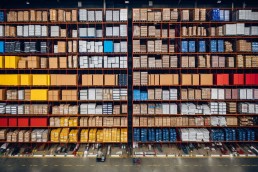
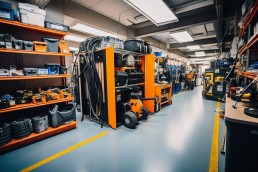
Moving from the dynamic world of logistics automation, warehouse automation stands as a pivotal component in modern supply chain management. Robotic systems and AI-based technologies are transforming warehouses into highly efficient spaces where precision and speed are paramount.
Utilising cutting-edge robots known as cobots, these automated assistants work alongside human staff to streamline tasks like picking, packing, and sorting. This collaboration not only boosts productivity but also reduces the risk of workplace injuries associated with repetitive manual tasks.
Smart warehousing systems harness big data analytics to manage inventory optimally – predicting stock levels and placing orders before products run low. Automated guided vehicles (AGVs) glide through aisles, systematically storing and retrieving goods, shaving significant time off order fulfillment cycles.
The integration of ai models of cognitive automation within these processes makes for an interconnected environment that adapts to changing demands seamlessly – the future indeed for any director looking at efficiency gains within their supply chain operations.
Automated quality checks
Automated data quality checks are transforming the way we ensure product quality in supply chain management. Using AI technologies, systems can now identify defects and irregularities with precision and speed, surpassing the capabilities of manual inspections.
Intel’s adoption of this approach allows for selecting top-quality chips more efficiently. The company has integrated AI tools that offer insights into production processes and perform malware detection – setting a benchmark for industry standards.
With automation in place, businesses experience a considerable reduction in quality-associated costs and supervisory needs. Embedding instrumentation right from the product design stage generates crucial data to consistently monitor business process flows, flagging any deviations instantaneously.
This proactive stance on quality management saves time and resources while upholding superior standards across operations, ensuring that companies remain competitive by delivering reliably high-quality products to their clients.
Automated inventory management
Transitioning from a discussion on automated quality checks, it’s clear that embracing AI also transforms the cornerstone of supply chain operations – inventory management. Implementing AI-driven systems allows for real-time tracking and analysis of stock levels, significantly reducing the likelihood of overstocking or understocking scenarios.
Advanced algorithms can predict demand with high accuracy, ensuring that your business has just the right amount of inventory at all times.
Inventory management benefits immensely from automation technologies. These intelligent systems are designed to automate repetitive manual tasks such as ordering, restocking, and even identifying potential bottlenecks before they impact business continuity.
By leveraging these AI capabilities, companies can streamline operations, cut costs associated with excess inventory storage and missed sales opportunities due to stockouts. This results in tighter control over inventory flow and dramatically improves efficiency across the entire supply chain and network.
Predictive Analytics in Supply Chain Management

Predictive analytics is transforming supply chain management by equipping businesses with foresight into demand patterns and operational challenges, inviting you to explore how this intelligence can be leveraged for a more proactive and efficient future.
Inventory optimisation
Inventory optimisation is a crucial aspect of AI’s impact on supply chain management. By harnessing the power of machine learning and predictive analytics, businesses can now see supply chain managers achieve an unprecedented balance between stock availability and capital investment.
AI systems analyse past consumption patterns, anticipate future demand spikes, and even adjust for seasonal fluctuations to maintain optimal inventory levels. This tech-driven approach not only ensures that products are available when customers need them but also significantly reduces holding costs.
Supply chains thrive on efficiency, and AI provides just that by automating inventory management tasks which traditionally required extensive human intervention. Real-time data analysis enables quick reaction to market changes while minimising surplus stock and avoiding stockouts.
Through artificial intelligence in supply chain management, companies are able to analyse data to streamline their operations with smarter restocking decisions, resulting in improved cash flow and customer satisfaction rates without the overhead of excess inventory.
Region-specific forecasts
Businesses gain a competitive edge by deploying AI for region-specific supply chain forecasts. Tailored predictions account for local trends, weather patterns, traditional business models, and buying behaviours, ensuring that each area has optimised inventory levels.
This granular approach minimises waste and maximises customer satisfaction.
AI’s sophisticated algorithms equip directors with the intelligence to navigate diverse market dynamics effectively. Firms can adjust strategies swiftly in response to real-time data analysis, crucial for staying at the forefront in today’s agile business environment.
As international conglomerates adopt SaaS and cloud solutions, regional companies must step up their game using these advanced forecasting tools to remain relevant and proactive.
Preventing the ‘Bullwhip effect’
Building on the strength of region-specific forecasts, AI significantly propels our ability to prevent the notorious bullwhip effect. With finely tuned demand forecasting powered by artificial intelligence, companies can sharpen their supply chain visibility and responsiveness, avoiding the cascading overreactions that often plague inventory management.
Enhanced data analysis pinpoints how consumer demand will shift, enabling smoother adjustments in demand planning, supply quantity and timing.
Utilising AI for supply chain optimisation goes beyond mere prediction; it actively shapes a more resilient system tailored to real-time customer needs. These intelligent insights reduce excess stock and minimise costly supply chain disruptions often caused by sudden swings in purchasing patterns – key steps in dodging the Bullwhip effect’s whip-like shocks.
By strategically leveraging these machine learning capabilities, firms stand better positioned to streamline operations, improve productivity and slash unnecessary expenditures from their networks.
AI and Enhanced Supplier Relationship Management
Artificial intelligence is transforming supplier relationship management by enabling more strategic partnerships through advanced analysis and data-driven insights. It facilitates improved decision-making in selecting suppliers and streamlines communication, ensuring that connections within the full supply management and chain are both robust and efficient.
Improved supplier selection
Selecting the right, reliable suppliers is crucial for maintaining a smooth supply chain. With AI, businesses gain access to tools that analyse vast amounts of data on supplier performance, reliability and compliance.
To succeed in this high-stakes area, directors seek out advanced AI systems to identify potential risks and evaluate supplier capabilities more accurately.
AI-driven analytics can refine the process of choosing suppliers by predicting which ones are likely to meet demand whilst adhering to quality standards. This shifts the focus from manual selection methods to strategic decisions based on intelligence assessments.
Partnering with top-notch suppliers gives companies an edge over competitors and strengthens their position in the market.
Enhanced supplier communications
With AI integration, businesses are witnessing a digital transformation both in supplier communications and supply chain tasks. Advanced algorithms process vast amounts of data to identify patterns and best practices, leading to more informed decisions.
Real-time analytics support continuous dialogue between suppliers and manufacturers, streamlining negotiations and improving mutual understanding.
AI tools facilitate the automation of routine communication tasks, freeing up human resources for strategic interactions. Improved accuracy in order management and predictability of supply needs helps prevent stockouts or excess inventory.
This proactive approach fostered by machine intelligence strengthens relationships while minimising disruptions like those experienced globally during 2020’s supply chain challenges.
The Role of AI in Sustainable Supply Chain Management
In the vanguard of ecological stewardship, AI stands as a transformative force for sustainable supply chain management, unveiling pathways to integrate green practices within logistics and warehousing operations.
Artificial intelligence pioneers strategies that not only bolster efficiency but also advance our collective commitment to environmental preservation.
Greener transport logistics
Artificial intelligence is driving a significant shift towards greener transport logistics, empowering companies to reduce their carbon footprint whilst maintaining efficiency. Innovative AI algorithms are capable of analysing vast amounts of data to optimise delivery routes, leading to fewer empty runs and less fuel consumption.
Smart systems predict traffic patterns, weather conditions, and vehicle performance in real-time for maximum route efficiency. This not only cuts down on unnecessary emissions but also streamlines operations saving time and resources.
Companies embracing AI for their supply chains witness notable improvements in sustainability metrics and operational efficiencies and costs. Electric self-driving trucks equipped with AI capabilities are set to transform the industry further by offering zero-emission transportation options that work around the clock without fatigue – a game-changer for reducing pollution and energy use within logistics.
The integration of many organisations these technologies represents a leap forward in creating environmentally responsible supply networks that directors can be proud of stewarding into the future.
Environment-friendly warehousing
Warehouses are evolving through the clever use of AI, paving the way for sustainability within the supply chain. Machine learning algorithms evaluate vast amounts of data to streamline and optimise inventory levels and management, significantly cutting down on waste and excess.
By using mass data, analysing patterns and predicting future demands accurately, AI ensures warehouses stock precisely what is needed, optimising space usage and reducing energy consumption.
Moreover, AI contributes to greener warehousing by aiding in selecting transportation routes that lessen carbon footprints. These informed choices not only foster environmental responsibility but also lead to cost savings for businesses.
Embracing such technology empowers companies to meet their eco-friendly goals while maintaining a competitive edge in an increasingly conscious market.
Challenges and Solutions in Implementing AI in Supply Chain
Integrating AI into supply chain ecosystems often meets resistance due to high initial costs and concerns over data security. Directors should be aware that while upfront investments in artificial intelligence might seem steep, they pave the way for substantial long-term savings by streamlining operations and reducing waste.
To address budget constraints, businesses can opt for phased implementations or seek partnerships with tech firms offering scalable solutions.
Trust remains a critical factor as companies exchange sensitive information with automated systems. Companies must establish robust cybersecurity protocols and invest in secure platforms – whether on-premises or on the public cloud – to assure stakeholders of data integrity.
Empowering teams through training ensures they are comfortable using new technologies and reinforces an organisation or AI’s ability and adaptive capacity, making the transition smoother and more effective.
Conclusion
Artificial intelligence is transforming the landscape of supply chain management at an unprecedented pace. By streamlining operations and enhancing decision-making, AI paves the way for more resilient and efficient supply chains.
Companies adopting these advanced technologies gain a competitive edge through improved accuracy in forecasting, better supplier relationships, and sustainable practices. The future trends towards even smarter, more responsive supply chains as AI continues to evolve.
This revolution in risk management marks a pivotal shift in how businesses navigate their operational challenges.
FAQs
1. What benefits does AI bring to supply chain management?
AI enhances supply chain management by improving demand forecasting, and demand management optimising inventory, and streamlining production scheduling, leading to risk reduction and cost savings.
2. Can AI in the supply chain predict future challenges?
Yes, AI can analyse data from various sources to forecast environmental factors and mitigate potential risks in the supply chain.
3. How does artificial intelligence improve logistics?
Artificial intelligence boosts efficiency in logistics by enabling better route planning, ensuring timely deliveries, and aiding in predictive maintenance for transport vehicles.
4. Is AI used only for large businesses or can startups benefit too?
Startups as well as large companies can use AI to gain insights from business intelligence, making their business processes both smarter and more scalable.
5. In what ways does AI support decision-making in supply chains?
AI supports decision-making by providing visualisation of complex data sets for better interoperability between departments and improved business-to-business communication.
6. How is machine learning utilised within the context of a supply chain?
Machine learning (ML) technologies help businesses learn from patterns within their operations to anticipate customer needs accurately and manage product life cycles efficiently.
And there's more...