In the competitive world of retail, planning can make or break your success. Retailers lose billions annually due to stockouts and overstock – a stark reminder of the importance of accurate retail strategy and planning in retail itself.
Our guide to business performance and to retail mix provides you with effective strategies to navigate these challenges and improve customer service, boosting your business’s efficiency and profitability. Read on for insights that could transform your business performance approach to retail strategy and mix.
Key Takeaways from Retail Planning
Retail planning is vital for business success, helping stores align operations with market demands and optimise every aspect of function from merchandise to sales promotions.
Strategic retail planning involves efficient resource allocation, enhancing customer experience, and optimised inventory management that minimises overstock and prevents costly stockouts.
Advanced technology like POS systems and retail planning software are key tools in responding to real-time data on stock levels and consumer preferences, assisting retailers in adapting to market changes swiftly.
Controlling costs through strategic measures like supply chain optimisation is crucial for achieving a healthy bottom line in the competitive retail landscape.
Growth within the retail sector requires comprehensive market analysis to identify expansion opportunities and strategic goal setting to reach targeted customer segments across various channels.
Understanding Retail Planning

Moving from the foundational concepts, we delve into the realm of strategic retail planning process. It’s a very strategic and solid retail planning strategy and tool that empowers retailers to meet their objectives by aligning store operations with market demands.
Retail planning orchestrates every aspect of a store’s function, from merchandise selection and display to inventory control and sales promotions. It ensures businesses stay ahead in a competitive landscape, making informed decisions based on data analytics and consumer behaviour insights.
Effective retail planners harness demand forecasting and smart technology like POS systems for real-time updates on stock levels and on customer behaviour and preferences. They map out detailed strategies for multi-channel marketing campaigns while staying agile to pivot according to evolving customer needs or sudden market shifts.
Through meticulous attention to detail, they optimise every square foot of retail space for maximum impact, ensuring each product has its moment in the spotlight.
Importance of Strategic Retail Planning

Strategic retail planning stands as the cornerstone for many retailers, aiming to thrive in a complex and ever-evolving market landscape. It serves not only as a roadmap for business success but shapes a responsive and agile framework that allows retailers to anticipate shifts, streamline and optimise operations throughout, and keep the pulse on consumer needs.
Efficient Resource Allocation – Retail Planning
Allocating resources efficiently is a crucial aspect of the strategic retail planning process, as it determines how well you can meet your various business goals and objectives. By identifying which areas of your operation need the most investment – be it in merchandise planning, marketing strategies, or supply chain management – you ensure that every pound spent works to propel the business forward.
It’s about prioritising expenditure where it will generate the highest return on investment and adjusting those allocations as market conditions and consumer preferences shift.
Effective, retail planning strategy hinges on this dynamic resource management to maintain optimal inventory levels while avoiding stockouts that cost retailers dearly. Through demand planning and advanced analytics, directors can make informed decisions about where to channel funds for maximum impact.
This fine-tuning of financial input dovetails with broader company goals and addresses challenges across various segments of retail operations. As a result, businesses stay agile in response to market volatility and competitive pressures without sacrificing profitability or customer satisfaction.
Improved Customer Experience – Retail Planning
Engaging with customers and delivering a superior customer experience, is a cornerstone of the strategic retail planning process. Retail planners and businesses that analyse customer behaviour gain precious insights into buying motivations, allowing for more effective merchandise financial planning (MFP) and promotions tailored to meet their desires.
Crafting strategies around the key elements of the 7 Ps of marketing amplifies this effect, ensuring products reach the right people at just the right moment. The outcome? A shopping environment where customers feel understood and valued.
Implementing these strategies can dramatically decrease stockouts that cost retailers dearly in both revenue and customer loyalty. Bear in mind, North American retailers lose an estimated $129.5 billion annually due to items being unavailable when consumers are ready to buy.
By predicting future inventory needs through historical sales data or customer interviews, stores not only prevent such frustration but also sculpt an individualised shopping journey.
This attention to detail cultivates brand loyalty and encourages repeat business – a true mark of success in today’s competitive retail landscape.
Optimised Inventory Management – Retail Planning
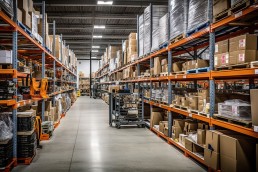
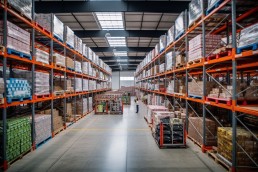
Optimised inventory management holds the key to unlocking greater efficiency and responsiveness within your retail operations. Mastery of this domain ensures that you have the right products at the right time, minimising holding costs and reducing the risk of obsolescence.
By understanding consumer demand patterns through size profiling and product hierarchy, retailers can align their inventory investment with market needs, ensuring stock levels meet customer demand but don’t exceed demand.
Effective use of advanced inventory management systems allows for real-time tracking, bringing precision to order fulfilment processes. This sharpens decision-making based on current information rather than forecasts alone, leading to a leaner, more dynamic approach to stocking.
Implementing such strategic solutions in your own retail planning strategy not only enhances operational performance but also supports a robust bottom line.
Moving beyond inventory control, let’s delve into how sales and profit maximisation strategies further maximise revenue and profits and propel businesses towards financial success.
Sales and Profit Maximisation – Retail Planning
Seamlessly transitioning from optimised inventory management, focusing on sales and profit maximisation becomes the natural next step. Retail directors strive to strike a delicate balance between competitive pricing strategies and bottom-line outcomes.
This tightrope walk necessitates sharp acumen in setting smart prices that attract customers while ensuring each sale contributes significantly to overall profits.
Elevating revenues is not just about increasing transaction numbers; for many retailers it’s also about enhancing the value of each sale. Tactics such as up-selling and cross-selling empower staff members to boost average purchase sizes, directly impacting profit margins.
Furthermore, employing data-driven insights from point-of-sale (POS) systems enables precise adjustments in real-time, fostering an environment where strategic retail decisions lead directly to financial growth without compromising on customer satisfaction or brand positioning.
Adaptation to Market Changes – Retail Planning
Maximising sales and profits sets the stage for the pivotal role of adaptation in today’s retail landscape. Market shifts constantly test retailers’ agility, demanding swift responses to new consumer demands and trends.
To stay competitive, retail businesses must modify their strategies quickly, incorporating cutting-edge solutions like real-time data, performance analysis tools and e-commerce platforms that cater to changing shopping behaviours.
Retail planning software now plays a crucial part in enabling stores to adjust their approach with precision. This technology aids in tracking purchase patterns, monitoring inventory levels, and responding proactively to stock fluctuations that cost North American retailers a staggering $129.5 billion annually due to stockouts.
Effective adaptation means utilising strategic retailing tools that alert directors immediately when change is on the horizon – ensuring a vibrant business capable of thriving amid market volatility and shifting customer preferences.
Cost Control – Retail Planning
Efficient adaptation to market changes is pivotal, but it’s equally crucial to tighten the reins on expenses for long-term viability. Cost control stands as a cornerstone in the strategic retail planning process, ensuring that budgets are adhered to and financial waste is minimised.
Savvy retailers employ various cost-cutting strategies to maximise profits, like optimising supply chain operations or leveraging inventory management software, which can transform potential losses into profit.
In this cutthroat retail landscape, scrutinising every expense can make the difference between thriving and merely surviving. Retailers must balance maintaining quality with trimming costs by negotiating better deals with suppliers and investing in ecommerce solutions that streamline operations.
With stockout costs hitting North American retailers hard – to the tune of $129.5 billion annually – strategic cost control efforts aim at reducing these losses while enhancing return on investment (ROI).
Effective use of demand planning tools ensures stores avoid overstocking or understocking situations, proving essential for a healthy bottom line.
Strategic Growth – Retail Planning
Moving from the crucial aspect of cost control, a strategic plan for growth becomes the next focal point for any forward-thinking retail director. Growth in the retail sector doesn’t just happen; it demands meticulous planning and a deep understanding of market dynamics.
A comprehensive market analysis shines a light on potential areas for expansion, revealing insights into customer needs and emerging industry trends that can guide a strategic plan towards untapped opportunities.
Integrating strategic retail planning processes with smart goal setting has proven to boost strategic retail plan success rates significantly. By using customer behaviour and applying quantitative data and qualitative research methods, businesses craft targeted marketing strategies that speak directly to identified customer segments, driving both online shopping experiences and in-store sales.
Utilising multi-channel retailing strategies ensures your brand reaches its target audience wherever they prefer to shop – whether it’s through e-commerce solutions or at high-end brick-and-mortar locations – thus solidifying your market penetration and fostering sustainable long-term growth.
Key Components of Retail Planning

Mastering retail the strategic planning process involves diving deep into the strategic elements that dictate the trajectory of a full retail business plan, strategy plan, organisation’s strategy, plan and business’s success. These core components act as the foundation for crafting a comprehensive, flexible retail strategic plan capable of navigating the complexities of today’s retail landscape.
Merchandise Planning
Merchandise planning is the strategic cornerstone of retail success, integrating data-driven insights to forecast demand and optimise inventory. It encompasses merchandise financial planning (MFP), which carefully calibrates budgets for stock purchases, while ensuring alignment with sales goals.
By implementing MFP, directors can make informed decisions on capital expenditure, striking a balance between investment in inventory and profitability.
Effective merchandise and strategies for retail business also involve assortment planning — selecting the right mix of products to meet customer needs across various locations and channels. Smart item planning contributes to this by tracking product performance over time, guiding the flow of goods through careful analytics.
With advanced tools like AI now entering the fray, retailers are sharpening their competitive edge and responding more adeptly to market shifts through refined size profiling and heightened personalisation efforts in their offerings.
Inventory Management
Effective inventory management is the heartbeat of a flourishing retail business. Directors must stay ahead, ensuring that every product’s journey – from warehouse shelf to customer hands – is optimised for efficiency and profitability.
This process hinges on accurate demand forecasting and strategic stock replenishment, allowing for seamless transitions in supply to meet consumer needs without excess or shortage.
Incorporate these principles into your strategy plan; it’s about balancing what’s available with what’s necessary.
In implementing inventory optimisation tactics, coupled with smart goals focused on loss prevention to maximise revenue, profits and return on investments, directors can see their stores planning pay off in real-time results.
Item planning should not be overlooked; tracking the flow of sales, receipts, and inventory over time empowers managers to make informed decisions that bolster competitiveness. Craft your approach around robust systems that support this dynamic aspect of merchandise financial planning – your investment here dictates the precision with which you can predict trends and adapt your buying patterns accordingly.
Demand Forecasting
Demand forecasting steers the retail industry towards strategic success, serving as the compass for all retail strategy and retail business planning and processes. It crunches historical sales data, market and retail trends,, and consumer behaviours to predict future demand accurately.
This methodology guides inventory management decisions, helping retailers to keep popular items in stock while avoiding excess that can lead to costly markdowns.
Employing state-of-the-art analytics and artificial intelligence in demand forecasting and retail planning solutions sharpens competitive strategies for retail businesses. Retail planning solutions leverage these technologies not only for precision but also to adapt swiftly to dynamic market conditions.
Directors must appreciate how this advanced approach can enhance decision-making across all levels of planned retail store operations, – from warehousing to the online store’s virtual shelves – ensuring a robust return on investment and customer satisfaction that drives growth.
Sales and Promotion Planning
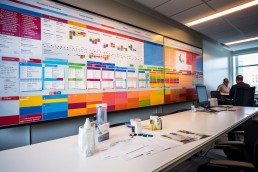
Effective sales and promotion planning starts with a well-structured marketing and promotional calendar. This tool allows you to map out key events, product launches, and sales periods in advance, coordinating with inventory management to ensure that stock levels meet the predicted demand.
Accurate forecasting is critical; it streamlines SKU management by distinguishing between top-selling items and those that move more slowly, allowing for strategic decision-making that positively impacts the bottom line.
To stay ahead of market trends and adjust strategies swiftly, constant monitoring of this plan is required. It involves evaluating ongoing marketing campaigns performance against set benchmarks, discerning which promotions resonate with customers, and tweaking future activities accordingly.
A dynamic approach can make all the difference in driving retail success through compelling offers that attract attention while reinforcing brand value. Next up: exploring how store layout and visual merchandising play pivotal roles in enhancing customer journey within your retail space.
Store Layout and Visual Merchandising
A well-thought-out store layout guides customers through a journey, from the moment they step inside to the final purchase. It shapes their shopping experience and influences buying decisions.
Strategic placement of merchandise can capture attention desired customers and increase foot traffic to less-visited areas of the store. Retail design combines aesthetics with functionality; creating an inviting atmosphere while also making it easy for shoppers to find what they need.
Visual merchandising brings products to life by showcasing them in an appealing way. Use lighting, colours, and creative displays to highlight new arrivals or featured brands, encouraging customers to engage with your merchandise on a deeper level.
Remember, an effective visual strategy not only draws in passersby but also reinforces brand identity and enhances improve customer service perception. Moving on from creating a captivating environment within the shop floor, let’s delve into pricing strategies that can further drive sales.
Pricing Strategies
Pricing strategies in the retail business are more than just numbers on a price tag; they’re about finding the sweet spot where value meets consumer willingness to pay. Directors must consider manufacturing expenses, market competition, and how much customers believe your product is worth.
A strategic approach to pricing can make all the difference in driving sales and boosting profit margins.
Crafting these strategies involves careful analysis of key performance indicators (KPIs) and customer behaviour data. Retailers should also weigh their options against competitors’ prices while ensuring they don’t compromise on quality or perception of their brand.
Utilising tactics like value-based pricing helps businesses justify their products’ price points through personalisation, branding, and unique selling propositions that resonate with targeted customer segments.
Customer Segmentation
Customer segmentation enables retailers to further target audience and devise precise marketing plans and retail merchandising and strategies that appeal to distinct consumer groups. By using customer behaviour and dissecting the market into clear segments based on shared characteristics, retail directors can align products and promotional and retail merchandising efforts with particular interests and purchasing habits of desired customers.
This strategic approach results in a personalised shopping experience for customers, fostering satisfaction and loyalty while simultaneously pinpointing new opportunities for business growth.
Retailers leverage customer behaviour insights from segmentation to enhance inventory management, ensuring product availability aligns with demand across different customer profiles.
Tailoring the assortment of products also helps maximise profits as each segment receives focused attention through targeted advertising and promotions, bolstering sales among consumers most likely to respond favourably.
This meticulous personalisation goes beyond mere profit maximisation; it crafts an in-house atmosphere where every shopper feels their needs are understood and met.
Supply Chain Management
Seamlessly transitioning from customer segmentation, supply chain management emerges as a pivotal component in retail planning. It’s the backbone that ensures products move efficiently from suppliers to store shelves and ultimately into customers’ hands.
Effective management of this complex network can make or break the ability to both meet customer demand and consumer demands while maintaining cost efficiency.
Directors understand that integrating real-time data access with inventory analytics can significantly enhance strategic retail planning process, giving a competitive edge in retail positioning in this fast-paced market.
Companies like ShipBob are revolutionising how retailers manage their supply chains, offering omnichannel fulfillment solutions that streamline operations and maximise profits. This modern approach simplifies logistics, reduces manual effort and positions businesses for strategic growth amid changing market conditions.
Challenges in The Retail Planning Process

Navigating the complex landscape of retail planning is fraught with a multitude of challenges that can impede a company’s trajectory towards success. Directors must constantly refine and implement strategies, in response to fluctuating market conditions, consumer behaviours, and competitive pressures whilst maintaining compliance and optimising data management.
Market Volatility
Market volatility presents a significant challenge in retail business planning, as fluctuating market conditions can profoundly affect both consumer demand and inventory levels. Retailers must stay alert to rapid changes that could lead to overstock or, worse, stockouts.
Strategic forecasting and flexible supply chain management are crucial for retailers aiming to adapt quickly and maintain profitability amidst unpredictable shifts.
Effective risk management strategies ensure businesses remain resilient against the uncertainties of a competitive market. It requires thorough SWOT analysis, real-time data monitoring, and agile response plans – elements critical for aligning inventory with current market trends.
Looking ahead, understanding data quality and availability becomes the next step for directors in navigating these complex retail landscapes.
Data Quality and Availability
Retail planning pivots on the axis of high-calibre data; decisions hinge on its integrity and ease of access. Modern retail systems are being tapped by retailers to minimise manual labour and enhance decision-making, leveraging historical data insights, focus group feedback, and real-time online analytics.
These tools provide a comprehensive snapshot of consumer behaviour that’s critical for strategic planning in retail and other marketing campaigns.
Nevertheless, making sense of vast data sets often presents a hurdle in terms of both quality and availability. Imperfect or incomplete information can derail the most meticulously crafted plans.
It is imperative for directors to ensure their teams have robust processes in place for acquiring, cleaning, and processing retail data. This disciplined approach forms the backbone that supports accurate demand forecasting and effective merchandise management planning strategies for retail business.
Moving beyond these challenges requires an exploration into competitive pressure within the market – an area where only those with a strong command over their data resources can truly thrive.
Competitive Pressure
High-quality data supports strategic decision-making, but even with the best information, retailers must navigate the relentless waves of competitive pressure. Competitors are always seeking to attract your customers by improving their services, adopting innovative pricing strategies, or pioneering new retail sales methods.
As a director, keeping an eye on rivals and adjusting your strategic plans in real time is crucial to maintain your market position and share.
In this fierce landscape, outlets face a continuous challenge to stand out. They have to craft unique customer experiences and ensure merchandise management planning responds swiftly to shifts in external environment, consumer behaviour and competitor moves.
Effective change management can be the difference between leading the market and falling behind. Retailers that harness a blend of focus groups’ insights and thorough market segmentation often find themselves better equipped to anticipate competitor strategies and react proactively rather than defensively.
Customer Behaviour Changes
Customer behaviour and retail mix is shifting rapidly, presenting both opportunities and challenges within the retail planning landscape. Directors must stay attuned to these shifts to ensure retail strategic plan, and what is a retail strategic plan, and strategy and what is retail planning process, remains relevant and effective.
Trends show more consumers are seeking personalisation and convenience, influencing their shopping habits significantly. As online business grows, in-store experiences also need to keep up by providing unique value propositions.
Retailers can utilise size profiling analytics to anticipate changes in consumer behaviour and preferences for apparel sizes – a practice that helps align inventory with demand effectively. This feeds into an agile merchandise management planning process that adapts swiftly to behavioural trends.
Directors should oversee successful execution of a dynamic retail positioning, assortment planning and pricing strategy that responds proactively to external factors, fluctuating market demands, consumer behavior and customer expectations.
Looking forward, it’s critical to leverage these insights into consumer behaviours as we move into discussing “Regulatory Compliance” which also impacts retail strategy development.
Regulatory Compliance
Understanding changes in customer behaviour is just one piece of the retail planning puzzle. Regulatory compliance also plays a crucial role. Retailers must navigate through a complex web of laws and regulations to avoid hefty fines and legal battles.
From ensuring product safety standards are met to respecting data privacy laws, every aspect requires meticulous attention to detail.
Managing these regulations efficiently is part of what makes a retail organisation’s strategy more resilient. Compliance with labour laws protects employee rights while adherence to environmental standards showcases a commitment to sustainability.
These measures not only fortify legal standing but also build trust with customers and partners. Effective merchandise management planning incorporates these compliances from the get-go, setting the foundation for sound operational decisions and long-term strategic growth.
The Retail Planning Process
Navigating the complexities of the retail landscape requires a robust planning process, encapsulating clear objectives and a deep understanding of market dynamics. It’s an orchestration of strategy and a successful execution, that transforms goals into tangible results, all while keeping a keen eye on performance analysis to fine-tune future approaches.
Identify the Objectives
Setting clear objectives is the cornerstone of a successful, strategic retail marketing strategy and what is retail planning process is. Begin by a solid retail planning strategy and strategy plan pinpointing exactly what you intend to sell, in what quantities and which locations to maximise your return on investment.
This involves outlining high-level business goals, such as product strategies, profit targets, and marketing plans for upcoming seasons or the year ahead. It’s crucial these targets are not only ambitious but also realistic, anchoring every decision in data-driven insight.
Your goal-setting should provide a roadmap for financial expenditure on inventory while focusing on sales flow, receipts, and inventory details down to specific product categories over time.
By defining precise financial objectives for designated periods, you secure a firm foundation from which all other strategic retailing manoeuvres can launch effectively. It’s this meticulous attention to detail in the early stages that sets up a retail enterprise for long-term growth and adaptability amidst market fluctuations.
Conduct Market Analysis
Conducting a thorough market analysis is critical in the retail planning process, as it lays the foundation for sound decision-making. Begin by deploying the SWOT analysis method to gauge your planned retail or business’s market position, relative to competitors.
This insight gives you an edge, revealing both internal strengths, weaknesses, strategic opportunities and threats and gaps to exploit or bridge while also pinpointing the external environment, its strategic opportunities, weaknesses opportunities and threats and potential weaknesses opportunities and threats too. Factor in real-time data access and inventory analytics to stay ahead; these tools are invaluable for identifying trends that can shape your strategic approach.
Dive deeper into understanding who your customers are, what they want, and how they behave. Utilise quantitative research methods such as surveys or sales data alongside qualitative approaches like customer interviews to build a comprehensive picture of consumer demand.
Anchoring strategies on robust customer behaviour comprehension not only informs product selection but also guides effective merchandising efforts – the first step towards maximising returns from every square foot of retail space.
Understand Consumer Buying Behaviour
Having analysed the market, it’s crucial that retailers grasp consumer buying behaviour to fine-tune their retail strategies further. Customers hold the key to inventory needs, influenced by external factors, trends, seasons, and individual preferences.
A keen eye on these patterns of consumer behaviour equips retailers with the foresight to stock items likely to fly off shelves, ensuring a seamless shopping experience for consumers.
Retail strategy isn’t just about keeping products in stock; it’s also about getting them noticed by shoppers at the ideal moment. Knowledge of customer habits shapes promotional activities and helps in identifying opportune times for sales that not only captivate attention but encourage purchases.
Successfully predicting these behaviours leads to maintained optimal inventory levels despite unexpected market shifts and varying demand – safeguarding retailers from both surplus goods and disappointing shortages.
Plan Retail Strategies
Identify your sales goals: Establish clear, measurable targets that are ambitious yet attainable, keeping in mind past performance and future projections.
Create merchandise plans: Decide on the range of products you’ll offer, taking into account seasonal trends and customer preferences to maximise ROI.
Employ data analysis: Utilise quantitative research to understand which products are in demand and qualitative methods to delve into why customers prefer them.
Determine pricing models: Develop competitive pricing strategies that not only attract customers but also ensure a healthy profit margin.
Optimise inventory levels: Balance stock quantities to meet demand without overstocking, ensuring efficient cash flow management.
Draft promotion tactics: Plan your marketing efforts around peak shopping times and employ targeted promotions to boost sales figures.
Innovate store layouts: Design your shop space for optimal product exposure and a seamless shopping experience for customers.
Focus on visual merchandising: Use appealing displays to catch the eye of potential buyers and encourage impulse purchases.
Segment your customer base: Tailor your approach by identifying key customer groups and personalising their shopping experience.
Manage supply chain relationships: Forge strong ties with suppliers and distributors to ensure timely restocking of popular items.
Short-term Strategic Planning
Short-term strategic planning bridges the gap between daily operations and long-term vision. Retail directors and senior leadership must focus on aligning immediate actions with overarching business goals. This means making quick decisions based on market assessment and consumer behaviour insights.
It’s all about setting short-term targets that support financial and sales objectives while staying nimble enough to adapt as conditions change.
Effective retail planning strategy requires a continuous cycle of evaluating, adjusting, and acting. Planning your merchandise management should start with understanding what is selling now but also anticipate future retail trends – both critical for optimising inventory turnover rates.
By leveraging data analysis in your short-term strategies, you can make informed decisions that keep your business competitive in an omnichannel marketplace where agility is key to success.
Implement Strategies
Execution is the lifeblood of retail business planning and successful execution of solid retail business planning strategy. Directors and senior leadership must ensure that strategies translate into tangible actions to achieve set objectives.
Clearly define roles and responsibilities for executing each strategy to prevent overlaps and gaps in the retail process.
Set actionable steps with specific timelines, using SMART goals which have a 70% higher chance of success.
Allocate appropriate resources, including finances and personnel, to efficiently support the execution of planned activities.
Utilise reliable data to make informed decisions during implementation, ensuring alignment with demand forecasting and sales revisions.
Monitor progress against benchmarks regularly, enabling quick adjustments in response to market volatility or customer behaviour changes.
Engage in continuous communication with team members to maintain awareness of any obstacles that might arise during strategy deployment.
Incorporate feedback mechanisms for both customers and staff to refine strategies based on direct insights from the shop floor.
Foster a team culture that embraces change management as part of adaptation to market changes for sustained competitiveness.
Performance Analysis
Performance analysis in retail planning is pivotal to understanding how well your stores planning strategies are working. By examining key metrics and performance indicators, performance analysis step you can pinpoint areas of success and those needing improvement.
This what is the first step in merchandise management planning and involves drilling down into the historical data being produced by daily operations, with key elements including sales figures, customer traffic patterns, and inventory turnover rates.
Effective performance analysis goes beyond just looking at the numbers; it focuses on why certain outcomes occurred. Use historical sales data, employee training, customer feedback and market trends to inform your performance analysis tools.
This thorough approach ensures that every decision is backed by solid evidence rather than guesswork or assumptions. It helps directors identify opportunities for strategic adjustments that can lead to enhanced efficiency and profit maximisation while also revealing potential pitfalls before they escalate into larger issues.
Conclusion
Crafting a top down, strategic retail marketing and strategy plan and positioning a sound, strategic retail plan stands as the bedrock of thriving commerce. It ensures that resources are smartly invested and customer satisfaction soars. Meticulously managing inventory keeps the sales engine running and optimise operations more smoothly, propelling growth to new heights.
Grasping this guide equips online business leaders with the savvy needed to steer their retail operations towards a prosperous future. Stay at the forefront of the retail industry trends, harness strategic insights for repeat business, and watch your retail business to blossom under careful guidance.
FAQs
1. What is the first step in merchandise management planning?
The first step in merchandise management and strategic planning process is to conduct a thorough market analysis, of market trends and customer demand to inform your product selection.
2. Can you explain what retail planning involves?
Retail planning in the retail business often involves strategising on how to select, price, and promote products effectively to maximise sales and meet customer needs throughout the year.
3. Why is the retail planning process important for stores like Montgomery Ward?
For stores like Montgomery Ward, the retail planning process is crucial because it helps them decide which products will attract customers and ensure that those items are readily available when shoppers want them.
4. How can effective retail planning benefit a business?
Effective retail planning aligns inventory with consumer demand, optimises stock levels, boosts sales, and enhances the overall shopping experience leading to greater success for businesses.
And there's more...