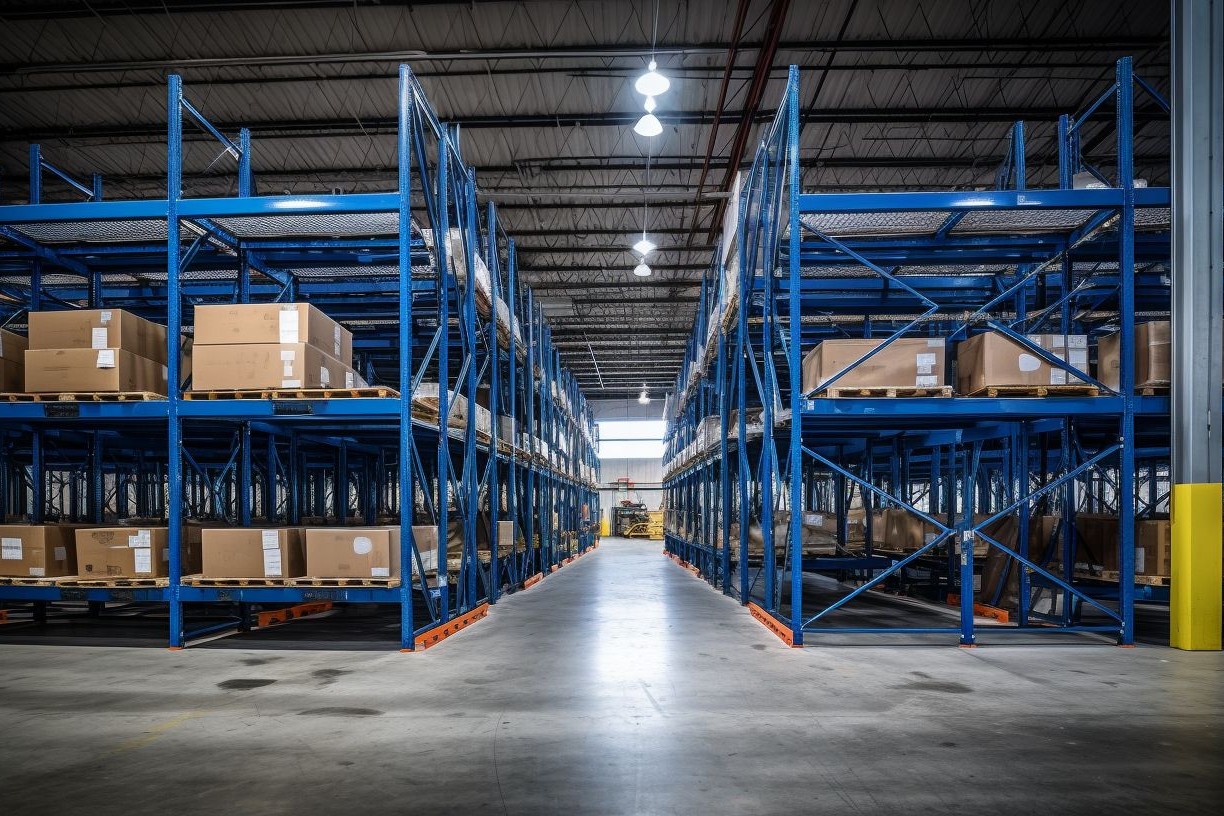
Effective management of inventory costs is a puzzle that every business leader strives to solve. A staggering amount of capital can become tied up in stock, impacting cash flow and profitability.
This guide highlights the complexities of various business inventory expenses and offers solutions to streamline these costs for your enterprise. Discover how smarter strategies can transform the burden of total inventory costs into a balanced asset – continue reading to unlock financial efficiency.
Key Takeaways
Inventory costs include a wide range of expenses such as ordering, holding, shortage and spoilage costs that businesses must manage to maintain profitability.
Accurate forecasting and efficient inventory management systems are crucial for reducing unnecessary spending on excess stock and avoiding revenue loss from stockouts.
Implementing technologies like cloud-based software can provide real-time insights into inventory levels, aiding in cost reduction and decision making for supply chain optimisation.
Setting strategic par levels based on demand forecasts ensures businesses maintain a balance between having sufficient stock to meet customer needs without incurring high carrying costs.
Regularly reviewing lead times with suppliers and employing up-to-date record keeping can significantly streamline operations, improve responsiveness to market changes, and reduce overall inventory expenses.
Understanding Inventory Costs

Delving into the realm of assessing inventory costs, directors must navigate the delicate balance between investment in stock and its potential financial impact. Inventory costs encompass various expenses that companies incur to order, hold, manage, and store their products.
These include capital costs – the funds used to purchase goods – as well as operating expenses like storage space costs, service fees for managing these inventories and handling risks associated with storing inventory keeping stock.
A critical aspect to consider is how carrying costs can quietly consume a substantial portion of your total inventory value – often ranging from 20-30%.
Decoding these expenditures allows for more strategic financial planning and decision-making. For instance, by distinguishing between ordering costs and holding costs, businesses can streamline purchasing practices.
Ordering costs involves expenses related to inventory sales data such as supplier payments and transportation charges; whereas holding cost refers to labour costs and warehousing fees including rent, insurance and utilities involved during storage period until sale happens.
Directors should also pay close attention to shortage costs which arise when there’s insufficient stock leading to lost sales and spoilage which includes items that become unusable over time. Both scenarios affect revenue generation negatively requiring careful management ensure profitability sustainability.
Exploring these nuances helps organisations fine-tune their supply chain operations towards efficacious resource usage while reducing wasteful spending patterns inherent in poorly managed inventory systems.
Types of Inventory Costs

Understanding the array of inventory costs is crucial for any business aiming to streamline its supply chain and bolster profitability. These expenses, often multifaceted and interconnected, encompass everything from initial purchasing outlays to the subtle financial impacts of holding or mismanaging stock – a thorough grasp of which can significantly optimise operations and reduce waste.
Ordering Costs
Ordering costs play a pivotal role in the financial health of your inventory management. They encompass not just the direct expenses like wages and benefits for procurement staff but also cover indirect expenditures such as payroll taxes tied to employee compensation and purchase costs.
Every purchase order carries with it clerical overhead, logistics considerations, and receiving charges which all add up when evaluating your supply chain’s efficiency.
Keeping these ordering costs in check requires meticulous planning and precision. By streamlining the procurement process, you can reduce transportation fees, cut down on labour spent preparing orders, and manage supply effortlessly – ensuring that every dollar spent contributes to your company’s operational success without wastage.
Directors must place emphasis on monitoring these expenses closely to scale operations effectively while sustaining profitability.
Inventory Holding Costs
Inventory holding costs can quickly add up, chipping away at your bottom line. These expenses encompass everything from the rent for your storage facilities to the money you spend on utilities and security.
It’s not just about physical space; there are hidden charges too, like inventory services costs and the cash tied up in stock that could have been used elsewhere.
Savvy directors understand that effectively managing these costs means balancing sufficient inventory levels with minimal excess.
To maintain control over these financial outflows, an efficient inventory management system is vital. This technology provides real-time insight into what stock items you have, helping you make informed decisions about ordering and storing goods.
Keeping a tight rein on your inventory holding costs ensures working capital is optimised rather than being unnecessarily locked away in non-productive assets.
Shortage Costs
Shortage costs hit businesses where it hurts: the bottom line. These are direct hits to your profit margins, incurred by not having enough stock to meet customer demand. Imagine a popular item flying off shelves faster than anticipated, leading to empty spaces and frustrated customers.
Not only do you miss out on immediate sales, but the long-term impact can be just as damaging; your brand’s reputation might suffer when consumers can’t find what they need.
Handling these shortages takes quick action – and often a significant amount of money. Rushed orders with suppliers lead to higher purchasing and transportation fees, while emergency shipping soars above regular rates.
Meanwhile, dedicated customer service teams work overtime trying to soothe dissatisfied shoppers or lose them forever to competitors who have their inventory management dialled in tight.
The true cost of being unprepared for high demand isn’t just about numbers on invoices; it’s about losing trust and future business from once-loyal customers.
Spoilage Costs
Spoilage costs can be a serious drain on business resources, particularly in sectors like food and beverage or pharmaceuticals where products need to stay fresh. These expenses pile up when items deteriorate before they are sold.
Employing an efficient inventory management system is crucial for keeping track of perishable goods, reducing the amount of waste, and cutting unnecessary losses.
Directors should note that optimising stock levels through data analysis minimises the risk of spoilage, leading to better cost control. This approach ensures your company only orders what’s needed, avoiding overstock that could turn into costly spoilage.
Moving on from spoilage costs, let’s delve into the implications of Inventory Carrying Costs on your business’s financial health.
Inventory Carrying Costs
Inventory Carrying Costs represent a significant slice of your company’s financial pie, weighted average cost typically accounting for 20-30% of total annual inventory value alone. These costs are multifaceted, including capital costs tied up in buying the inventory, storage expenses for keeping goods warehoused, service charges linked to insurance and taxes, alongside risk factors such as theft or obsolescence.
Their weight on your balance sheet is undeniable; they can drain cash flow and constrict investment capabilities if not managed astutely.
Formulating ways to trim these carrying costs can unleash potential savings that bolster the bottom line. Consider deploying advanced demand forecasting to minimise excess stock levels or negotiating harder with suppliers to curtail purchase prices.
Optimising warehouse spaces and embracing automation could lead to greater staff productivity – all being strategies that pack a punch in cutting down unnecessary spending on maintaining stock piles.
Proactive measures like these empower directors’ decision-making processes, paving the way towards more fluid capital utilisation and fostering healthier profit margins.
Theft and Fraud
While inventory carrying costs can be significant, businesses must also contend with the potentially devastating impact of theft and fraud. These criminal activities create direct losses to stock levels and inflate operational costs as companies invest in preventative measures such as security systems and comprehensive insurance policies.
Theft is not only about missing products; it often involves intricate schemes that manipulate inventory records, leading to inaccuracies in stock data which can have a ripple effect on supply chain decisions.
Directors face the ongoing challenge of safeguarding assets against theft and fraud through robust inventory management practices. Utilising advanced inventory software helps maintain real-time tracking of stock movements, reducing the likelihood of fraudulent activity going unnoticed.
Investment in state-of-the-art security solutions deters would-be thieves while creating an environment where employees know malpractices are likely to be detected swiftly. A diligent approach towards managing these risks proves critical for financial stability and maintaining shareholder trust.
Damage & Obsolescence
Damage and obsolescence are two inventory costs that can significantly impact your bottom line. Products can get damaged during handling, transit, or storage, leading to unexpected, expenses incurred for repairs or write-offs.
This is where robust inventory control systems come into play; they minimise the risks by tracking items effectively from warehouse to retail store. Moreover, with fast-paced market changes and technological advancements, inventory may become obsolete before it is sold.
Investing in predictive analytics through efficient supply chain management software, such as Microsoft Dynamics D365, helps anticipate consumer demand shifts – reducing instances of dead stock
Proactively managing these challenges ensures you move smoothly into budgeting for other potential costs like poor investment decisions. Transitioning to the next aspect ‘Poor Investment Budgeting,’ consider how strategic financial planning could safeguard against such losses and optimise overall efficiency in your organisation’s operations.
Poor Investment Budgeting
While damage and obsolescence can dent your profits, ineffective investment budgeting in inventory can cause even wider financial strain. High carrying costs often reflect a failure to allocate funds wisely, with too much capital locked up in stock that isn’t turning over quickly enough.
This misstep means money is sitting idle on shelves when it could be driving growth elsewhere in the business.
Overspending on inventory not only squeezes cash flow but also stifles agility and responsiveness to market changes. Excess stock might seem like a safe bet, but it actually prevents companies from pivoting swiftly to meet evolving customer demands or investing in innovation – if resources are tied up in surplus goods, opportunities for strategic advancement are missed.
Directors need to gauge their inventory budgets carefully, ensuring investments yield positive returns rather than becoming costly burdens that hamper company performance.
Importance of Accurate Inventory Costing

Accurate inventory costing stands at the heart of strategic financial management within a business. Directors must recognise that obtaining precise cost information is pivotal for maintaining competitive pricing and maximising profit margins.
Sharp cost analysis informs crucial decisions on production, sales, and distribution, ensuring the company operates efficiently. It balances inventory levels to meet demand without incurring excess holding costs or risking stockouts.
Practicing diligent inventory management lays a strong foundation for forecasting future expenses and revenues with greater confidence. It allows businesses to detect trends and adjust their strategies accordingly, potentially reducing supply chain costs and improving cash flow stability.
Accurate costing accounts for all variables including ordering fees, storage and warehousing costs and charges, transportation costs, as well as unexpected overheads such as spoilage or theft – elements critical to forming a resilient supply chain strategy that withstands market fluctuations and drives long-term success.
Negative Effects of Poor Inventory Control on Costs
Transitioning from the pivotal role of accurate inventory costing, we shall now delve into the detrimental impacts that arise from subpar inventory control mechanisms. Poor inventory management escalates holding costs and ensnares capital that could have been invested elsewhere in the company.
This misallocation of funds jeopardises cash flow and diminishes overall business agility.
An additional burden stems from elevated lead times – a direct consequence of a disjointed stock oversight. Extended delays not only erode customer satisfaction but also chip away at potential profit margins, as sales opportunities are lost amidst wait times.
Moreover, inefficiencies in managing slow-moving items amplify waste and shrinkage, inflating expenses unnecessarily. Without diligent categorisation and tracking of stock, businesses may incur superfluous outlays on obsolete or redundant items, draining resources further.
In essence, lacklustre inventory control can become a sinkhole for financial resources, undermining profitability and putting stress on the operational budget.
Strategies to Reduce Inventory Costs
Implementing effective strategies to streamline your inventory management processes can lead to significant cost savings and operational efficiencies. This section delves into innovative approaches that businesses can adopt, focusing on enhancing forecast accuracy and optimising warehouse space utilisation.
Intelligent Demand Forecasts
Smart demand forecasting is the backbone of cutting inventory costs. It’s all about predicting what your customers will want, making sure you’re not stuck with too much stock or scrambling to meet demand.
Directors who master this can expect smoother operations and healthier bottom lines. The secret lies in creating dependable monthly processes that pull together data from every sales channel.
You’ll get a clearer picture of what sells, spot trends faster, and adjust your stock levels with precision.
Measuring forecast accuracy isn’t just number crunching; it’s strategic thinking. By examining predictions at different layers – product lines, regional markets, individual SKUs – leaders can pinpoint where forecasts hit the mark or miss it completely.
With consistent valuation methods applied to inventory forecasting, directors manoeuvre through market fluctuations easily – holding onto capital by avoiding excess stock or panicked buying when shelves run bare.
Harness these techniques and transform how your company tackles the complex puzzle of managing inventory costs effectively.
Efficient Space Utilisation
Building on intelligent demand forecasts, efficient space utilisation in warehouses can significantly enhance inventory control. Accurate predictions of product demand ensure that only necessary quantities are stored, thus maximising the use of available storage space.
This prevents overstocking and reduces inventory costs involve unnecessary capital tie-up in sluggish inventory.
Employing robust inventory management software streamlines tracking and ensures every item is correctly allocated a place within the warehouse layout. It helps maintain optimal stock levels and facilitates quick retrieval for shipping, which directly impacts customer satisfaction levels.
Efficiently managed spaces also accommodate seasonal fluctuations without risking stockouts or excesses, maintaining a harmonious balance throughout the supply chain’s ebb and flow.
Regular Record Keeping
Maintaining up-to-date inventory records is a pivotal aspect of supply chain management. Exceptional record-keeping allows directors to make well-informed decisions regarding stock levels, order timings, and financial planning.
Accurate data capture is central to pinning down the exact costs associated with inventory holding and turnover rates. This practice aids in identifying patterns that could signal overstocking or under-utilisation of resources.
Implementing robust systems for regular record keeping can significantly streamline operations. It ensures that inventory management costs are kept under control by highlighting areas where inefficiencies lie.
Continuous monitoring through reliable records is fundamental in achieving cost optimisation within the supply chain, enabling businesses to stay competitive while preserving capital and resource allocation.
Setting Par Levels
To keep inventory risk costs minimal and overall inventory costs down, it is crucial to establish strategic PAR levels for your stock. These predetermined quantities ensure you have enough goods to meet demand without excess that could lead to waste or increased holding costs. Supply chain management software, such as Microsoft Dynamics D365, helps anticipate consumer demand.
Categorising stock items enables more precise setting of these levels, tailoring them to the unique demand and turnover rates of different types of inventory.
Careful forecasting plays a key role in this process; by predicting customer needs accurately, you can set par levels that maintain balance between having too much or too little inventory.
Consistent inventory valuation methods are also essential in ensuring par level effectiveness and avoiding costly overstocking or stockouts which could impact customer satisfaction and profits.
Implementing these measures creates a streamlined approach to managing supply chain pricing, reducing overall supply chain cost, and optimising your company’s operational efficiency.
Monitoring Lead Times
Monitoring lead times closely helps prevent stockouts and excess inventory, both of which can drain your company’s resources. You must track the time from placing an order to its arrival in your warehouse.
Quicker lead times mean more responsive inventory management and a leaner supply chain, ensuring that capital isn’t tied up in unnecessary stock.
Seamless coordination with suppliers is crucial for reducing lead time variability. It enables you to predict delays ahead of time and adjust orders accordingly, maintaining optimal stock levels without overcommitting funds.
The next step involves embracing cloud-based technology implementation to further streamline this process.
Cloud-Based Technology Implementation
While keeping an eye on lead times is crucial, embracing cloud-based technology takes the company’s inventory costs and management strategy to the next level. Directors should note that such systems offer more than mere convenience; they are a strategic tool for cost reduction.
Real-time stock reports generated by these platforms enable swift decision-making, reducing the risk of overstocking or underordering. This agility in adjusting inventory levels can significantly minimise holding and shortage costs.
Implementing cutting-edge software like Microsoft Dynamics 365 Supply Chain Management helps streamline inventory management further by keeping a meticulous record of all items as they move through the supply chain. These solutions offer directors a clear view of their supply chain’s performance, equipping them with the information needed to optimise operations.
The right cloud-based technology ensures that data essential for managing inventory fees, inventory turnover, rates and restocking procedures is readily available, empowering businesses to operate with unprecedented efficiency and accuracy in controlling their inventory expenditures.
Common Mistakes in Managing Inventory Costs
Managing inventory costs effectively is a critical but delicate process that often trips up even seasoned business leaders. A miscalculation or oversight here can have far-reaching consequences, as seemingly minor errors in judgment or strategy compound over time to erode your bottom line significantly.
Neglecting Inventory Management in Forecasting
Companies often underestimate the critical role of inventory management in forecasting, which can lead to costly oversights. Proper forecasting hinges on a deep understanding of inventory levels, turnover rates, and demand patterns.
Failures here might mean capital tied up in excess stock or lost sales from out-of-stock situations. With approximately 20-30% of total inventory value being tied up in carrying costs, overlooking these aspects can have a significant financial impact.
Directors must ensure that their teams not only monitor current stock but also rigorously analyse historical data to predict future needs accurately. This requires an intricate balance between too how much inventory and too little inventory, aligning with projected sales to maximise profitability and customer satisfaction.
Ignoring this balance results in elevated risk costs and missed opportunities – a setback no business leader wants to face.
Always Buying in Bulk
Purchasing large quantities may seem like an efficient way to manage inventory costs, but it often brings unwarranted financial strain. The common belief that bulk buying equals cost-saving can backfire if not managed carefully.
Directors should note the risks associated with overstocking; an unsold inventory of items can quickly turn into financial losses, especially in sectors where products have limited shelf lives or where trends shift rapidly.
Moreover, low warehouse vacancy rates pose a significant challenge for storing excess inventory. It becomes particularly problematic when trying to make space for new, seasonal goods which are essential for maintaining cash flow and meeting consumer demands.
This situation has a direct impact on inventory prices and supply chain costing, diminishing the supposed savings from bulk inventory purchases and necessitating strategic stock control to maintain financially sound operations.
Understocking
Understocking can sneak up on you, leading to unwanted stockouts and missed sales opportunities. It’s essential for directors to actively manage reorder levels and minimum order quantities effectively.
Without vigilant oversight, you risk losing customers who can’t wait for backordered products. Regular analysis of the cost and quantity of your inventory will spotlight slow-moving items that tie up capital, ensuring fast-movers remain in stock and ready to meet demand.
Long lead times spell trouble for maintaining optimal inventory levels. Directors must work closely with suppliers and use accurate demand forecasts to prevent the gap between ordering and receiving goods from causing shortages.
This strategic approach helps safeguard against the pitfalls of understocking, which not only affects customer satisfaction but also has a ripple effect across your financial statements by hampering revenue potential.
Underestimating the Need for Inventory Management Software
Moving on from understocking issues, another critical area that directors must address is the adoption of inventory management software. In a fast-paced market where demand can shift at lightning speed, relying solely on manual processes or outdated systems can lead to costly mistakes.
Inventory management software isn’t just about keeping track of stock levels; it’s an essential tool for strategic planning and maintaining a competitive edge. By integrating Cloud-Based Accounting systems businesses gain real-time insights into their inventory performance, which helps prevent overstocking and understocking scenarios.
Many executives might balk at the initial investment required for sophisticated inventory solutions; however, the cost pales in comparison to savings garnered from improved accuracy and efficiency.
This type of technology streamlines operations by automating tasks such as reordering and tracking product movements throughout supply chains – tasks that are crucial when aiming for cost optimisation in supply chain activities.
Firms that overlook this pivotal resource risk falling behind competitors who harness these tools for better decision-making and more robust financial health.
How to Calculate Inventory Costs
Grasping the nuances of inventory cost calculation is crucial for maintaining a healthy balance sheet; by applying a coherent formula, businesses can unveil the precise financial impact of their stock on overall operations.
This segment delves into methods that streamline this process, ensuring directors can accurately gauge and optimise their inventory investments without undue complexity.
Inventory Cost Formula
Calculating inventory costs precisely is essential for your company’s financial health. For this you’ll need various expenses. Start with ordering costs, which cover the costs involved in everything from purchase orders to processing and receiving goods.
Then add up the inventory carrying cost formula and the holding or storage costs – this includes warehouse space rental, insurance, and utilities that keep your inventory safe until it sells.
Don’t overlook other critical components like shortage costs, spoilage costs if products go bad before they are sold, and carrying costs which can often be missed when figuring out gross profit.
A firm grip on these calculations ensures efficient re-order levels and optimal minimum order quantities. Your ability to manage these numbers will directly influence profitability by steering clear of unnecessary expenditure on excess stock or emergency reordering due to shortages.
Use of Online Inventory Cost Calculators
After exploring the traditional Inventory Cost Formula, it’s clear that precision is crucial in managing supply chain costs. Online inventory cost calculators serve as powerful tools for this purpose.
They simplify complex calculations and ensure that directors have access to quick and accurate cost assessments.
These digital solutions seamlessly integrate with Cloud-Based Accounting systems like Dynamics 365, providing real-time reports on stock items. With just a few clicks, users can input data such as units ordered, holding rate, and order costs to receive a comprehensive analysis of the amount calculating total inventory costs, cost and supply chain fees.
This enables effective oversight of inventory financing costs without wading through spreadsheets or manual calculations – a valuable asset for keeping your business’s bottom line healthy.
Conclusion
Managing the different types of inventory related costs can steer your business towards greater efficiency and profitability. It involves a keen eye for detail, an analytical approach to cost management, and the implementation of smart strategies that cut waste while enhancing operations.
Embrace technology such as cloud-based software to keep track of every penny spent on inventory – it’s an investment in your company’s future success. Remember, effective inventory cost management is not just about cutting expenses; it’s about optimising your supply chain to meet customer demand without excess overheads.
Take control today and watch your business thrive tomorrow.
FAQs
1. What is inventory cost?
Inventory cost includes all expenses related to buying and handling goods such as the purchase price, raw materials, supply chain management costs, and storage fees.
2. Can you explain the different types of costs associated with inventory?
Yes! Costs like receiving costs, production costs, inventory carrying costs, inventory service costs, and lost opportunity costs are part of what makes up total inventory cost. Then there’s the first-in-first-out (FIFO) or last-in-first-out (LIFO) methods that affect how we calculate these figures.
3. How do businesses calculate the cost of their inventory?
Businesses use a formula for their ending inventory cost which factors in their beginning inventory value plus additional purchases minus what they sell (this is often referred to as Cost of Goods Sold (COGS)), to find out the ending stock value.
4. Why should companies care about supply chain cost optimisation?
Supply chain cost optimisation helps lower overall expenses by making things like transport and warehousing costs more efficient through strategies such as technology implementation like Electronic Data Interchange (EDI).
5. What tactics can reduce supply chain costs?
Companies might streamline processes, negotiate better terms with suppliers or make use of just-in-time ordering to trim down supply-related overheads and improve efficiency within their supply chains.
6. Does effective inventory management impact other areas beyond costing?
Definitely! Good practice in managing inventories can help increase your company’s turnover rate while minimising risks such as overstocking or understocking through systems like POS systems and Inventory Management Software.
And there's more...