Efficiently managing all types of inventory can be a complex puzzle for many businesses. A staggering 43% of small businesses do not track their inventory effectively or use more manual inventory processes, leading to potential losses.
Our guide will take you through the different types of inventory and how understanding them can streamline your operations and boost profitability. Delve in to master the essentials of how many types of inventory are in the factory and management.
Key Takeaways – Types of Inventory
Efficient inventory management prevents stockouts and overstocking, directly influencing a company’s cash flow and profitability.
There are four main types of inventory – Raw Materials, Work-In-Process (WIP), Finished Goods, and MRO – each requiring different strategies to manage effectively.
Implementing advanced inventory management systems can streamline operations, help predict future demands accurately, and provide real-time data for better decision-making.
Inventory analysis boosts profitability by identifying inefficiencies and supports strategic decision-making with insights into stock levels and product lines.
Adopting best practices such as FIFO, regular audits, demand forecasting, embracing technology, optimising warehouse layout, implementing cycle counting helps maintain optimal stock levels while minimising costs.
Defining the Types of Inventory

Inventory serves as the backbone of a company’s operations, encompassing all items that are ready for sale or in various stages of production. It’s an asset on the company’s balance sheet and central to revenue generation, spanning raw materials awaiting transformation into final products, work-in-progress, work in progress inventory, other names for items made during various manufacturing steps, and finished goods ready for customer orders.
Inventory management thus becomes a strategic pivot point in balancing supply and demand dynamics.
Directors need to grasp the breadth of their inventory categories to steer their organisation towards efficient operation. This involves recognising not just what is on hand but also understanding just how much inventory of each type contributes to smooth business operations – from maintaining sufficient safety stock to avoid stockouts, securing cycle inventory for regular sales fluctuations, right up to managing service inventory for after-sales support.
Effective handling of these elements can result in improved cash flow and optimised resource allocation across the supply chain network.
The Importance of Inventory Control

Effective inventory control is a balancing act that keeps your company’s wheels turning smoothly. It’s about having the right inventory of products, in economic order quantity in the right place, at exactly the right time.
This precision helps to dodge costly errors like overstocking or running out of popular items. Directors understand how vital this balance is because it directly impacts cash flow and profits.
A robust inventory system tracks sales patterns and uses this information to predict future demand, making sure capital isn’t tied up in excess stock while also securing enough supply to meet customer needs.
Maintaining optimum levels of stock requires foresight and agility – any slip can lead to disgruntled customers or inflated costs from urgent restocking. Control systems empower businesses with proactive measures such as automated reordering triggers and real-time data on stock levels across multiple locations.
These mechanisms streamline purchasing processes, ensuring that investment in inventory turns into revenue efficiently rather than becoming a dormant asset gathering dust on warehouse shelves.
Good management here means a resilient supply chain ready to handle fluctuations in market demand without missing a beat.
The Four Types of Inventory

Understanding the four types of physical inventory is essential for any director looking to streamline operations; delve into our guide for insights on managing these critical assets efficiently.
Raw Materials
Raw materials serve as the fundamental components in manufacturing and are essential for the entire process of producing the final products that companies offer to their customers. These materials include anything extracted from nature or harvested, such as metals, wood, oil, grain and countless other examples of inventory and indirect raw materials.
They form the foundation upon which production rests and without them, the creation of goods simply cannot commence.
Companies must carefully manage direct raw materials and material inventory to ensure a steady supply for uninterrupted production whilst minimising waste and inefficiencies. This involves forecasting demand accurately, establishing solid relationships with suppliers and keeping track of costs associated with procurement.
Effective management of raw materials not only supports operational continuity but can also lead to cost savings by avoiding over-purchasing or underutilising these critical assets.
Work-In-Process
Work-In-Process (WIP) inventory acts as the lifeblood of production, holding a place for items that are in between the start and finish lines of manufacturing. This type of inventory reflects goods undergoing transformation into final products, and meticulous observation is needed to prevent bottlenecks.
Directors must understand that managing WIP requires a strategic approach; it’s not just in time inventory or about tracking what’s on the factory floor but also about streamlining workflow to maximise productivity.
Keeping tabs on work-in-process inventory is no small feat – it calls for rigorous coordination amongst team members and precise timing. Companies looking to shave expenses and enhance efficiency should focus here, where potential savings hide in plain sight.
Effective handling of this element within your inventory ensures resources are used optimally, contributing significantly to the bottom line without compromising product quality or delivery timelines.
Finished Goods
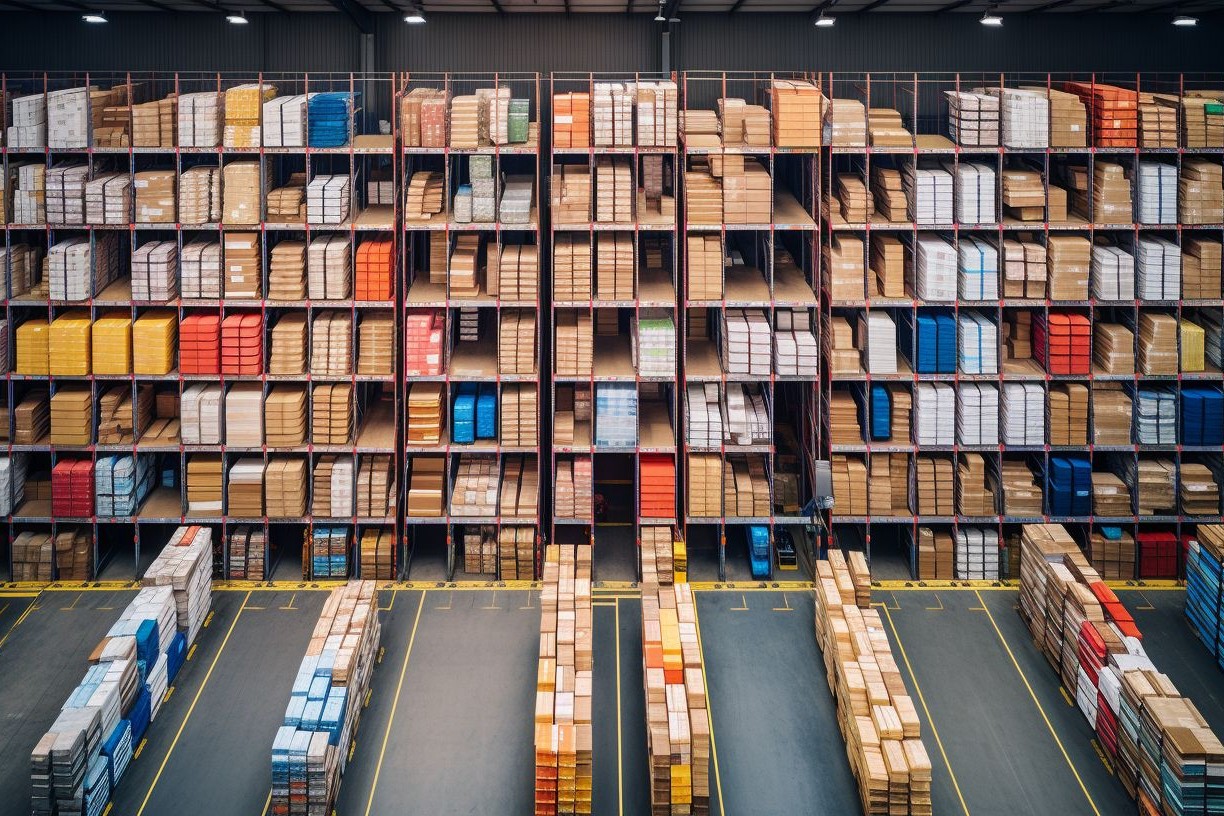
Finished goods stand as the culmination of production efforts, the finished product fully crafted and ready to hit the market shelves. They embody a company’s commitment to quality and responsiveness to customer demand, reflecting refined business processes, from raw materials to packaged products.
Curating an optimal selection 7 types of inventory for these items requires a strategic balance; too much is inventory turnover and ties up valuable resources, while using too much inventory too little risks stockouts and lost sales opportunities.
Companies harness sophisticated inventory management systems, adopting agile methods like just-in-time delivery to minimise storage costs yet ensure products are on hand when needed.
This approach supports dynamic supply chain operations that can pivot swiftly with market trends – essential for maintaining competitive edge and satisfying shareholder expectations in today’s fast-paced business environments.
Managing finished goods efficiently not only streamlines operations but it also secures a steady revenue flow crucial for any thriving enterprise.
Overhaul/Maintenance, Repair, and Operating Supplies (MRO)
Shifting focus from finished products, let’s consider the essential role of Overhaul/Maintenance, Repair, and Operating Supplies (MRO). These items are pivotal for the smooth operation of the manufacturing system what are the 5 types of inventory in any business.
Inventory managers must strategically control MRO supplies to avoid unnecessary costs while ensuring that operations run without a hitch. From office essentials to the tools indirect materials and equipment needed on a daily basis, MRO inventory encompasses all consumables packaging materials that support production but don’t make it into the end product.
Effective management of these goods demands careful planning and a keen understanding of when to replenish. It involves keeping track of wear-and-tear on machinery to predict when repairs will be needed.
This helps in maintaining optimal performance levels across various departments within an organisation. Remembering its importance in manufacturing and other businesses, can save time during critical breakdowns or maintenance periods by having all necessary operating supplies at hand for immediate use, directly impacting productivity and operational efficiency.
Other Types of Inventory

Beyond the foundational categories of inventory example, businesses manage a range of specialised types of inventories, each serving a unique purpose within the supply chain continuum.
These nuanced stock classifications are pivotal for achieving operational efficiency and meeting dynamic market demands.
Safety Stock
Having a robust safety stock is crucial to combat the unpredictability of supply and meet demand well. It serves as an insurance against unforeseen spikes in customer orders or unexpected delays from suppliers.
Directors should note that maintaining a strategic level of safety stock ensures your own company inventory can still meet client demands, even when faced with sudden stock shortages or logistical hiccups.
Calculating the right amount of safety stock involves careful analysis of purchasing trends and previous sales data. This foresight helps keep production lines running smoothly without costly interruptions, safeguarding not only operational continuity but also customer satisfaction and trust in your brand’s reliability.
The next types of inventory system is decoupled inventory, which plays its own distinct role in efficient inventory management systems.
Decoupled Inventory
Decoupled inventory serves as a critical buffer within the production process. It consists of spare parts or components that are kept on hand to ensure continuous operations, even if upstream supplies face unexpected delays.
Acting as an insurance policy, this type of perpetual inventory system allows for seamless manufacturing flow and helps avoid costly downtimes.
Effective management of decoupled inventory requires precise forecasting and vigilant control systems. Directors must keep these stocks at optimal levels to prevent overinvestment in unused materials while still safeguarding against supply chain disruptions.
Continual monitoring paired with smart analytics ensures that production lines keep humming along without interruption, maintaining efficiency in the long run.
Transit Inventory
Transit inventory is all about movement, capturing the lifeblood of trade as goods travel to their destinations. These items are on the journey from suppliers to warehouses or directly to customers and aren’t yet available for sale.
Businesses must master the art of managing this type of inventory because it’s vital for aligning supply with customer demand. The constant flow of products, whether they’re raw materials headed to factories or finished goods en route to the retail store shelves, requires meticulous coordination.
Harnessing advanced inventory management systems becomes a game-changer in handling transit assets. Directors understand that tracking these mobile types of inventories in accounting also ensures that no item gets lost in limbo, which can disrupt the entire supply chain’s rhythm.
It involves strategic partnerships with suppliers and logistics experts who help navigate complex transit paths. This acute focus on asset management not only streamlines operations but also bolsters the company’s ability to fulfill orders promptly – a critical aspect in maintaining market competitiveness and customer satisfaction.
Excess Inventory
Shifting focus from transit inventory, it becomes clear that excess stock presents its own unique challenges that demand attention. Holding too much stock can drain resources and inflate storage costs, making effective management a necessity for maintaining profitability.
Companies find themselves grappling with the consequences of overstocking, which include not just financial burdens but also the risk of products becoming obsolete before they ever reach consumers.
Directors must prioritise strategies to prevent surplus stocks from accumulating undetected. Advanced tools like Microsoft Dynamics 365 cloud-based solutions offer modern ways to tackle this issue by providing real-time data and analytics for better decision-making.
Employing methods like ABC analysis helps identify critical areas where excess is most costly and action is most needed, allowing businesses to streamline their operations and maintain a healthy balance between supply and demand.
The Importance of Different Inventory Types
Recognising the significance of various inventory types in accounting, is essential for managing resources effectively and maintaining a streamlined supply chain. Each type carries its own costs and risks, making it imperative to understand their impact on financial statements and tax calculations.
Raw materials need careful handling to prevent waste, whereas work-in-progress inventory requires diligent tracking to reduce any production line bottlenecks.
Efficient management of finished goods ensures prompt delivery to customers and maintains cash flow continuity. Overhaul/MRO supplies are less obvious but equally important; they keep operations running smoothly without costly interruptions.
Balancing these different elements can lead to improved negotiation with suppliers, better pricing strategies, and optimal stock levels that meet consumer demands without tying up excessive capital in storage costs or risking stockouts.
Directing efforts towards each type distinguishes successful businesses by reducing overheads and enhancing customer satisfaction through reliable product availability.
The Role of Inventory Management
Effective inventory management maintains the delicate balance between too much and too little, ensuring that supply meets demand without tying up unnecessary capital. It extends beyond mere counting of products; it’s about smart purchasing decisions, accurate forecasting, and minimising losses from obsolete items.
Directors know this well: inventory ties directly into profitability by affecting both the cost of goods sold (COGS) and the income statement. A lean inventory lowers costs but increases the risk of stockouts, whereas excess inventory costs and can lead to discounting or spoilage, especially in fast fashion or perishable goods.
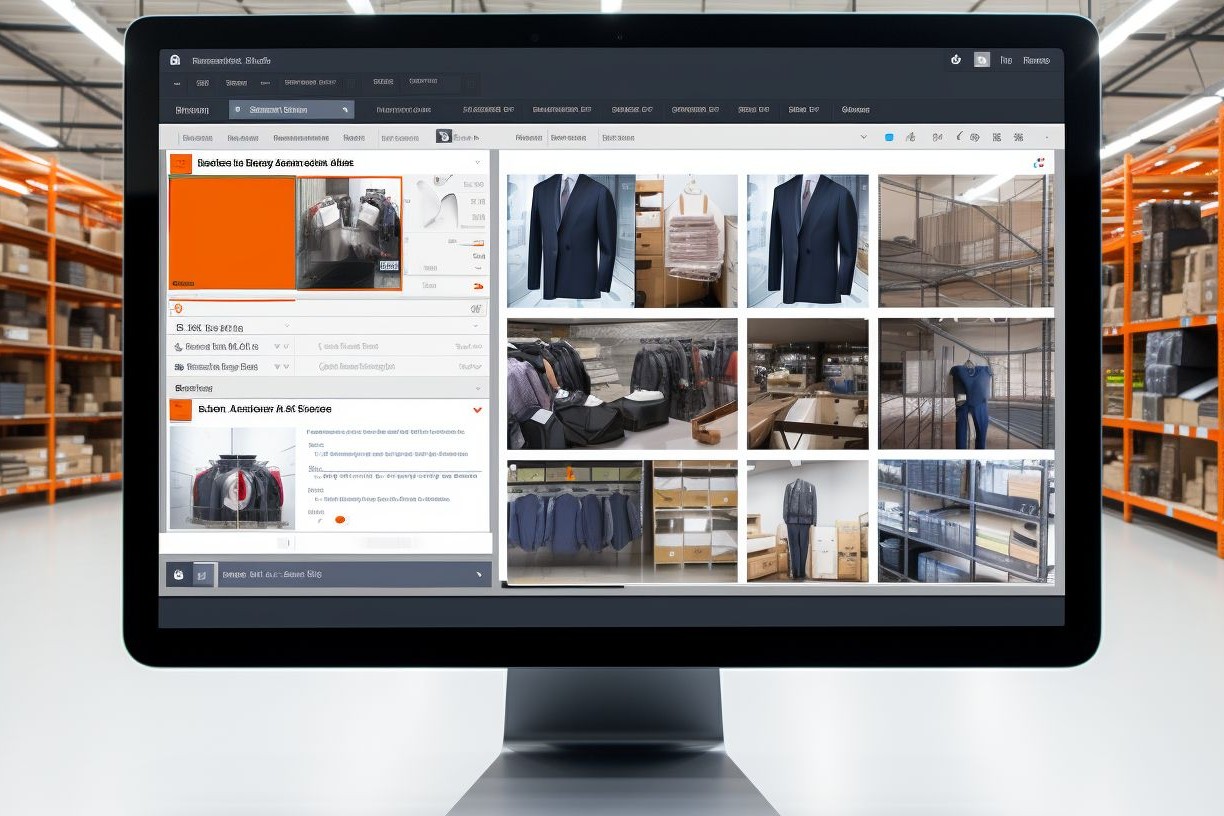
Implementing a robust type of inventory management system propels a company forward with data-driven decisions. Inventory and financial reports on the what are the 4 types of inventory management often used in accounting give clear insights into where money is invested and how it can be optimised for better returns.
With modern tools like barcodes, QR codes, and advanced software solutions, tracking becomes more efficient than ever before. These systems aid in everything from cycle and inventory management examples part counts, to demand forecasting – integral activities for directors who must deliver results while steering their companies through complex supply chains and fluctuating markets.
Benefits of Inventory Analysis
Inventory management lays the foundation for a streamlined supply chain, and diving deeper into inventory analysis reveals its numerous advantages. This process offers directors a multitude of types of inventory strategies and benefits that drive business success.
Boosts profitability: A thorough inventory analysis helps identify and eliminate inefficiencies, leading businesses to enjoy enhanced profit margins due to improved stock optimisation.
Improves customer satisfaction: By predicting customer demand accurately, companies can ensure product availability, thus reducing lead times and keeping customers happy.
Enhances supplier relations: Regular inventory analysis provides insights that help in negotiating better terms with suppliers, which can lower purchase costs.
Reduces stockouts and overstock: Inventory analysis aids in maintaining the balance between too much and too little stock, protecting against lost sales or excess capital tied up in inventory.
Supports informed decision-making: Data-driven insights from inventory analysis empower directors to make strategic decisions regarding stock levels and product lines.
Increases efficiency in operations: It highlights bottlenecks within the supply chain, allowing for adjustments that streamline processes from procurement to distribution.
Minimises waste: By identifying obsolete or slow-moving stock early on, inventory analysis enables timely clearance strategies that reduce wastage and associated costs.
Promotes continuous improvement: Ongoing analysis fosters a culture of continual assessment and refinement across all aspects of inventory management.
Best Practices in Inventory Management
Directors understand that effective inventory management can be the cornerstone of a successful business. Implementing best practices in proper types of inventory accounts and management strategies ensures optimal stock levels and minimises costs.
Utilise a First-In, First-Out (FIFO) approach: This method ensures that the oldest stock is sold first, reducing the risk of obsolescence and spoilage.
Embrace technology: Inventory management systems streamline processes, offer data-driven insights, and improve accuracy in tracking items across supply chains.
Conduct regular audits: Physical inventory counts are essential for verifying system records, identifying discrepancies, and updating data to reflect actual stock levels.
Foster relationships with suppliers: Developing strong partnerships can lead to more favourable terms and a better understanding of lead times for restocking.
Balance safety stock wisely: Keep enough buffer stock to prevent stockouts but not so much that it ties up capital or leads to excess storage costs.
Adopt real-time monitoring: Utilising real-time data from your inventory management software helps anticipate needs and rapidly respond to changes in demand.
Train staff effectively: Ensure team members are knowledgeable about your inventory system and management practices to maintain efficiency at every level.
Analyse turnover rates: Keeping an eye on how fast items sell enables informed decisions on purchasing, discounting slow-movers, and replenishing popular products.
Practice demand forecasting: Use quantitative forecasting to predict sales trends, helping you adjust inventory levels proactively rather than reactively.
Optimise warehouse layout: Efficiently designed storage facilitates faster picking and restocking processes while reducing handling time and potential for errors.
Implement cycle counting: This targeted approach to counting specific areas of inventory reduces disruption compared to full physical inventories and keeps records accurate year-round.
Conclusion – Types of Inventory
In mastering the three types of inventory above, directors pave the way for streamlined operations and financial efficiency. Thriving in today’s markets hinges on adept inventory management, a skill that starkly impacts a company’s bottom line.
The insights shared offer valuable strategies to manage stock effectively and stay ahead of supply chain challenges. Harness this knowledge to transform your company’s inventory now into a powerhouse asset, fueling business success and customer satisfaction.
Let these principles guide your managerial practices for tangible improvements across your company’s board.
FAQs
1. What are the main types of inventory?
There are several key types of inventory, including raw materials, work-in-progress (WIP), finished goods inventory, cycle stock, anticipation stock, decoupling inventory and MRO (maintenance, repair and operations) supplies.
2. Why is managing inventory important for a business?
Inventory management is crucial because it helps maintain a balance between having enough stock to meet customer demand without incurring excess costs or opportunity losses due to overstocking.
3. Can you give examples of different types of inventory systems?
Examples of successful inventory management systems include just-in-time delivery where stock levels are kept low; last-in-first-out (LIFO) method which manages changing labour costs well; and perpetual systems that continuously track inventory levels using technology.
4. How do supply chain management and warehouse distribution centres use these inventories?
Supply chain management utilises various classes of inventory, 4 types of inventory, to ensure smooth operations from production to delivery through careful coordination with warehousing and distribution centres.
5. Are there specific inventories used by manufacturers?
Yes, manufacturing inventories typically consist of 3 types of inventory: raw materials like fabric for clothing brands or cardboard for packaging – direct materials needed during fabrication – and WIP items as products move along the conveyor through different stages until they’re completed.
6. What’s the connection between packing materials like pallets and biscuits within an inventory system?
Packing materials such as pallets help companies efficiently store and transport goods like boxes filled with biscuits – these become part of handling inventories controlled within warehousing before reaching buyers.
And there's more...