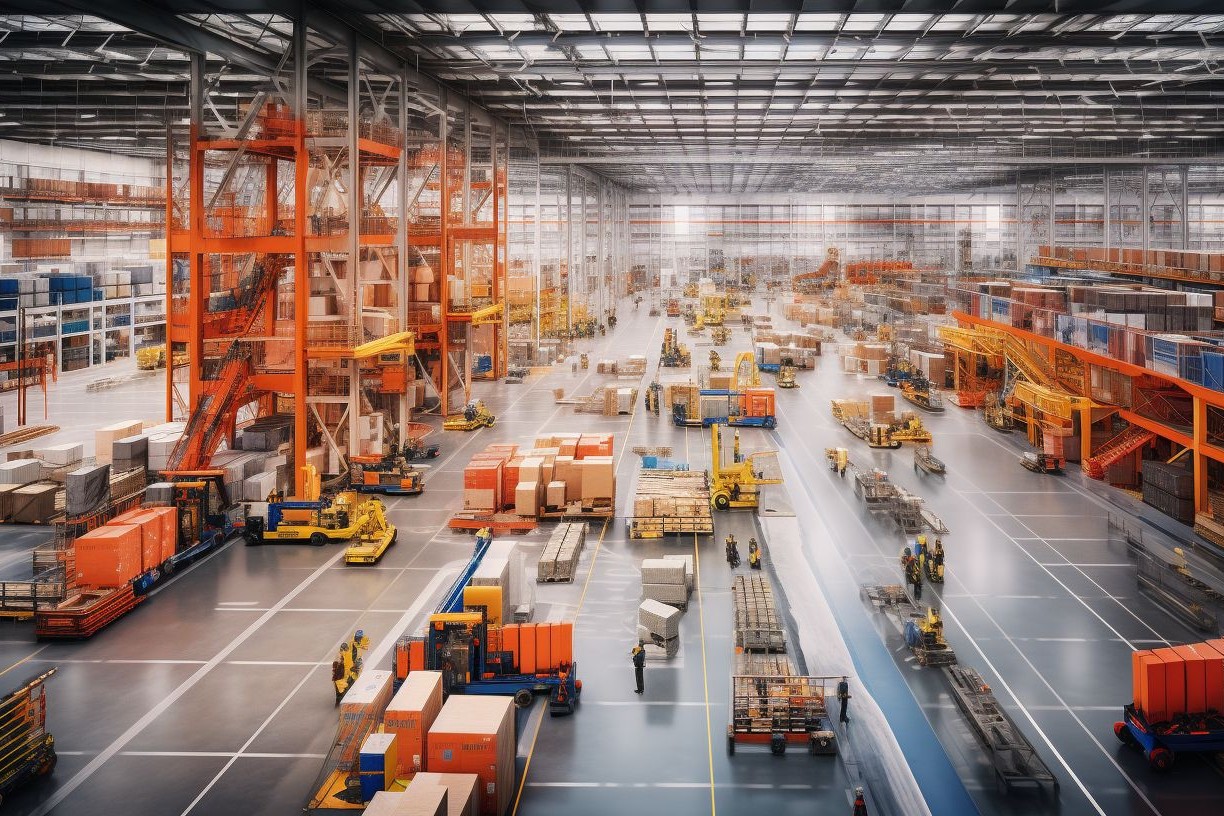
In modern manufacturing, creating reliable products hinges on precise tooling. Tooling shapes everything from car parts to medical devices with incredible accuracy. This article will unpack the crucial role of tooling in enhancing production quality and efficiency.
Key Takeaways from Tooling In Manufacturing
Tooling is central to the manufacturing process as it dictates the efficiency and quality of products.
There are different types of tooling, such as soft and hard tooling, each with unique advantages meant for specific applications.
The cost of tooling impacts a company’s budget significantly; factors like material costs, production volume, and design complexity must be considered.
Advanced technologies in tooling reduce manual labour and overall costs while maintaining high precision in manufacturing.
Strategic investment in bridge tooling can speed up prototype development and market testing without compromising on full-scale production preparation.
Understanding the Significance of Tooling In Manufacturing

Tooling stands as the backbone of manufacturing, a critical element that shapes both the form and function of every other manufactured product emerging from a production line. It influences not only the speed and precision with which items are made but also ensures adherence to rigorous quality standards that define market-readiness.
The role of tooling in product development
Product development hinges on precision tooling to turn innovative ideas into tangible goods. The process of manufacturing involves careful design and engineering to create tools that shape, form, and mould materials into parts meeting exact specifications.
These tools are the cornerstone of producing components with tight tolerances required by various industries. Whether it’s for cutting intricate shapes or forming materials with complex geometries, tooling ensures each part fits seamlessly into the final finished product.
This crucial phase not only defines the functional integrity of the finished part of a component but also its manufacturability at scale. Tool makers must consider factors like mechanical strength and rigidity to withstand high pressure and repeated manufacturing cycles without compromising quality.
With advanced software tools now aiding this stage, companies can achieve higher efficiency rates reducing costs passed on to customers. Effective production tooling is imperative for keeping production lines running smoothly while adhering to compliance and safety standards inherent in ISO 9001:2015 certifications.
The impact on manufacturing efficiency and quality
Optimising tooling in manufacturing directly enhances efficiency and ensures the consistent quality of products. With advanced tooling, machines run smoother and faster, reducing downtime and increasing output rates.
High-quality tooling is crucial; it minimises wear and tear on equipment more tools, leading to less cycle times and fewer interruptions for maintenance or repairs. This steady production flow allows manufacturers to meet deadlines without sacrificing the superior finish of their goods.
Equipping a factory with top-notch tools can revolutionise product life cycles. Hard tooling, although more expensive initially due to its mechanical strength and rigidity, pays off by supporting high volume production with minimal degradation over time.
Meanwhile, soft tooling might produce parts that seem cost-effective but requires frequent replacements that could disrupt manufacturing schedules and contribute to waste. Prioritising premier tooling translates into reliable performance during critical processes such as injection molding or CNC machining, reducing the risk of product defects that compromise customer satisfaction.
Exploring the Types of Tooling In Manufacturing

Diving into tooling types reveals a diverse landscape, where each variant is engineered to meet specific production demands and optimise manufacturing workflows.
This segment will decode the nuances between different tooling options, shedding light on their unique applications and operational benefits in a high-stakes industry.
Soft vs. Hard Tooling
A soft tooling process may be the quicker and more cost-effective option at first glance, but it’s not without its drawbacks. Its production speed allows for faster prototyping, with processes like 3D printing or milling shaping tools swiftly.
However, these tools wear out quickly, demanding frequent replacements which can lead to longer overall turnaround times and additional waste.
Conversely, hard tooling stands as a bastion of durability in manufacturing tooling. Constructed from materials such as hardened steel or nickel alloys through methods including hard turning and electrical discharge machining (EDM), this type of tooling is engineered for endurance.
It efficiently supports large-scale productions by churning out an extensive number of parts while minimising the need for multiple tool changes.
Bridge Tooling and its applications
Bridge Tooling fills a vital role by bridging the gap between initial product development and full-scale production. It employs temporary moulds created from materials such as silicone plastics, hard plastics, or aluminium to quickly produce prototypes for testing and market validation.
This method allows manufacturers to refine their products without waiting several weeks for the final tooling processes, which can be time-consuming and expensive.
Utilising these less conventional moulding techniques provides directors with the flexibility to respond rapidly to feedback and adjust designs accordingly before mass production begins.
Bridge Tooling not only ensures supply continuity but also helps in maintaining project timelines while adhering to budget constraints. As we navigate towards understanding tooling economics, it’s crucial to recognise how strategic investments in bridge tooling can influence overall manufacturing success.
The Economics of Tooling In Manufacturing

A deep dive into the economics of tooling reveals its critical influence on a company’s bottom line, where strategic investment decisions can dramatically shape production outcomes and market competitiveness.
Understanding these financial dynamics is essential for manufacturing leaders who seek to optimise costs while maintaining high-quality standards in their product offerings.
Factors influencing tooling costs
Complexity of Design: More intricate part designs require advanced tooling capabilities, raising expenses.
Tolerance Levels Required: Tighter tolerances demand more precise tools and result in higher costs.
Tool Material Strength: Durable materials like hardened steel last longer but are more expensive upfront.
Type of Tooling Technique: Techniques such as injection moulding can be costlier due to the complexity of the moulds.
Volume of Production: Higher production runs may need sturdier tools, impacting initial outlays but can reduce per-unit costs over time.
Life Expectancy of Tools: Tools with a longer lifespan may be pricier but decrease long-term replacement expenditures.
Technology Utilisation: Employing advanced engineering software can lower manual labour requirements and costs.
Mechanical Rigidity Needs: Stronger, more rigid tools resist wear but usually involve a larger investment.
Estimating the investment in tooling
Understanding the multitude of factors that influence tooling costs, it’s essential for directors to also grasp how to estimate the investment in tooling. It’s a pivotal step in financial planning and gaining a clear picture of the project’s economics. Proper estimation ensures that budgets are accurate, and resources are allocated efficiently.
| Aspect | Explanation |
|---|---|
| Project Scope | Determine the breadth of the project. Larger scales often mean more extensive tooling requirements. |
| Material Costs | Consider the raw materials for the tooling, as prices fluctuate depending on market trends. |
| Design Complexity | Complex designs often require sophisticated tooling, which can increase costs. |
| Lifespan of Tooling | Estimate the expected lifespan. Durable tooling may have higher upfront costs but reduces long-term expenses. |
| Volume of Production | Assess the production volume. High volumes can dilute the cost of tooling over more units. |
| Lead Times | Shorter lead times can necessitate expedited processes and potentially higher costs. |
| Type of Tooling | Decide between soft and hard tooling, considering the investment and suitability for the project. |
| Maintenance and Repair | Account for the ongoing maintenance costs and potential repairs throughout the tooling’s life. |
| Technological Advances | Modern engineering techniques can reduce costs. Stay updated on the latest advancements. |
| Quality Assurance | Investing in quality tooling often means fewer defects and lower costs in quality control. |
Properly estimating the investment in tooling is a linchpin in ensuring a project’s success and sustainability. The process of prototype tooling requires a comprehensive analysis of various factors and a forward looking approach to resource management.
Conclusion – Tooling In Manufacturing
In essence, tooling shapes the backbone of manufacturing excellence. Precisely engineered tools empower factories to turn raw materials into top-notch products with remarkable speed and precision.
This investment in quality tooling is not just about creating parts; it’s about designing and building the future of efficient production lines. Embracing advanced tooling strategies ensures manufacturers stay ahead in a competitive landscape, driving innovation while upholding industry standards.
As we venture further into technological advancements, the significance of cutting-edge tooling in manufacturing will only grow stronger.
FAQs
1. What is tooling in manufacturing?
Tooling in manufacturing refers to using jigs, fixtures, cutting tools, and moulds to shape metals into parts through processes like forging, heat treatment, and extrusion.
2. Why is proper tooling important for production?
Proper tooling is crucial because it ensures reliability in creating parts that comply with regulatory requirements; it’s used in mass-produced items from metal stamping to deep-drawn aluminium alloy components.
3. What does MPM stand for in the manufacturing industry?
In the manufacturing industry, MPM stands for Manufacturing Process Management which involves overseeing the entire production process management to ensure efficiency and quality.
4. Can tool auction sites be a source for purchasing tooling equipment?
Yes! Manufacturers can find various types of machine toolings finished parts like grinding wheels or workholding devices on machine tooling auction sites from trusted suppliers at competitive prices.
5. Are there specific tools needed when working with sheet metal?
When handling sheet metal or plastic workpieces specialised tools are required such as press brake machines for bending or punching dies within a cake pan’s design pattern.
And there's more...