Efficient material flow is vital for lean manufacturing success, yet many directors face challenges in achieving this. The Water Spider in lean manufacturing streamlines this process by making continuous and supplying material flow and supplying materials precisely when and where needed.
Our article reveals how embracing the Water Spider concept can significantly boost your whole operation it’s efficiency own productivity. Discover the key to smoother production ahead.
Key Takeaways – Water Spider in Lean Manufacturing
Water spiders are crucial to lean manufacturing, ensuring that materials are provided just-in-time, which keeps production flowing without delays or excess stock.
They have diverse responsibilities including handling materials efficiently, identifying and rectifying inefficiencies, and supporting the workforce to stay focused on their primary tasks.
Skills vital for a water spider encompass multitasking and time management, problem-solving for continuous process improvement, as well as clear communication and strong teamwork abilities.
The presence of a water spider in the manufacturing process enhances productivity by reducing downtime and maintaining consistent quality across products.
By employing systematic routes and standardising tasks, water spiders contribute to streamlining operations, embodying Lean 4.0 principles for adaptable and high-quality manufacturing processes.
Defining the Water Spider in Lean Manufacturing Role

The water spider function is integral to Lean manufacturing systems, embodying a specialised role that serves as the linchpin for maintaining seamless operational flow. This pivotal position not only aligns closely with core Lean principles but actively drives their implementation, ensuring the production environment remains responsive and waste-free.
The Connection to Lean Principles
Lean principles dictate that processes should flow smoothly, with minimal waste and maximum efficiency. The role of a lean Water Spider, is paramount to this vision as they ensure that materials needed, are replenished precisely when needed, embodying the just-in-time (JIT) principle revered in Lean methodology.
Their proactive approach prevents bottlenecks and keeps production moving at a steady pace; by mastering systematic routes and standardising tasks, Water Spiders play a key part in making operations leaner.
Crafting an environment for continuous improvement is at the core of Lean philosophy. By managing kanban cards effectively, Water Spiders fuel this cycle of refinement within manufacturing systems.
They highlight discrepancies, prompt swift communication between teams about material needs or process changes, minimise variation, and drive forward decisions that enhance productivity without compromising quality.
In doing so, Water Spiders help instil a mindset across the workforce where every action contributes towards a more streamlined enterprise resource planning system – aligning closely with Six Sigma methods aimed at making continuous flow and at reducing variations and errors in production lines.
The Water Spider as a Lean Enabler
Building on the fundamental lean principles, the Water Spider serves as a catalyst for streamlined operations. Their role intertwines directly with Lean’s core objective of reducing waste and ensuring that all resources are readily available just-in-time.
This strategic position involves setting up systematic transportation waste replenishment routes, making certain that the supply raw materials, and tools are at hand when needed without causing delays or excess inventory.
The Water Spider not only delivers efficiency through material handling but also detects areas where time or resources may be squandered. Charged with keeping the workflow seamless, they swiftly address any disruptions in production, embodying Lean manufacturing‘s drive for continuous improvement.
They tirelessly work behind the scenes in day to day work to sustain an environment where machines and workers operate at maximum efficiency – a testament to their indispensable nature in achieving leaner operations.
Responsibilities of a Water Spider in Lean Manufacturing

The Water Spider’s responsibilities are pivotal in maintaining the seamless flow of operations on the manufacturing floor, ensuring that resources are adeptly managed and production never skips a beat.
They serve as vital cogs in the lean machine, proactively identifying and addressing inefficiencies to boost productivity and keep waste to a bare minimum.
Material Handling and Workflow Optimisation
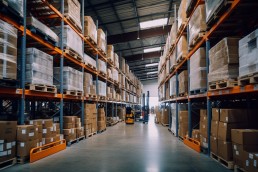
Effective material handling and workflow optimisation are at the heart of a water spider’s critical role in lean manufacturing. These experts skilfully manage resources, ensuring that materials arrive precisely where and when they are needed on the production floor.
By travelling from station to station, they play a pivotal role in preventing bottlenecks and sustaining a smooth and continuous flow of operations. Their continuous presence allows for real-time adjustments in material replenishment, making use of methodologies like kanbans and enterprise resource planning (ERP) systems.
Optimising workflows through astute material handling translates into significant time savings across the production line. Water spiders deftly identify and isolate inefficiencies, allowing teams to concentrate on their core tasks without interruption.
This not only standardises procedures but also slashes and reduces wasted time spent between efforts – key factors in solidifying lean production processes within an organisation. Through ensuring seamless transitions between stages of assembly or fabrication, these specialised material handlers become central to promoting efficient work environments that drive productivity upwards.
Isolating Waste and Inefficiency
Lean manufacturing thrives on the efficiency and effectiveness of its processes, where every second saved is a step towards success. The water spider plays a crucial role in this whole process by isolating waste and inefficiency within the production flow.
They vigilantly, floor workers to observe other workers’ operations, seeking out any unnecessary movements other workers or idle time that could be streamlined for better productivity.
Their keen eye for detail enables them to spot problems early, before them fill in other tasks, and ensuring quick resolutions that maintain smooth production lines. This vigilance helps in minimising transport waste, so workers can dedicate their energy to value-adding activities without getting bogged down by inefficiencies.
With each identified bottleneck or delay eliminated, lean water spiders can directly contribute to a more efficient and productive manufacturing environment. Moving on to supporting the production line remains integral as there’s always room for improvement in our lean water spider systems.
Supporting the Production Line
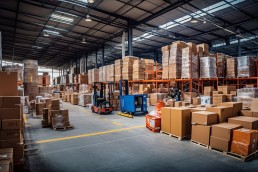
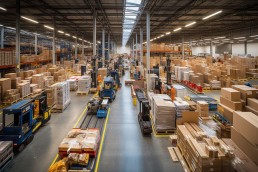
Supporting the production line, water spiders become instrumental in maintaining a seamless and continuous flow of operations. They supply workstations with the right raw materials at the right time, ensuring that no worker has to leave their post to search for supplies or tools, which effectively eliminates downtime.
This constant replenishing not only optimises workflow but also allows employees to focus on value-adding activities rather than logistical concerns.
Equipped with custom carts complete with laptops and scanners, these agile facilitators can quickly respond to shifting demands across the shop floor. Their deep understanding of each process enables them to anticipate needs and prepare accordingly, facilitating an uninterrupted cycle of production.
Through this proactive approach, water spiders uphold lean manufacturing’s commitment to efficiency by ensuring that every component within the enterprise resource planning (ERP) system works harmoniously towards enhanced productivity.
Skills Required for a Water Spider in Lean Manufacturing

The multifaceted role of the Water Spider necessitates a distinct skill set tailored to support and invigorate the lean manufacturing environment. Possessing these skills empowers individuals to effectively orchestrate resources, anticipate needs on the production floor, and drive performance improvements within their teams.
Multitasking and Time Management
Water Spiders in lean manufacturing are the maestros of multitasking, deftly juggling numerous tasks to keep production flowing smoothly. Their role demands the continuous coordination of material handling with precision and promptness.
They must manage time effectively to ensure that no section of the production line experiences a delay due to shortages or logistical hurdles.
Mastering these skills allows Water Spiders to anticipate needs, swiftly respond to changes on the shop floor, and maintain seamless operations. This proactive approach not only elevates efficiency but also upholds the lean principle of flow by preventing bottlenecks before they occur.
Effective time management underpins their professional growth and ability to fill in tasks and perform these duties without disruption, making it a critical skill for anyone in this pivotal position.
Problem-Solving and Continuous Improvement
In the realm of lean manufacturing, a lean Water Spider’s ability to solve problems swiftly is paramount. Their role necessitates a keen eye for bottlenecks and the agility to implement solutions that streamline operations.
Without effective problem-solving, production lines may suffer delays, impacting overall productivity. Adept at identifying root causes of issues, these individuals apply corrective measures that not only fix immediate concerns but also bolster the system against future disruptions.
Continuous improvement stands at the core of a Water Spider’s responsibilities. Embracing this concept ensures that workflow optimisation never stagnates and efficiency gains are constantly pursued.
By continually refining processes and reducing waste, Water Spiders contribute significantly to enhancing operational performance within their organisations. They must possess an innovative mindset geared towards perpetual advancement in order to keep pace with evolving industry demands and maintain lean water spider effectiveness in their crucial support role on the shop floor.
Communication and Teamwork
Effective communication stands at the core of a lean Water Spider’s duties in lean manufacturing. The role demands constant interaction with diverse teams, ensuring materials and information flow seamlessly from warehouse to production floor.
They must impart crucial updates and coordinate efforts, crafting systematic routes and schedules to achieve just-in-time delivery without hiccups. This orchestration hinges on clear dialogue and an ability to act decisively based on team inputs.
Adept teamwork is equally vital for Water Spiders navigating the fast-paced manufacturing environment. These professionals build strong partnerships across various departments; their collaborations are essential for pinpointing inefficiencies that could slow down production lines.
By working closely with future team leader both staffing members floor managers and decision-makers, Water Spiders help fine-tune processes defined work sequence, creating a more cohesive unit driven towards common productivity goals. Moving into the following section, let’s delve into how these collaborative skills impact overall operations within the water spider position in lean, manufacturing systems.
The Impact of Water Spiders on Lean Manufacturing

Water spiders in lean manufacturing act as pivotal cogs in complex production processes, significantly boosting efficiency and ensuring the seamless flow of operations.
Enhancing Productivity
Implementing water spiders into your lean manufacturing approach transforms productivity by creating a seamless flow of materials and information. These agile roles are all about efficiency, ensuring that workers on the production line have exactly what they need when they need it.
By meticulously planning systematic routes and timelines, water spiders minimise downtime and maintain momentum across various tasks.
Crafting water spider manages an environment where every second counts and every movement is purposeful takes expertise; this is where water spiders excel. They carve out and remove waste from processes like skilled sculptors removing excess stone to reveal a more refined form.
Through their efforts in optimising production techniques, variations decrease significantly in standardised process – each product that rolls off the assembly line mirrors its predecessor in quality and build thanks to their behind-the-scenes orchestration.
As directors, embracing this strategy leads not only to greater outputs but also bolsters the overall health of your supply chain operations.
Streamlining Operations
Water spiders play a pivotal role in fine-tuning operations within lean manufacturing environments. By standardising tasks and meticulously mapping out systematic routes for materials, they significantly chip away at unnecessary downtime.
Their ceaseless pursuit of just-in-time work delivery not only keeps production lines humming but also slashes the potential for bottlenecks that can disrupt the flow of operations.
Embracing Lean 4.0 principles through the water spider in lean first position ensures that flexibility and quality are infused into every process, embodying continuous improvement. The presence of this key player enhances productivity by isolating waste and inefficiency, enabling manufacturers to uphold rigorous standards while delivering value swiftly to customers without sacrificing excellence or speed.
Conclusion
The Water Spider machine, a linchpin in the wheel of lean manufacturing, plays an essential role that goes beyond simple material handling. Their knack for maintaining clear process flow and eliminating waste drives efficiency on the production floor.
Equipped with a versatile skill set, they juggle multiple tasks while fostering teamwork and communication. As industries evolve towards Lean 4.0 principles, these agile players adapt to ensure operations remain seamless.
The inclusion of such roles underlines the commitment to innovation and excellence within this dynamic sector.
FAQs
1. What is a water spider in manufacturing?
In lean manufacturing, a water spider is a particular worker, someone who can them fill in tasks and not so skilled worker ensures that work stations are properly stocked with materials and tools, similar to how the whirligig or water beetle moves smoothly on a well functioning water spider.
2. Does a water spider job involve leadership skills?
Yes, those in the role of a water spider often use leadership skills to manage resources and support project management within both the water spider workflow.
3. How does enterprise resource planning (ERP) tie into a water spider’s responsibilities?
A person working as a water spider may use ERP systems to accurately track supplies and equipment across different sectors of manufacturing for efficient operation.
4. Can I find out more about being a water spider through recruitment agencies?
Certainly! You can contact recruiters specialised in human resources or marketing roles within the labour market for more insights on job descriptions, required skills, and potential salaries.
5. Why do warehouses like Amazon have positions labelled ‘Water Spider’?
Warehouses such as those operated by Amazon adopt lean manufacturing principles; here, Water Spiders play an essential part in maintaining flow and organisation of work process by keeping production areas well-supplied.
And there's more...