In the fast-paced world of manufacturing, keeping waste low and efficiency high is a challenge many directors face. Lean manufacturing holds the key to streamlining operations, as it’s proven in powerhouses like Toyota and Intel.
Our guide will unwrap lean principles, offering strategies that slice waste, lead time and swell productivity. Dive into what is lean concepts of excellence with us!
Key Takeaways – Lean Manufacturing
Lean manufacturing is a system focused on reducing waste and enhancing efficiency, originating from the Toyota Production System. It aims to streamline production processes by cutting out non-value-adding activities and improving workflow.
The five key principles of lean manufacturing include identifying customer value, using Value Stream Mapping for process analysis, ensuring smooth flow efficiency, creating pull systems based on customer demand, and pursuing continuous improvement through Kaizen.
Eight types of waste targeted in lean practice are defects, overproduction, waiting times, underused talent, unnecessary transportation steps, excess inventory levels, wasteful motion within tasks and excessive processing that adds no value to the product.
Tools such as Just-In-Time (JIT) production schedules align with real-time customer demands to prevent overstocking; Kanban systems employ visual cues for efficient material flow; The 5 Whys Technique identifies root causes of issues for resolution.
Regular Gemba Walks involve management observing shop floor operations firsthand to understand everyday challenges and opportunities for improvement directly where work happens.
The Essence of Lean Manufacturing

At its core, lean manufacturing is a transformational methodology that strives for utmost efficiency by eliminating waste and optimising processes. It revolves around the central objectives of reducing costs and of delivering products of maximum value to customers, underpinning a company’s operational framework with relentless pursuit of perfection.
Definition of Lean Manufacturing
Lean manufacturing streamlines production by eliminating waste, achieving greater efficiencies and improving quality. It’s a management philosophy derived mainly from the Toyota Production System, recognised for its focus on reducing the seven types of waste to improve overall customer value.
But it’s more than just tools; a lean management system and lean supply chain management focus on building a culture of continuous improvement where every employee is encouraged to contribute to achieving perfection.
In crafting lean strategies, manufacturers identify what creates value in their processes through the lens of their customers. They then analyse each step in their value stream to remove anything that doesn’t contribute to that value.
What emerges is a lean operation characterised by efficient workflow and an ability to respond swiftly to customer demands without excess inventory or resources – essentially doing more with less.
Lean systems elevate productivity while ensuring high-quality output at lower costs – a competitive advantage in today’s market.
Core Objectives of Lean Manufacturing
Streamlining operations to slash and reduce waste, is a fundamental goal of lean manufacturing. This approach focuses on enhancing productivity while ensuring that every resource serves a purpose in creating value for the end customer.
Engaging all employees in this mission not only drives efficiency but also fosters an environment where innovation can flourish.
A key objective within this lean framework is respecting people, acknowledging their contributions as integral to success. The Kaizen principle underscores continual improvement, empowering workers at all levels to seek out and implement changes that elevate production processes.
By minimising excess inventory through Kanban systems, organisations take crucial strides towards eliminating overproduction – another significant target of lean methodologies.
The Five Pillars of Lean Manufacturing

At the heart of lean manufacturing lies a quintet of guiding principles aimed at streamlining operations and propelling value to the forefront. These foundational pillars work in concert to shape an environment where waste is relentlessly identified and eliminated, ensuring that every aspect of production is optimised for peak performance.
Identifying Customer Value
Identifying customer value sits at the very heart of lean manufacturing. It sharpens the focus on what truly matters to your clientele, ensuring that every aspect of production is aligned with their needs and expectations.
Understanding client desires not only drives efficiency but also, in what is a lean system, it carves a clear path for continuous improvement. With each streamlined process, waste diminishes, and the perceived worth of your product in the eyes of those who matter most – your satisfied customers! – rises.
Directors should champion strategies that capture this essential element by scrutinising current practices through what is a lean, customer-centric lens. Utilise lean tools to dissect and analyse every stage of production, highlighting areas prone to wastefulness that do not add value from a consumer perspective.
Engage teams in adopting a mindset where operations are constantly critiqued and refined with quality lean principles leading the way; this ensures that delivering top-tier value becomes an ingrained part of company culture.
Lean systems become synonymous with exceptional customer service when they pivot around maximising value while minimising excesses along the supply chain.
Value Stream Mapping
Value Stream Mapping serves as a pivotal tool in lean manufacturing, enabling a detailed analysis of the flow of materials and information. It provides directors like you with the necessary insights to identify bottlenecks and areas of waste within the stream map your production processes.
By charting out each step from raw material acquisition to finished product delivery, this technique illuminates opportunities for streamlining operations and enhancing overall cost efficiency therein.
Employing Value Stream Mapping fosters a holistic view of supply chain operations, guiding decisions that directly impact the bottom line. It’s instrumental in aligning workflows with customer demand, ensuring that every process adds value for the customer and resonates with lean principles.
Moreover, integrating tools such as Kanban within Value Stream Mapping exercises amplifies its effectiveness by optimising inventory levels and reducing lead times.
Ensuring Flow Efficiency
Lean manufacturing hinges on the ability to maintain a seamless, uninterrupted workflow. This requires meticulous attention to cycle times and immediate responses to any hindrances that may arise.
Tools such as Heijunka and Andon enable businesses to address these challenges head-on, keeping production lines running smoothly and effectively without bottlenecks or delays.
To achieve the goal of flow efficiency, visual indicators come into play. They provide clear signaling mechanisms for each step in the process, ensuring every individual knows precisely what needs doing at all times.
This system of signals is crucial in creating a dynamic environment where wastage is spotted quickly and can be eliminated efficiently by adjusting processes in real time. Lean operations thus become more responsive and adaptable through these well-oiled mechanisms promoting consistent productivity gains.
Establishing a Pull System
After optimising flow efficiency, the next critical step is to establish a pull system that aligns production with customer demand. The essence of a pull system is simple: initiate production based only on actual demand, ensuring that resources are not wasted on excess inventory.
This approach contrasts sharply with traditional push systems where items are produced in anticipation of future demand.
To successfully implement a pull system, tools like Kanban and Heijunka become indispensable. Kanban regulates the flow of goods using visual cues that signal when it’s time to produce or restock components, effectively maintaining just enough inventory to fulfil orders without creating surplus.
Heijunka complements this by sequencing production in smaller batches according to real-time market demands. Together, these tools streamline operations and uphold the lean principles of minimising waste and maximising value delivery.
Pursuing Perpetual Improvement (Kaizen)
Kaizen, the Japanese term for ‘change for better’, lies at the heart of lean manufacturing and signifies the drive towards never-ending enhancement. It’s not just a one-off push but an ingrained culture that calls on every employee to actively engage in suggesting and implementing improvements.
Lean tools like 5S create an orderly work environment while Heijunka harmonises production schedules, both fostering a fertile ground for improvement initiatives.
This continuous pursuit of excellence sharpens competitive edges by systematically reducing waste, shortening cycle times and elevating product quality. It turns the lens inward, challenging processes daily to eradicate inefficiencies and optimise performance.
In essence, Kaizen transforms the quest for perfection into a relentless journey rather than a distant destination.
The Eight Wastes of Lean Production

Central to the lean philosophy of manufacturing is its focus on rooting out inefficiencies, and this pursuit hinges on the recognition and elimination of eight key wastes – barriers to a streamlined operation that directly impact cost and quality.
Understanding these impediments are lean today and what is fundamental in creating a leaner, more responsive production system that delivers value without excess.
Defects
Defects in the lean manufacturing process are more than just minor nuisances; they represent a significant source of waste and potential loss. Products that fail to meet quality standards can lead to costly rework, scrap materials, and dissatisfaction among customers.
Implementing robust quality control measures is vital to eliminate defects early in the production cycle. Techniques such as poka-yoke ensure errors are caught before becoming complex issues.
Manufacturing processes must be meticulously managed to minimise the incidence of defective finished goods after leaving the production line. Lean tools like Value Stream Mapping enable leaders to scrutinise each stage for areas prone to error generation.
By focusing on these critical points, directors can deploy targeted interventions that reduce defect rates and enhance product integrity – key steps on the path towards efficient lean operations management.
Overproduction
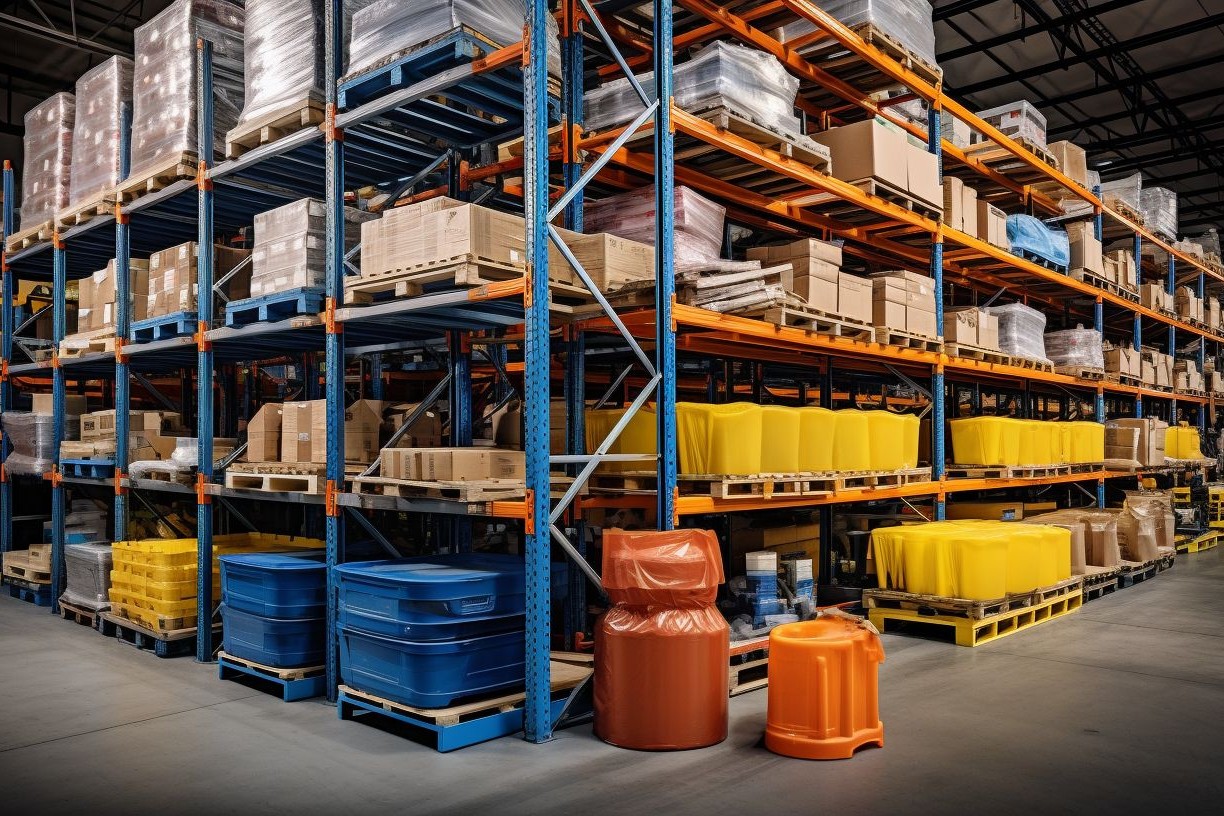
Overproduction in lean manufacturing is more than just making too many products; it’s about failing to match production with customer demand. This imbalance leads to a build-up of inventory, consuming valuable space and tying up capital that could be better used elsewhere.
Astonishingly, studies like those from Vorne Lean Production highlight that almost 60 percent of activities within manufacturing don’t add value – they’re pure waste.
Directors must remain vigilant against the trap of overproduction as it not only inflates storage costs but also obscures true consumer needs and market trends. Streamlining your production process to align closely with current demand ensures resources are utilised effectively without excess expenditure on unnecessary stockpiles.
With this focus on efficiency, let’s move on to examining the impact of ‘Waiting’ in the benefits of lean landscape software development.
Waiting
Waiting times represent a major concern in lean manufacturing, as they indicate inefficiency within the production system. Time lost while waiting for materials, instructions, or equipment contributes to no value added and diminishes overall productivity.
Lean practices aim to drastically cut these periods of inactivity by ensuring resources are readily available and processes flow without interruption.
Lean tools like Kanban systems can be particularly effective at reducing wait times by linking various stages of production and adjusting supplies just in time to meet demand. By employing Andon systems, issues that cause delays get flagged immediately, allowing for prompt responses that keep operations running smoothly.
For directors seeking optimal performance from their manufacturing process, addressing waiting is not just an improvement measure – it’s fundamental to sustaining a competitive edge through enhanced speed and efficiency.
Non-utilised talent
Moving beyond the cost of idle time epitomised by waiting, non-utilised talent represents a significant form of waste in lean manufacturing. It’s not just about having employees on the payroll who aren’t engaged in work; it’s about failing to harness their full potential and expertise.
Lean systems advocate for recognising every individual’s unique skills and contributions, empowering them through roles that leverage their strengths. This strategy transforms overlooked abilities into valuable assets that drive innovation and productivity within lean operations.
Effective utilisation of talent goes hand-in-hand with improved job satisfaction as well. Lean practices like Kaizen encourage employee involvement in problem-solving, which taps into diverse talents to refine processes continuously.
By aligning tasks with each team member’s abilities, companies ensure they don’t squander one of their most critical resources – skilled workers ready to propel the organisation forward using refined lean techniques in production systems.
Transportation
Transportation, often overlooked, represents a significant area of waste within lean manufacturing systems. This aspect encompasses the movement of materials and goods which, if not optimised, can lead to inefficiencies such as logistics bottlenecks and delivery delays.
Lean strategies target these inefficiencies by refining the transit process to ensure that resources are not squandered during transportation stages.
Directors focusing on lean principles should scrutinise every element of their supply chain for potential improvements in transporting goods. By implementing tools like Kanban and Heijunka – essential components in lean supply chains operations – companies streamline material flow and reduce unnecessary movements and handling.
This leads to a more efficient production cycle with less waste and lower risks of customer dissatisfaction due to missed deadlines or product unavailability. Lean concepts challenge traditional methods by cutting out excess transportation, driving your firm towards greater productivity and tighter control over your supply chain dynamics.
Inventory excess
Shifting gears from the intricacies of transportation within lean systems, inventory excess emerges as a critical factor to address. It represents one of the major wastes identified by the Toyota Production System and poses significant challenges in lean manufacturing operations.
Excessive stock ties up valuable resources, leads to increased storage costs, and can result in obsolescence or damage over time. Directors must focus on strategies like Heijunka to align production more closely with actual demand levels, thereby reducing surplus inventory.
Lean tools such as Just in Time (JIT) management philosophy are pivotal in preventing this waste by ensuring products are created only when needed and in required quantities. The implementation of Kanban also plays a vital role; it provides visual signals that control work-in-progress limits effectively monitoring inventory levels.
These methods foster an environment where every piece of inventory serves a clear purpose aligned with customer requirements, enhancing overall operational efficiency while significantly cutting down associated costs from overstocking.
Motion waste
Shifting focus from inventory excess, we encounter another critical inefficiency: motion waste. This form of waste happens when employees or machines move more or less inventory than necessary during production, leading to lost time and energy.
Often rooted in suboptimal workspace layouts, motion waste stands as a significant barrier to lean aspirations. The 5S system comes into play here, offering an organised and systematic approach that streamlines the arrangement of tools and materials for maximum efficiency.
To tackle this issue head-on, directors must scrutinise their manufacturing floors with a critical eye. Observing processes through the lens of continuous improvement strategies like Kaizen can unearth hidden inefficiencies.
By fine-tuning workflows and reducing unnecessary steps, you not only improve the pace of production but also enhance worker safety and productivity – a definitive stride towards operational excellence in lean manufacturing environments.
Excessive processing
Excessive processing stands as a critical waste in the lean chain of manufacturing, marking unneeded activities that fail to contribute to customer value. It’s imperative for directors to recognise that every step within a lean production definition and system must add genuine worth or it becomes a target for elimination.
Visual indicators and precise cycle time measurements serve as effective tools to pinpoint and reduce this type of waste. The Toyota Production System, renowned for its efficiency, firmly advocates the removal of such non-value-adding processes.
Continually addressing excessive processing not only streamlines operations but also respects the workforce by preventing overburdening with unnecessary tasks. Embracing these lean principles upholds accountability at all levels and promotes a culture where everyone is invested in optimising productivity.
Let’s transition now into exploring how Lean Manufacturing Tools and Techniques can be strategically applied within your organisation to curb excesses and propel efficiency forward.
Critical Lean Manufacturing Tools and Techniques

Within the sphere of lean manufacturing, a suite of essential tools and techniques stands out for their ability to streamline processes and bolster efficiency. These instruments are pivotal in transforming theoretical lean principles into tangible operational advancements, directly impacting the production line’s effectiveness and responsiveness.
Just-In-Time Production (JIT)
Just-In-Time Production (JIT) revolutionises the manufacturing process by aligning production schedules with customer demands. This lean manufacturing approach helps directors avoid excess inventory, reducing waste and costs significantly.
By producing goods only as they are needed, JIT minimises storage space requirements and keeps cash flow fluid for other strategic investments.
Directors must focus on establishing well-designed workspaces, ensuring equipment reliability, and enhancing workforce skills to reap the benefits of JIT seamlessly. Incorporating Kanban systems is critical as they control the flow of materials within the factory, promoting continuous delivery without overproduction.
With such strategies in place, companies can achieve greater flexibility and push towards a more sustainable model of production that truly embodies lean principles.
Kanban Systems
Building on the principles of Just-In-Time production, Kanban systems introduce a highly visual and dynamic component to the lean manufacturing method. They utilise cards or digital signals to create a ‘pull’ demand in production processes.
This visual nature allows for real-time tracking of work progress and inventory levels, ensuring that components are supplied as they are needed, thereby reducing waste and enhancing flow efficiency.
Employing Kanban aligns with the core objectives of lean manufacturing by streamlining workflows and cutting out non-value-adding activities. The system empowers teams to respond flexibly to changes in demand while maintaining continuous delivery.
By regulating the flow of goods throughout the manufacturing floor, Kanban not only supports JIT initiatives but also propels overall productivity forward without overburdening resources or creating excess inventory.
The 5 Whys Technique
Moving from the Kanban system’s visual approach to workflow management, The 5 Whys Technique delves into problem-solving at its core. This method empowers teams to dissect complications by continually questioning the root cause of a specific issue until the root is uncovered.
It operates on a simple premise: ask “why” five times or more to peel back the layers of symptoms that might hide an operation’s true ailment.
Directors will find this tool indispensable for fostering a culture where deep-seated challenges are openly addressed and resolved. Pioneered in Japan as part of lean production systems, it has become integral to eliminating waste and ensuring smooth manufacturing operations worldwide.
With each “why,” one moves closer to pinpointing exact malfunctions – whether they be in processes, equipment, or practices – and formulating actionable strategies for lasting improvements.
Gemba Walks for Real-Time Observation
Having explored the 5 Whys Technique as a means to get to the root of production challenges, let’s consider another essential lean tool: Gemba Walks. These walks empower management to engage directly with the shop floor environment where value is created.
By observing and understanding the real-time operations, leaders gain valuable insight into the workflow, processes, and potential bottlenecks. This hands-on approach not only highlights areas that require immediate action but also fosters a culture of visibility and open communication between staff and leadership.
Utilising Gemba Walks aligns perfectly with continuous improvement objectives intrinsic to Lean principles. Leaders methodically scan for waste and inefficiency during these observational rounds, sparking discussions on how best to streamline processes while maintaining quality standards.
The key here is active engagement — asking questions, listening intently, and seeking feedback from those who operate on the front lines every day. Managers take note of even minor details that might lead to significant improvements in efficiency across the supply chain lean manufacturing and supply chain performance chains, ensuring that Lean manufacturing remains a dynamic force within an ever-evolving industry landscape.
Andon Systems for Issue Notification
Incorporating Andon systems into your lean manufacturing toolkit can significantly streamline production by providing instant alerts when issues arise. These dynamic visual management tools enable workers on the shop floor to stop the production line and signal for help at the first sign of a problem, ensuring that defects or bottlenecks are addressed without delay.
Their real-time feedback mechanism is essential in maintaining uninterrupted flow and facilitating immediate corrective action.
Embracing Andon systems aligns seamlessly with lean principles aimed at waste reduction and continuous improvement. They empower employees to actively engage with the process, fostering an environment where teamwork drives efficiency improvements.
This proactive approach not only reduces downtime but also reinforces a culture of collective responsibility for quality control within lean operations, contributing directly to enhanced productivity and better overall performance in your manufacturing process.
Poka-Yoke for Error Prevention
Transitioning from the Andon system, which alerts teams to issues in real-time, poka-yoke takes a proactive stance on error prevention. Poka-yoke devices are ingeniously simple yet effective, designed to preempt mistakes before they occur in lean manufacturing operations.
They act as fail-safes that either stop a process if an error is imminent or correct it without human intervention. This method not only enhances product quality but also reduces costly downtime and rework.
Directors understand that error-proofing with poka-yoke leads to significant cost savings and increases the reliability of manufacturing processes. By employing techniques like the contact method for immediate feedback or the fixed-value method to ensure no step is missed, manufacturers embed quality directly into their production systems.
With less time spent on training operators to avoid errors and more focus on value-adding activities, companies experience heightened efficiency across their lean supply chain management example and chains. The implementation of poka-yoke confirms an organisation’s commitment to providing customers with defect-free products consistently.
Total Productive Maintenance (TPM)
Building on the preventative nature of Poka-Yoke, Total Productive Maintenance (TPM) takes equipment efficiency to new heights. It’s a proactive approach designed to optimise the reliability and performance of production systems.
By empowering every employee with maintenance responsibilities, TPM fosters a sense of ownership and deepens their understanding of machines’ inner workings.
TPM extends the lean concept definition of manufacturing beyond lean defined by just processes to include diligent care for machinery and equipment. This strategy serves two crucial purposes: it significantly reduces the likelihood of breakdowns and virtually eliminates defects stemming from machine faults.
Adopting TPM means creating a culture where continuous improvement is not just limited to workflows but also encompasses the very tools that make production possible.
Lean Manufacturing Versus Six Sigma
Lean Manufacturing and Six Sigma may seem like competing philosophies, but understanding how they differ and complement each other empowers businesses to harness the best of both for optimal efficiency and quality improvements.
Contrasts and Complementary Aspects
Understanding the unique yet complementary roles of Lean Manufacturing and Six Sigma is critical for directors looking to enhance process efficiency and quality. These methodologies, when combined, can offer greater improvements than when applied separately.
| Aspect | Lean Manufacturing | Six Sigma |
|---|---|---|
| Primary Focus | Eliminating waste and improving flow | Reducing variation and defects in processes |
| Value Definition | Value as perceived by the customer | Quality as defined by the absence of defects |
| Approach to Processes | Visualising interconnected flow of processes | Measuring and analysing process performance |
| Tools and Techniques | Kanban, Just-In-Time, 5 Whys | Statistical Process Control, DMAIC |
| Measurement of Success | Level of waste reduction and flow efficiency | Extent of variation reduction and quality improvement |
| Complementary Benefits | Greater overall business performance through combined process improvement and waste reduction | |
Directors can leverage the strengths of both Lean Manufacturing and Six Sigma to build a more robust, efficient, and quality-driven production environment.
Implementing Lean Principles in the Manufacturing Process
Implementing Lean principles effectively transforms manufacturing processes, driving performance through strategic waste elimination and optimised workflows. This pivotal step requires a tailored approach, considering the unique operational intricacies of each production facility to secure sustained advancements in efficiency and quality.
Steps for Effective Execution
Begin your lean manufacturing journey by setting clear objectives that target the elimination of the eight types of waste. This to eliminate waste includes defects, overproduction, and unnecessary transport amongst others.
Establish a culture where every team member is accountable and values their role in streamlining processes. Use data-driven methods to map out your entire value stream, identifying each step that doesn’t add customer value and ruthlessly cutting or improving it.
Next, focus on achieving flow efficiency within your operations. Work towards creating systems where products move through production with minimal wait times and interruptions. Introduce tools like Just-In-Time production to ensure materials are only ordered as needed, reducing inventory excess.
Also, empower employees with techniques like Poka-Yoke for error prevention to improve quality at every stage of the process. These steps will help embed a culture of continuous improvement essential for effective lean execution while respecting the human aspect of your workforce.
Measuring Success and Continuous Improvement
Tracking progress plays a pivotal role in the seamless adoption of lean manufacturing. Use of lean technology and management tools like Kaizen and JIT to benchmark performance, ensuring that objectives are met effectively.
Data-driven metrics capture improvements over time and highlight areas needing refinement, fostering a culture of excellence. Regular evaluations against set targets confirm whether the implementation strategies align with long-term company goals.
To truly embrace continuous improvement, integrate it into your daily operations management. This means utilising techniques such as 5S system and Kanban to streamline processes and enhance efficiency continuously.
Success in lean manufacturing hinges on this iterative cycle – measure, analyse, improve – making each step more refined than the last. With an unyielding commitment to perfection, businesses see groundbreaking enhancements in operational costs and customer satisfaction while also boosting employee morale and innovation across the board.
Advantages of Adopting Lean Manufacturing
Embracing lean manufacturing propels organisations towards optimal efficiency and market responsiveness, a transformation that yields tangible competitive advantages. Firms that integrate lean principles find themselves at the forefront of industry innovation, changing market demands and fostering environments where waste reduction and customer value go hand in hand with profitability and employee empowerment.
Enhanced Efficiency and Reduced Costs
Lean manufacturing and lean processes streamlines operations, directly boosting efficiency within the production process. The elimination of waste – be it in time, raw materials used, or motion – is central to lean manufacturing definition principles.
Embracing these practices can see your business dramatically reduce cycle times and lower operational expenses. Imagine your resources being utilised to their maximum potential, cutting down on excess inventory that ties up capital and space which could be better employed.
Cost reduction is not merely a happy by-product but a strategic outcome of lean manufacturing systems. By targeting the eight forms of waste identified under DOWNTIME – an acronym encompassing defects, overproduction, waiting, non-utilised talent, transportation, inventory excess, motion waste and excessive processing – lean methodologies help streamline supply chains and production workflows.
This approach optimises resource expenditure and boosts cash flow; hence allowing more funds to be funnelled into innovation or growth ventures. Firms adopting this system often witness an uptick in agility that positions them well against competitors while maintaining high quality standards in their output.
Improved Product Quality and Customer Satisfaction
Adopting lean manufacturing techniques such as Heijunka and JIT not only streamlines production but also significantly enhances the quality of products. These methods focus on reducing waste, ensuring that every stage of the manufacturing process contributes to creating a final product that meets high standards.
The direct outcome is an increased satisfaction with customer experience among customers who receive goods that surpass their expectations in terms of functionality, reliability, and design.
Respect for employees sits at the heart of lean principles, advocating for a balanced workload while encouraging responsive involvement in problem-solving and decision-making. This approach leads to heightened accountability and greater attention to detail among staff members.
Consequently, this collective responsibility results in fewer defects and a robust commitment to excellence which directly correlates with higher customer satisfaction levels. With continuous improvement as its cornerstone – reflected through Kaizen – lean manufacturing ensures that both product quality and consumer contentment are ever-evolving targets poised for perpetual enhancement.
Increased Employee Engagement and Innovation
Lean manufacturing principles ignite a spark of innovation within the workforce by fostering an environment where employees actively contribute to continuous improvement. The implementation of Kaizen, for example, results in enhanced job satisfaction as staff members see their ideas and feedback lead to tangible changes.
This sense of ownership boosts commitment and drives innovative thinking. Similarly, the 5S system empowers workers by providing a structured setting that encourages proactive engagement and creative problem-solving.
Tools such as Kanban not only streamline processes but also instil a culture of collaboration, allowing employees to manage workflow efficiently while contributing fresh insights into waste reduction techniques.
Through Heijunka and Just In Time (JIT), workers are encouraged to think strategically about production flow and inventory levels, sparking innovative approaches to meet real-time demand effectively without surplus or shortage.
These lean strategies unite teams under common goals, pushing boundaries for better methods and products in lean-manufacturing environments.
Turning our focus towards improved product quality and customer satisfaction reveals another compelling dimension of the lean framework’s impact on modern manufacturing practices.
Conclusion – Lean Manufacturing
Mastering lean manufacturing unlocks the potential for unmatched efficiency and quality in production processes. Directors who champion these strategies stand at the forefront of innovation, propelling their companies towards greater competitiveness and customer satisfaction.
With concrete tools, lean thinking, lean working, a keen focus on waste elimination, and a commitment to continuous improvement, your manufacturing operations can achieve remarkable strides in performance. The journey towards a lean factory is both challenging and rewarding – an investment in excellence that shapes industry leaders.
Embrace this guide as your roadmap to transformational success within the world of manufacturing.
FAQs – Lean Manufacturing
1. What is lean manufacturing?
Lean manufacturing is a method where factories focus on minimising waste in the production process while maximising productivity to create quality products efficiently.
2. How can lean supply chain management benefit my business?
Implementing a lean supply chain strategies helps you streamline operations, reduce costs by eliminating waste, and improve delivery times for repeat customers through a more efficient supply chain management.
3. What are some tools used in lean process improvement?
Tools like just-in-time delivery, continuous improvement systems, and value stream mapping are used to analyse processes, identify unnecessary steps and make them more efficient for lean process improvement.
4. Who invented the concept of lean manufacturing?
The concepts of Lean Manufacturing were developed primarily by Japanese industrial engineers at Toyota who aimed to optimise their factories’ efficiency; it’s now a global standard for excellence in production systems.
And there's more...