In every bustling business, the smooth flow of materials is crucial to keep operations humming. Material handling intertwines with this very essence, moving goods efficiently from A to B.
This guide unpacks the principles and perks of adept material handling, equipping you with knowledge to master its maze. Dive in for a transformative read!
Key Takeaways
Material handling is integral to efficient operations in manufacturing and warehousing, ensuring the safe and timely movement of goods from production through to distribution.
Core principles like Planning, Standardisation, Work, Ergonomics, and Unit Load are fundamental for optimising material handling processes and enhancing workflow efficiency.
The right mix of equipment — including storage solutions, bulk material apparatuses, industrial trucks, and engineered systems — can transform how materials are managed within facilities.
Effective material handling strategies not only minimise operational costs but also bolster workplace safety and employee satisfaction.
Embracing technological advancements in material handling equipment such as automated storage and retrieval systems can lead to increased productivity levels and significant long-term savings.
Defining Material Handling and Its Significance

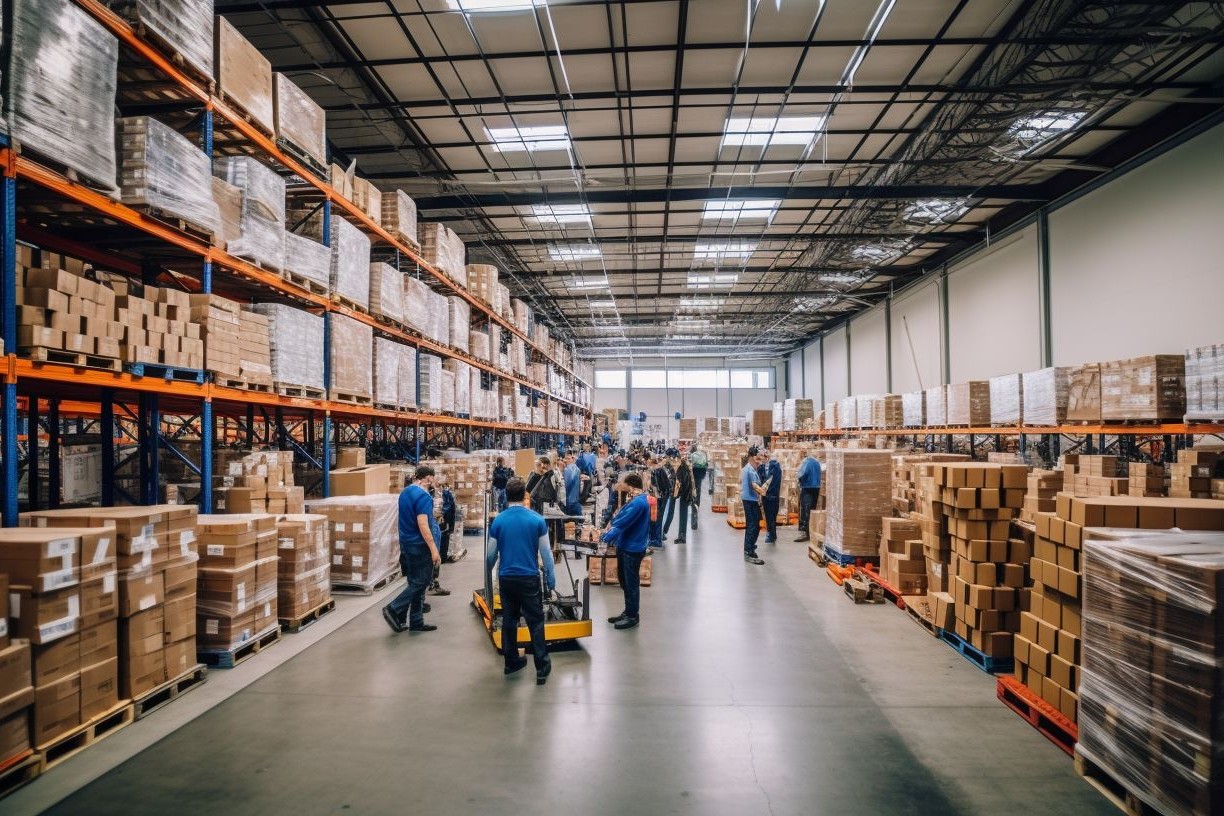
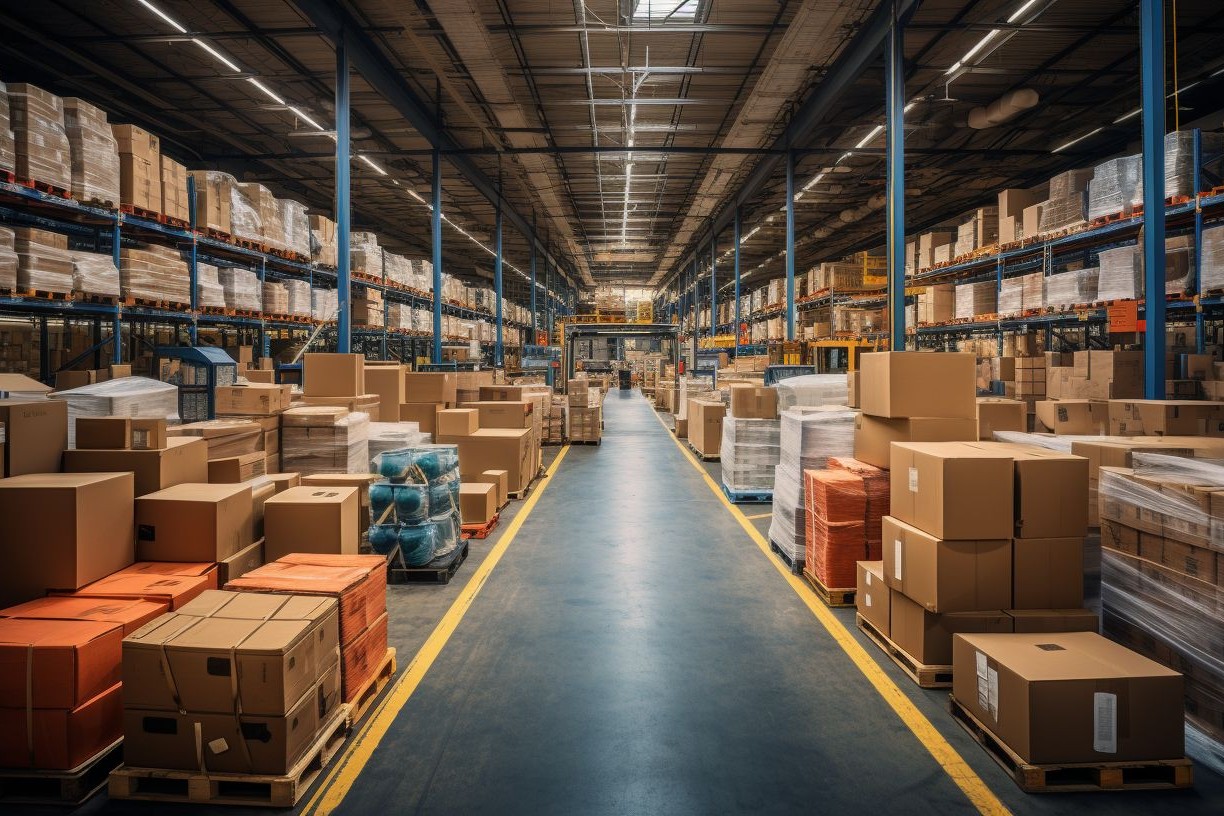
Material handling forms the backbone of any manufacturing or warehousing operation, encompassing all tasks involved in moving goods within a facility. It stretches from the initial unloading of raw materials to the eventual shipping of finished products, ensuring a smooth flow throughout production and distribution processes.
A well-orchestrated material handling system not only keeps items secure but also improves worker safety by reducing hazardous manual labour.
Recognising its significance is essential for operational success. Effective material handling reduces delays, enhances product quality assurance, streamlines supply chain logistics, and curtails unnecessary waste – resulting in substantial cost savings and increased competitive advantage.
With such systems in place, directors can confidently oversee operations knowing that efficiency is maximised at every stage – a critical factor for thriving in today’s fast-paced market environments.
Core Principles of Material Handling

Understanding the core principles of material handling is crucial to optimising operations, as these tenets form the foundation upon which efficient and safe material handling practices are built. These guiding precepts shape every aspect of how materials are managed from procurement to production, ensuring a seamless workflow that upholds quality and minimises waste.
Planning Principle
The Planning Principle lays the foundation for an effective material handling strategy by emphasising the importance of foresight and tactics in every step. Good planning ensures that material handling in manufacturing, transportation, storage, and distribution is streamlined to meet company objectives without wasting resources.
It involves anticipating how materials will move through different phases of the supply chain and preparing accordingly.
Directors should leverage this principle to optimise processes from start to finish. Consideration must be given to selecting equipment that suits both current needs and future growth, aligning with life cycle costs and sustainability goals.
This strategic approach minimises disruptions and keeps operations running smoothly. Next up: delving into the Standardisation Principle to further solidify your material handling systems.
Standardisation Principle
Building on the foundation set by meticulous planning, the Standardisation Principle takes centre stage. It aims to streamline material handling by promoting uniformity across processes and equipment.
This key principle reduces complexity, allowing for smoother operations and heightened efficiency – essential outcomes in any director’s playbook.
Uniform procedures and consistent use of equipment resonate well with operational excellence goals. They lead to predictable results, easier training for employees, and simpler maintenance routines.
By advocating for standardised pallets, containers or storage systems as examples, businesses minimise disruptions in workflow while achieving scalability that directors strive for.
Work Principle
Moving from the focus on standardisation, the Work Principle in material handling emphasises the reduction of unnecessary movements and tasks to streamline warehouse operations. This approach targets efficiency by designing workflows that minimise wasted effort, aligning closely with lean manufacturing ideologies.
By analysing tasks carefully, companies can pinpoint and eliminate redundant actions, creating a more direct path between start and finish points.
The principle champions simple yet effective methods to transport materials without excessive handling or needless complexity. It encourages using equipment like conveyor belts, pallet trucks, and forklifts not only to move goods but also to enhance flow within facilities by reducing bottlenecks.
Consistently applying this principle ensures that material handling management is proactive in preserving resources while maintaining high productivity levels across all operations.
Ergonomic Principle
The Ergonomic Principle in material handling puts employee well-being at the forefront of operations. By implementing ergonomically designed materials handling equipment and processes, companies can significantly reduce the risk of musculoskeletal disorders among their workforce.
This approach not only increases safety but also enhances overall job satisfaction, leading to more productive employees who are empowered to work efficiently without compromising their health.
Modula’s automated storage and retrieval systems (AS/RS) embody ergonomic innovation, streamlining warehouse tasks with ease and precision. Employees benefit from intuitive interfaces that mitigate physical strain during repetitive activities like order-picking or transporting unit loads.
These smart solutions exemplify how applying ergonomic principles can transform a demanding warehouse environment into a safer, more supportive workplace for staff at all levels.
Unit Load Principle
Unit loads revolutionise material handling by allowing items to be bundled into a single larger unit. This approach not only streamlines warehouse operations but also optimises space utilisation, making it easier for handlers to move products through the supply chain efficiently.
Imagine boxes of goods being combined onto pallets or into crates; these larger units can then swiftly be transported via forklifts, conveyors, or industrial trucks, drastically reducing loading and unloading times.
Employing the unit load principle impacts every stage of the supply chain. It ensures that from inbound logistics to distribution centre activities and eventual delivery at retail outlets, materials are moved with greater precision and speed.
Efficient unit load systems leverage specialised equipment like automated guided vehicles (AGVs) and engineered systems to manage heavy loads safely while maintaining product integrity throughout transit.
This leads to enhanced productivity within warehouses and beyond, underscoring why this principle is foundational in modern material handling strategies.
Types of Material Handling Equipment

Delving into the world of operational logistics, we encounter a diverse array of material handling apparatuses designed to boost efficiency and streamline workflows.
These critical tools form the backbone of modern distribution networks, ensuring that goods move seamlessly from point A to B with precision and ease.
Storage and Handling Equipment
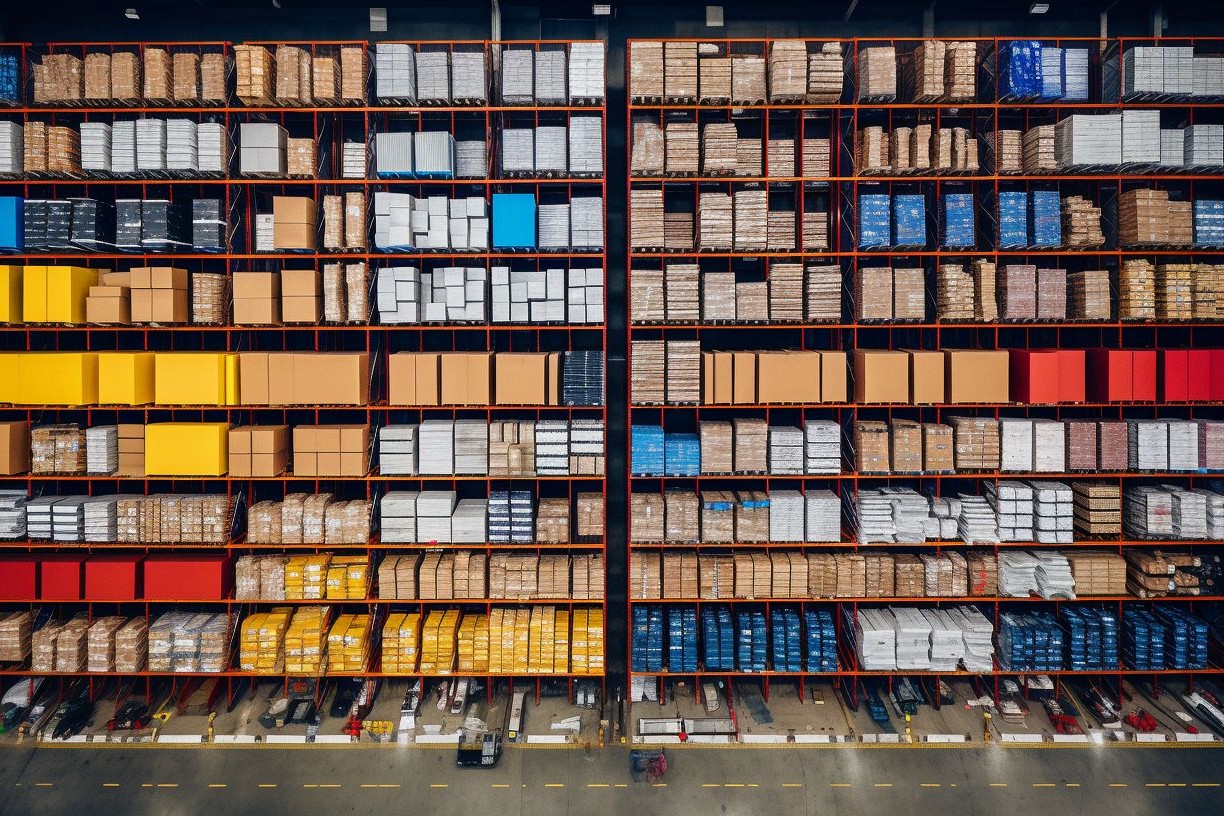
Storage and handling equipment forms the backbone of efficient warehouse operations, maintaining order and safeguarding goods until they’re needed. Pallet racks enable high-density storage whilst shelves and storage racks house a variety of merchandise; bins and drawers sort small items for easy access.
Mezzanines add valuable vertical space, and stacking frames amplify floor area and improve efficiency without costly expansions. Each piece is critical for optimising storage, preserving materials from damage, and streamlining movement within facilities.
Careful selection of these tools aligns with company strategy to increase productivity. Directors must consider robust shelving systems or adaptable pallet racking solutions tailored to specific inventory types – whether heavy-duty components or fragile parts.
Moving on to the dynamic world of bulk material handling equipment will reveal further opportunities for enhancing operational flow in large-scale environments.
Bulk Material Handling Equipment
Efficiently moving and managing goods in large volumes is a critical task for many industries, and bulk material handling equipment stands at the forefront of this challenge. Conveyors, stackers, reclaimers, bucket elevators, and hoppers play pivotal roles in transporting loose bulk materials, such as minerals, grains or coal in copious amounts.
This machinery streamlines processes within facilities by optimising the flow and storage of materials. By employing these robust systems, directors can expect reduced operational times and enhanced space utilisation.
A well-equipped facility leverages advanced bulk handling solutions to meet demands for rapid internal movement of products. Quality equipment designed for handling massive quantities ensures that large-scale operations run smoothly without unnecessary delays or congestion.
Embrace these innovations to maintain a competitive edge through increased efficiency and productivity in your material management strategy. Transitioning seamlessly into discussing industrial trucks allows us to explore how smaller yet equally significant items keep materials on the move across various distances within a facility.
Industrial Trucks
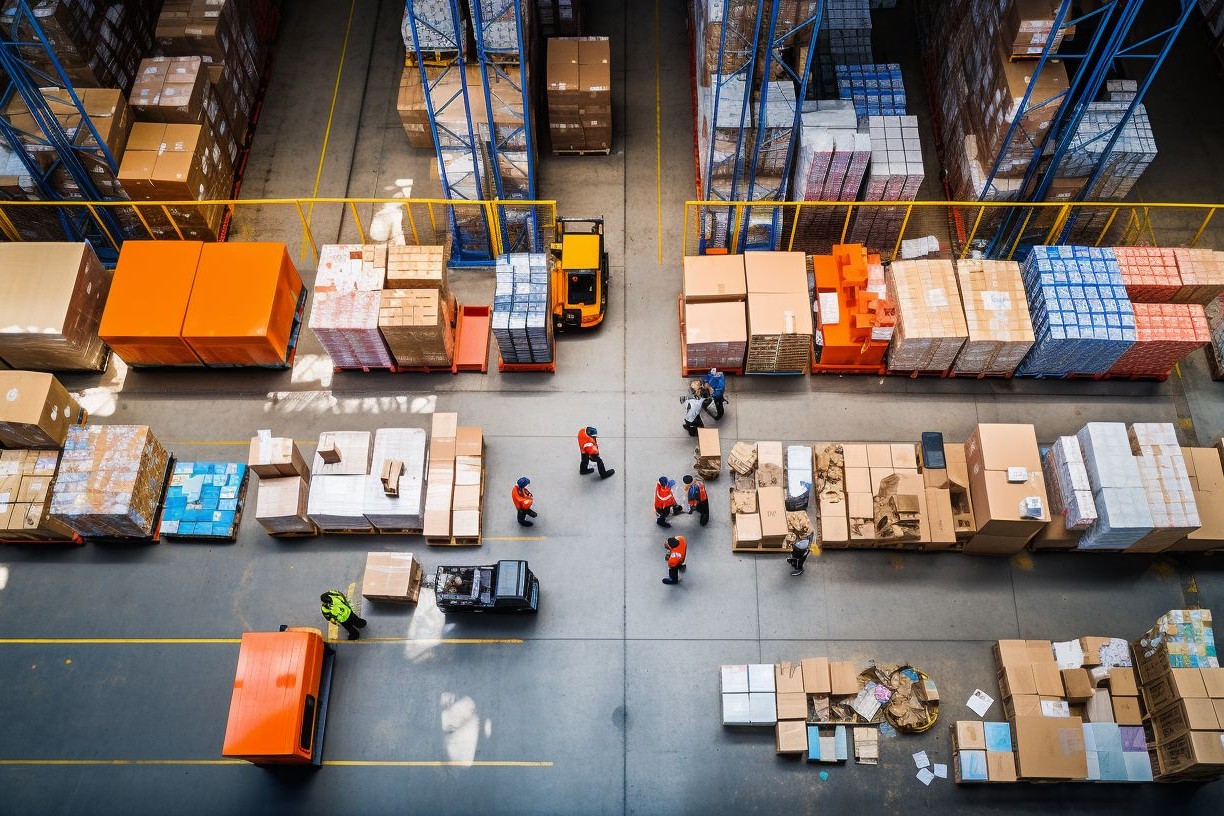
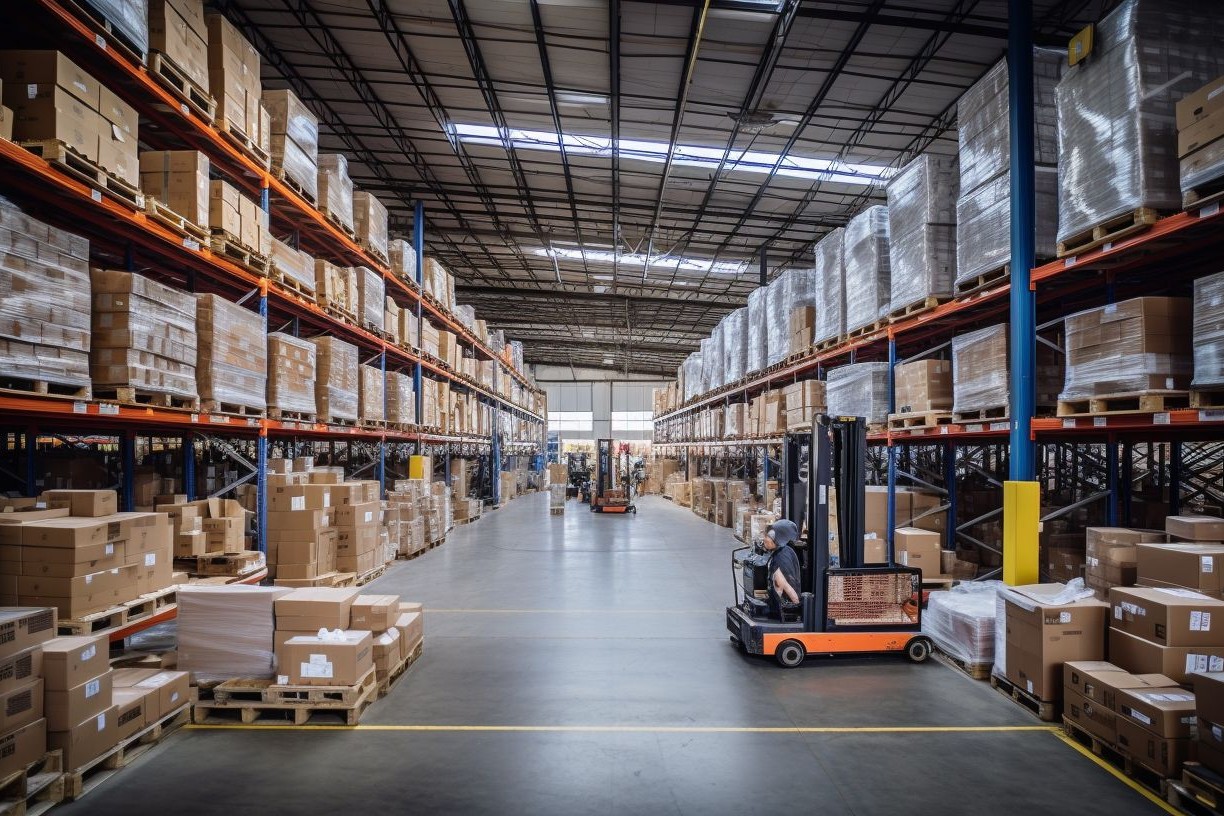
Industrial trucks are integral to optimising the flow of goods in warehouses and manufacturing plants. They range from powerful forklifts capable of hoisting heavy loads to nimble hand trucks designed for quick transportation.
With the ability to move materials swiftly and safely, industrial trucks like pallet jacks and order pickers become indispensable tools that keep the heart of operations beating.
Employing these vehicles allows facilities to handle vast quantities of materials much more efficiently than manual methods. Sideloader trucks excel in navigating narrow aisles, while specialised order pickers elevate workers to reach high-stacked products with ease.
Each type serves a specific purpose, ensuring that every corner of a warehouse operates at peak efficiency without compromising on safety or productivity.
Engineered Systems
Engineered systems are revolutionising the way materials are handled, stored, and moved within various industries. These sophisticated solutions leverage autonomous mobile robots and automated storage and retrieval systems (AS/RS) to radically enhance operational efficiency.
Implementing such technology permits precise control over inventory management, often resulting in a substantial decrease in required storage space.
Companies like Modula lead the pack with their state-of-the-art AS/RS that streamline warehouse operations. They contribute significantly to improving accuracy while also prioritising employee safety through reduced manual handling.
With these intelligent systems in place, businesses can expect a noticeable uptick in productivity levels and a supportive environment for their workforce to thrive.
The Role of Material Handling in the Supply Chain

Material handling serves as the backbone of supply chain operations, integrating the movement, protection, storage, and control of materials and products throughout manufacturing, warehousing, distribution, consumption, and disposal.
Its strategic role is pivotal in transforming raw material to final product efficiently and effectively to meet consumer demand.
Streamlining Operations
Streamlined operations are at the heart of an effective supply chain, ensuring that every aspect from inventory control to last-mile delivery operates like a well-oiled machine. Automated solutions, such as those developed by Modula, play a crucial role in honing this efficiency.
They fit seamlessly into different stages of the supply chain process, cutting down on wasted time and excess stock space.
Directors understand the value of leaner operations not only for cost optimisation but also for maintaining competitive advantage. Implementing these advanced systems allows real-time monitoring and swift adjustments to keep pace with dynamic market demands.
The result is a robust material handling strategy that pushes productivity to new heights while keeping operational costs firmly in check.
Enhancing Efficiency
Efficient material handling systems are vital for streamlining operations within the supply chain, leading to faster delivery times and better customer satisfaction. They allow for quick movement of goods across various stages – manufacturing, transportation, storage, and distribution.
Embracing these systems means less time wasted and more productivity; for instance, automated storage and retrieval systems can significantly cut down on search and sort times in a warehouse.
Directors must recognise that investing in such efficiencies is not merely an operational expense but a strategic move towards sustainability. It reduces energy consumption by optimising routes within a facility or using automated equipment, like automatic guided vehicles that consume less power.
Moreover, it minimises wear on machinery through improved workflow processes which leads to fewer repairs and lower maintenance costs – a direct impact on the bottom line. Efficient practices ensure optimal use of resources while promoting safety and employee satisfaction through ergonomic solutions designed to lessen physical strain during material handling tasks.
Benefits of Effective Material Handling
Effective material handling strategies offer a cascade of organisational benefits, positively impacting the bottom line while promoting a safer and more harmonious work environment.
These advantages are far-reaching, from sharpening the competitive edge to fostering a culture of operational excellence across various industry sectors.
Reducing Operational Costs
Streamlining warehouse operations with the implementation of Modula’s automated storage and retrieval systems directly contributes to reducing overheads. These advanced setups minimise manual handling costs, maximise space utilisation, and improve inventory accuracy which slashes time wastage and operational costs effectively.
Optimisation of goods flow through intelligent material handling equipment boosts real-time control over inventory. This ensures a consistent supply chain process that cuts out unnecessary expenditures by adapting quickly to demand fluctuations without compromising on efficiency or productivity.
Directors seeking sustainable profitability will find these innovative solutions pivotal in achieving cost-effective operations.
Minimising Workplace Accidents and Injuries
Reducing operational costs goes hand in hand with prioritising safety measures to minimise workplace accidents and injuries. Employing effective material handling systems can significantly lower the risk of overexertion, the leading cause of disabling workplace incidents.
Incorporating the core principles formulated by the Material Handling Institute into daily operations strengthens a culture of safety, further protecting employees from common hazards such as falls or being struck by objects.
Directors should be proactive in ensuring that ergonomic equipment and processes are in place, which not only safeguard health but also boost overall productivity. Regular safety training for staff reinforces best practices while maintenance regimens keep equipment functioning optimally, thereby reducing unintentional downtime due to avoidable accidents.
A commitment to these strategies exemplifies responsible leadership and a dedication to creating an environment where safety is integral to success.
Boosting Employee Morale and Satisfaction
Effective material handling systems are a game-changer for employee morale. By simplifying tasks and removing the strain of repetitive, labour-intensive work, these systems can significantly elevate job satisfaction.
Happier employees often mean a more committed workforce, leading to less turnover and better team dynamics. Moreover, the assurance that comes from safer work environments – thanks to reduced accident risks through proper material handling – plays a pivotal role in fostering a positive workplace atmosphere.
This not only benefits the employees but also resonates across warehouse operations by creating an efficient, spirited team ready to tackle challenges head-on.
Implementing top-tier equipment addresses multiple facets of employee satisfaction within your supply chain stages. As directors overseeing operational workflows, you understand how crucial it is to equip your teams with tools that streamline their efforts and enhance productivity.
Such improvements directly correlate with higher levels of job contentment as workers feel valued and empowered by their contributions to success. The next logical step focuses on increasing productivity and efficiency through these optimised processes.
Increasing Productivity and Efficiency
Elevated employee morale naturally leads to a more dynamic workforce, laying the groundwork for considerable gains in productivity and efficiency. Embracing advanced material handling systems transforms warehouse operations by enhancing speed and accuracy across all processes.
These innovative systems are engineered to reduce manual effort, allowing staff to focus on tasks that require human intelligence and creativity. As a result semi automated everything, businesses witness an expedited workflow with the assurance of precise execution at every stage.
Investing in cutting-edge equipment like automated storage and retrieval systems (AS/RS) not only optimises the space utilisation but also significantly scales up throughput rates. The integration of these technologies into supply chain operations minimises errors, boosts order fulfilment speeds, and paves the way for smarter resource allocation.
With real-time inventory tracking and instant access to goods, companies can meet demand more effectively while conserving energy – a double boon for profitability and sustainability alike.
Saving Money through Optimised Processes
Optimising material storage equipment handling processes is a surefire strategy for slashing costs. It starts with the clever utilisation of space, allowing companies to store necessary stock efficiently and cut back on hefty storage expenses.
Smarter workflow designs not only sharpen operational proficiency but also drive down running costs. This kind of efficiency isn’t just about saving pennies; it’s about making every aspect of operations leaner and more cost-effective.
Directors take note: embracing automation in your warehouse can lead to significant savings by ramping up productivity levels. Automated systems mean faster processing times, less manual labour, and fewer errors – all contributing to a healthier bottom line.
Moreover, reducing human intervention lowers the risk of accidents on the shop floor, subsequently decreasing potential costs from injuries and downtime – a financial win for any business leader looking at long-term gains.
Selecting the Right Material Handling Equipment
Choosing the right material handling equipment is crucial for optimising your warehouse’s functionality and efficiency. It involves a careful evaluation of your operational demands and potential growth to ensure seamless integration with existing systems.
Analysing Warehouse Layout
Analysing warehouse layout goes beyond mere placement of racks and bins. It’s about creating a streamlined process from manufacturing to distribution that optimises the movement of goods and minimises wasted space.
A well-designed layout ensures that stock is stored efficiently, often allowing for smaller spaces without compromising on inventory levels. This meticulous organisation directly impacts throughput and productivity by reducing unnecessary handling time and effort.
To achieve an optimised warehouse design, directors must consider how equipment such as conveyors, automated storage systems, and industrial trucks will be integrated into the existing floor plan.
It involves taking into account every step in the material handling process to ensure smooth operation. The next section delves into assessing inventory needs – a critical factor in informing your decisions regarding equipment selection and warehouse configuration.
Assessing Inventory Needs
Understanding your warehouse’s inventory requirements is crucial for optimising material handling operations. Accurate assessment of material handling needs helps prevent overstocking and stockouts, ensuring a smooth production line and timely fulfilment of customer orders.
Consider both current demands and potential future growth when evaluating inventory needs; this will inform the selection of appropriate storage solutions and the potential for integrating advanced systems like Modula’s automated storage and retrieval systems.
Directors must take into account various factors such as product turnover rates, seasonal fluctuations, and market trends to determine optimal stock levels. This critical analysis supports safety by reducing cluttered workspaces that can lead to accidents, thereby enhancing efficiency within the supply chain.
Next on our agenda is considering the potential for automation, an increasingly vital component in modern material handling strategies.
Considering the Potential for Automation
After examining your inventory needs, it’s essential to delve into the possibilities that lie within automation. Automated solutions like Modula’s are transforming warehouses by adhering to key material handling principles.
These cutting-edge systems work tirelessly to enhance productivity and boost efficiency through precise operations.
Choosing the right degree of automation can dramatically reduce operational costs and mitigate error rates in complex supply chain processes. Implementing automated storage and retrieval systems (AS/RS) leverages advanced technology, ensuring that every square metre of warehouse space is optimised for maximum output with minimal energy consumption.
The Impact of Technology on Material Handling
Material handling has been transformed by cutting-edge technology, streamlining operations and scaling efficiency to unprecedented levels. From the integration of automation and robotics to computer-controlled systems such as Modula Cloud, technological advancements are driving a new era of productivity in material handling planning and management.
Automation and Robotics
Automation and robotics have become central to modern material handling solutions, particularly in warehousing environments. They enable operations to run smoothly 24/7, with robotic systems performing tasks ranging from pick and place activities to full-scale automated storage and retrieval systems (AS/RS) management.
The integration of these technologies not only streamlines processes but also significantly reduces the potential for human error.
Investing in cutting-edge automation equipment empowers directors to future-proof their operations against evolving market demands. It’s a strategic move that places businesses at the forefront of efficiency and innovation, effectively transforming the landscape of material distribution centres.
The shift towards more computer-controlled systems marks an era where precision and speed define industry standards, leading seamlessly into discussions on advanced material handling robotic delivery systems.
Advanced Material Handling Systems
Advanced material handling systems are revolutionising the way warehouses operate. They streamline the movement, protection, storage, and control of goods, leading to significant improvements in productivity, life cycle cost, and efficiency.
These sophisticated systems range from automated conveyors that swiftly move items across vast spaces to intricate sorting mechanisms ensuring accuracy and speed in order fulfilment.
Industrial trucks such as forklifts play a crucial role within these advanced setups, transporting goods safely around warehouse environments. The integration of technology like automated storage and retrieval systems (AS/RS) further enhances operations by reducing manual effort and minimising errors.
Embracing these technologies has proven benefits – improving employee satisfaction by easing their workload while preventing accidents through reliable safety measures informed by industry standards set out by organisations like the Material Handling Institute.
Best Practices in Material Handling
In the realm of material handling, adhering to best practices is not merely a recommendation, but an imperative for operational excellence. These methods encompass a holistic approach that safeguards efficiency and safety from initial design through to everyday operational procedures, ensuring that each movement adds value to the supply chain continuum.
Safety Considerations
Ensuring the well-being of employees and the safe operation of equipment stands as a fundamental aspect of material handling. With every movement equipment bulk material, from storage to transportation within a facility, risks must be rigorously assessed and mitigated.
Proper training in the use of handling material equipment is indispensable; it empowers workers to navigate machinery such as industrial trucks and conveyor systems safely. The advent of automated solutions by companies like Modula offers integrated safety features that protect users while enhancing efficiency.
Regular inspections and preventative maintenance are non-negotiable practices for maintaining safety standards. These actions prevent potential accidents by identifying wear-and-tear or malfunctions before they lead to hazardous situations.
It’s clear that an effective material handling system does not merely streamline operations or reduce energy consumption – it fundamentally prioritises the health and security of its workforce at every turn.
Maintenance and Upkeep of Equipment
Regular maintenance of material handling equipment is crucial for smooth warehouse operations. Scheduled check-ups detect issues before they escalate into costly repairs or cause downtime.
Modula’s automated solutions are engineered with this foresight, fostering a preventive approach to upkeep that aligns with best practices in the industry. Directors should prioritise routine inspections and service schedules for all machinery, from conveyors to advanced automated storage and retrieval systems (AS/RS), to sustain peak performance levels.
Effective equipment management includes keeping an inventory of spare parts, which ensures quick replacement and minimises operational disruptions. Training staff in proper equipment handling and troubleshooting techniques also contributes to the longevity of your investments.
Moreover, by adhering to these maintenance protocols, you help avoid workplace accidents, thereby safeguarding your team’s well-being while enhancing overall productivity.
Conclusion
Material handling shapes the backbone of modern commerce, underpinning efficient supply chains and robust logistics operations. It’s clear that a well-crafted material handling strategy can lead to significant gains in productivity and safety, while also carving out opportunities for cost savings.
Embracing new technologies and adhering to established principles propels businesses toward streamlined operations. Equip your organisation with cutting-edge solutions and witness a transformation in how goods move through your facilities.
In essence, mastering material handling is key to unlocking the true potential of your enterprise’s workflow.
FAQs
1. What does material handling mean?
Material handling involves moving, protecting, storing and controlling materials in manufacturing, warehousing, and distribution with equipment like lift trucks and conveyors.
2. Can you give an example of material handling in a warehouse?
In a warehouse, a material handling solution might include using automated storage and retrieval systems to organise goods or horizontal carousels to quickly access items.
3. How do principles of material handling improve processes?
Principles of material handling aim for efficiency by reducing energy consumption with smart route planning and ergonomics to make transporting materials easier and safer.
4. What kinds of equipment are used for material handling?
Equipment ranges from simple hand tools lifting equipment like trolleys or pallet jacks to advanced machinery like cranes, freighters for bulk transport or flatcars for rail industry needs.
5. Why is automation important in materials-handling?
Automation technologies like robotics or barcoded systems speed up the process while improving accuracy in tasks such as sorting packages on assembly lines or tracking inventory.
6. Does material handing have any benefits for retailers or refineries?
Yes! For retailers, it optimises product placement within warehouses using barcode technology leading towards better stock management; Refineries benefit by efficiently managing pipeline use aiding continuous supply chain flow particularly when dealing with gases stored inside massive storage tanks.
And there's more...