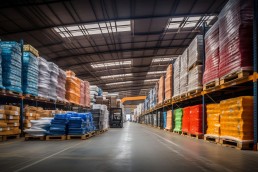
Keeping stock and healthy inventory and levels optimal is a constant battle for businesses, with overstocking as wasteful as being caught short. An effective auto replenishment system can be the game-changer.
This guide unveils how automatic replenishment streamlines inventory management and drives operational efficiency. Dive in to transform your supply chain experience.
Key Takeaways – Auto Replenishment
Auto-replenishment systems use real-time data and analytics to manage stock levels, triggering reorders when supplies dip below set thresholds.
Various industries such as manufacturing, retail, food and beverage, e – commerce, service businesses, and healthcare can benefit from implementing auto replenishment for greater efficiency.
Implementing an automatic replenishment system can increase productivity by minimising downtime due to stockouts or delays while also reducing overstocking costs.
The use of Warehouse Management Systems (WMS) ensures accurate tracking and monitoring of inventory levels in real-time to maintain optimal supply chain management.
Different types of auto replenishment strategies like Minimum/Maximum Replenishment, Forecast-Based Replenishment, Vendor-Managed Automatic Replenishment, Continuous Replenishment, and Just-in-Time (JIT) offer unique benefits tailored to specific business needs.
Understanding Automatic Replenishment

Automatic replenishment systems revolutionise the way inventory is managed by automating the ordering process. They track stock levels in real time, ensuring that supplies are ordered just before they run low.
This tech-driven approach leverages data analytics to predict and respond to your supply needs accurately, which vastly improves efficiency. The core of these systems lies in their ability to seamlessly integrate with warehouse management software, enabling a symbiotic relationship between tracking and reordering that minimises human intervention.
These dynamic systems can automatically signal suppliers for restocking based on set rules such as minimum stock levels or safety stock, thus preventing dreaded stockouts that could lead to lost sales and customer dissatisfaction.
Implementing an automatic replenishment system means embracing an innovative solution designed to keep your business one step ahead in inventory control. With a clearer understanding of this automated inventory replenishment process, businesses can now look at “Who Can Benefit from Automatic Replenishment?” where various industries stand poised to reap significant advantages from this technology.
Who Can Benefit from Automatic Replenishment?

Automatic replenishment systems are not just a modern convenience but a strategic asset across various sectors, streamlining supply chains and ensuring operational efficiency. Any organisation grappling with inventory management stands to gain from implementing this smart system, unlocking benefits that resonate through every layer of their operations.
Auto Replenishment – Manufacturing
Manufacturing firms face unique challenges in inventory management, often grappling with the balancing act of keeping production lines running smoothly without overstocking on components.
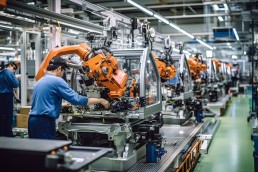
Automated replenishment systems combat these issues by ensuring a steady flow of raw materials to production areas and reducing downtimes caused by stockouts or delays. With the implementation of such technology, companies can streamline their supply chain management process flow, enhance real-time inventory control and increase productivity.
Incorporating an automated replenishment system into manufacturing operations simplifies the supply room hospital for parts. It eliminates manual handling errors that might otherwise disrupt assembly processes.
Manufacturers can set reorder thresholds tailored to their lead times and usage rates, activating an efficient procurement cycle that aligns with JIT principles. This precision contributes significantly to maintaining lean inventories whilst safeguarding against potential product quality deterioration due to excess stock holding costs or obsolete items lingering in storage systems.
Auto Replenishment – Retail
Retail businesses face the challenge of keeping shelves stocked with the right products at the right time, making automatic replenishment systems vital for their success. By implementing vendor-managed automatic replenishment, retailers experience real-time control over their inventory levels.
This not only ensures goods are consistently available but also helps manage product seasonality, avoiding the pitfall of out-of-stock scenarios or excess surplus.
Opting for an automated supply replenishment system streamlines warehouse management and optimises stock turnover. Retail directors can take advantage of these systems to maintain a fine balance between demand forecasting and inventory management, leading to enhanced customer loyalty.
Crucially, this automation allows stores like Amazon and Walmart to stay competitive by having popular items readily accessible while cutting down on holding costs associated with overstocking less demanded products.
Auto Replenishment – Food and Beverage
Shifting focus from retail to the dynamic world of food and beverage, it’s clear that automatic replenishment transforms operations in this sector. For directors navigating this fast-paced industry, automated supply replenishment systems are not just convenient but critical for success.
They ensure kitchens and dining establishments maintain a steady flow of ingredients, which is essential when preparing meals or serving drinks.
Food and beverage businesses reap significant advantages with auto-replenishment. It enables them to manage product seasonality efficiently and reduce storage costs without compromising on customer satisfaction.
Maintaining optimal inventory levels becomes seamless, ensuring that eateries can meet customer demand instantly, avoiding the disappointment of out-of-stock items. This streamlined approach aligns perfectly with advanced analytics and warehouse management systems (WMS), fostering an environment where reliability meets efficiency—garnering trust amongst consumers while enhancing operational excellence.
Auto Replenishment – E-Commerce
E-Commerce thrives on the seamless availability of products to customers. With an effective automatic replenishment system (ARS), online businesses ensure they never miss a sale due to stockouts, which is crucial since studies indicate that 70% of consumers switch allegiance if their desired item isn’t available.
Integrating ARS with e-commerce platforms empowers retailers to maintain optimal inventory levels through real-time data analysis and predictive analytics, significantly reducing the risk of lost revenue and customer dissatisfaction.
This technology not only enhances product traceability but also streamlines order picking and warehousing functions—resulting in labor savings and reduced storage costs. Furthermore, quick response codes (QR codes) facilitate efficient and customer care transactions, while RFID tags improve inventory management accuracy.
The knock-on effect is clear: delighted customers, a lean supply chain, and healthier financials for e-commerce entities. Directors should note how adopting innovative technologies like machine learning and automated warehouse systems can lead directly into improved service business operations—the next critical area for discussion.
Auto Replenishment – Service Businesses
Service businesses stand to gain significantly from implementing automated replenishment systems (ARS). With these advanced solutions, they achieve greater inventory accuracy and drastically reduce occurrences of stockouts.
Consider a scenario where every service is delivered on time, with no customer facing the inconvenience of delayed appointments or unavailable services due to inventory issues. ARS makes this possible by efficiently predicting lead times for restocking goods subscription services and supplies essential for uninterrupted service delivery.
In the competitive realm of service industries, losing even a small percentage of sales can have significant repercussions. Automated replenishment addresses this challenge head-on, effectively curbing losses that stem from as much as 5% in sales due to errors in restock planning and inventory shrinkage through theft.
The system’s sophisticated monitoring not only maintains optimal stock levels but also ensures resources are allocated judiciously. This strategic approach leads to notable cost savings while enhancing overall customer satisfaction – crucial aspects that resonate well with clients seeking dependable and timely services.
Auto Replenishment – Healthcare
Healthcare providers stand to gain immensely from implementing automatic replenishment systems. Such systems can stave off stock shortages and prevent supply delays, ensuring that critical medical supplies are always at hand when needed.
With the integration of a Warehouse Management System (WMS) like Easy WMS by Interlake Mecalux, healthcare and manufacturing facilities can streamline their logistic operations and significantly reduce error rates.
These sophisticated inventory management solutions permit the execution of advanced replenishment policies such as Just-in-Time (JIT) and top-off strategies tailored for healthcare environments.
They automate processes, cut down excessive operator travel time within distribution centres, and ensure an uninterrupted flow of goods – essential in saving lives. Key performance metrics show that adopting auto-replenishment means leads to more efficient maintenance of medical inventories and enhances overall hospital and supply chain efficiency and management process flow.
How Auto Replenishment Works
Delving into the seamless operations of automatic store replenishment, we uncover how sophisticated systems effortlessly ensure optimal inventory levels, inviting you to explore the intricacies that revolutionise stock management.
Setting Reorder Thresholds
Setting reorder thresholds is a critical component of automatic replenishment systems. Optimal stock levels ensure your warehouse operates smoothly, avoiding both overstocking and running out of key items.
Warehouses use inventory management software to establish these crucial points in the supply chain management process, making the endeavour much less guesswork and more strategic. With accurate data analysis, warehouses can respond quickly to changes in demand, keeping shelves stocked with necessary products.
Determining precise reorder points requires an understanding of your sales cycle and order lead times. Your ERP system plays a vital role here; it crunches numbers and predicts when you’ll need to restock based on historical sales data.
The WMS also has other factors as in current trends, seasonal fluctuations, or any upcoming promotions that may affect product inventory turnover or rate. Automated alerts notify purchasing managers at just the right time: not too early that you have excessive inventory tying up capital but soon enough that there’s no gap in availability for customers or production lines.
Roles and Permissions
Ensuring a smooth auto replenishment process requires clear definition of roles and permissions within the system. Users with different levels of authority can manage inventory, set reorder thresholds, or place orders based on their assigned privileges.
This hierarchy matters, as it maintains system integrity and prevents unauthorised modifications that could disrupt your supply chain.
Managers might have comprehensive access to adjust thresholds and monitor inventory levels, while operators may be limited to viewing data relevant to their tasks. Automated systems offer customised permission settings which align with business protocols, allowing for precise control over who does what in the auto-replenishment setup.
Optimal use of ERP systems and WMS logistics programmes hinges on these delineated responsibilities — they’re the backbone of safeguarding operational efficiency in distribution centres.
Inventory Monitoring
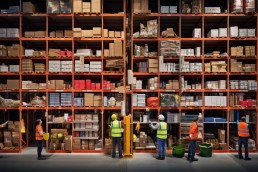
Inventory monitoring is a critical component of the auto-replenishment process, ensuring that stock levels are consistently accurate and up-to-date. Utilising warehouse management software equipped with RF scanners dramatically reduces errors common in most manual inventory management and control.
Precise tracking allows for immediate action as soon as stock falls below a predetermined threshold, preventing unnecessary operator travel within the warehouse.
Companies employ state-of-the-art technologies like stacker cranes and autonomous mobile robots to keep an eagle eye on inventory movement. These innovations streamline operations by automatically adjusting inventory records in real-time and flagging items for automated replenishment solution.
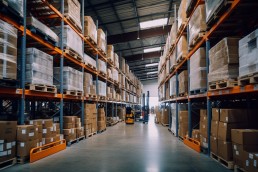
This aspect of supply chain management not only secures product availability but also maximises return on investment by keeping just the right amount of stock on pallet racks without tipping into excess or shortage.
Reorder Triggers
Upon carefully monitoring your inventory levels, reorder triggers play a vital role in the efficiency of an auto-replenishment system. These triggers are set to automatically initiate the restocking process once stock reaches a predetermined threshold.
This ensures that inventory shortages are addressed swiftly, maintaining a continuous supply of goods and preventing potential sales losses due to out-of-stock situations.
Reorder triggers make use of historical data and analytics, often integrated into advanced inventory management systems or ARS supply chains. They activate orders that align with your replenishment policy, enabling seamless operations within warehouses and throughout the entire supply chain management spectrum.
Effective implementation of such triggers can significantly optimise vendor-managed inventory processes and support best practices in just-in-time delivery systems.
Order Placement
Placing orders in the auto-replenishment system marks out real time inventory control, a critical step towards ensuring stock levels meet demand without fail. Once a reorder trigger activates, the warehouse management software swiftly generates purchase orders.
These are automatically sent to distributors or manufacturers, leveraging predefined replenishment parameters and quantities. This automation saves countless hours usually spent on manual order creation and submission.
The streamlined process integrates with existing supply chain management protocols to minimise hiccups during restocking activities. Sophisticated systems can even adjust these orders based on real-time sales data or inventory changes, enhancing efficiency across your distribution network.
It’s this precise coordination that keeps operations running smoothly, allowing for quick response to market shifts and customer needs without disruption or delay.
Delivery and Receiving
Once the auto replenishment system places an order, efficient delivery and receiving processes kick into action. These crucial steps ensure that items ordered are received correctly, accounting for both quantity and quality.
Automated systems come to life with conveyors whisking goods from lorries to their designated storage areas.
Warehouse workers rely on RF scanners provided by warehouse management software to accurately record each item. This minimises errors and streamlines inventory counts. Put-to-light devices further aid staff by displaying the exact amount of each product that needs stocking in specific warehouse locations, speeding up the entire process significantly.
The role of automated guided vehicles cannot be understated; they seamlessly transport products throughout the facility with precision. As a director overseeing such operations, you will appreciate how these technologies not only maintain smooth workflows but also contribute substantially to cost savings and reduced manual labour requirements.
With everything in place, your focus can remain on strategic oversight rather than day-to-day stock concerns.
Types of Automatic Replenishment

Exploring the various methodologies for auto replenishment reveals a spectrum of strategies designed to optimise inventory levels and align with business objectives. From predictive analytics that pre-empt demand, to streamlined partnerships where suppliers manage stock, each type offers unique benefits to keep supply chains agile and responsive.
Minimum/Maximum Replenishment
Minimum/Maximum replenishment strategies sit at the core of effective inventory management, making them crucial for directors to grasp. This automated approach sets a predefined minimum and maximum level for each product.
Once stock dips below the minimum threshold, a reorder is triggered automatically to top up supplies back to the maximum level. It ensures that stock levels are optimal without manual intervention.
By implementing such systems, companies can maintain a tight rein on their inventories. Real-time monitoring comes into play here, with warehouse management systems continuously tracking stock against these set parameters.
They act swiftly to prevent shortages and overstocking, striking just the right balance in your supply chain management strategy—keeping operations smooth and cost-effective while delivering uninterrupted service.
Forecast-Based Replenishment
Forecast-based inventory replenishment uses sophisticated data analysis advanced algorithms to predict future inventory needs. This method involves tracking past sales patterns, considering market trends, and adjusting for seasonal fluctuations to ensure businesses have the right products at the right times.
By leveraging this approach, you can maintain optimal stock levels, prevent overstocking or stockouts, and manage product life cycles with agility. Automated systems are instrumental in streamlining this process by handling complex calculations and reorder processes more efficiently than manual methods.
With forecast-based replenishment integrated into your supply chain management strategy, you sidestep the pitfalls of guesswork in ordering inventory. The complement of easy WMS software simplifies implementation, offering seamless updates based on current and future demand forecasts.
Such precision not only saves time but also significantly cuts costs associated with excess inventory or missed sales opportunities due to understocking. Moving forward from forecast-based strategies opens up a conversation about Vendor-Managed Automatic Replenishment—a partnership where suppliers take charge of restocking based on agreed parameters.
Vendor-Managed Automatic Replenishment
Vendor-Managed Automatic Replenishment takes collaboration to a new level, allowing suppliers to shoulder the responsibility of maintaining inventory levels. Suppliers monitor their products in your inventory using warehouse management systems and make decisions on when to send more supplies.
They act based on real-time data, ensuring that you always have an optimal supply without running the risk of overstocking.
This method streamlines supply chain operations by giving vendors direct control over the replenishment process. It reduces storage costs as it eliminates excess inventory and helps maintain continuous inventory control.
Embracing this approach can free up valuable time for business owners, allowing them to focus on growth rather than worrying about stock levels.
Continuous Replenishment
Moving beyond warehouse management software leads the realm of vendor-managed systems, continuous replenishment propels inventory management into a state of perpetual motion. This method ensures that stocks are consistently updated, tapping into the power of automated systems for real-time control.
By leveraging a WMS logistics program, businesses take command of their inventory with remarkable accuracy and efficiency—banishing manual errors to a thing of the past.
With this approach, conveyor systems and roller conveyors work seamlessly to keep shelves stocked and operations smooth. It’s all about having the right amount of product at precisely the right time, avoiding both shortages and surpluses.
Companies like Costco have harnessed this technique effectively ensuring products enveloped in seasonality remain available without overburdening storage spaces or cash flows. Directors benefit from such smart replenishment policies as they manage supply chains more adeptly than ever before.
Just-in-Time (JIT) Replenishment
Just-in-Time (JIT) replenishment revolutionises how businesses manage their stock. It’s a strategy that aligns orders from suppliers directly with production schedules. Companies receive goods only as they need them for the production process, which helps to minimise inventory levels and reduce waste.
This approach demands more accuracy, precise coordination and a deep understanding of your production cycles.
To implement JIT effectively, you’ll lean on cutting-edge warehouse management systems. These systems are designed to automate replenishment by monitoring your current stock against minimum level thresholds and safety stocks.
They seamlessly integrate with supplier networks, ensuring real-time communication and prompt delivery of materials right when they’re needed—creating an efficient digital supply chain that keeps pace with changing demand, without overstocking or delays.
Advantages of Automatic Replenishment
Automatic replenishment systems revolutionise inventory management, streamlining operations to an unprecedented degree of efficiency and reliability. Harnessing this sophisticated approach not only curtails common stock-related pitfalls but also propels businesses towards enhanced profitability and customer satisfaction.
Auto Replenishment – Accurate Recording
Accurate recording in the auto-replenishment process is crucial for maintaining a clear picture of your inventory levels. With continuous, real-time control systems in place, businesses can track stock with high precision, ensuring that every unit is accounted for at all times.
By leveraging warehouse management systems that automate this function, companies significantly reduce human error and enjoy a streamlined process from order placement to delivery.
Implementing strong auto-replenishment software is crucial as it reduces errors in the supply chain by tracking inventory movements carefully. Strategies like just-in-time and reorder point policies rely on this accuracy to work well, improving overall efficiency in stock management and order preparation.
This attention to detail assures directors that their operations are supported by reliable data and that decisions made on stock levels always reflect the current market demands and warehouse realities.
Auto Replenishment – Lowers the out-of-stock rate of goods
Continuing from the precision of accurate recording, automatic replenishment systems take a giant leap in maintaining optimal stock levels. By keeping tabs on inventory and initiating timely reorders, these systems drastically cut down the scenarios where customers face empty shelves or delayed orders.
Implementing auto replenishment means fewer instances of ‘out of stock’ signs that can drive 70% of consumers straight into the arms of competitors.
Efficiently calibrated reorder points ensure your product supply aligns with demand patterns, making over- or under-stocking issues a thing of the past. This approach optimises warehouse space and keeps goods flowing smoothly to meet customer needs without interruption.
It’s a proactive step towards further customer engagement and securing loyalty by guaranteeing availability whenever and wherever it matters most.
Auto Replenishment – Improves Customer Retention
Reducing out-of-stock incidents not only preserves your inventory health but also directly bolsters customer retention. Customers expect consistency and reliability when they shop, and a potent auto-replenishment system meets these demands head-on by ensuring favourite products are always available.
Let’s face it: availability can make or break brand loyalty in today’s fast-paced market where competitors are just a click away.
Auto replenishment stands as a proactive solution that anticipates needs before they turn into missed sales opportunities. Imagine the satisfaction customers feel when what they want is there each time, every time – this reliable service encourages them to return repeatedly.
In a marketplace where 70% of customers would jump ship after encountering an out-of-stock scenario, maintaining fully stocked shelves through smart replenishment policies isn’t just beneficial – it’s crucial for keeping your clientele close and content.
Auto Replenishment – Eliminates Overstocking
Automatic replenishment systems play a pivotal role in slashing storage costs and mitigating the risk of dead stock. By tapping into technologies like just-in-time (JIT) and reorder point algorithms, these systems ensure your inventory levels are optimally balanced.
You obtain exactly what you need, precisely when you need it, dodging the pitfalls of overstocking. This precision keeps your warehouse lean and cost-effective.
Investing in automated replenishment software steers clear of guesswork in inventory management. These tools leverage data to predict the exact quantity of goods necessary, stamping out excess that ties up capital and occupies valuable space.
Such strategic automation protects your bottom line by avoiding the accumulation of unsellable merchandise, ensuring resources are allocated efficiently throughout your supply chain operations.
Auto Replenishment – Saves Time
Auto replenishment systems streamline the entire stock management process. By setting up reorder thresholds, warehouse software intelligently automates stock replenishment and inventory allocation tasks. This reduces manual checks and calculations that can be both time-consuming and prone to errors.
Managers find they have more hours in their day to focus on strategic decisions rather than being bogged down by routine inventory assessments.
Warehouse operations speed up as RF scanners swiftly update inventory levels, triggering reorders at just the right moment. These smart solutions cut out delays, fast-track order placement and simplify delivery scheduling.
The result is a significant saving of time across all levels—from floor staff handling goods to directors analysing performance against key metrics afterwards—enhancing productivity without additional manpower or extended work hours.
Moving forward, adopting an effective replenishment policy not only conserves time but also aligns with financial prudence, leading us into our next benefit: it saves money.
Auto Replenishment – Saves Money
Automatic replenishment systems directly translate into cost savings for businesses. By using routine replenishment and maintaining optimal inventory levels, companies avoid the financial drain associated with emergency restocking and halt unnecessary capital in overstocked items.
Storage costs plummet as space is efficiently utilised, keeping only what you need on hand.
Implementing an ARS also slashes labour expenses. Employees no longer waste valuable time counting stock or placing last-minute orders; the system handles these tasks seamlessly. This automated precision ensures goods are not left unsold due to over-purchasing, thus down operational costs and enhancing your profitability.
With every aspect of inventory management optimised, directors can focus resources on growth rather than managing costly inefficiencies.
Conclusion
Embracing auto replenishment transforms your stock management into a seamless, efficient process. Directors who implement these systems witness their operations thrive through enhanced accuracy and customer satisfaction.
It keeps shelves stocked, costs down, and customers returning. Implementing this guide’s strategies guarantees a competitive edge in today’s dynamic market. Reap the benefits of an optimised supply chain with smart auto replenishment at its core.
FAQs
1. What does auto-replenishment mean in supply chain management?
Auto-replenishment is a process within supply chain management where inventory is automatically restocked based on predefined criteria, ensuring that products are consistently available without manual intervention.
2. How can automatic replenishment benefit my business?
Implementing an automatic replenishment policy helps maintain optimal inventory levels, reduces the risk of stockouts, and can lead to more efficient use of warehouse space and resources.
3. What should I keep in mind when setting up an auto-replenish system?
When setting up an auto-replenish system, it’s crucial to analyse past sales data to determine target stock levels and ensure your menu of products aligns with customer demand patterns.
4. Can automatic replenishment save time for businesses?
Yes, by automating the process of reordering stock, businesses save time that would otherwise be spent on manual inventory checks and purchase order creation.
And there's more...