In the fast-paced world of commerce, efficient warehouse storage solutions are pivotal to staying ahead. Warehousing and storage are often confused, yet their strategic use can define a business’s success.
This article delves into techniques that refine warehousing efficiency, shaving off precious time in logistics. Read on for insights that transform clutter into clarity.
Key Takeaways: Warehousing and Storage
General warehouse storage optimises space and access, using pallet racks and management software for real-time tracking and quick dispatch.
Bonded warehouse storage allows businesses to defer customs duties while securely storing imports, offering up to five years of duty deferral in free-trade zones.
Fulfilment centres are essential for e-commerce, utilising the latest technology for efficient order processing and ensuring perishable goods stay fresh with temperature control systems.
Advanced storage systems like AS/RS can speed up order processing significantly by integrating robotics, maximising space with vertical racking, and reducing errors through automated solutions.
Strategic placement near target markets reduces transportation costs and delivery times, enhancing customer satisfaction by providing faster shipping options.
Understanding Warehousing and Storage

Grasping the intricacies of warehousing and other storage systems is paramount as these are fundamental components that ensure a seamless link within the supply chain. They provide the backbone for businesses to effectively manage inventory, fulfil orders, and maintain product quality during their lifecycle from production to consumer.
Definition of Warehousing
Warehousing stands as the keystone of the supply chain, a critical component that entails holding or storing goods on a large scale for manufacturers, retailers, and distributors. Unlike smaller-scale, storage solution options, warehousing is engineered to manage vast quantities of products over extended periods.
Businesses utilise warehouses as secure locations to hold inventory and keep stock until it’s time for distribution or sale. These facilities are strategically placed near major transport links enabling swift movement of large quantities of goods through logistical networks.
Operating a warehouse means more than just housing inventory; it embodies an entire system inclusive of packaging services, transportation logistics, and often complex security measures to safeguard against theft or damage – an imperative aspect considering the high value and volume of stored commodities.
With various types of warehouse storage and solutions including bonded warehouses and refrigerated storage solutions at their disposal, directors have direct access to customised warehousing strategies that go beyond mere storage – they ensure operational efficiency within the wider sphere of inventory management and order fulfilment processes.
Definition of Storage
Moving forward from warehousing, let’s focus on high density storage in a more specific sense. Storage refers to the action or method of keeping products securely for future use. Storage and high density storage are essential components within the broader scope of warehousing and stand as critical aspects of managing supply chains.
In essence, the storage system ensures that goods are maintained under optimal conditions until they are needed for distribution or sale.
It plays a pivotal role in safeguarding product quality and can involve various systems designed for efficient space utilisation and easy access to items. Systems such as the various pallet and mobile racking systems, locking systems and mobile shelving allow businesses to store their inventory effectively, reducing unnecessary handling and maintaining orderliness within warehouse storage facilities.
This organisation leads directly to improved workflows and supports rapid order processing—a key performance indicator (KPI) for any successful business operation.
Differences Between Warehousing and Storage
Warehousing is the heavyweight champion of storage, designed for stashing a vast array of products on an industrial scale. Think large buildings equipped to manage and protect huge quantities of goods for extended periods, often linked by rail systems to major transportation networks in order to streamline supply chain management.
The warehousing industry caters primarily to businesses needing comprehensive solutions – from inventory control to order fulfilment – delivered with precision by advanced warehouse management systems.
In contrast, storage provides a more personal touch, focusing on safeguarding smaller items for brief spells. These facilities are typically nestled within residential areas, offering renters direct access to accessible mini-storage units or self-storage options.
Storage doesn’t require the same logistical gymnastics as warehousing; here simplicity reigns supreme with a much lower cost attached due to its leaner nature and lack of complex services like those found in distribution centres or fulfilment centres.
Types of Warehousing and Storage

The landscape of warehousing is far from monolithic, with a diverse array of types designed to meet specific business needs and regulatory requirements. From vast spaces accommodating bulk storage to technologically advanced fulfilment centres that expedite the e-commerce journey, each warehouse type offers unique advantages tailored for different industry sectors and operational scales.
General Warehouse Storage
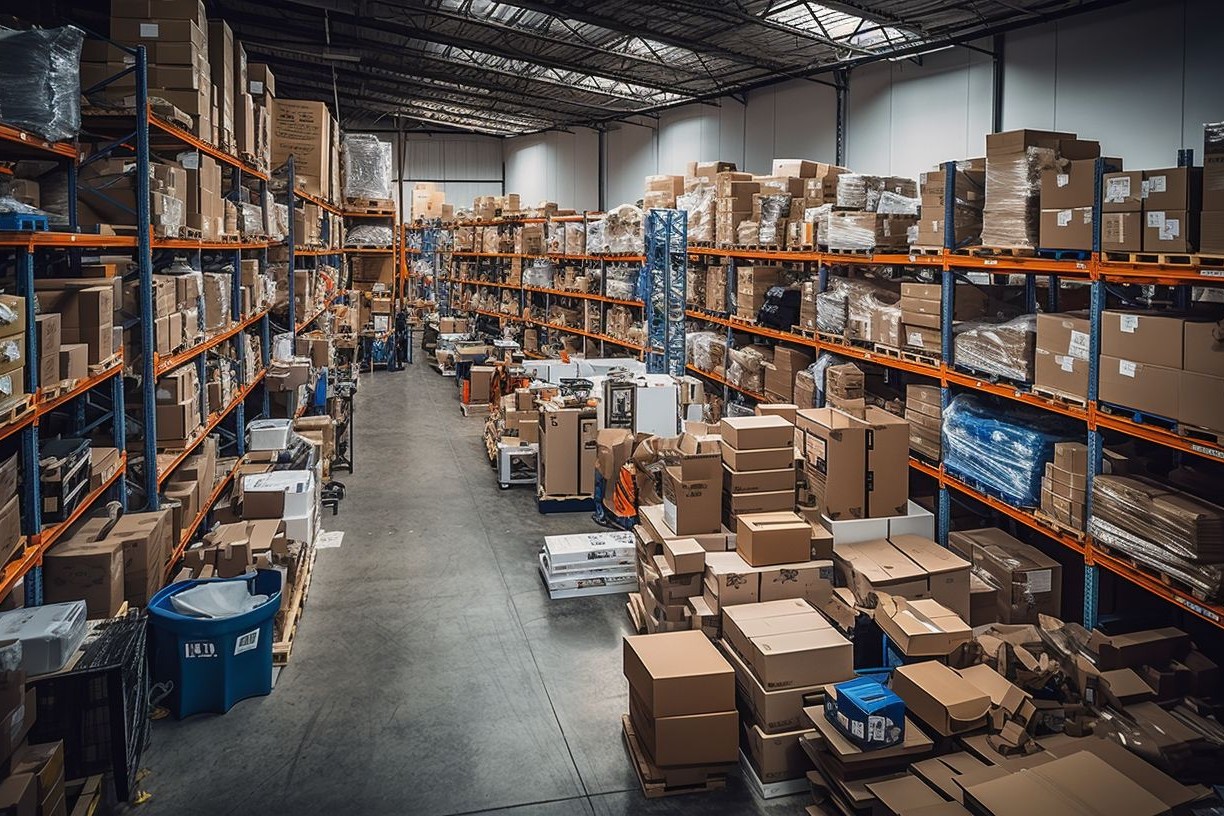
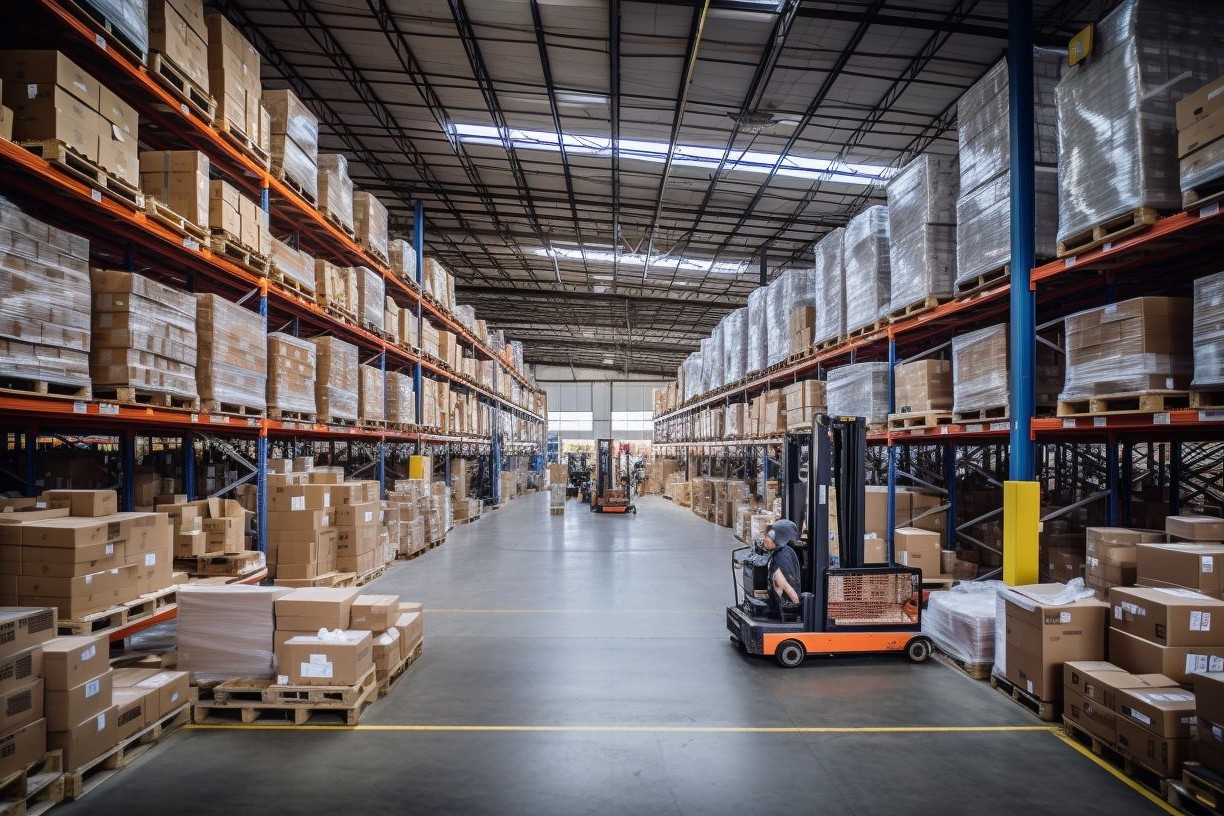
General warehouse storage serves as the backbone for operations in many physical product businesses. It involves the strategic placement of goods and physical structures within a facility to optimise storage density and available space for utilization and control access to.
Efficient use of this warehouse space can significantly impact a business’s profitability, ensuring that products are stored, packed, and shipped with minimal delay or waste.
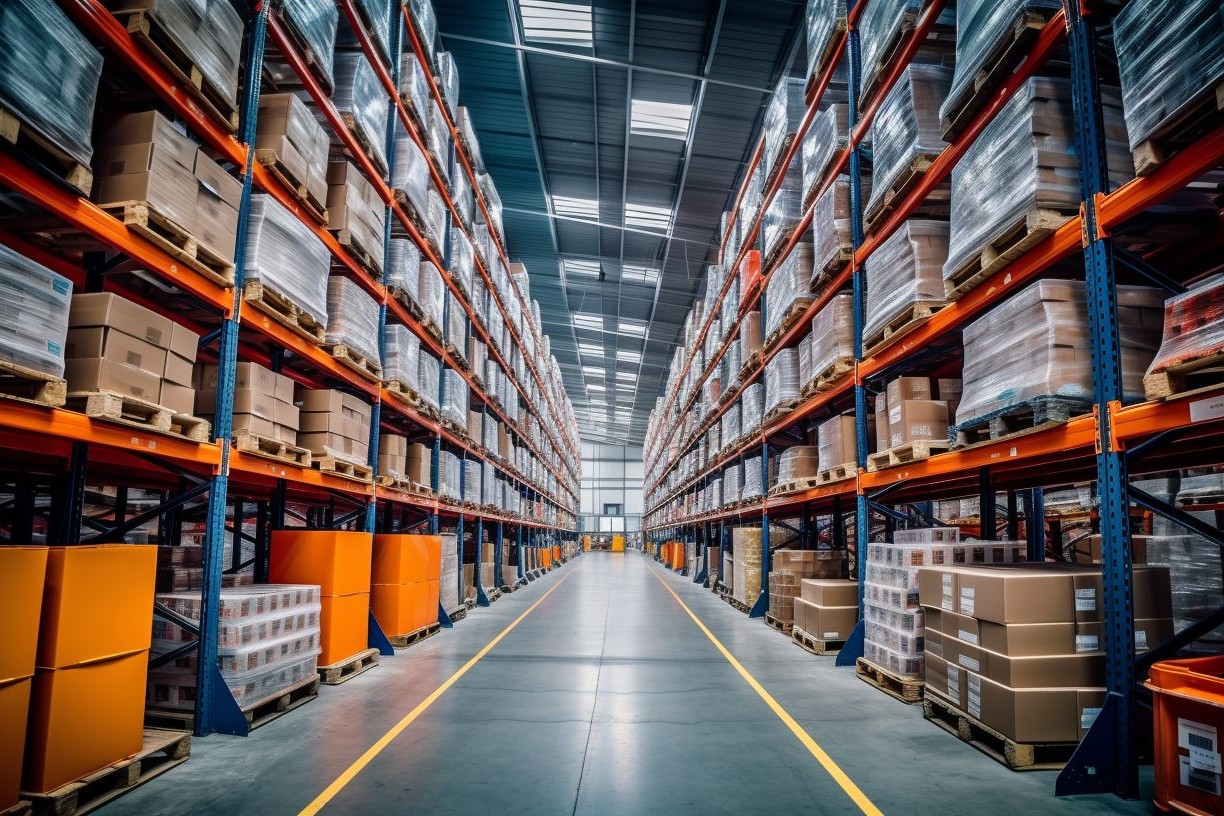
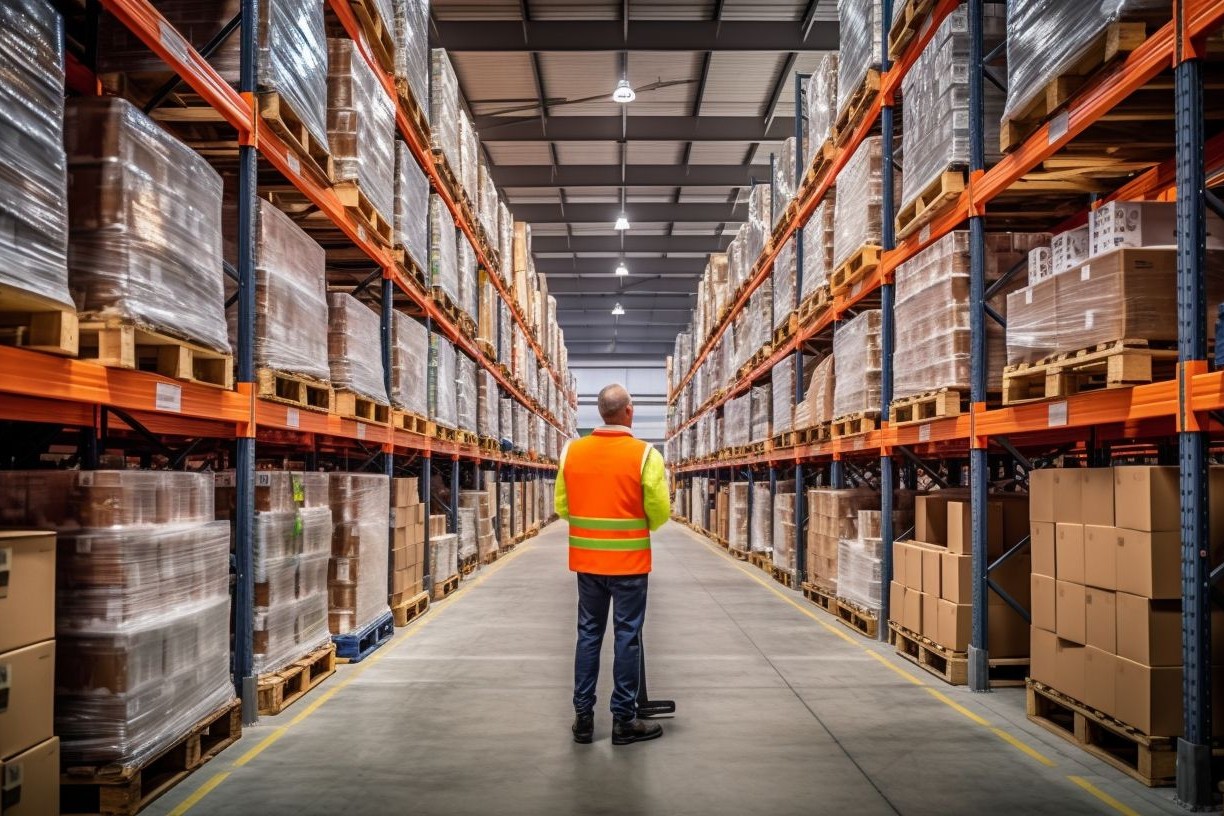
Effective storage strategies require incorporating various other warehouse storage types and system types full of pallet racks fixed aisles designed to accommodate different product sizes and weights. Forklifts frequently navigate these aisles, moving inventory as needed while workers utilise advanced warehouse management software to track every item’s location in real-time.
With smart organisation based on product type, manufacturing date, batch number, and final destination directors can oversee an operation where items are easy to locate and ready for dispatch with streamlined efficiency.
Bonded Warehouse Storage
Moving beyond the conventional storage options, bonded warehouse storage presents a significant advantage for companies dealing with imported goods. This type of warehousing allows businesses to store their imports securely while deferring customs duties and taxes until the goods are moved out for domestic sale or export.
It’s an effective way to manage cash flow as payment is only required when products are actually distributed.
The strategic use of bonded warehouses can enhance operational efficiency by providing up to five years of duty-deferred benefits in free-trade zones. These facilities assure directors that not only is capital preserved through postponed tax payments, but product quality remains intact over extended periods.
With these secure locations, your inventory gains an extra layer of protection against financial and physical risk until it reaches its final destination.
Fulfilment Centres
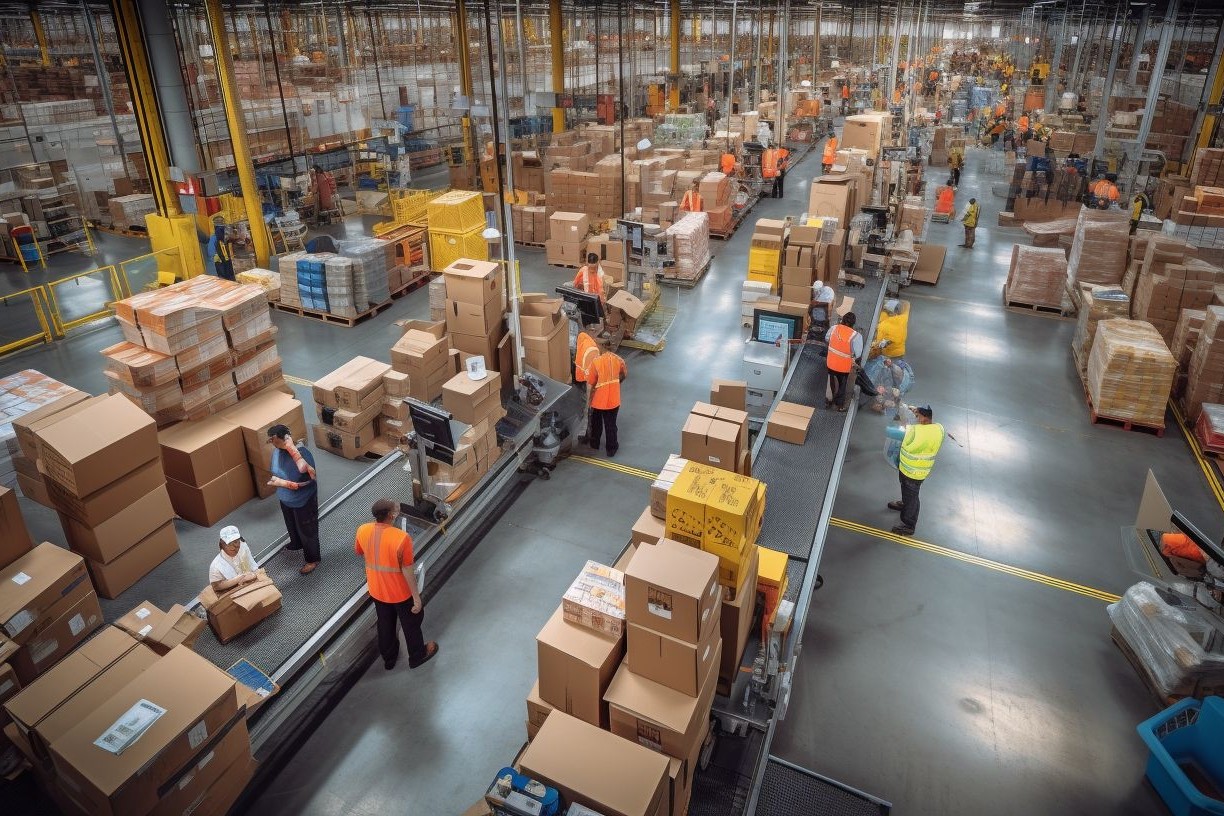
Fulfilment centres act as modern hubs where inventory is not just stored but prepped for dispatch with precision and speed. They play a pivotal role in ensuring that orders are fulfilled accurately, which includes everything from tracking items to packing them ready for shipping.
These centres use cutting-edge technology like barcode scanners and inventory management software to keep a tight grip on stock levels, helping businesses avoid unforeseen shortages or excesses.
For retailers and eCommerce platforms, these bustling warehouses mean that they can entrust the complex logistics of order fulfillment to experts while focusing their energies on sales, marketing, and growth.
Moreover, temperature control systems within these facilities ensure that perishable goods stay fresh until they reach their destination. Turning our attention now towards types of storage systems..
Types of Storage Systems
Discover innovative and strategic types of storage systems that can revolutionise your warehousing operations, enhancing both space utilisation and inventory accessibility – continue reading to unlock the full potential of your warehouse environment.
Inventory Overflow
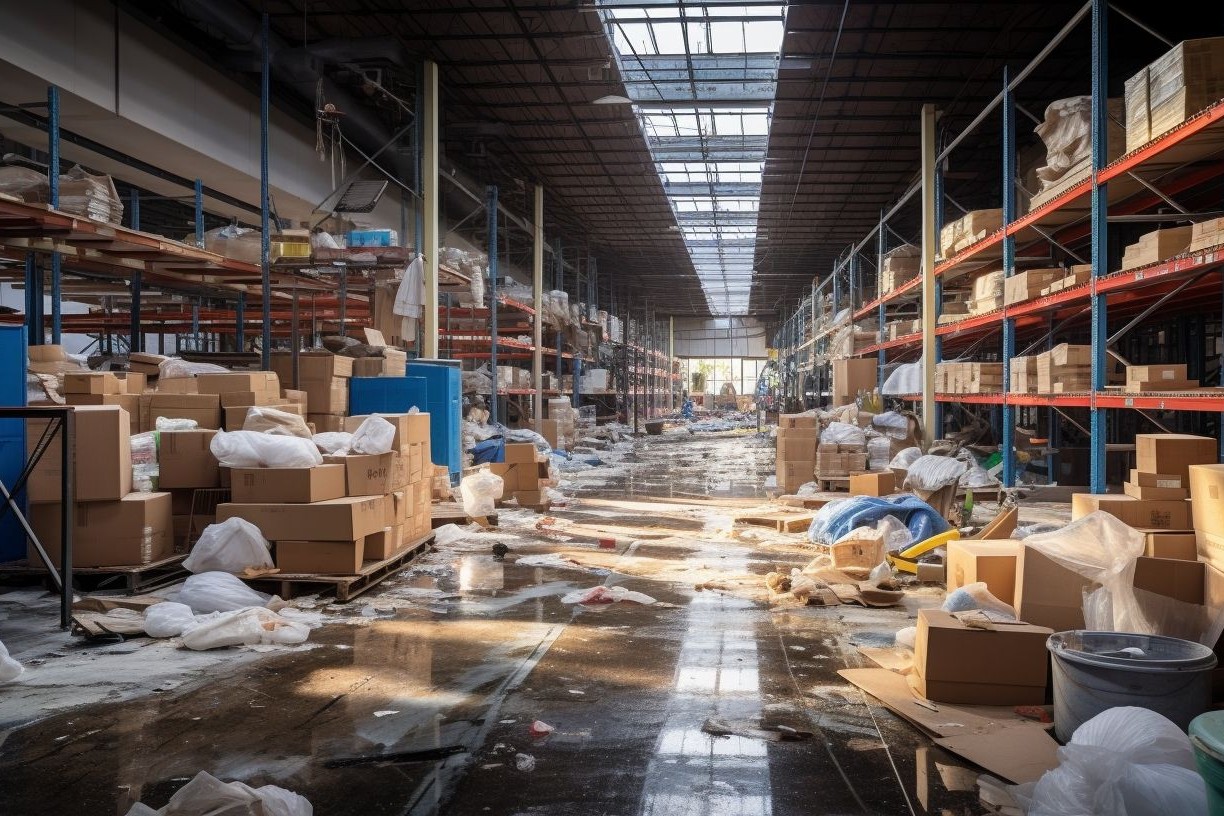
Inventory overflow often strikes warehouses as a formidable challenge. Statistics reveal that 74% of retailers grapple with demand fluctuations throughout the year, which can lead to chaotic storage conditions and impede efficiency within warehouse operations.
Crowded aisles and mismanaged spaces are direct consequences of these variations in demand, creating additional strain on store inventory and management systems.
To combat this issue, innovative warehousing solutions need implementation to ensure smooth operation despite erratic product flow. Slow-moving stock-keeping units (SKUs) exacerbate the problem by causing ‘honeycombing’, where storage space used for fast-selling items becomes a limited, available storage space due to inefficient organisation of less popular products.
Directors must navigate these complexities by adopting dynamic and storage processes and systems in warehouses designed to swiftly adjust to changing inventory levels and maintain operational flow. Moving on, let’s delve into the specific types of warehouse storage systems, solutions and systems that can address these challenges head-on.
Warehouse Storage Systems
Transitioning from managing inventory overflow, it’s critical to consider the right warehouse storage system or warehouse storage system systems that underpin operational success. Implementing the most appropriate warehouse storage system or warehouse storage systems enhances efficiency and responsiveness within your warehousing operations. Here are key components and strategies:
Select the right type of storage system for your specific needs, whether it’s static shelving for smaller items or dynamic solutions like mobile racking for bulk goods.
Invest in automated storage and retrieval systems (AS/RS) to speed up order processing and reduce errors, leveraging robotics where feasible.
Utilise vertical space with high-density pallet racking, increasing your warehouse’s storage capacity without expanding its footprint.
Introduce mezzanine flooring to create additional storage areas or workspaces above the main warehouse floor.
Adopt a Warehouse Management System (WMS) that integrates with radio frequency identification (RFID) and internet of things (IoT) technologies for real-time inventory tracking.
Configure your layout to streamline material handling equipment paths, reducing travel times and increasing throughput rates.
Apply cross-docking practices when possible to minimise storage time and expedite shipment preparation.
Benefits of Warehousing and Storage

Warehousing and storage offer a strategic advantage by streamlining inventory management and improving service delivery, ensuring businesses meet customer demands with efficiency.
Control Over Products
Gaining control over your products is crucial in today’s fast-paced market. Smart warehousing storage solutions empower businesses to track inventory with precision, ensuring that each item is accounted for and can be located instantly.
This level of organisation streamlines the picking and packing process, resulting in improved workflow and swifter delivery times. With systems like just-in-time inventory management, companies closely align their production schedules with demand, reducing excess stock and enhancing efficiency.
Effective control translates into flexibility for scaling operations up or down without committing to long-term contracts, as seen with on-demand warehousing options. This agility allows directors to make informed decisions based on real-time data provided by advanced operational technologies integrated within warehouse storage facilities.
Directors now have the tools at their disposal to minimise waste, maximise space utilisation, and adjust strategies promptly to meet the ever-evolving needs of both retail stores and ecommerce businesses.
Improved Workflow
Having a firm grip on product control sets the stage for an enhanced workflow within warehouse operations. Streamlined processes emerge as one of the standout advantages, thanks to optimised and storage solution solutions.
Efficient workflows reduce bottlenecks and accelerate tasks from inventory management to order fulfilment. This efficiency is not just about moving products faster; it’s about smartly aligning each step in the supply chain to minimise delays and errors.
Adopting lean warehousing principles alongside advanced operational technology transforms traditional storage spaces into dynamic environments that respond quickly to varying demands.
These changes often involve integrating systems such as ERP and automations that provide real-time data, ensuring every team member can make informed decisions swiftly. With everything from picking routes to restocking activities refined, warehouses achieve greater throughput without compromising on accuracy or safety – essential factors for maintaining high standards across all facets of warehousing services.
Faster Shipping and Delivery
Efficiently moving products from cold storage warehouses to the customer’s doorstep is crucial, and it hinges on the prowess of your warehousing operations. Implementing cutting-edge inventory management techniques, such as radio frequency identification (RFID) tags, allows for rapid tracking and sorting of items.
This means that goods can be located and dispatched with incredible speed in less space, enhancing delivery times.
Warehouses positioned strategically close to target markets further streamline distribution channels. With the support of third-party logistics providers who specialise in expedited order picking and packing processes, businesses can ensure that items are out for delivery shortly after an order is placed.
Combining these sharp operational methods significantly trims down shipping windows and elevates customer satisfaction by delivering purchases faster than ever before.
Close to Target Market
Choosing the right warehouse storage facility can significantly cut down on delivery times and enhance customer satisfaction. Being close to your target market means you can respond quickly to demand changes and provide faster shipping options.
This is crucial in a world where consumers expect immediate gratification from their purchases.
Warehouses positioned strategically near key markets enable directors to reduce transportation costs, which translates into competitive pricing for customers.
Long-Term Storage
Long-term storage stands as a pillar of warehousing efficiency, offering the strategic advantage of holding goods over extended periods. This approach not only ensures products remain in prime condition but also allows businesses to manage inventory levels proactively, adjusting for seasonal demand or bulk purchasing advantages.
Cold storage facilities are pivotal in this aspect, safeguarding perishable items with precise temperature and humidity control, thereby extending their shelf life and maintaining quality.
Efficient long-term storage demands a meticulously crafted warehouse organisation plan that streamlines the processes for receiving and preserving new stock. It requires intelligent use of available space, through methods like high-density storage, pallet racking systems and automated storage solutions to maximise your warehouse’s potential.
Moving forward, risk minimisation plays a key role in protecting stored goods against various contingencies, ensuring business continuity regardless of external factors.
Risk Minimisation
Implementing lean warehousing principles is crucial for directors looking to tighten the reins on risk management. Cutting down resource wastage and streamlining processes not only sharpens productivity but also guards against costly inefficiencies that can undermine a business’s backbone.
By embracing such strategies, companies ensure a robust defence against the chaos of disorganisation and financial loss.
Adopting smart warehousing technologies empowers businesses with real-time data to track inventory levels, anticipate demand, and avoid stockouts or surplus. The integration of eco-friendly measures further safeguards operations from environmental risks while bolstering public image.
As storage in warehousing evolves, next-generation WMS and IoT tech become indispensable tools for maintaining control over warehouse facilities operating activities and ensuring seamless order fulfilment – essential components in mitigating operational hazards.
Moving forward, task delegation will be key in leveraging human resources effectively within these optimised systems.
Task Delegation
Effective task delegation is a cornerstone of warehouse and storage efficiency, enabling warehouse managers to to assign responsibilities based on the unique strengths of their team members. By harnessing the capabilities of a robust Warehouse Management System (WMS), directors can ensure tasks are distributed in a manner that maximises productivity and accuracy.
This systematic approach not only streamlines operations but also empowers employees by giving them clear cut responsibilities tailored to their skills.
For optimal performance, businesses must consider advanced warehousing solutions or third-party logistics (3PL) providers. These services offer sophisticated delegation strategies that can significantly boost operational efficacy.
They provide customised support that ranges from inventory management to pick and pack processes, all structured around the core principle of placing each task with the right resource.
Embracing these cutting-edge options transforms warehouse management into a precision-driven arena where every detail counts toward overall success.
Principles of Warehousing and Storage Efficiency
Efficiency in warehousing and storage is not a mere byproduct of chance but the outcome of adhering to robust principles that streamline operations. This section delves into the core tenets vital for transforming a cluttered storage facility into a model of productivity, where every process is refined, and each task aligns with overarching business goals.
Clear Objectives
Having clear objectives is essential for effective warehouse storage management. Goals must be specific, measurable and aligned with the overall business strategy. This could include reducing costs associated with the cost of goods sold or improving delivery times to enhance customer satisfaction.
Directors should ensure that every process, from the use of pallets in inventory overflow systems to implementing state-of-the-art logistics management software, contributes towards these targets.
Setting these goals involves not just looking at current operations but also anticipating future needs. It demands identifying key performance indicators (KPIs) that will track progress accurately.
Objectives might range from maximising space utilisation through innovative storage techniques to integrating artificial intelligence in managing self-storage or godowns. Each initiative should lead directly to operational improvements, whether by streamlining packing materials handling or by minimising waste reduction through efficient maintenance schedules – everything aimed at propelling the warehousing facility forward in a competitive market.
Accuracy
Precision in inventory management is paramount for any efficient warehouse operation. Pinpoint accuracy ensures that every item is accounted for, which eliminates the costly errors of misplacing or losing products.
This enables better forecasting and resource allocation within the warehousing facilities, ultimately leading to heightened operational efficiency. Utilising technologies such as ERP systems, scanning apps and RFID tags can dramatically improve accuracy rates.
Directors must emphasise the importance of regular training for staff on these systems to maintain high levels of accuracy in every business process. Accurate data entry at all touchpoints – from receiving and inspection through to packaging and raw materials in – streamlines workflows and minimises delays in distribution centres.
It’s not just about avoiding mistakes; it’s also about instilling a culture where precision is valued and practiced consistently across all warehouse right storage system types.
Operational Efficiency
Optimising operational efficiency in your warehouse directly aligns with reduced overhead costs and increased profitability. Implementing the latest information technology (IT) systems, such as real-time inventory tracking, can dramatically reduce order cycle times and boost picking accuracy.
This investment empowers businesses to expedite processes without compromising on quality or safety – vital aspects for maintaining a competitive edge.
Embracing new technologies also plays a role in enhancing productivity within warehouses. Automated solutions like conveyors and robots not only streamline tasks but also minimise the physical strain on employees, which can lead to fewer accidents and improved wage growth sustainability.
Smarter storage space utilisation strategies ensure that limited space is used effectively leading seamlessly into principles of speed and end-to-end customer satisfaction in efficient warehousing operations.
Speed
Speed in warehousing and storage isn’t just about moving fast; it’s about efficiency and response times that set industry benchmarks. Directors understand that the quickness with which a good warehouse storage system operates can dramatically boost a business’s overall productivity.
Agile fulfillment operations allow for rapid order processing, meaning products get from shelf to shipping with minimal delay, ensuring that fulfillment centers stay ahead in the race against time.
Accelerated picking, packing, and dispatching practices directly influence customer satisfaction levels and retention rates. In today’s market landscape where consumers expect immediate service, shaving even seconds off each transaction compounds into significant gains.
A swift turnaround is essential not only for maintaining an energy-efficient system but also for keeping pace with competitors who leverage speed as a key differentiator.
Up next: exploring how end-to-end customer satisfaction seals the deal in efficient warehousing strategies.
End-to-End Customer Satisfaction
Achieving end-to-end customer satisfaction is pivotal for the success of your warehousing operations. Every stage, from receiving inventory to shipping out orders, must run smoothly to meet customer expectations.
This means having systems in place that ensure accuracy and speed in order fulfillment – qualities that customers now demand more than ever before. A seamless experience can lead to repeat business and positive word-of-mouth, both invaluable assets for any enterprise.
Warehouses are central hubs in the e-commerce world, where efficiency directly impacts customer happiness. Integration of sophisticated tracking and storage systems in warehouse itself helps monitor every item’s journey, providing real-time updates essential for maintaining trust with clients.
Tailoring storage solutions like public warehousing or refrigerated warehousing to individual business needs allows for better control over product quality and delivery times – a surefire way to build reputations as reliable partners within the industry and secure long-term customer loyalty.
Tracking and Reporting
Effective tracking and reporting mechanisms are integral to the smooth operation of any warehousing system. Utilising the latest technological advancements, such as RFID tags and scanners, warehouses can now manage inventory with precision in real-time.
This level of detail allows for immediate identification of stock levels, locations within a facility storing inventory, and even monitoring items during transit.
The advent of smart warehousing has integrated information technology with operational processes. The use of IoT tech provides an unprecedented ability to compile data from various sources seamlessly.
Managers can then leverage this data to make quick, informed decisions that align with business objectives. Reports generated through these systems enable directors to scrutinise every aspect of warehouse operations – from vehicle storage capacity and efficiency to how quickly products move out the door – ensuring company resources are optimised at every turn.
How to Optimise Warehouse Storage
Optimising warehouse and storage floor space utilisation can lead to significant improvements in both efficiency and cost management. Directors should focus on strategies that enhance the functionality of their storage spaces. Here are key steps to consider:
Conduct a thorough assessment of current warehouse layouts and operations. Identify areas where space is underutilised or where workflow could be streamlined.
Emphasise the importance of inventory accuracy. Use barcode scanning and labelling systems to keep track of stock levels and locations.
Implement smart storage solutions that adapt to varying inventory sizes. Consider mobile shelving units to maximise space utilisation.
Align the layout with the most frequently picked items. Position these goods closer to packing areas to reduce travel time for employees.
Invest in warehouse management software (WMS) that integrates with your business processes. This technology should provide real-time data for better decision making.
Regularly train staff on best practices for picking, packing, and storage. A knowledgeable team works faster and makes fewer mistakes.
Utilise vertical space efficiently with high stacking and appropriate racking systems, ensuring safety regulations are strictly followed.
Explore options in automated storage retrieval systems (AS/RS) to speed up operations and reduce manual labour, especially if operating at large scale.
Review handling equipment regularly to ensure it’s suitable for moving your products safely and swiftly through the warehouse.
Engage in continuous improvement processes by gathering feedback from staff about potential enhancements that could make their work easier and more productive.
Conclusion
Efficient warehouse storage solutions and tactics are essential for streamlining operations. They grant businesses the agility to meet market demands swiftly and effectively. Implementing robust warehouse storage solutions ensures products are secure, accessible, and ready for dispatch.
Such strategies bring forth substantial gains, driving success in today’s fast-paced commercial landscape. Henceforth, mastering these techniques becomes imperative for any thriving enterprise.
FAQs
1. What are some warehouse storage techniques that can help my business?
Efficient warehouse storage techniques, such as labelling items correctly and organising goods strategically in private warehousing or self-storage units, can streamline operations for all businesses.
2. How does bonded warehousing benefit businesses?
Using bonded warehousing allows businesses to store imported goods securely without immediate payment of duties, which can help manage cash flow better and possibly offer competitive prices.
3. Are there specific strategies to maximise space in a warehouse?
Yes, implementing smart storage solutions like vertical stacking, static shelving and mobile shelving systems, can maximise the available floor space in your warehouse.
4. Does good parking access matter for warehouses?
Absolutely! Having adequate parking facilities is crucial for smooth loading and unloading of goods, ultimately enhancing efficiency in your daily warehousing operations.
And there's more...