Efficiently managing the flow of goods from origin to consumer can be a complex task for any business leader. Distribution management stands as the backbone of this process, coordinating everything from warehousing to delivery.
This guide will illuminate the path through distribution management‘s intricacies, offering strategies and solutions that streamline operations. Dive in to transform distribution management important your products’ journey from a challenge into an asset.
Key Takeaways
Distribution management is critical for efficiently moving products from manufacturers to consumers, involving strategies that ensure goods arrive on time and in good condition.
By employing various software tools like WMS and DRP, businesses can optimise their distribution chains, manage inventory better, and reduce costs while improving customer satisfaction.
Distinct channels within distribution management include wholesalers, retailers, distributors, and e-commerce platforms – each playing a unique role in the delivery process.
Successful distribution relies on efficient warehouse management to prevent overstocking or stockouts, ensuring products are available when demand spikes without costly excesses.
Implementing an effective distribution strategy contributes directly to faster order fulfilment and meeting customer expectations consistently – key factors for increasing profit margins.
Defining Distribution Management

Distribution management is the backbone of getting products to customers efficiently and effectively. It encompasses all steps that bring goods from supply source to the creators to the marketplace.
This process includes coordinating various activities such as handling inventory, managing warehouses, a distribution plan aligning supply chains, and streamlining logistics for maximum efficiency and customer satisfaction.
Directors need to focus on these elements because they directly influence profit margins and the overall success of a company.
Effective distribution ensures that products arrive at their destinations on time and in prime condition. The system integrates supply chain management techniques with up-to-date technological solutions like warehouse management systems (WMS) and distribution resource planning (DRP).
These tools help track products through every phase of the distribution channel, leading to better stock control and optimised delivery routes. With consumer demands escalating, mastering this aspect can significantly enhance your business’s competitive edge in today’s fast-paced market environment.
Next, we delve into “The Role of Distribution Management in Business”, exploring its impact on operational success.
The Role of Distribution Management in Business

Distribution management serves as the backbone of a business’s operational efficiency, ensuring that products move smoothly from suppliers to end customers. It orchestrates the journey products take through different channels – wholesalers, retailers, or directly to online consumers.
This complex coordination is essential for maintaining product quality and meeting delivery expectations. Without it, businesses risk facing stockouts or overstocking, both of which can be costly mistakes.
Effective distribution management streamlines this complex process, by leveraging technology and thorough planning. Inventory control is refined with accurate demand forecasting tools, while warehouse operations are optimised for quick turnaround times.
This detailed attention to the flow of goods not only strengthens customer satisfaction but also enhances a company’s ability to adapt rapidly to changing market demands or unexpected disruptions in supply chains.
Comparison: Distribution vs. Logistics

Understanding the differences between distribution and logistics is pivotal for streamlining business operations. Both terms are often used interchangeably in supply chain management but they serve unique functions within the broader spectrum of distribution management refers to moving goods from production to consumption.
| Distribution Management | Logistics Management |
|---|---|
| Focuses specifically on the allocation and delivery of finished products to the end customers or retailers. | Encompasses a broader scope including transportation, warehousing, inventory management, and packaging. |
| Concentrates on the strategic planning and execution of the goods’ movement to ensure products reach their final distribution points efficiently. | Deals with the overarching organisation and implementation of complex operations for the movement of resources, which may include raw materials, in-process items, and finished goods. |
| Strategically positions inventory across different channels to optimise accessibility and meet customer demand. | Optimises the logistics network to reduce costs, improve transport efficiency, and maintain product integrity. |
| Intimately connected with sales and marketing strategies, often determining how products are allocated and promoted through various channels. | Integrates with procurement, supply chain management and production planning to maintain a seamless flow of goods. |
| Includes monitoring and managing customer service and relations as it directly affects brand reputation through timely order fulfilment. | Focuses on the technical aspects of supply chain management, often utilising specialised software to streamline processes. |
| Seeks to maximise the profit margins through effective distribution strategies by reducing overheads and increasing turnover. | Strives for the most cost-effective and efficient transport routes and storage solutions to minimise expenses. |
Directors must recognise that while distribution management zeroes in on the flow of finished products to users, logistics management concerns itself with the broader operational aspects within the supply chain. Both functions are crucial for a cohesive strategy that ensures product availability, maintains customer satisfaction, and optimises cost-efficiency.
Importance of Distribution Management

Distribution management plays a pivotal role in the heartbeat of a company’s operations, making sure products move efficiently from manufacturer to end consumer. It is this process that ensures your business stays competitive by capitalising on both speed and cost-effectiveness.
Fine-tuning distribution strategies can lead directly to improved profit margins and bolstering your company’s position in the marketplace.
Optimised distribution channels empower businesses to deliver goods swiftly, keeping inventories lean and reducing waste. An adept handling of distribution also enhances customer experiences, as consumers increasingly expect fast, reliable service.
With well-executed distribution management, businesses ensure their customers have access to their desired products without frustrating delays or mishaps. This level of organisation translates into high levels of customer satisfaction and loyalty – key drivers for repeat business and long-term success.
Various Distribution Management Channels
In the intricate network of modern commerce, distribution management channels serve as the arteries through which products travel from creators to consumers. These pathways range from traditional brick-and-mortar establishments to sophisticated e-commerce platforms, each playing a pivotal role in delivering value to markets across the globe.
Wholesaler
Wholesalers play a pivotal role in supply chain distribution, often being the bridge between manufacturers and retailers. They purchase large quantities of products, whether raw materials or finished goods, at lower prices due to the bulk transactions involved.
This position enables wholesalers to leverage economies of scale, reducing the cost per unit and allowing for competitive pricing when they distribute these goods further down the line.
Efficient distribution management is key for wholesalers as it directly affects their ability to meet retailer demands swiftly and accurately. Mastery over inventory control and warehouse management ensures that there’s always enough stock on hand without incurring unnecessary storage costs.
The result is a finely tuned balance that supports sales growth while maximising profitability – a crucial consideration for any business director overseeing wholesale operations within their company’s distribution network.
Retailer
Retailers stand as key pillars in the structure of distribution channels, ensuring consumers have access to a diverse range of products under one roof. They streamline shopping experiences by offering an array of brands and items, saving customers time and simplifying buying decisions.
Effective distribution management amplifies retailers’ capabilities by utilising historical sales data to maintain optimal inventory levels. This means consumers rarely face out-of-stock situations, enhancing their overall experience.
Retailers connect with multiple facets of the supply chain including wholesalers, e-commerce platforms, and broader distribution networks. Their position allows them to respond quickly to shifting market demands while maximising customer reach – be it through physical stores or online retail outlets.
As they adapt continuously to consumer trends using informed strategies from market intelligence data, retailers remain vital components within commercial distribution systems.
Moving forward from the role of retailers in distribution management systems brings us towards understanding “Distributor”, a crucial link that bridges manufacturers with the marketplace.
Distributor
Moving from the storefronts to broader channels of product delivery, distributors stand as a pivotal link in the supply chain. They don’t just move goods – they connect producers with various market segments and ensure that shelves are stocked with the right products at the right time.
Distributors leverage networks and industry know-how to manage inventory levels effectively, minimising waste while maximising availability. This savvy balancing act is instrumental in smoothing out distribution hiccups that can impact both reputation and revenue.
Partnerships with reliable distributors allow businesses to focus on production and product development while leaving logistics complexities in experienced hands. These experts streamline operations by taking charge of order processing, warehousing, transportation, and sometimes even after-sales support – a comprehensive approach that caters efficiently to customer demand.
Harnessing their extensive networks, they amplify reach into new markets without overstretching internal resources – crucial for competitive differentiation and growth within crowded industries.
Ecommerce
In contrast to traditional distribution through physical stores, ecommerce opens doors to a digital marketplace without boundaries. This model demands meticulous management of goods as they travel straight from suppliers to customers’ doorsteps.
Online retailers must leverage cutting-edge warehouse management systems (WMS) for enhanced efficiency in storage and inventory control. These systems enable the swift handling of orders and optimise processes within digital warehouses.
With the internet reshaping consumer habits, vendors who harness technology and strategic locations see significant improvements in their fulfilment operations. Ecommerce businesses thrive by dispersing inventory across multiple locations and fulfilment centres closer to consumers, reducing delivery times and costs associated with last-mile delivery.
Moreover, introducing options such as free shipping over a certain cart value can attract more customers while maintaining order profitability. By analysing historical sales data, ecommerce platforms adeptly stock up for peak seasons, ensuring seamless supply meets anticipated demand spikes.
How Distribution Management Works
The intricate dance of distribution management starts when products arrive and are accounted for, setting the stage for a series of coordinated movements within the warehouse.
This meticulously synchronised process ensures that goods flow smoothly from shelves to customers, encapsulating everything from inventory control to the final delivery logistics, ultimately allowing businesses to thrive in competitive markets.
Inventory Receiving
Inventory receiving stands as the bedrock of effective distribution management, setting the pace for efficient supply chain flow. It entails meticulous handling and verification of incoming goods to ensure they match purchase orders and meet quality standards.
This step is paramount not only to keep stock levels accurate but also acts as a safeguard against potential discrepancies that can ripple through subsequent processes.
Directors understand better than most that streamlined inventory receiving paves the way for successful order fulfilment and heightened customer satisfaction – key drivers in maintaining competitive advantage.
Automation has become an indispensable ally in this realm, particularly within power players such as Walmart who juggle complex logistics services daily. It provides real-time data capture while improving accuracy across multiple warehouses distribution points, empowering businesses with critical market intelligence needed for swift strategic decisions.
Moving forward from foundational tasks like inventory receiving, the next logical stride in mastering distribution management lies in adept warehouse management – a continuous orchestration ensuring products are stored efficiently and safely before reaching customers’ hands.
Warehouse Management
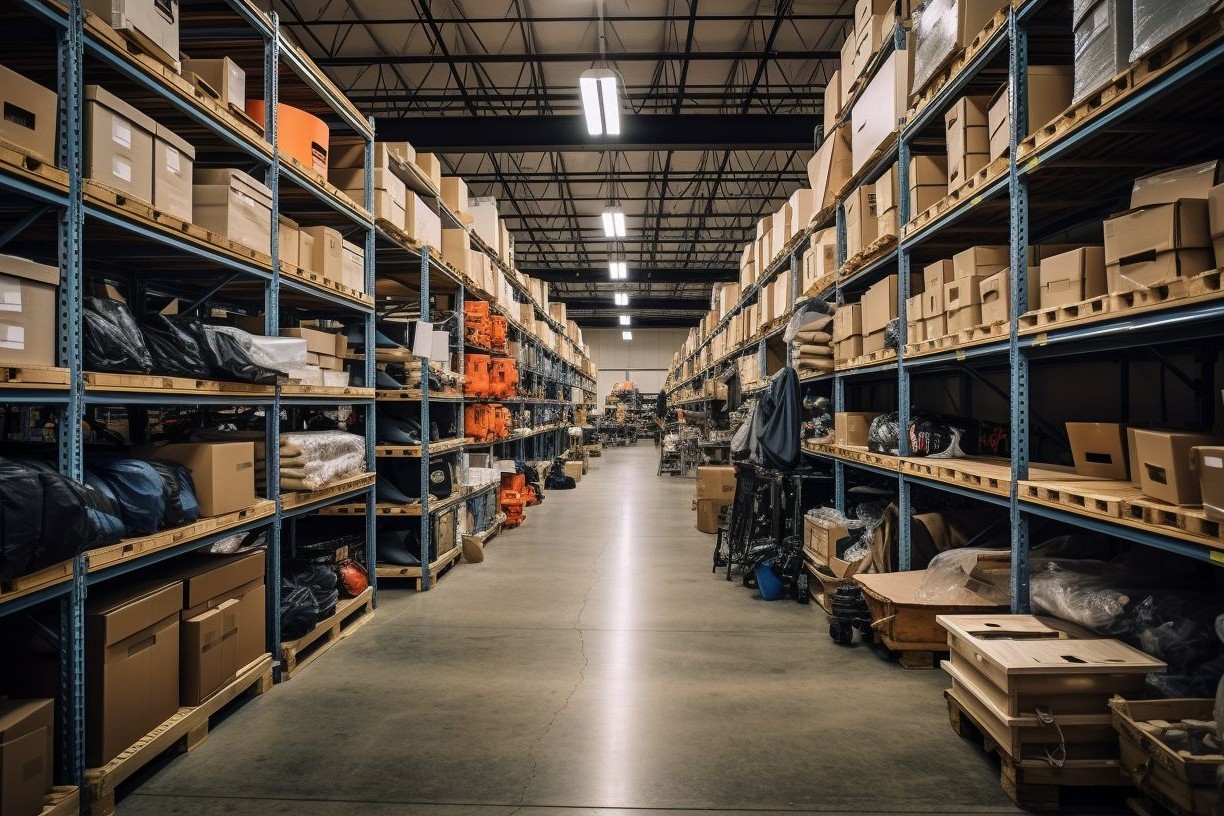
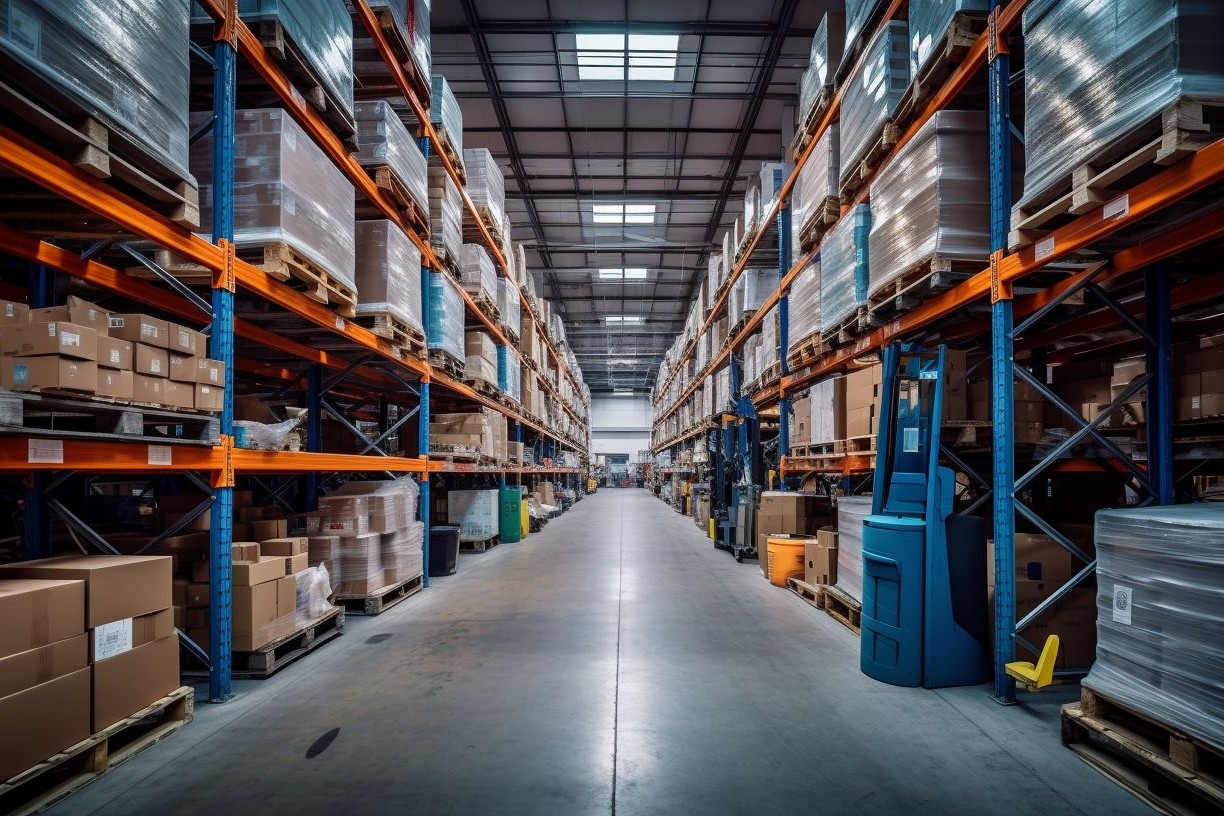
Effective warehouse management plays a crucial role in smoothing the supply chain flow, directly impacting both sales and profitability for wholesalers and distributors. Stellar warehouse operation ensures merchandise is well-organised, easily accessible, and dispatched promptly to meet market demands.
It becomes the backbone of the distribution centre, where precise inventory control meets swift order processing.
Warehouse operations need strategic oversight with systems in place to monitor stock levels constantly, thus avoiding overstocking or under-supply scenarios. Utilising advanced practices like real-time data collection helps directors make informed decisions that keep warehouses efficient.
A mastery of this domain means understanding e-commerce needs alongside traditional channels, ensuring products are where they need to be at just the right time.
Packing Orders
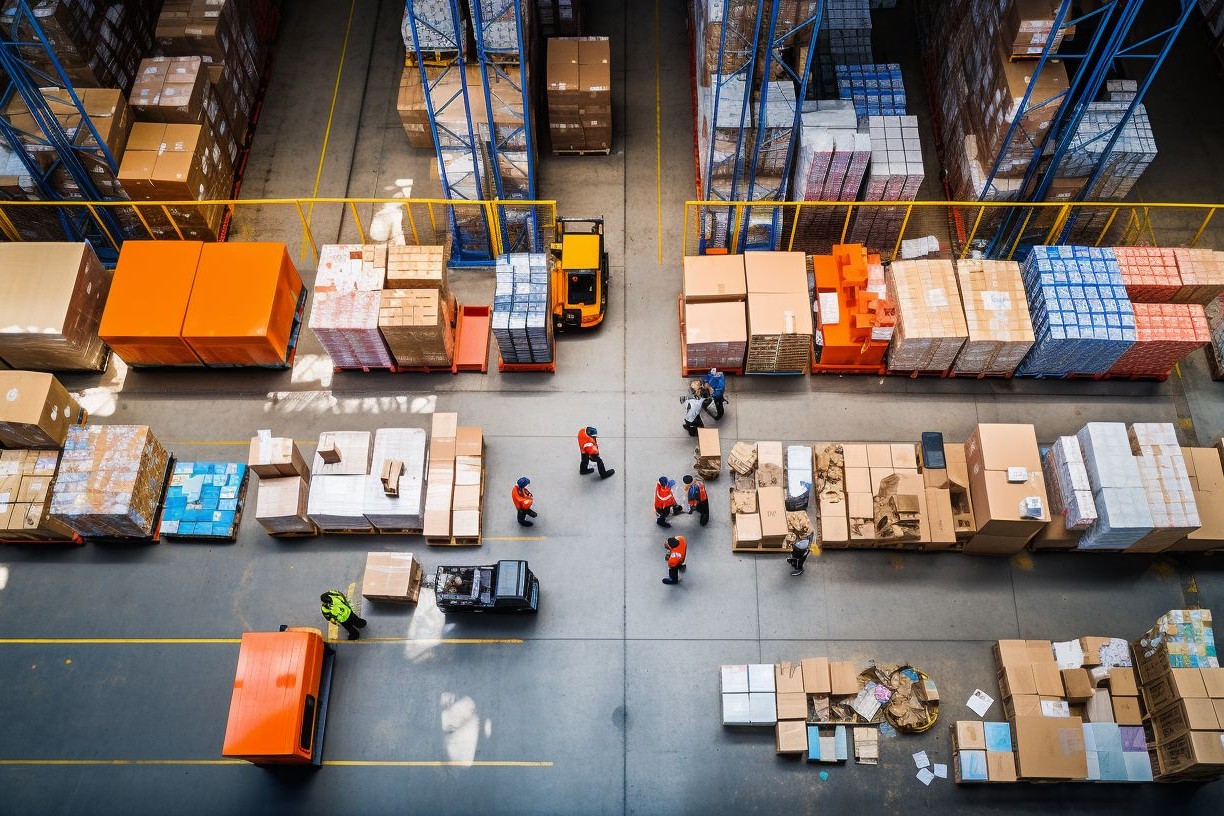
Packing orders stands at the heart of distribution management, bridging the gap between warehouse shelves and customer hands. It’s all about precision, efficiency, and care. Employees select the right items for each order with methodical attention to detail.
They arrange products securely within packaging that protects against knocks and bumps during transit. This step is crucial; it’s where the commitment to delivering high-quality goods becomes tangible.
Each packed box or pallet carries your company’s reputation to doorsteps or loading docks around the world. Smart packing processes ensure retail locations receive what they need without overstocking, liberating valuable storage space for new inventory – a subtle yet significant triumph in logistics coordination.
With every sealed package, we edge closer to fulfilment and customer satisfaction — paving the way for seamless shipping operations that follow.
Shipping
Shipping serves as a critical link to other businesses in the supply chain, ensuring that products leave the warehouse and reach customers without delay. Efficient shipping practices are vital for maintaining customer satisfaction and trust – integral aspects of any successful business operation.
This stage involves coordinating with various carriers, navigating complex logistical challenges, and managing shipping costs effectively.
Directors must prioritise this phase distribution requirements planning process to ensure seamless delivery experiences. Integrating cutting-edge tools like supervisory control and data acquisition systems helps streamline operations from power distribution systems to parcel carriers.
Strong shipping strategies reduce risks associated with market seasonality and unexpected disruptions, guaranteeing safe transport of goods to their final destination on time.
Advantages of a Distribution Management Strategy
Implementing a robust distribution management strategy can significantly bolster operational efficiency and enhance customer satisfaction, forming the backbone of successful supply chain operations that directors keenly seek to achieve.
Faster Order Fulfilment
Efficient distribution management paves the way for faster order fulfilment, a critical advantage in today’s fast-paced market. By integrating advanced software solutions into their operations, online brands can swiftly process orders, manage inventory with precision and dispatch products with remarkable speed.
Location plays a significant role too; strategically placed distribution centres ensure that goods move from shelf to customer in an efficient manner in the shortest possible time.
With technology at its core, distribution management allows businesses to respond rapidly to customer demands while also slashing operational costs. Streamlined processes reduce the lag between purchase and delivery, directly impacting customer satisfaction and retention rates.
This tech-driven approach not only meets but often exceeds consumer expectations by delivering orders promptly – a key element of competitive edge in any industry.
Meeting Customer Expectations Consistently
After ensuring orders are fulfilled swiftly, the next critical step is satisfying your customers with every delivery. Effective distribution management plays a pivotal role in consistently meeting customer expectations by diligently overseeing that products arrive on time and in excellent condition.
This attention to timely and accurate deliveries fosters trust and loyalty, which can uplift sales figures and profit margins significantly for any business operation.
Directors must recognise that stellar distribution strategies go hand in hand with keeping promises made to consumers. Ensuring the supply chain operates without hitches prevents shipping delays or errors that could tarnish a company’s reputation.
A well-run distribution process not only meets but anticipates customer needs, paving the way for long-term success in an ever-competitive market landscape.
Adapting to Market Seasonality
Seasonal peaks and troughs in consumer demand present unique challenges that require a flexible distribution management strategy. With precise adjustments to inventory levels, businesses can ensure they are not caught unprepared by sudden surges or drops in product popularity.
Effective distribution management empowers companies to maintain just the right amount of stock: enough to fulfil customer orders during busy periods without accumulating surplus during slower times.
Optimising product placement and promotional efforts is critical for aligning with consumer preferences that shift with the seasons. Smart distribution management leverages insights into buying patterns, enabling businesses to place products where they will perform best at any given time.
This strategic approach not only helps avoid lost sales but also positions a brand as responsive and attuned to its customer base, enhancing its competitive edge throughout the year.
Profit Margin Increase
Effective distribution management is a linchpin in the quest for improved profit margins. By streamlining inventory control and optimising delivery routes, businesses can reduce overhead costs significantly.
Automated systems within distribution channels lead to heightened efficiency, allowing companies to reap the benefits of cost savings which translate directly into increased profits.
Profit gains are further secured by reaching broader markets and scaling up sales figures through smart distribution practices. This strategy not only captures wider customer bases but also ensures that products are delivered swiftly and reliably, enhancing brand reputation and encouraging repeat business.
Harnessing comprehensive distribution strategies affords corporations valuable insights into market trends and competitor movements, equipping them with the agility needed to stay ahead in a competitive landscape while continuing to expand profit margins.
Challenges and Disruptions in Distribution Management
Distribution management faces a dynamic landscape, where challenges from climate unpredictability to buyer disruptions and market upheavals demand robust adaptability; delve into our comprehensive guide for insights on navigating these complexities with adept strategy.
Unpredictable Weather Conditions
Severe storms, floods, or extreme heat can wreak havoc on even the most well-oiled distribution channels. Unpredictable weather not only hinders transportation but also puts a strain on packaging and storage facilities.
Goods may get delayed or damaged when nature throws a curveball, forcing businesses to adapt quickly.
Managers face the task of rerouting shipments and securing inventory in response to these meteorological challenges. They must ensure continuity in their supply chain distribution management despite external conditions that are beyond their control.
This often involves emergency planning and developing resilient infrastructure to withstand sudden climatic shifts, ensuring prompt delivery to customers no matter what the forecast holds.
Pandemics
Much like unpredictable and severe weather events, pandemics have presented challenges for distribution management, testing the resilience of supply chains across the globe. The recent outbreaks highlight a crucial aspect: adaptability in business operations is not just beneficial but necessary.
Pandemics lead to increased demand for certain products while disrupting production schedules and logistics channels. This demands swift action from directors responsible for maintaining streamlined distribution processes.
To manage these disruptions effectively, businesses often broaden their network of suppliers and manufacturers. Such strategic diversification helps prevent bottlenecks when traditional supply lines break down during global health crises.
Collaboration with multiple entities ensures that wholesalers and distributors can keep up with sales demands and protect profit margins despite shipment delays or concerns exacerbated by pandemics.
Directors play a pivotal role by implementing robust plans that enable quick pivots to alternative strategies in times of crisis, ensuring continuity in distribution management marketing functions even amidst widespread uncertainty.
Shipment Issues or Delays
Shipment issues or delays can throw a wrench into the smooth operations of distribution centres and management of regional facilities. During the pandemic, many businesses saw an increase in such disruptions, stressing the importance of having resilient shipping strategies.
Directors need to consider diversifying their carrier mix, incorporating both regional and major carriers to minimise impact on delivery times. This approach helps mitigate risks associated with relying on a single provider and ensures continuity in customer satisfaction.
Formulating contingency plans is crucial for addressing unexpected delays across supply chains. Adequate preparation entails developing protocols that quickly adapt to changing circumstances – be it due to weather anomalies or global events like pandemics.
Proactive communication with all stakeholders maintains transparency during shipment hiccups, providing customers with real-time updates about their orders’ status and expected arrival times.
Supply Chain Shortages
Supply chain shortages have emerged as a significant challenge for distribution management, directly impacting business operations and profitability. These shortages halt the smooth flow of goods from manufacturers to distributors to retailers, causing delays minimising shortages in order fulfilment and distribution requirements often leading to missed sales opportunities.
Directors must recognise that efficient distribution is pivotal for maintaining company performance and customer satisfaction.
Effective strategies need rapid adaptation during such disruptions to minimise their impact on the supply chain. Inventory forecasting becomes more crucial than ever; precise planning can help buffer against unexpected shortfalls in product availability.
Proactive communication with suppliers and investment in versatile distribution channels can be instrumental in navigating these rough waters without compromising on service quality or operational efficiency.
Factors That Influence Distribution Management
Understanding the factors impacting distribution management is fundamental for directors aiming to optimise this critical area of operations. Strategic adjustments in response to these elements can drive efficiency and improve service levels throughout the supply chain.
- Consumer Demand: Fluctuating customer needs maximise product availability to meet demand, dictate inventory levels and influence how rapidly products need to move through the supply chain.
- Transportation Costs: Fuel prices, maintenance, and transportation modes play a significant role in shaping distribution strategies.
- Regulatory Environment: Compliance with trade regulations, customs duties, and import-export restrictions affects distribution decisions.
- Technological Advancements: The adoption of new technologies such as automation or data analytics tools can revolutionise distribution processes.
- Supplier Relationships: Strong partnerships with suppliers ensure a reliable flow of materials and may offer more favourable terms that benefit inventory management.
- Market Competition: Competitor strategies might force businesses to alter their distribution plans and tactics to maintain or gain market share.
- Geographic Considerations: Distance from manufacturer to consumer impacts delivery times and costs; proximity to key markets is essential for rapid fulfilment.
- Warehousing Efficiency: Effective warehouse design and operation directly affect how quickly goods are processed and dispatched.
- Inventory Management Systems: The robustness of an organisation’s inventory control system determines stock availability accuracy for planning purposes.
- Economic Climate: Inflation rates, economic stability, or downturns impact purchasing power which in turn influences demand forecasting in distribution and central planning too.
- Sustainability Issues: Environmental considerations are increasingly leading companies to adapt greener logistics practices within their supply chains.
Role of Distribution Management in Marketing
Shifting from the various factors impacting distribution management, let’s explore its crucial role in marketing strategies. Distribution management not only ensures products reach customers efficiently but also enhances a brand’s presence and appeal in the market.
- Establishes Market Reach: A well-planned distribution network expands a company’s market reach, enabling it to serve more customers across different geographic locations.
- Enhances Customer Satisfaction: Reliable distribution systems deliver products on time, which is key to maintaining customer satisfaction and loyalty.
- Supports Promotional Strategies: Coordination with distribution channels allows for synchronised product launches and promotions that maximise impact and sales.
- Integrates Brand Experience: Consistent and high-quality delivery experiences reinforce positive brand perceptions among consumers.
- Facilitates Feedback Loop: Effective distribution channels provide valuable customer feedback that can inform marketing strategies and product development.
- Aligns with Sales Objectives: Distribution management adjusts inventory levels to match promotional activities, ensuring sufficient safety stock levels during peak demand periods without overstocking.
- Enables Competitive Advantage: Efficient distribution processes reduce lead times, making a brand more competitive by getting products into the hands of consumers faster than rivals.
Distribution management ties directly into how well companies can implement their marketing plans, affecting everything from availability to customer relationships.
Effective Distribution Management Strategies
As distribution plays a pivotal role in marketing, honing your management strategies becomes essential to excel in both arenas. Implement inventory control systems that are robust and scalable, allowing for real-time tracking of stock levels and swift responses to market demands.
This intersects with employing sophisticated forecasting methods, which can predict demand surges and help maintain optimal inventory levels without excess expenditure or stockouts.
Leverage technology by integrating advanced distribution management systems (DMS) that streamline operations across your supply chain. These systems facilitate efficient route planning for deliveries, enhancing fuel economy and reducing delays.
They also support cross-docking techniques that minimise handling times and storage costs by transferring products directly from incoming to outgoing transportation vehicles. Additionally, fostering strong relationships with various channels such as wholesalers, retailers, distributors, and e-commerce platforms ensures a versatile approach to reaching diverse customer bases effectively.
Balancing each stage of the distribution process from warehouse management through to point of sale enhances overall efficiency while driving customer satisfaction up.
Conclusion
In summary, mastering distribution management catalyses success in today’s market. Companies leverage this system to navigate complex supply chains with ease and efficiency. Implementing robust distribution requirements planning strategies ensures products are where they should be, precisely when needed.
Embracing technology within these systems spells the difference between lagging behind and leading the pack. Harnessing distribution management effectively translates into happier customers and healthier business margins.
FAQs
Distribution management is a vital component in the whole process depends with supply chain managers guiding business operations smoothly and efficiently. It ensures timely delivery of products to consumers, maintaining the flow within the supply chain.
1. What does distribution management mean?
Distribution Management is the process of overseeing various materials in the supply chain from ordering and storing to distributing goods to locations like grocery stores and distribution centres.
2. How does a distribution management system work in supply chains?
In supply chains, a distribution management system controls and coordinates products’ flow from manufacturing all the way to customers, managing everything from load flow studies to ensuring efficient delivery schedules.
3. What is DRP in supply chain terms?
DRP stands for Distribution Requirement Planning; it’s a method used within distribution management systems to calculate what inventory is needed where and when in order to meet customer demand effectively.
And there's more...