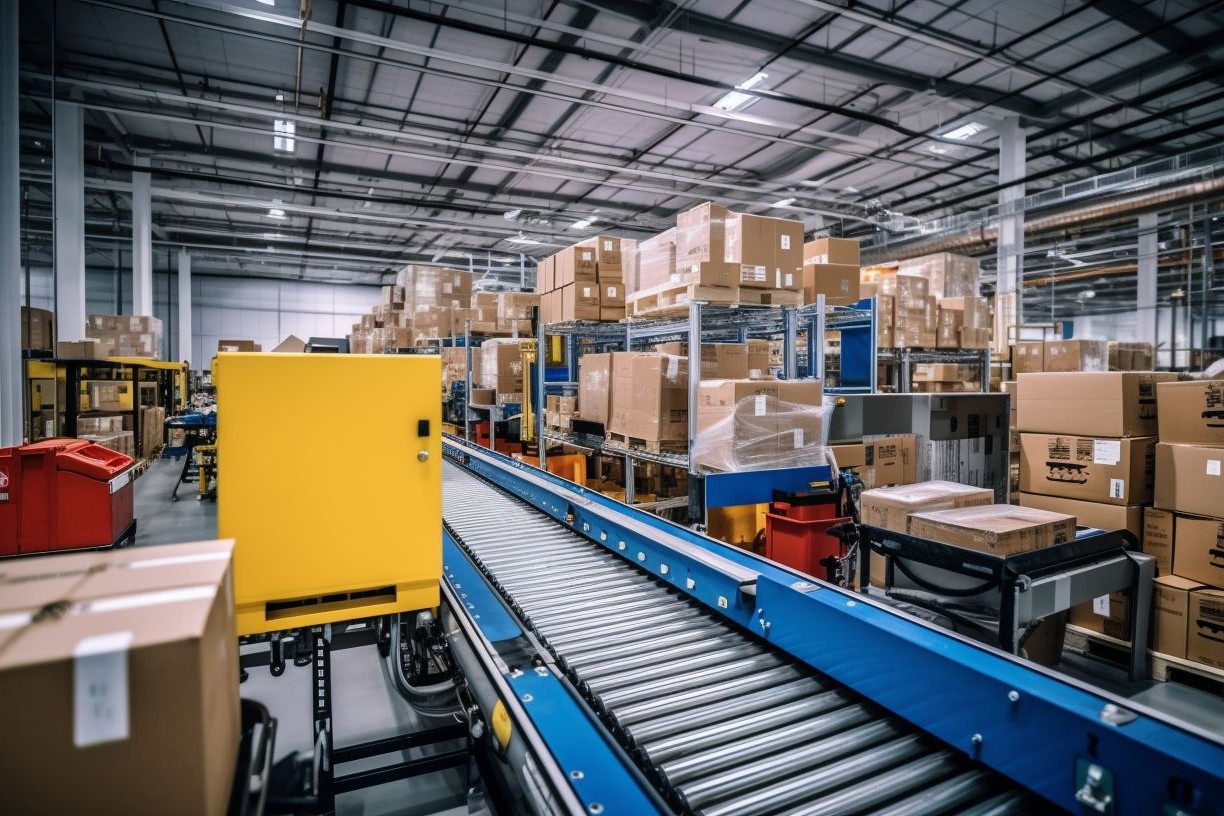
Efficient inventory storage is crucial for any business aiming to streamline business operations, maximise efficiency and reduce costs. A staggering amount of time can be saved with the right organisation and management of stock.
This guide unlocks the secrets to enhancing your inventory storage methods, ensuring you have more control over your investment. Discover key inventory accounting strategies that promise a smoother operation ahead.
Key Takeaways – Inventory Storage
Choose the right storage option for your business needs, whether that’s warehouse storage with efficient racks, outsourcing to third-party logistics, using self-storage for flexibility, or dropshipping to cut down on costs.
Implement an inventory management system that tracks stock in real time and automates essential functions like reordering points to increase efficiency and reduce errors in your operation.
Regularly clear out dead stock to free up space and keep your inventory levels accurate which helps avoid overstocking or running out of popular items.
Conduct frequent inventory counts and leverage advanced tracking systems to ensure stock levels are always precise; this minimises loss due to theft or damage and aids quick decision-making.
Optimise warehouse layouts by organising goods based on sales velocity and accessibility requirements; invest in updated rack storage systems for improved order picking efficiency.
Understanding Inventory Storage

Effective inventory storage is essential in the world of e commerce businesses, acting as the backbone for a streamlined supply chain. It encompasses everything from keeping track of stock levels to track inventory and ensuring that products are readily accessible for order fulfilment.
Careful selection and implementation of the right inventory storage systems can significantly reduce search and retrieval times, leading to more efficient warehouse operations.
To best inventory storage solution to achieve optimal efficiency, businesses must consider various factors such as space utilisation, product inventory turnover, rates, and accessibility requirements. Storage solutions vary widely; each system designed with specific advantages that cater to different types of inventory needs.
A robust strategy integrates technologies like barcode scanners and inventory management software to maintain accurate records while offering quick access to goods when needed – ultimately bolstering not only productivity but also customer satisfaction through prompt service delivery.
Different Options for Inventory Storage
Exploring a variety of other inventory storage solution options is essential for businesses seeking to streamline operations and reduce overheads. From spacious warehouses with advanced sorting systems to flexible third-party logistics providers, the right choice can significantly impact efficiency and bottom-line performance.
Warehouse Storage
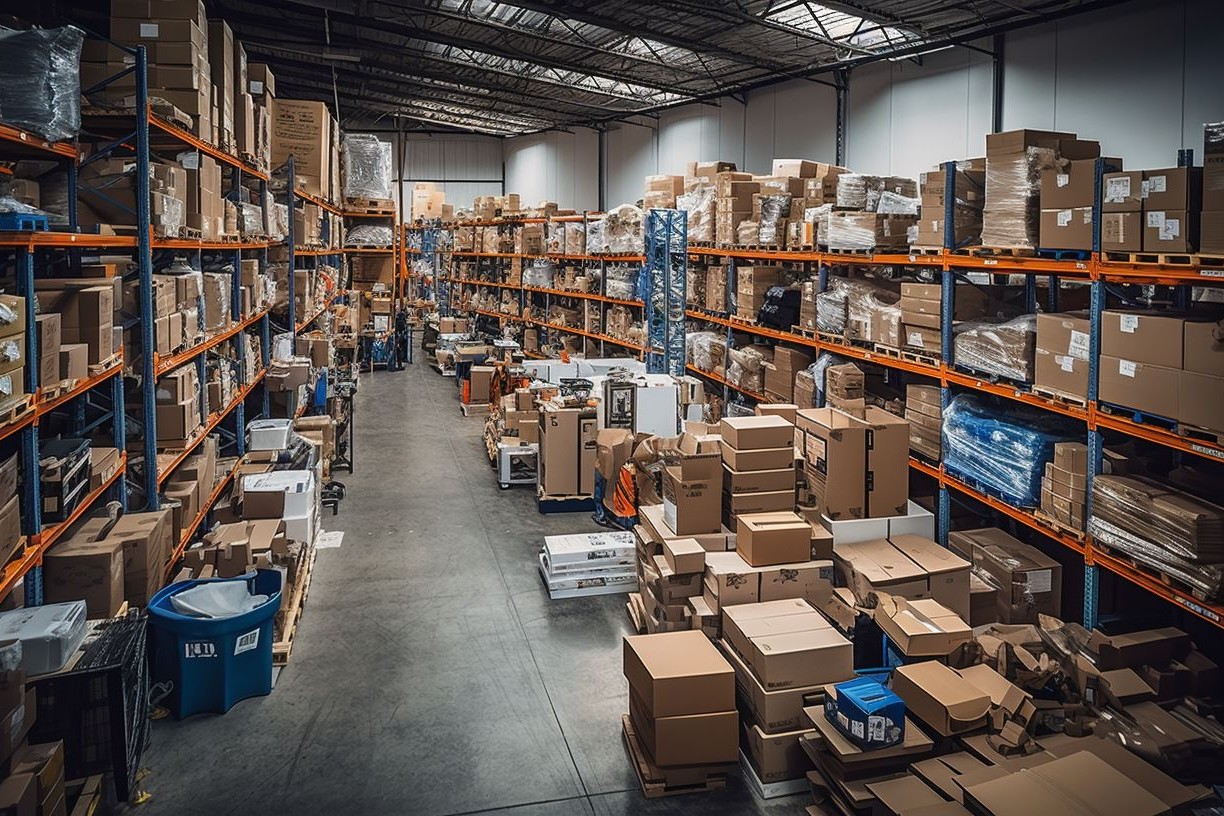
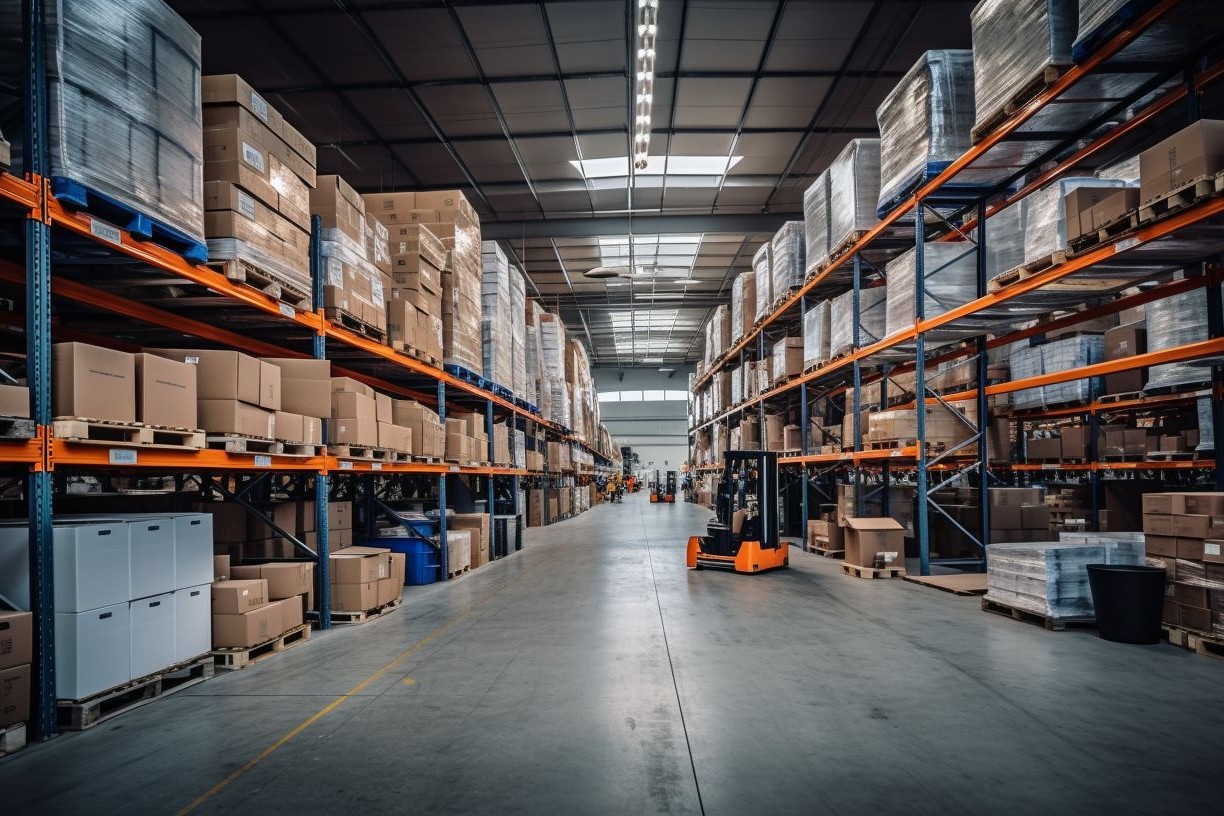
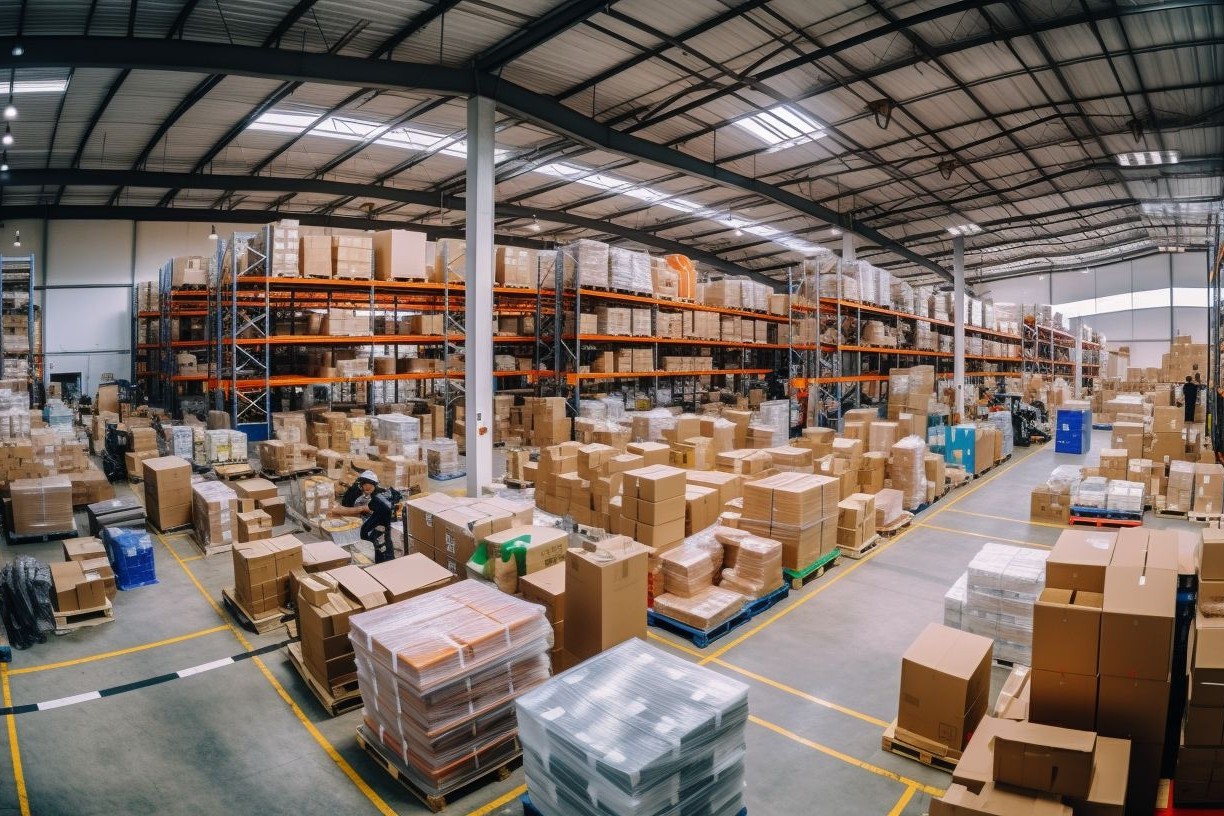
Warehouse or storage facility stands as a crucial component for housing inventory in an organised manner, directly impacting the efficiency of operations. Well-planned warehouse layouts streamline processes by reducing picker travel time, ultimately enhancing productivity and speeding up order fulfilment.
Consideration for balanced floor space allocation is key, ensuring areas designated for delivery/receiving meld seamlessly with zones dedicated to storage and packing.
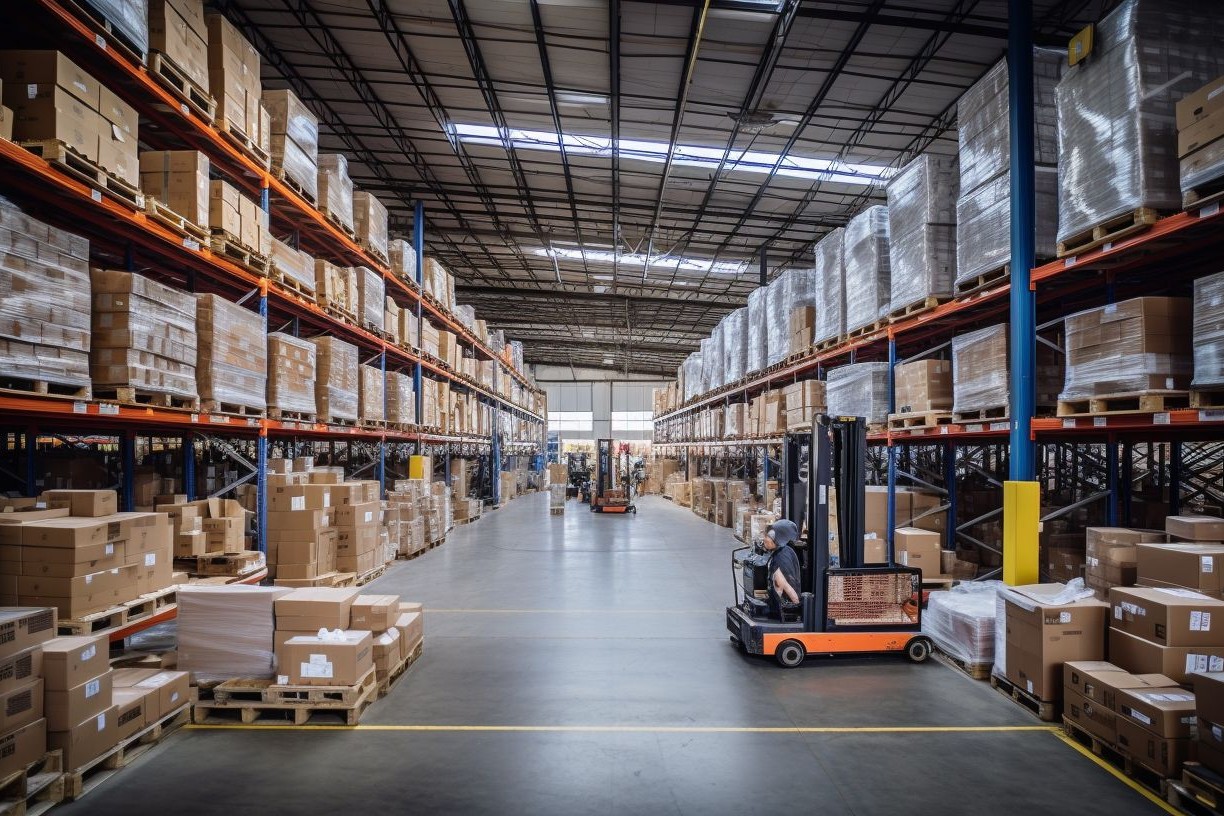
Optimising your warehouse involves implementing systems such as drive-in racks, push-back racks, and flow-through racks that accommodate various stock types while adhering to first-in, first-out (FIFO) principles when necessary.
Such strategic installations not only maximise spatial utilisation but also contribute significantly to maintaining order accuracy – a vital aspect of customer satisfaction and business reputation amongst ecommerce businesses and retail stores alike.
Outsourcing Inventory or Third-party Logistics (3PL) Storage
From the traditional setup of their own warehouse storage, companies are increasingly turning to outsourcing inventory or using third-party logistics (3PL) services. This strategic move allows firms to keep storage costs and leverage expert handling and sophisticated systems that enhance stock management.
A well-chosen 3PL provider manages all logistical aspects from warehousing to distribution, introducing efficiency gains that can be game-changing for online stores and retailers alike.
Employing a 3PL partner offers more than just space-saving advantages; it provides scalable solutions tailored to fluctuating demands. These services often include advanced technology integrations, such as real-time inventory tracking and barcode scanning, ensuring items are always accounted for and orders fulfilled promptly.
Moreover, storing your stock with a third party ensures enhanced security measures while freeing up valuable resources within the company that can be refocused on growth-centric activities like branding and expanding product lines.
Self-Storage
Moving beyond the realm of outsourcing, self-storage emerges as a cost-effective and flexible choice for small businesses and business directors who manage limited inventory. This solution taps into readily available spaces such as spare rooms, garages, or cupboards to keep your businesses store stock secure and accessible.
It provides control over storage location for your goods without incurring hefty fees often associated with larger storage options.
With self-storage, businesses can scale up or down quickly depending on current needs – there’s no need to pay for excess warehouse space during slower periods. This approach is particularly beneficial when trialling new products or dealing with seasonal fluctuations in stock levels.
Utilising home-based resources maximises efficiency by cutting out time spent coordinating with third-party storages and reduces overheads, making inventory management simpler and more direct.
Dropshipping
Dropshipping revolutionises the typical inventory storage model by eliminating the need for warehouses packed with stock. This method involves purchasing products from suppliers only after a sale is made and having them delivered straight to customers, vastly reducing the costs associated with storing inventory and risks of inventory shrinkage.
Directors in retail should take note; dropshipping not only frees up cash flow but also allows for a more dynamic product offering without being tied down by physical stock levels.
It’s an agile storage solution especially beneficial for online businesses that seek flexibility and minimal financial outlay on physical goods storage.
Relying on this system demands careful selection of reliable suppliers and seamless integration with your checkout process to ensure customer satisfaction remains high. Retailers dealing in perishables or high-value items might need specialised arrangements, such as refrigerated shipping or secured transport options, to meet specific business requirements seamlessly.
Next, we consider different types of inventory storage systems that could further streamline operations for businesses not fully serviced by dropshipping alone.
Types of Inventory Storage Systems

Exploring the realm of inventory storage systems unveils a plethora of methods designed to streamline product accessibility and optimise space utilisation. Each system comes with its unique advantages, tailored to specific business needs and operational strategies, essential for any director seeking to enhance warehouse efficiency.
Central Storage
Central and common inventory storage methods stands out as a robust approach for directors looking to streamline inventory systems. With the integration of drive-in racks, push-back racks, or flow-through racks, this method exemplifies organisation and efficiency in stock storage.
It creates an environment where managing inventory becomes simpler, thanks to improved accessibility that also ensures quick retrieval times.
Opting for a central location for storage comes with significant benefits; one that includes maintaining pinpoint accuracy in inventory levels. By incorporating cutting-edge inventory management software, real-time updates on stocks are automated while keeping track of critical metrics.
Such customisation options mean businesses can tailor their system storage solutions specifically for their operational needs and preferences.
Block Stacking
Block stacking harnesses vertical space to maximise the storage of inventory, making it a smart choice for businesses with uniform products. This system eliminates the need for additional shelving or racks, offering a straightforward way to pile goods directly on top of each other to save space.
It’s particularly effective for items that are non-perishable and robust against pressure from the weight above.
This method shines in its simplicity and cost-effectiveness, especially for companies where space comes at a premium. Uniformity in product size allows for neat stacks and easy access to stock.
However, block stacking isn’t ideal for all; items at lower levels can be less reachable and products with expiry dates may require alternative solutions due to accessibility challenges in this storage model.
Shelf Storage
Shelf storage optimises your inventory management by giving you easy access to smaller, high-turnover items. It places these frequently sold goods within reach, streamlining the picking process and reducing unnecessary movement across the warehouse.
This setup not only speeds up shipping costs and up order fulfilment but also allows for better use of vertical space in your storage area.
Using strategically positioned shelving units above packing desks can transform idle air into valuable stock-keeping zones. Such a smart arrangement minimises clutter and maximises efficiency in fulfilling customer orders swiftly.
Remember that selecting the right shelving materials and configurations is vital to accommodate diverse item sizes and weights, ensuring safe and organised inventory storage solutions tailored to your specific needs.
Rack Storage
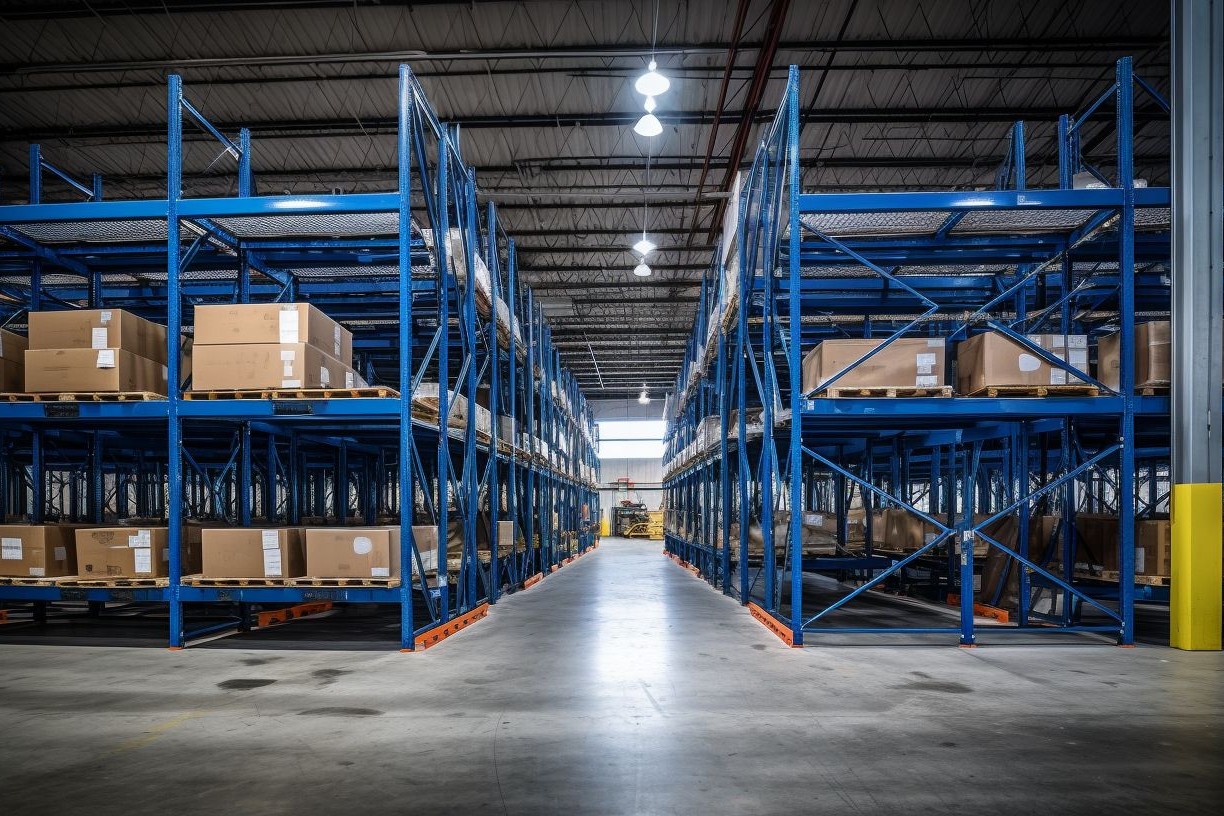
Incorporating rack storage systems such as drive-in, push-back, or flow-through racks optimises inventory accessibility. This approach enables quick retrieval of goods and supplies from inventory storage tips which streamlines the picking process.
With these systems in place, aisles remain clear allowing for efficient movement within the same warehouse layout.
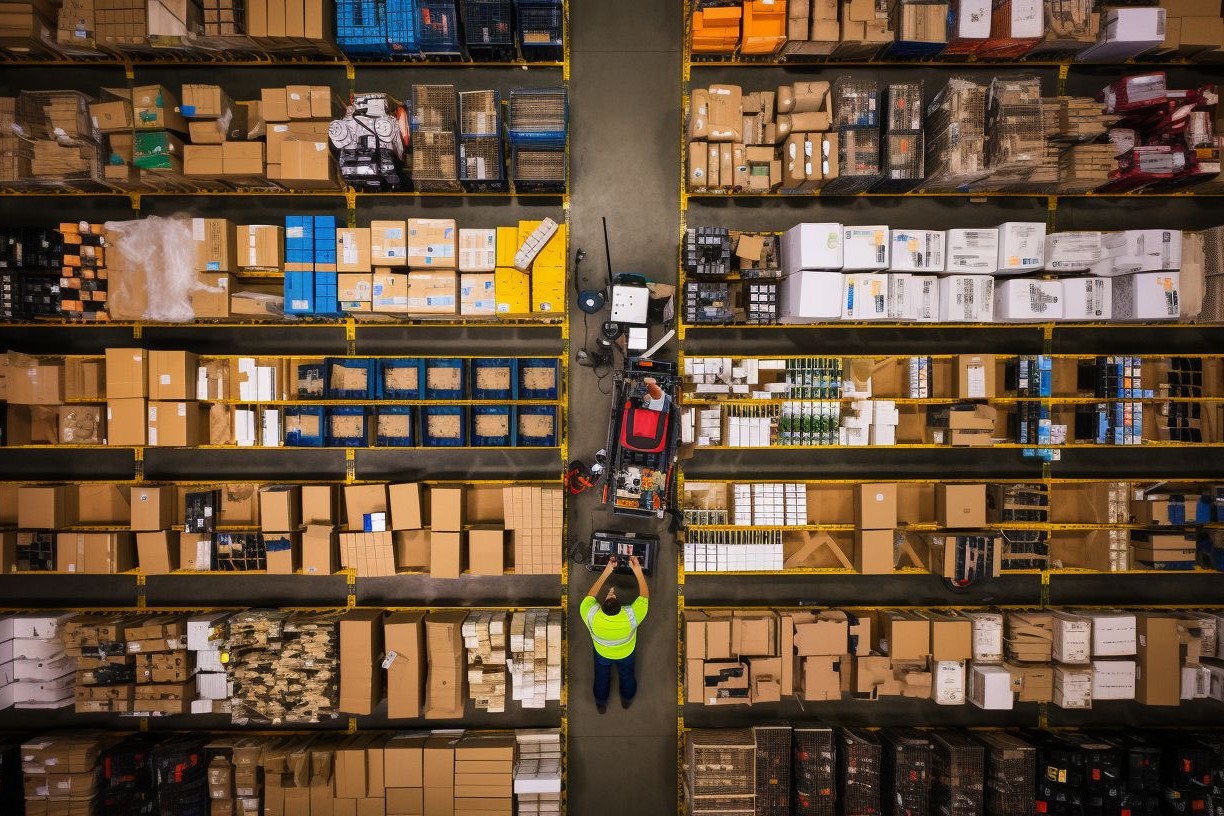
Rack storage significantly curtails unnecessary picker walking time, directly boosting warehouse productivity. It creates a structured environment where every item has a designated spot, reducing errors and speeding up order fulfilment.
For companies looking to enhance their inventory management strategies while maintaining cost-effectiveness, implementing rack storage is a forward-thinking choice.
Point-of-use Storage
Moving from the discussion of rack storage, point-of-use inventory storage options emerges as a strategic approach that situates inventory exactly where it is needed most. This type of inventory storage method streamlines operations by placing items near the point of final assembly or where they are frequently accessed for shipping.
By reducing the distance pickers must travel to retrieve items, businesses experience a boost in efficiency and productivity.
Point-of-use storage also capitalises on space utilisation, often incorporating versatile solutions like bins and mobile carts that can easily be moved closer to workstations. It enables faster response times to customer orders and can significantly cut down on fulfilment errors.
Given that proper inventory management hinges on both precision and speed, adopting point-of-use strategies is key in optimising warehouse workflows and improving service levels.
Maximising Efficiency in Inventory Storage

Maximising efficiency in inventory storage is a pivotal aspect of streamlining operations and cutting costs. Implementing strategic measures can substantially enhance space utilisation and the accuracy of stock levels, ultimately driving business performance to new heights.
Utilise Inventory Management and Tracking
Embrace the power of inventory management systems to streamline your stock control. These sophisticated tools automate stock updates and track crucial metrics, making it easier for you to manage inventory processes efficiently.
They enable setting precise reorder points, which ensures your business maintains optimal stock levels and avoids costly stockouts or excess inventory.
Implementing a reliable tracking system is equally essential. It provides real-time data on the movement of goods, from inbound shipments to final sales. This level of visibility helps in quickly identifying any discrepancies or issues, allowing for prompt action to be taken.
With automated cycle counts and accurate safety stock calculations, such systems help maintain seamless operations and can significantly reduce human error in manual checks.
Conduct Regular Inventory Checks
Ensure your inventory system is always up-to-date by conducting regular inventory checks. This vital process enables you to maintain accurate stock levels, ensuring that popular items are always available and reorder points are efficiently set for different SKUs.
Utilising management software can take the strain off manual updates, automating stock level adjustments whenever sales are made or new stock arrives.
Inventory audits play a crucial role in this strategy, allowing you to identify discrepancies early and rectify them before they escalate into larger issues. Staying on top of these audits keeps your storage solutions lean and mean, directly impacting cost control and the ability to meet customer demands swiftly.
With real-time access to inventory metrics facilitated by modern technology, you’re equipped to make informed decisions about stocking strategies and fulfilment centre operations.
Set Reorder Points for SKUs
Moving beyond routine inventory checks, defining reorder points for each Stock Keeping Unit (SKU) is crucial to maintaining the right balance of stock. With dynamic market demands, setting precise thresholds where stocks must be replenished ensures you never miss a sales opportunity due to stockouts or tie up too much capital in unsold goods.
Use inventory management software intelligently to gauge when it’s time to restock items based on sales volume, velocity and lead times.
Advance your demand planning by employing 3PL software that integrates seamlessly with your systems, allowing for real-time updates and automated alerts. This approach not only streamlines the process but also reduces the likelihood of human error, enabling more accurate forecasting and efficient inventory control.
It’s not just about tracking inventory metrics; it’s about using those insights to drive actionable decisions that align with business objectives and customer expectations.
Upgrade Your Inventory Storage System
Investing in advanced storage systems like drive-in, push-back, or flow-through racks can transform your inventory management. These options enhance accessibility bulk inventory discounts and streamline the process of picking items for orders.
Embrace technology by integrating inventory management software that automatically updates stock levels and sets reordering points for SKUs. This shift not only saves time but also minimises errors, ensuring a smoother operation within your business.
Considerations such as cost-effectiveness, risk reduction, and organisation should guide your choice in upgrading the system. Warehouse optimisation creates an environment where every item is easily traceable with barcodes; this leads to improved efficiency when managing goods sold under multiple brands with varying price points.
Make informed decisions based on real-time data analytics provided by a robust warehouse management system to keep ahead of demand fluctuations while maintaining adequate safety stock through economic order quantity principles.
Tips for Improving Inventory Storage
Discover innovative strategies to refine your inventory storage, ensuring a streamlined process that boosts both efficiency and profitability – continue reading for insights into transforming your stock management.
Clear Out Dead Stock
Remove dead stock to keep your inventory storage optimised and efficient. Items lying unsold or unused in store inventory for over a year not only consume valuable space but also skew the accuracy of lost sales in your inventory records.
Clearing these items can prevent the risk of over-ordering or under-stocking products, ensuring you maintain a lean and accurate inventory.
Focus next on identifying and keeping track of bestsellers. This will enable you to understand customer preferences and reorder point better, gearing your reorder points effectively towards products that move quickly off the shelves.
Track Bestsellers
Once you’ve cleared your inventory of non-moving items, shift your focus to monitoring your top-performing products. Keeping a close eye on bestsellers is crucial for maintaining an efficient inventory storage system.
Inventory management software comes into play here, allowing you to automate stock updates and gain valuable insights into which items are flying off the shelves. This data not only helps in making informed restocking decisions but also ensures that popular items are always available to meet customer demand.
Understanding the dynamics of bestseller performance through regular tracking can drive warehouse optimisations. Analyse sales patterns and adjust storage strategies accordingly; perhaps certain bestsellers could benefit from more accessible placement or additional safety stock to prevent shortages.
By prioritising these high-demand goods, you streamline operations, lower operational costs and enhance overall warehouse productivity, ultimately contributing positively to the bottom line.
Count Inventory Frequently
Tracking bestsellers provides valuable insights, but without frequent inventory counts, the data may not reflect current stock levels. Establishing a routine for counting inventory enables accurate tracking of products and helps to minimise the risks associated with theft or damage.
Rigorous checks on daily, weekly, or monthly intervals ensure discrepancies are spotted promptly and resolved before they escalate.
Keep count of your storage goods through organised inventory audits that pinpoint exactly where attention is needed – whether that’s restocking popular items or addressing surplus stock.
Through real-time updates implemented by advanced inventory management systems, you maintain constant awareness of your storage situation. This proactive approach to managing stored inventory significantly reduces errors and enhances operational control for business directors striving for efficiency in their warehouse storage solutions.
Leverage Inventory Management Systems
After establishing a routine for frequent stock takes, taking advantage of robust inventory management systems can dramatically boost your efficiency. These systems streamline the process of tracking stock levels and provide real-time data that is vital for making informed decisions.
Use them to set automatic reorder points for SKUs, ensuring you never run out of bestsellers or get overstocked with slow-moving items.
Implementing an effective inventory management system not only saves time but also cuts down on errors. It automates tasks like updating product information across multiple sales channels instantly.
This interconnectivity reduces walking time for pickers by organising storage based on sales patterns and fast-moving SKUs – efficiency measures every director should prioritise.
With the right management tools now in place, directors can focus more on strategic decision-making rather than mundane operational details.
Conclusion
Elevating your inventory storage game transforms how you do business. Embrace these strategies to streamline your operations and safeguard your bottom line. Remember, efficient storage isn’t just about space; inventory storage is important because it’s smart management that puts your products right where they need to be.
Keep refining practices and investing in robust systems to stay ahead of the curve. Let precision drive your inventory success, pushing boundaries for a sleeker, more responsive venture.
FAQs
1. What are some smart inventory storage ideas for my online business?
Explore using shelf storage, pallet storage, and rack systems to organise your stock efficiently. They make finding products quick and keep your items safe.
2. How can I manage storing inventory at home effectively?
You can turn a spare room or garage into an organised storage space with shelves and inventory organisers, ensuring you use safety stock principles such as first-in, first-out (FIFO).
3. Can I improve the way I store my retail inventory without a large warehouse?
Certainly! Utilise point of use inventory management techniques in any space by keeping only essential stock on hand with just-in-time (JIT) practices to reduce holding costs.
4. What is meant by ‘to store meaning’ in regard to keeping my online store’s goods?
To “store” means to keep your goods securely in a place where they are protected yet accessible when needed efficiently store them for sale, contributing efficiently to the cost of goods sold calculation.
5. Are there specific types of pallets recommended for different kinds of merchandise?
Yes indeed! Selecting the right type of pallets based on size and material ensures proper support during storage and transport while helping maintain orderly inventory systems.
And there's more...