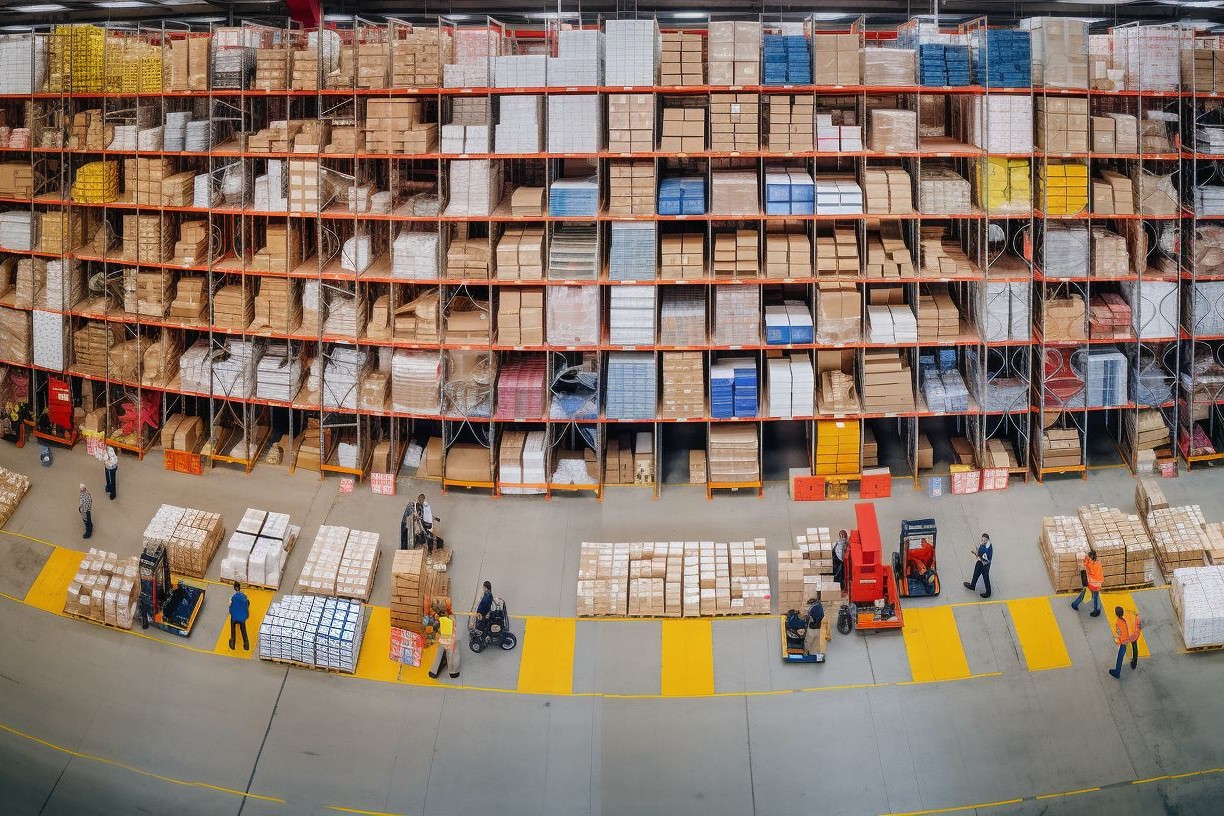
Managing inventory and production efficiently is a challenge many businesses face. Material Requirements Planning, or MRP, is an essential system that predicts the materials needed for manufacturing.
This article delves into MRP’s inner workings to help you streamline operations and reduce waste. Discover how to turn production headaches into efficient processes with our guide.
Key Takeaways: Material Requirements Planning
Material Requirements Planning (MRP) is vital for managing inventory and production in manufacturing, ensuring materials are available at the right time and quantity.
MRP systems originated in the 1960s with Joseph Orlicky and have evolved, integrating with Manufacturing Resource Planning (MRP II) to include financial management and other resources.
Implementing an MRP system can lead to improved productivity by optimising resource utilisation, streamlining inventory management, and enhancing production scheduling.
While powerful, MRP systems face challenges like data accuracy and require strategies such as adopting Demand Driven MRP (DDMRP) to overcome limitations.
Selecting the appropriate MRP software is crucial for businesses; it should align with specific operational needs while offering real-time insights into material planning.
Unveiling Material Requirements Planning (MRP)
Discover the essence of Material Requirements Planning (MRP), a pivotal system that streamlines inventory control and production planning to elevate manufacturing efficiency. Delve into its purpose, tracing the transformative journey from its inception to becoming the backbone of modern supply chain management.
Definition and Purpose of Material Requirements Planning (MRP)
Material Requirements Planning, or MRP, is a strategic approach used in many manufacturing companies to ensure that all materials needed for production are available at the right time and in the correct quantities.
It tracks inventory levels, schedules orders, and forecasts future material needs by using data from various sources like master production schedules and bills of materials. The primary purpose of an MRP system is to tie together all aspects of the production process – from planning to purchasing and managing inventory – so that every step flows smoothly without delays or excess stock.
The purpose of an MRP extends beyond mere organisation; it’s about optimising the use of resources to maximise productivity while minimising waste. For example, through effective MRP strategies, factory employees become more efficient as product quality improves alongside reduced material costs.
This meticulous coordination provided by Material Requirements Planning enables manufacturers to respond swiftly to market demands while avoiding costly overproduction or understock scenarios.
Consequently, businesses witness improved labour productivity and can offer competitive prices due to lower inventory costs brought about by precise inventory requirements and planning.
The Evolution of MRP: A Historical Perspective
Understanding the definition and purpose of MRP sets the stage for appreciating its dynamic history. The concept of material requirements planning emerged in the 1960s, a brainchild of Joseph Orlicky.
He pioneered this revolutionary approach while at IBM, creating a methodology for managing manufacturing processes with unprecedented precision. In 1975, Orlicky’s influential book on Materials Requirements Planning became a cornerstone for businesses seeking to optimise their inventory and production scheduling.
This system underwent significant advancement in 1983 with the introduction of Manufacturing Resource Planning (MRP II). It expanded beyond mere inventory planning and control to encompass employee schedules and financial management, presenting a more integrated solution for resource allocation within manufacturing enterprises.
Closed-loop MRP further refined the process by incorporating feedback mechanisms – transforming it into an even more responsive tool capable of adjusting according to real-time data – a testament to how continuous innovation has propelled MRP from its initial inception to today’s sophisticated systems.
How Material Requirements Planning Powers the Manufacturing Sector

Material Requirements Planning acts as the manufacturing industry’s backbone, orchestrating the complex symphony of production activities to meet market demand efficiently. It transforms raw data into actionable insights, ensuring that resources are allocated precisely where and when they’re needed most.
The Role of MRP in Manufacturing
Material Requirements Planning (MRP) serves as the backbone of manufacturing operations, orchestrating the movement and management of materials within the production cycle. It minimises inventory levels and ensures that all required resources, from raw components to machine parts, are available at the right time and in the correct quantities to meet production schedules.
By employing MRP systems, manufacturers can anticipate needs, streamline inventory levels, and reduce waste – all leading to enhanced efficiency.
Fostering an environment of continuous flow in supply chain activities is a pivotal function of MRP. This approach minimises costly disruptions by aligning purchase orders with production plans and customer demand patterns.
As such, businesses benefit from being able to quickly adapt to market changes while keeping labour costs in check. With its capacity for improving profitability through operational excellence, MRP stands out as a crucial tool for any director seeking optimal performance in their manufacturing processes.
Bridging the Gap Between Manufacturing and Distribution
Proper coordination between manufacturing and distribution is crucial to keep the supply chain running smoothly. This requires a robust Material Requirements and Planning process (MRP) that seamlessly integrates with Distribution Requirements Planning (DRP).
When executed effectively, this integration ensures that manufactured goods are distributed at the right time, in the correct quantities, minimising storage costs and reducing lead times.
An MRP system meticulously plans production schedules while keeping an eye on inventory levels, ensuring the manufacturing process aligns perfectly with distribution needs.
In essence, MRP acts as the linchpin that holds together production timelines and shipping schedules. It enables manufacturers to respond swiftly to market demands by providing real-time data about material availability for upcoming orders.
Simultaneously, it informs distribution centres of impending deliveries so they can prepare for efficient dispatching. This dual approach helps maintain a balance between overstocking and stockouts – two critical challenges in materials management – and positions businesses better to both meet customer demand and expectations without excess cost or waste.
MRP vs. ERP: Understanding the Differences

Grasping the nuances between Material Requirements Planning (MRP) and Enterprise Resource Planning (ERP) systems is critical for directors seeking to harness optimal operational efficiency.
These platforms, while complementary in certain aspects, serve distinct strategic functions within an organisation’s technological ecosystem, demanding a thoughtful analysis of their unique features prior to implementation.
Distinctions Between MRP and ERP Systems
MRP systems stand as the backbone of inventory control sales order management and production planning within the manufacturing realm. They focus keenly on inventory efficiency, ensuring materials are available for production, managing manufacturing processes, and maintaining minimum stock levels.
By integrating information from the bill of materials (BOM) with data on current inventory levels and a master production schedule, MRP answers questions around what is needed, how much is needed, and when it should be ordered.
ERP systems take this a step further by weaving all facets of business management into a cohesive whole. Unlike MRP, ERP touches upon additional domains such as human resources, customer relations, and financial tracking to provide a more holistic view of a company’s operations.
This integrated approach enables businesses to streamline their workflows across various departments effectively. For instance, an ERP system can enhance decision-making in real-time by offering insights drawn from comprehensive data metrics cutting across different organisational silos – from material requirements through to resource planning and beyond.
When to Choose MRP Over ERP
Choose MRP if your business operations hinge on effective inventory management and you’re looking to optimise the production scheduling. Given that MRP excels at answering crucial questions about item requirements, quantities needed, and timing, it’s ideal for companies aiming to streamline these aspects of their supply chain.
If high inventory levels are coupled with subpar delivery performance within an organisation, implementing an MRP can turn the tide by accurately managing resources while reducing costs.
MRP systems stand out for businesses where manufacturing is central to their operations; they provide detailed information on materials required for production processes. They ensure materials are available just in time, avoiding excess stock or shortages that could halt production lines.
Selecting an MRP system becomes imperative when precise material requirement planning can lead to significant improvements in meeting customer demands more efficiently than a broader ERP system might allow.
The Mechanisms of Material Requirements Planning (MRP)

Delving into the inner workings of Material Requirements Planning, we discover a sophisticated process that masterfully coordinates production schedules, inventory control, and order prioritisation.
An understanding of MRP mechanisms offers businesses the blueprint for operational excellence in managing their manufacturing processes.
The Process of MRP in Action
The process of Material Requirements Planning (MRP) unfolds with precision and effectiveness in manufacturing environments. It starts with manufacturing planning, by consulting the bill of materials (BOM) to understand what items are needed for production of finished product.
Next, inventory levels are checked to ascertain inventory status file available materials; this ensures that purchasing only orders what is necessary. The master production schedule (MPS), which forecasts demand and schedules work, allows MRP systems to deliver a meticulous plan for scheduling production based on material procurement.
MRP software crunches numbers tirelessly, calculating exactly when and how much of each material should be ordered or produced. Factory workers gain invaluable support from these predictions, focusing their efforts where they’re most needed without wasting resources on overproduction.
This intelligent orchestration of data keeps productivity high while pushing costs down, allowing businesses to maintain an edge in competitive markets.
Data Integrity and Its Importance in MRP
Data integrity forms the backbone of a successful Material Requirements Planning system. Accurate and timely data are foundational to MRP, as it draws crucial information from the bill of materials, inventory levels, and master production schedule.
Even slight discrepancies in these inputs can skew outputs significantly, leading to costly errors in ordering or scheduling production. Ensuring that each piece of data maintains its accuracy through rigorous validation processes is vital for streamlining operations and achieving profitability in manufacturing.
MRP systems hinge on precise data for providing early warnings about potential issues, allowing companies to pivot before problems escalate. High-quality data ensures that production lead time and times are reduced effectively by establishing correct priorities, thereby controlling raw material and work-in-progress inventories efficiently.
For directors who aim to leverage MRP for improved operational outcomes, investing in robust mechanisms that uphold data integrity is not just recommended but essential.
Advantages of Implementing Material Requirements Planning (MRP)
Implementing MRP can transform the operational efficiency of a business, honing in on inventory accuracy and production precision. It’s not merely an upgrade; it’s a strategic tool that proactively orchestrates the flow of materials to meet demand with minimal waste.
Streamlined Inventory Management
Streamlined inventory management emerges as a top benefit of MRP systems, directly impacting the bottom line by reducing inventory costs higher quality customer service. The precision that MRP brings allows companies to maintain optimal stock levels, eliminating excess and preventing shortages without guesswork.
Through careful monitoring and regulation of material flow, businesses achieve significant cost savings while bolstering production efficiency.
Effective use of an MRP system ensures materials required for production are precisely scheduled for delivery to align with manufacturing needs. This synchronisation means that factory workers have what they need to be productive right at their fingertips, enhancing product quality and driving down labour costs.
With materials arriving just in time for use, the method does wonders for minimising waste and streamlining warehouse operations.
Enhanced Production Scheduling
Enhanced production scheduling, powered by Material Requirements Planning (MRP), transforms how materials and resources are managed in manufacturing. By leveraging data from the master production and schedule production itself, inventory records, and the bill of materials, MRP streamlines operations.
Factories can anticipate the need for each component with precision. This foresight enables manufacturers to keep production lines humming smoothly without interruptions caused by material shortages or overstocking.
Employing such meticulous planning tactics reduces customer lead times dramatically while also minimising excessive inventory costs – two benefits that directly improve a business’s bottom line.
With improved efficiencies across the board, companies witness enhanced labour productivity and a boost in overall manufacturing effectiveness. Moving forward, optimised resource utilisation further maximises these gains.
Optimised Resource Utilisation
Maximising the efficiency of resource use is a cornerstone benefit of material requirements planning (MRP). By accurately forecasting demand, MRP systems ensure materials are purchased and production is scheduled only as needed.
This judicious approach reduces waste and keeps inventory costs in check. Directors seeking to streamline operations will find that implementing an MRP system helps workers focus on productive tasks rather than managing overstock or shortages.
Efficient resource utilisation goes hand-in-hand with improved delivery performance – a key advantage for any competitive business. With an MRP system, factories optimise both their workforce and machinery usage by avoiding bottlenecks and ensuring smooth workflows.
As a result, companies not only save on operational expenses but also enhance and improve customer satisfaction through timely order fulfilment.
Challenges and Solutions in Material Requirements Planning (MRP)
While Material Requirements Planning (MRP) systems are pivotal in streamlining production and inventory management, they can encounter complex challenges that hinder efficiency. This section delves into the prevalent obstacles faced by MRP users and articulates strategic solutions to fortify the materials requirement planning and process against such pitfalls.
Common Problems with MRP Systems
Material requirements planning systems often grapple with maintaining accurate data, as the effectiveness of an MRP hinges heavily on the quality and timeliness of information it receives. MRP nervousness can cause massive disruptions in production schedules.
Incorrect or outdated data regarding inventory levels, production schedules, or bill of materials can lead to significant disruptions in operations. Directors should note that constant vigilance is required to avoid these pitfalls by implementing rigorous data verification protocols and real-time update mechanisms.
Another frequent issue arises when MRP systems fail to account for the finite capacity of manufacturing resources, which can result in unrealistic production plans dependent demand that outstrip a facility’s ability to deliver.
The integration between MRPs and other enterprise platforms may also be lacking, leading to silos within the business processes that frustrate efforts toward cohesive operations management.
Addressing these challenges calls for adopting a holistic approach where Material Requirements Planning becomes part of an interconnected suite rather than a standalone tool – ensuring synergy across various organisational functions.
Strategies to Overcome MRP Limitations
Embrace cutting-edge technology to keep your MRP robust and responsive. Implement tools like bar code scanning and scrap reporting; these not only heighten data accuracy but also streamline the inventory management process.
Accurate information lays the foundation for precise planning and control system, allowing your MRP to deliver reliable outcomes.
Incorporating Demand Driven MRP (DDMRP) can transform traditional practices into dynamic systems that handle complex supply chains with finesse. Place strategic inventory buffers, employ adaptive planning techniques, and foster a collaborative execution environment.
This approach mitigates common issues such as system nervousness and the bullwhip effect by focusing on real-time, data processing and multi-echelon stock adjustments.
Demand-Driven MRP: A New Approach
Demand-Driven MRP (DDMRP) represents a transformative shift in managing supply chains, responding in real time to customer demand rather than relying solely on forecasts. This innovative approach harmonises inventory levels with actual consumption, optimising the supplier management entire production process and delivering a competitive edge in today’s dynamic market.
Concept of Demand Driven MRP (DDMRP)
Demand Driven MRP (DDMRP) is a cutting-edge approach that breaks away from traditional forecasting methods, honing in on actual customer orders to shape material requirements planning. It redefines materials planning by using real-time demand to trigger replenishments more effectively.
By aligning purchase and production activities closely with current customer demands, it eliminates guesswork and reduces unnecessary stock levels.
The methodology of DDMRP combines elements from core inventory management strategies like the theory of constraints and lean principles. Its emergence in 2011 marked a shift towards more dynamic multi-echelon formal planning and execution models, optimising supply chain operations across various industries.
Next up, let’s delve into the tangible benefits this system brings to businesses striving for excellence in their manufacturing processes.
Benefits of Adopting DDMRP
Embracing DDMRP transforms material requirements planning by focusing on customer demand to streamline production. It moves away from traditional forecasts, significantly reducing inventory costs while ensuring that resources are where they need to be, just in time.
This shift towards strategic inventory positioning means less capital is tied up in stock and more is available for investment elsewhere.
Adopting a demand-driven approach not only sharpens response times but also improves overall agility within the supply chain. The methodology draws on concepts from the theory of constraints, Six Sigma, and lean practices to refine processes across all areas of production.
With buffer profiles built into DDMRP systems, businesses gain resilience against market fluctuations and secure a competitive edge by delivering what customers want more efficiently.
Material Requirements Planning (MRP) Software Solutions
Navigating the complexities of material requirements planning necessitates robust MRP software solutions, tailored to streamline procurement and inventory forecasting. Insightful analysis through these specialised systems empowers businesses with precision and agility in their operational strategies.
Key Features of MRP Software
MRP software stands as the linchpin for streamlining production processes, ensuring that materials are ready and available without excess cost. Its core functionality revolves around meticulous an inventory management system, guided by real-time data from bills of materials and master production schedules.
This intelligent control system that anticipates material needs, schedules purchases, and oversees manufacturing activities to keep everything running like clockwork.
Responding swiftly to market demands, MRP systems provide critical insights into resource planning. They deftly balance supply with demand, incorporate sophisticated algorithms for forecasting and utilise a meticulous approach to order processing.
The result is an optimised workflow that minimises waste and maximises productivity – each component arriving just as it’s needed on the production line.
Selecting the Right MRP Software for Your Business
Choosing the perfect MRP software demands a strategic approach tailored to your company’s unique needs. Take stock of inventory challenges and delivery performance issues to gauge how such a system can revolutionise operations.
Look for scalable solutions that grow with your business, ensuring they integrate seamlessly into existing workflows. Crucial to success is the ability of the software to maintain accuracy in data, as an effective MRP system relies heavily on precise information.
Consider features that align with your objectives, be it enhanced scheduling or improved resource utilisation. The fidelity of this decision shapes not only day-to-day management but also long-term strategic direction.
Next up: exploring how MRP transcends traditional manufacturing boundaries and finds its place in diverse business domains.
Beyond Manufacturing: MRP in Various Business Domains
Material Requirements Planning (MRP) transcends the confines of manufacturing, proving its versatility across an array of business sectors with bespoke resource management challenges.
From service providers to non-manufacturing entities, MRP systems are being adapted to streamline operations and drive efficiency in environments once considered beyond their reach.
MRP in Services and Non-Manufacturing Environments
Material Requirements Planning isn’t just for those who deal with physical products and manufacturing processes. Service industries benefit significantly from MRP systems as they streamline operations by effectively managing resources, such as time and labour.
In non-manufacturing settings, MRP enables businesses to track a variety of elements including customer orders, material shortages, due dates, and service forecasts. This precise tracking ensures companies can optimise their inventory levels and minimise production delays, leading to improved customer satisfaction.
Establishments in the hospitality sector or healthcare services utilise MRP to forecast demand for supplies and manage resources efficiently. For these environments, an MRP system plays a crucial role in scheduling workforces, replenishing stock of necessary consumables or medications timely and assessing equipment availability against planned activities.
By implementing Material Requirements Planning strategies tailored to services-based contexts, businesses across different sectors mitigate risks associated with resource scarcity while enhancing overall productivity — ensuring high-quality service delivery aligned with client expectations.
Case Studies: MRP Success Stories Outside Manufacturing
Healthcare providers have revolutionised patient care by leveraging MRP systems. These sophisticated tools streamline supply management, ensuring life-saving medications and equipment are always on hand.
By forecasting needs based on historical data, hospitals avoid costly overstocking and debilitating shortages. In retail environments, MRP has shown its flexibility in managing diverse product ranges.
Retail giants use it to optimise inventory levels across multiple locations, guaranteeing that high-demand items are readily available while reducing excess stock that ties up capital.
The hospitality industry also reaps benefits from adopting MRP principles. Hotels and restaurants ensure they have the right amount of food supplies and amenities for guests through meticulous demand planning.
They coordinate deliveries around peak times to maintain service quality without wastage or surplus expenditures. Each case study underscores the adaptability of material requirements planning beyond its manufacturing origins, spotlighting an evolution of efficiency in varied sectors where precise resource allocation is vital for success.
Future Directions in Material Requirements Planning (MRP)
As industries evolve, Material Requirements Planning (MRP) is poised to undergo transformative changes, leveraging cutting-edge technologies and data-driven insights to redefine efficiency in supply chain management.
Prepare to delve into the exciting prospects that lie ahead for MRP systems, shaping a more responsive and intelligent manufacturing landscape.
Technological Innovations Shaping MRP
Modern MRP systems are rapidly transforming, thanks to cutting-edge technologies that streamline manufacturing processes like never before. Artificial intelligence (AI) and machine learning are now integral components of advanced MRP solutions, enabling predictive analytics that anticipate supply chain disruptions and automate decision-making.
These innovations lead to smarter inventory management, more precise demand forecasting, and significant efficiency gains in production planning.
The integration of the Internet of Things (IoT) has also revolutionised material requirements planning by providing real-time data from connected devices directly into MRP systems.
This allows for more accurate tracking of materials and products throughout the manufacturing process. Meanwhile, cloud-based platforms facilitate seamless collaboration across departments and with external suppliers, ensuring everyone works with up-to-the-minute information to meet business objectives effectively.
The Role of Big Data and Analytics in MRP
As technological innovations continue to shape MRP, it’s the integration of Big Data and Analytics that has become a game changer. Companies are now harnessing these tools to elevate their material requirements planning systems to new heights of efficiency and insight.
With vast amounts of data at their fingertips, businesses can analyse trends, predict demand more accurately, and ensure they make informed decisions about inventory levels. This strategic use of data not only streamlines operations but also supports agile responses to changing market conditions.
Big Data and Analytics enable real-time visibility into the supply chain, enhancing the ability to foresee potential disruptions before they occur. Such foresight is invaluable for maintaining continuous production flow and meeting customer demands without delay.
Moreover, through advanced analytics, organisations can optimise every stage of their manufacturing process from procurement to delivery, ensuring that materials are purchased just in time and in just the right quantities.
This level of precision in material requirements planning helps companies minimise waste, reduce costs, and improve overall productivity – key factors for staying competitive in today’s fast-paced business environment.
Expert Tips for Material Requirements Planning (MRP) Implementation
Implementing Material Requirements Planning with precision necessitates insider knowledge, and our assemblage of expert tips serves as your compass to navigate the complexity of MRP deployment.
Delve into a reservoir of seasoned advice that transforms theory into practical application, ensuring your MRP system functions like well-oiled machinery in the heart of your operations.
Best Practices for Successful MRP Deployment
Selecting the most appropriate MRP software for your company’s specific needs serves as a foundation to successful deployment. Ensure the software can scale with business growth and adapt to various scenarios.
Accurate data is crucial; it fuels the effectiveness of any material requirements planning system. Regularly verify inventory records, bill of materials accuracy, and production schedules to maintain data integrity.
Engage your team through training and education on MRP basics, creating a knowledgeable workforce that can leverage the system effectively. Encourage constant communication between departments to ensure everyone understands how their actions impact others in the supply chain.
Review reports frequently with key stakeholders; this helps pinpoint areas for improvement and aligns production capabilities with market demands swiftly.
Training and Education in MRP Fundamentals
Building on the foundation of best practices for successful MRP deployment, a solid understanding of MRP fundamentals is vital for any director looking to excel in this area. Engaging in comprehensive training programmes enhances one’s ability to navigate the complexities of material requirements planning efficiently.
Such education not only deepens your grasp of core concepts like inventory data and master production schedules but also empowers you to leverage your MRP system effectively.
Directors must ensure their teams possess the skills and knowledge needed to implement MRP systems successfully. This involves routine participation in targeted workshops, certification courses, or webinars that focus on critical aspects such as data integrity in materials planning and optimising the supply chain with an MRP schedule.
A well-trained workforce seamlessly orchestrates manufacturing resources, driving profitability through meticulous resource utilisation and operation management within an MRP framework.
Conclusion: The Indispensable Nature of Material Requirements Planning (MRP) in Modern Business
Mastering Material Requirements Planning is a game changer for any business striving to meet today’s manufacturing demands. Embark on a journey towards streamlined workflows and optimised inventories with the knowledge you’ve now acquired.
Harness the full potential of MRP systems to propel your operations forward, ensuring your products reach the market efficiently and effectively. Remember, embracing MRP isn’t just about keeping up – it’s about setting the pace in an ever-evolving industrial landscape.
As we consider the indispensable nature of MRP in modern business, it becomes clear how vital this system is for staying competitive. Material Requirements Planning plays a critical role in ensuring that manufacturing processes run smoothly and efficiently.
It integrates data from various aspects of the production system to forecast needs accurately and manage inventory with precision. This not only keeps production lines moving but also supports strategic decision making, allowing companies to anticipate changes in demand swiftly.
Directors understand that efficiency drives profitability; hence, deploying an MRP system can be transformative for operational dynamics. It offers detailed insights into resource allocation, reducing waste while bolstering productivity across departments.
The implementation of material requirements planning serves as a robust solution to synchronise supply chain activities with production schedules, guaranteeing that materials are ready just when they’re needed – never too early or too late.
With these systems in place, businesses wield the power to refine their operations continuously and respond adeptly to market fluctuations or consumer trends.
Navigating the intricate world of Material Requirements Planning ensures your business stays ahead in efficient inventory management and production control. From its inception as a simple framework to manage manufacturing processes, MRP has transformed into a robust system that aligns with contemporary ERP solutions, optimising operations across different sectors.
This evolution not only reflects technological progress but also underscores MRP’s pivotal role in responding to market changes and customer demands.
Choosing the right software becomes critical in harnessing the full potential of MRP systems – whether it embraces traditional models or adapts to innovative demand-driven methodologies.
Directors must understand how these tools work, where they apply, and foresee industry trends to stay competitive. It is equally vital for leaders to recognise possible challenges within MRP frameworks and actively seek expert guidance on effective implementation strategies tailored for their businesses’ unique needs.
FAQs about Material Requirements Planning
1. What is Material Requirements Planning (MRP) in business?
Material Requirements Planning, or MRP, is a system used by businesses to manage independent demand inventory by planning material requirements and organising production scheduling.
2. Why do companies use an MRP system?
Companies use an MRP system to make sure they have the right materials required for manufacturing, help with purchasing decisions, and improve their supply chain efficiency.
3. How does an MRP system work in manufacturing?
In manufacturing, an MRP takes input from sales forecasts and uses it to create a schedule that tells you what materials are needed and when they’re needed to meet customer demands on time.
4. Can I see how Material Requirement Planning impacts operations management?
Yes! Through effective requirement planning using the primary purpose of an MRP system, operations management can streamline production processes ensuring timely material purchase planning and overall improved materials resource planning.
And there's more...