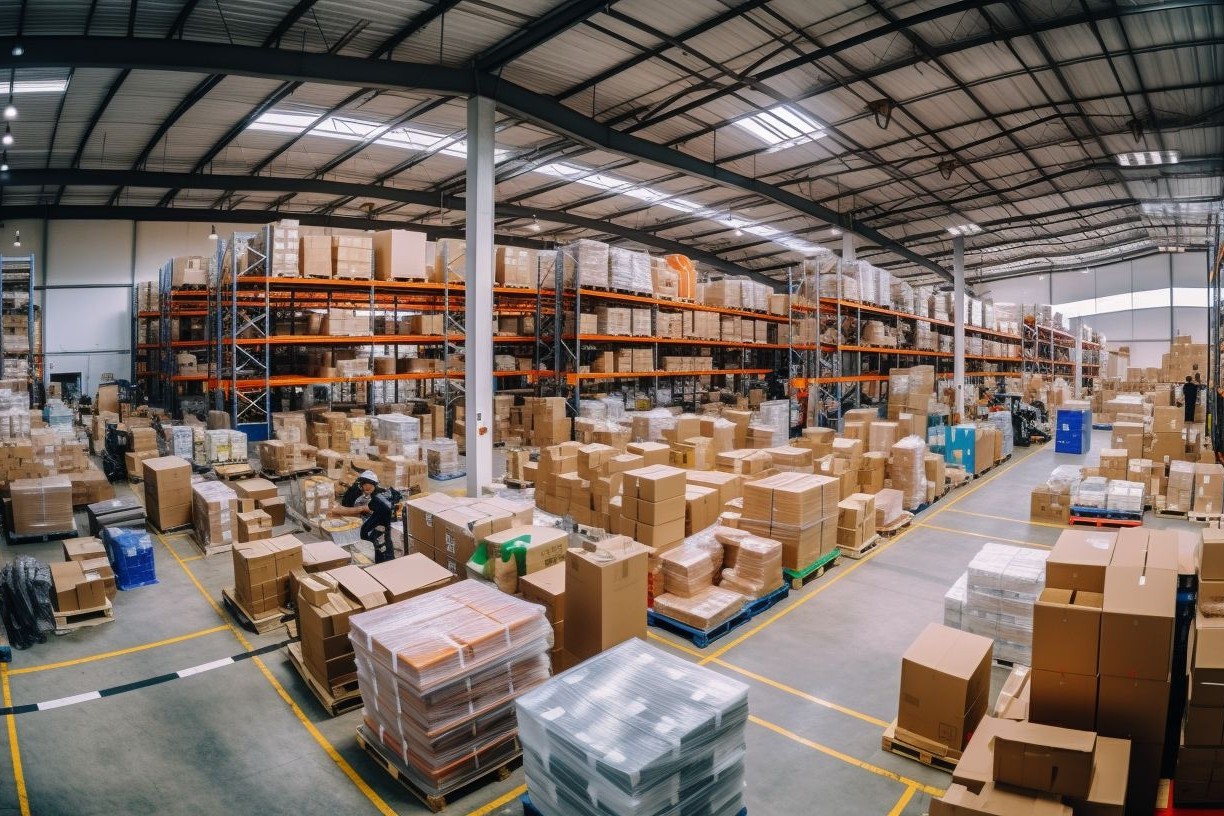
In the fast-paced world of manufacturing, keeping up with customer demands while managing resources efficiently is a common challenge. Production planning stands at the heart of this balance, harmonising supply chain management with consumer needs.
Our article delves into best practices and strategies to enhance your own production planning processes, ensuring you stay ahead in the competitive market. Discover how meticulous your production planning process steps and method used can transform your operations – keep reading for insights!
Key Takeaways
Production planning ensures companies can meet the fluctuating demands of customers efficiently, aligning production targets with consumer needs to maintain customer satisfaction and reduce waste.
Strategic use of resources through meticulous planning in manufacturing minimises costs, enhances productivity, and facilitates better inventory management, keeping operations lean and competitive.
Advanced software tools assist in real-time tracking and decision-making during production processes. This technology enables firms to optimise workflows, manage inventories effectively, and adapt quickly to changes.
Understanding Production Planning and Its Significance

Grasping the principles of production planning unlocks a myriad of opportunities to elevate manufacturing efficiency and customer satisfaction.
It serves as the strategic backbone that coordinates all aspects of a company’s production status, from resource allocation to final output, ensuring that businesses are not just surviving, but thriving in competitive markets.
Definition of Production Planning
Production planning and production methods serves as the blueprint for transforming raw materials into finished products. but first what is production planning? It details every aspect of the manufacturing process, setting production targets, aligning resources needed to meet production demand and establishing a comprehensive schedule.
This plan is vital because it guides companies in creating realistic timelines, smoothing out the workflow and providing a structured approach to manage operations when unforeseen issues arise.
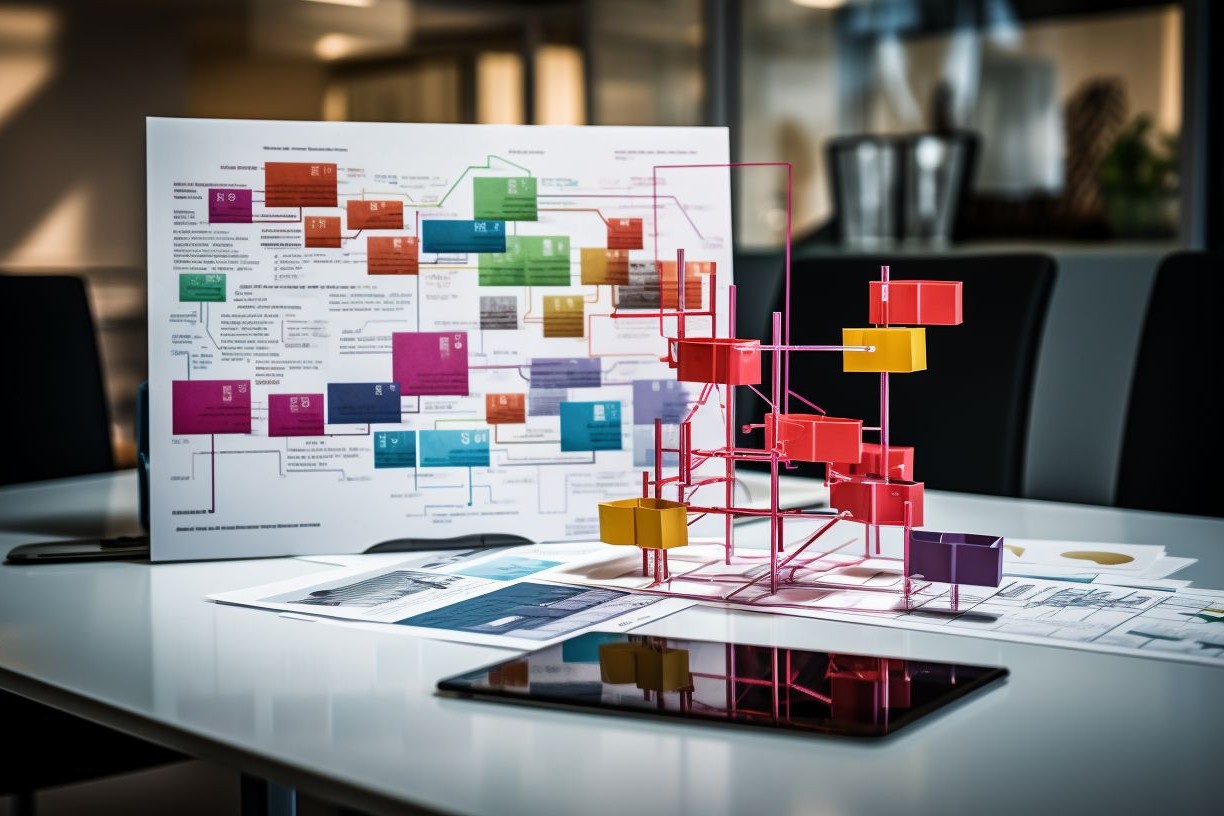
This strategic product control is the objective of manufacturing process planning, which unfolds through several meticulous steps; from forecasting product demand to planning manufacturing and mapping out each stage of complex production process. A thorough production plan ensures all elements – manpower, machinery and methods – are optimally utilised.
By doing so, manufacturers can minimise waste while maximising output quality lower production costs and meeting delivery promises to customers.
Distinction Between Planning and Scheduling
Understanding the definition of flow production planning paves the way to grasp its symbiotic relationship with manufacturing scheduling software. Planning serves as a strategic roadmap for manufacturing; it outlines what products are required, what is the production process and quantities needed, and what is the production plan that sets out long-term goals.
It’s about visualising the journey from raw materials to finished goods by forecasting demand and aligning resources accordingly.
Scheduling, on the other hand, translates this broad vision into actionable tasks. It provides a detailed blueprint of when each step in the production plan, process planning and assembly line, will take place and assigns specific equipment and employees to these jobs.
This ensures that every aspect of your production plan is meticulously timed for efficient workflow and optimal productivity. Balancing both types of production planning, method, and scheduling is pivotal – miss one piece, and you risk collapsing your well-structured production control system, like dominoes.
The Crucial Role of Production Planning in Manufacturing

Production planning stands as the strategic heartbeat of manufacturing, seamlessly orchestrating all aspects of operations to meet market demands with unparalleled efficiency. It is what is production planning is, a linchpin in translating raw materials and labour into products that satisfy customers’ expectations while maintaining cost-effectiveness.
Aligning Production with Customer Demand
To stay ahead in today’s competitive market, businesses must ensure their supply chain production planning, is perfectly synced with the ebb and flow of customer demand. This alignment is critical to deliver products efficiently and maintain customer satisfaction.
Smart production planning tool allows companies to adjust operations quickly as consumer preferences change or new trends emerge, keeping them responsive and adaptable.
Balancing supply with actual sales data prevents overproduction and underproduction – two common pitfalls that can lead to lost revenue or excessive storage costs. With precise production control, firms avoid these risks by producing just enough goods to meet their customers’ needs without excess inventory tying up capital.
Such strategies play a pivotal role in achieving business success by satisfying customers consistently while optimising resource use across the supply chain.
Ensuring Efficient Use of Resources
Efficient use of resources is a cornerstone in production planning, dramatically shaping the profitability and sustainability of operations. Directors must focus on harnessing every asset to its fullest potential, reducing waste and increasing productivity.
Smart resource management starts with precise material planning and procurement strategies that align with projected demands. By doing so, companies can minimise unnecessary stock levels and avoid costly production delays resulting from material shortages.
Cutting-edge tools like the production planning systems and software facilitate this efficiency by providing real-time data on resource allocation, usage patterns, and inventory status. This enables manufacturing leaders to make informed decisions quickly, ensuring that machinery, workforce, and raw materials are employed effectively without overextending or underutilising them.
With these systems in place, directors can optimise their supply chain dynamics to meet customer expectations while maintaining lean operational and manufacturing controlling costs.
Enabling Effective Inventory Management
With efficient use of resources set in motion, turning our attention to inventory management becomes pivotal for streamlining operations. Effective production planning brings with it the precision needed for managing stock levels skillfully.
It oversees materials are on hand just when necessary, curbing excess inventory that can tie up capital and storage space. By doing so, businesses optimise their cash flow and maintain a lean operation.
Harnessing the power of sophisticated ERP software like Microsoft Dynamics 365 Suppyly Chain Management elevates this efficiency further by delivering real-time insights into resource capacity, plant floor activities, and material requirements.
This integrated approach ensures minimum stock levels coincide with production needs seamlessly, preventing any disruptions in manufacturing processes due to inventory shortages or overstocks.
Directors take note: mastery of inventory through intelligent production planning and control report is foundational for operational excellence and sustained growth.
Core Elements of Production Planning

At the heart of modern production planning, lies a complex interplay of critical components, each integral to steering operations towards peak efficiency and customer satisfaction. These foundational pillars guide businesses through the maze of production forecasting software, procurement, and resource co-ordination essential for streamlined manufacturing success.
Demand Forecasting and Capacity Planning
Predicting customer demand is essential in the art of a proper production planning beforehand, guiding businesses to anticipate market needs accurately. This foresight allows for crafting a robust production schedule that aligns with future sales, preventing both excess inventory and stock shortages.
It requires meticulous analysis of historical sales data, current market trends, and any other variables that influence consumer purchasing behaviour.
Crafting an effective capacity plan hinges on understanding your production capabilities. You must scrutinise every facet of your operation to identify potential bottlenecks or constraints within the manufacturing process that could impede meeting your customers’ demands.
Optimised resource management emerges from this careful planning, ensuring machinery, labour and materials are all available when needed – maximising productivity while trimming unnecessary costs.
Material Planning and Procurement
Bridging the gap between forecasting and production planning and execution, material planning and procurement become pivotal. These processes anticipate the materials required to meet production goals, aligning with demand forecasts.
Material planners work meticulously to determine what materials are needed, in what quantities, and at what time to keep the production line moving without a hitch. They juggle multiple tasks such as managing lead times and setting optimal safety stock levels while also considering reorder points that prevent stockouts.
Procurement officers take over by sourcing these materials efficiently from reliable suppliers, focusing on cost-effectiveness without compromising quality or delivery timelines. Negotiating contracts comes hand-in-hand with establishing long-term relationships for future needs.
This synergy between the planning of production and purchasing is essential not just for uninterrupted production but also for ensuring products reach customers as promised – key responsibilities directors can’t afford to overlook in successfully running manufacturing operations.
Scheduling and Resource Allocation
Effective production scheduling, production planning documents and resource allocation form the backbone of any successful manufacturing operation. They involve meticulously doing production analysis and planning a detailed production schedule and timeline, considering every detail to make a master production schedule and plan from equipment availability to setup times.
This ensures a seamless flow of operations without costly interruptions or delays. Directors must understand that allocating resources wisely is critical for maintaining quality standards and adhering to planned production schedules and, allowing for real-time adjustments that optimise the production process.
Utilising cutting-edge technology such as MRP or manufacturing ERP software can dramatically enhance crew management and ensure that running at capacity translates into on-time deliveries.
Demand-driven manufacturing planning process scheduling software further refines this manufacturing process efficiency by syncing manufacturing plans and production schedules with customer demand, thereby avoiding overproduction and underproduction scenarios which lead to excess inventory costs or stockouts.
Lean manufacturing principles like just-in-time production plans flexible and also play a vital role in minimising waste and streamlining workflows – crucial elements directors should leverage to achieve efficient and responsive production systems.
Production Planning Versus Production Scheduling

Understanding the distinction between production planning and production scheduling, is pivotal; it’s about grasping the strategic foresight of long-term efficiency versus the tactical agility of daily operations, a balance crucial for anyone vested in manufacturing excellence – discover how these elements integrate to drive your business forward.
Strategic Planning versus Day-to-Day Operations
Strategic planning shapes the future of your operations, setting a course toward long-term objectives. It’s where you define the overarching goals that guide production planning and set benchmarks against which success is measured.
Consider it the roadmap from which daily tasks and decisions deviate minimally, ensuring every action aligns with your vision for growth and market positioning.
In contrast, day-to-day operations are about getting things done effectively in the now. They’re critical to implementing strategic plans, involving real-time problem-solving and immediate decision-making to keep production moving smoothly.
This is where responsive adaptability intersects with meticulous strategy – where each employee’s role becomes a cog in a larger machine driven by your forward-thinking blueprint for success.
Long-Term Goals versus Immediate Tasks
Balancing long-term objectives with immediate tasks is a critical aspect of effective production planning. Long-term production goals, such as cost reduction, productivity increase, and customer satisfaction improvement set the direction for a company’s manufacturing efforts.
These overarching ambitions require strategic foresight and commitment to continuous, production process planning and optimisation. On the flip side, the daily tasks of production scheduling are all about ensuring immediate demands are met with precision.
Responsive coordination and efficient workflow management keep things moving without a hitch.
Focusing on these time-sensitive responsibilities is essential for maintaining operational fluidity in the short term. It becomes equally vital not to lose sight of the bigger picture: aligning these day-to-day operations with wider business aims forms the bedrock of sustainable industrial success.
Moving forward, let’s delve into the five stages of the production planning process and the types of production planning steps that structure this delicate balance between future vision and present action.
The Five Stages of Production Planning
Understanding the five stages of batch production planning is critical in orchestrating a seamless manufacturing operation that not only meets customer demands but also maintains optimal efficiency; continue reading to explore how each phase batch production planning contributes to the overall success of your business.
Forecasting Product Demand
Forecasting product demand sits at the heart of robust and continuous production planning activities, demanding precision and insight to propel businesses forward. By rigorously analysing historical sales data, keeping an eye on emerging market trends, and integrating socio-economic indicators, companies can anticipate future product needs with greater accuracy.
This step not only streamlines the manufacturing process but also minimises waste by ensuring that resources are allocated effectively to meet anticipated customer demands.
The stakes are high; get it right and you deftly navigate through potential supply chain disruptions while maintaining optimal inventory levels. Successful forecasting facilitates strategic capacity planning – matching production capabilities with predicted sales volumes – and underpins every subsequent element in the production plan.
It’s a delicate balance that calls for regular review and adaptation in response to feedback from actual sales performance, making demand forecasting dynamic rather than a set-and-forget task in the calendar of any astute show production manager or planner.
Mapping Out Production Steps
Mapping out an example of production planning steps is a critical component of the production planning method and process, serving as a blueprint for the flow production the entire manufacturing cycle. It is production control and production planning that requires pinpointing each specific action, from securing raw materials right through to the final product on assembly line.
This meticulous approach allows you to make a production plan, allocate resources effectively and forecast potential bottlenecks in master plan and how to make a production plan on schedule.
Crafting an efficient workflow involves analysing every task for time efficiency and cost-effectiveness. You’ll need to ensure that equipment availability aligns with workforce capacities whilst considering setup times and throughput rates.
With advanced scheduling techniques, you can fine-tune your production plan, to avoid unnecessary delays or wasted resources, keeping your production on track and within budget.
Choosing a Plan and Scheduling Production
Selecting the right production plan demands a careful evaluation of costs, timeframes, and potential risks associated with each option. This crucial step not only streamlines operations but also positions your company to meet customer expectations reliably.
Consider multiple scenarios where human resources’ are optimally allocated, thereby ensuring that crew management operates like clockwork and raw materials supply remains uninterrupted.
Crafting an efficient schedule is equally important for keeping your production line humming smoothly. It’s about striking the perfect balance between various processes while maintaining flexibility to adjust as needed without disrupting workflow or output quality.
Effective scheduling will directly effect the production costs calculation, contribute to reduced wait times and accelerate the overall full production cycle time, which ultimately leads to satisfying customers’ needs promptly and boosting your company’s competitive edge.
Monitoring and Controlling Output
Having established a robust production plan and a detailed production schedule, the next critical phase of production planning process involves monitoring and controlling output to ensure operations adhere to the predetermined path.
This stage demands vigilance and swift action to address any deviations from targeted performance levels or quality standards. Production controls are essential for maintaining the flow of manufacturing processes, preventing interruptions that can lead to costly downtime.
Effective production planning control hinges on real-time tracking, utilising tools like ERP systems that provide immediate visibility into each stage of production. Directors need to be proactive in their approach, employing risk management strategies that respond quickly to potential issues before they escalate.
Inventory control is equally vital; balancing stock levels with current demand helps mitigate warehousing costs while ensuring materials are always at hand for uninterrupted manufacturing cycles.
With these measures in place, directors can confidently steer their companies towards consistent delivery of high-quality products while optimising resource use and minimising waste.
Adapting and Improving Processes
Keeping a close watch on all types of production processing output sets the stage for the vital step of adaptation and improvement. To stay ahead, directors must be ready to refine manufacturing processes continuously.
This necessitates scrutinising performance metrics and feedback, which are pivotal in pinpointing areas ripe for enhancement. Fostering an environment where change is embraced can lead to groundbreaking efficiencies and keep your operation at the forefront of innovation.
Incorporating advanced scheduling techniques such as just-in-time (JIT) or finite capacity scheduling creates opportunities to further streamline workflow and reduce bottlenecks. Regular analysis becomes a tool not just for assessment, but also for evolution; it drives decision-making that aligns with long-term strategic goals while maintaining flexibility in day-to-day operations.
Embracing this dynamic approach ensures that production planning remains robust yet responsive to fluctuating market demands and emerging industry trends.
Common Pitfalls in Production Planning
Understanding the common pitfalls in the production planning process is crucial, as these can lead to costly inefficiencies and dissatisfaction; continue reading for insights on avoiding these traps and maintaining a streamlined manufacturing process.
Failure to Anticipate Production Issues
Neglecting to foresee potential production problems can throw a wrench into the smooth running of manufacturing operations. Directors must recognise that unexpected equipment breakdowns, supply chain hiccups, or staffing shortages can cause substantial setbacks.
These disruptions don’t just affect timelines; they ripple down to customer satisfaction and bottom lines.
Proactive measures and contingency plans are essential tools in a director’s repertoire. Implementing a robust system for early problem detection helps in averting crisis situations before they escalate.
Regularly reviewing production processes and staying vigilant about potential red flags ensures that your team can address issues head-on, keeping your schedule and product budget on track and clients happy.
Overlooking Equipment Maintenance
Moving from anticipating production issues to the maintenance of equipment, one must consider the ramifications of neglecting this crucial aspect when planning production again. Keeping a vigilant eye on the condition of your machinery is not just about averting breakdowns; it’s central to sustaining peak operational performance.
Letting maintenance slide can lead to unnecessary downtime, impacting both efficiency and production costs. Moreover, poor equipment upkeep risks more than just fiscal loss – it jeopardises worker safety and could potentially result in preventable accidents within your facility.
Directors understand that consistent equipment maintenance aligns with strategic planning for long-term manufacturing success. It functions as an essential lever in controlling production flow and meeting customer expectations reliably.
Ensuring that every piece of machinery operates at its best avoids the pitfalls of missed deadlines and customer dissatisfaction. Recognise it as a significant part of your role: forge a path towards exemplary manufacturing standards through rigorous attention to the machines that are your company’s workhorses.
Inadequate Communication and Coordination
Effective communication is the backbone of production planning, but it’s often where many organisations stumble. When details aren’t clearly transmitted across departments, the result can be costly delays and avoidable errors.
Consider how a simple miscommunication between the procurement team and the factory floor can snowball into what is a production controller a full-blown crisis, with materials either overstocked or woefully insufficient.
Coordination is just as critical for ensuring that every segment of smoother production process harmoniously clicks into place. Without synchronisation between various teams – from design to dispatch – the gears of production grind to a halt.
This disarray not only leads to resource wastage but also jeopardises customer satisfaction due to unmet expectations or delayed deliveries. Directors must acknowledge that harmonious coordination across all levels isn’t optional; it’s a must-have for any thriving business in today’s competitive market.
Leveraging Technology for Enhanced Production Planning
In the realm of production planning and control, harnessing technology stands as a pivotal factor in refining strategy and operations. The integration of sophisticated algorithms and advanced software for production planning and control propels organisations towards unprecedented levels of efficiency and coordination.
Production Planning Software and Tools
Production planning and what is production planning system and management software, elevates manufacturing operations by optimising workflows and ensuring that resources are used to their fullest potential. Microsoft Dynamics 365, a cloud-based production planning and management software system, seamlessly integrates various aspects of production planning and control, allowing for real-time visibility into the manufacturing process.
This level of integration helps directors minimise costs while maximising productivity, keeping every part of the operation in sync.
Tools like ERP application suites revolutionise how businesses manage their entire chains from production to delivery. They streamline material planning and procurement processes, drastically reducing inventory costs and mitigating risks associated with overstocking or running short on essential materials.
With such sophisticated technology at your fingertips, directing each stage of the manufacturing pathway becomes more accurate and efficient, translating into competitive advantage and increased profitability.
The Role of ERP Systems in Streamlining Processes
Building on the foundation of specialised production planning software, ERP (Enterprise Resource Planning) systems take efficiency to the next level. These versatile platforms are instrumental in the benefits of production planning and information weaving together various strands of the manufacturing process into a cohesive whole.
They enable detailed scheduling and resource allocation, ensuring that every piece of equipment and each team member’s time is optimised for productivity. With an ERP system in place, directors can tap into real-time data to make informed decisions about labour distribution, equipment usage, and material procurement.
ERP systems maintain a pulse on inventory levels, effectively reducing costly stock shortages or excesses. By leveraging these sophisticated tools, companies forge robust supplier relationships that fortify the supply chain against potential disruptions.
Such integrative technology allows for seamless monitoring and control of production activities. Decision-makers gain the agility to adjust workflows on-the-fly – ensuring projects stay on track without compromising quality or deadlines.
As a result, businesses experience minimised waste alongside maximised output; proof that investing in ERP solutions is not just essential but strategic for modern-day manufacturing triumphs.
Best Practices for Effective Production Planning
To master the art of production planning, it’s imperative that businesses embrace a set of best practices honed through experience and industry insight. These guidelines are not only foundational stones for orchestrating streamlined operations but also vital cogs in the machinery that ensures customer satisfaction and competitive advantage.
Accurate Demand Forecasting
Accurate demand forecasting stands as the cornerstone of successful production planning. It enables directors to allocate resources efficiently, reducing waste and cutting unnecessary costs.
By predicting customer demand with precision, you lay the foundation for a robust production schedule that aligns perfectly with market needs. This foresight is not just about responding to immediate orders; it’s about preempting future demands to ensure your business stays ahead of the curve.
Harnessing sophisticated ERP software can markedly refine this process, transforming intricate data into actionable insights. With these advanced tools at your disposal, tweaking production levels becomes less guesswork and more science.
The result? A streamlined manufacturing workflow that delivers products on time while maintaining optimal inventory levels – striking the perfect balance between surplus and shortage in an ever-fluctuating marketplace.
Understanding Production Capacity
Having established the importance of predicting customer demand, it is imperative to turn our attention towards grasping production capacity. This concept lies at the heart of fulfilling orders and optimising operations, ensuring your manufacturing setup can meet anticipated production demand without overstretching resources or incurring excessive downtime.
Directors must be keenly aware of their facilities’ production limits and capabilities to make informed decisions that guide the strategic direction of their company’s output.
Understanding your plant’s capacity enables you to balance workloads effectively across different departments and machinery, avoiding bottlenecks that can derail delivery schedules.
It requires a precise analysis of how much work each machine or workstation can handle over the production plan or specific period while maintaining product quality standards. By mastering these details, directors can confidently set realistic production plans and goals, allocate resources appropriately, and swiftly adjust production plans, in response to any unforeseen production issues.
Continuous Improvement and Adaptability
Effective production planning hinges on the ability to continuously refine and advance processes. This commitment to ongoing enhancement process manufacturing, not only solidifies a company’s competitive edge but also fosters an environment where swift adaptation to new market demands or technological advancements is possible.
The core of continuous improvement lies in meticulous reviews, adjusting production schedules based on performance metrics, and taking decisive action when opportunities for efficiency gains become apparent.
Leaders who embrace adaptability ensure their operations remain agile, capable of responding effectively to unforeseen challenges or sudden shifts in customer preferences. A proactive stance towards improvement prevents stagnation and propels the entire manufacturing process forward, keeping pace with industry evolutions.
As directors oversee various types of production planning while mapping this dynamic landscape, attention now turns toward identifying key performance indicators (KPIs) that will measure the success of these efforts and guide future enhancements in the production planning process.
Key Performance Indicators (KPIs) in Production Planning
Delving into the realm of KPIs unveils metrics essential for gauging production planning effectiveness, serving as a compass to steer managerial decisions towards optimal performance.
These indicators illuminate the path to operational excellence by quantifying aspects such as efficiency, quality, and timeliness within the production process.
Downtime and Setup Time
Minimising downtime and setup time is vital for any production system aiming to achieve peak efficiency. Quick and seamless transitions between production runs not only enhance throughput but also prevent costly delays that can hinder customer satisfaction.
It’s a balancing act, ensuring machinery is adequately maintained while facilitating rapid changeovers.
Production planners are charged with the meticulous task of streamlining production mapping these periods of inactivity. They implement agile strategies that reduce idle times without compromising the quality or safety standards of operations.
By doing so, they keep the production line moving steadily towards meeting targets and fulfilling orders on schedule, which stands central to maintaining a competitive edge in today’s fast-paced market.
Production Rate and Overall Equipment Effectiveness (OEE)
Production rate is a critical performance metric that signifies the number of units produced during a specific period. It gives a clear picture of actual production rate and how swiftly and effectively the production line operates, enabling your team to judge if output levels align with business objectives.
Keeping an eye on this KPI helps target areas where you can ramp up, optimise production, or streamline operations.
Overall Equipment Effectiveness (OEE), on the other hand, combines availability, performance, and quality metrics to provide an in-depth look at manufacturing productivity. A robust OEE score means you’re getting the most out of your equipment – fewer downtimes, faster cycles, and less waste.
Regular monitoring ensures equipment runs at peak efficiency and directs attention to machinery that could hinder your operation’s smooth running. With these insights in hand, let’s delve into understanding rejection rates and achieving timely orders.
Rejection Rate and On-Time Orders
Keeping rejection rates low is pivotal for a manufacturing firm’s bottom line. It signals the need to refine production processes, ensuring quality standards are consistently met. By closely monitoring these rates, manufacturers can identify weak spots in their operations and initiate corrective measures swiftly.
This focus on quality translates into cost savings and boosts customer satisfaction by reducing the occurrence of defective goods.
Ensuring orders are delivered punctually goes hand in hand with tracking rejection metrics as it directly impacts customer confidence and your company’s reputation. Effective production planning plays a vital role here; it is the linchpin for guaranteeing that deliverables meet deadlines without compromising on quality.
A well-executed plan maximises resource use and streamlines workflows, allowing your business to honour its commitments to clients time after time, solidifying trust and enhancing market competitiveness.
Conclusion: The Impact of Meticulous Production Planning on Business Success
Diligent production planning stands at the core of thriving businesses, seamlessly blending efficiency with customer satisfaction. It enables companies to predict demands, allocate resources wisely and deliver exceptional quality on time.
A comprehensive plan not only drives down costs but also propels customer loyalty and market share growth. This strategic approach ensures manufacturers respond agilely to industry dynamics while continually setting new performance benchmarks.
In essence, mastering the production planning system is tantamount to steering a whole company’s scheduled operating hours towards enduring success.
FAQs
1. What is production planning in industry?
Production planning involves coordinating and organising the manufacturing process, from scheduling and planning production and making sure we meet customer needs.
2. How does a production planner improve efficiency?
A production planner uses software tools to forecast production, schedule production and organise tasks so everything runs smoothly and efficiently.
3. Can production planning software help my business?
Yes! Planning software for manufacturing helps you plan your production process better, saving time and reducing costs.
4. Why is it important to have a detailed manufacturing production plan?
Having a precise and well constructed production plan also ensures you follow the steps needed to make products on time without wasting materials or money.
5. How does supply chain play into production planning?
Good planning involves supply chain management to ensure all parts are available when needed so that product-making never stops unexpectedly.
6. What types of production planning should I know about?
It’s smart to learn about various types of production scheduling and batch production planning methods and sequencing which helps decide how best to make goods depending on demand.
And there's more...