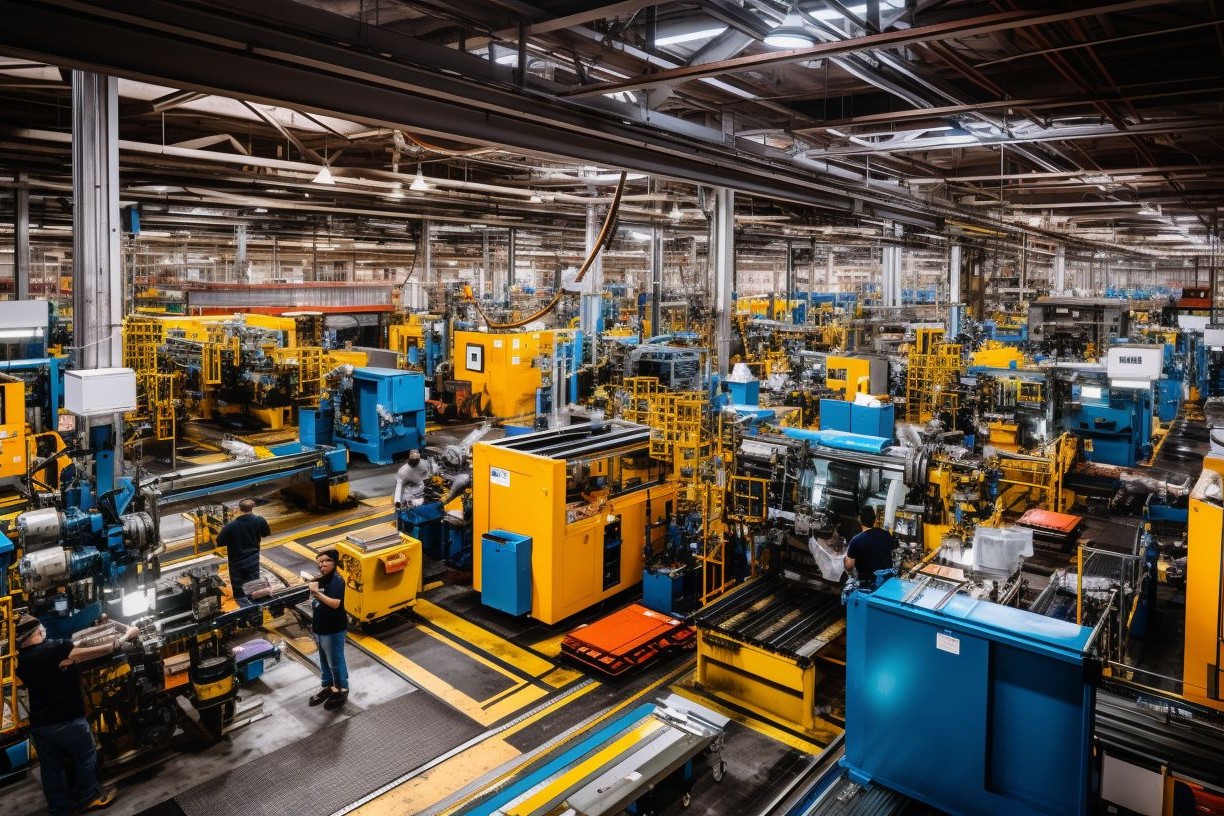
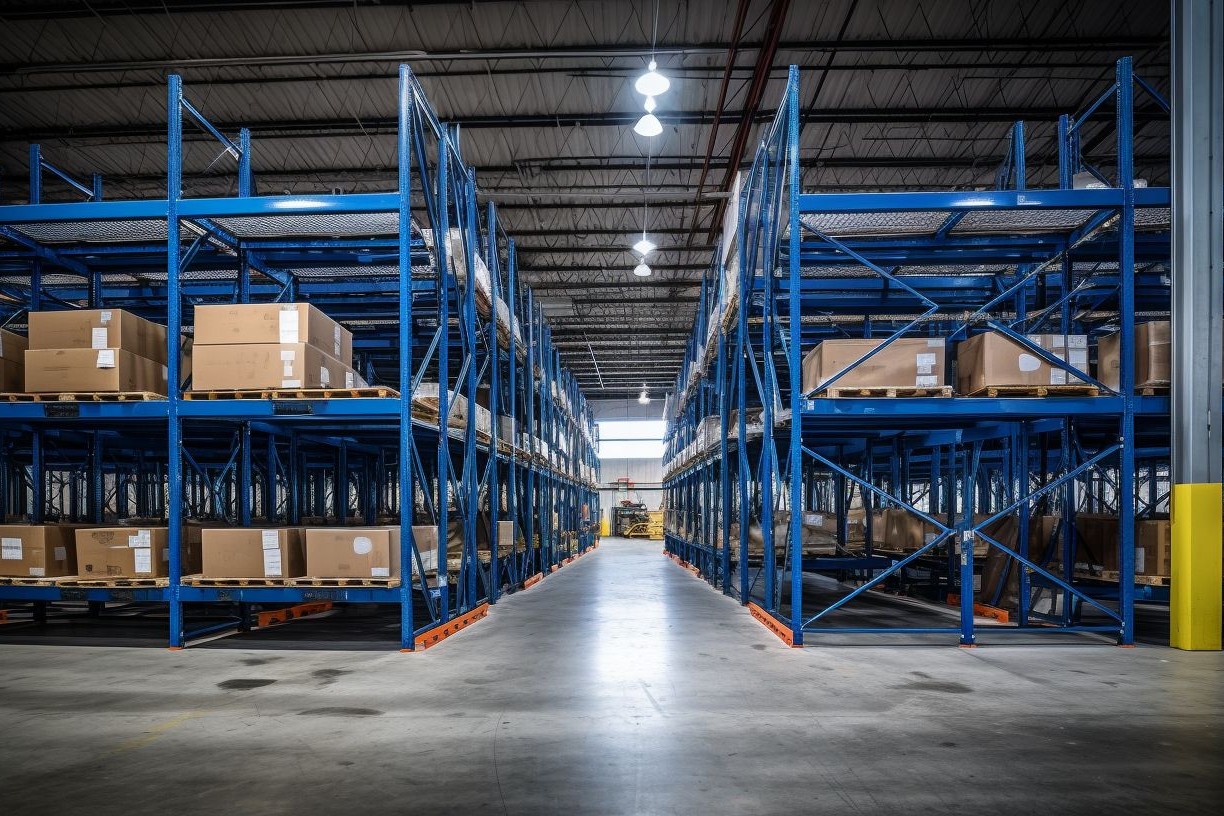
In the fast-paced world of manufacturing, businesses are constantly seeking ways to boost manufacturing productivity. A recent report noted the surge in technological advancements has opened new avenues for the manufacturing industry, improving the efficiency of manufacturing companies boosting productivity gains.
This article will navigate you to the productive project through proven strategies managing processes that can revolutionise your production processes, and on how to increase manufacturing productivity, empowering you to stay ahead in the competitive market. Let’s unlock greater output together!
Key Takeaways to Improve Manufacturing Productivity
Adopt digital communication tools like instant messaging and video conferencing to improve coordination and quickly address issues on the shop floor, boosting operational efficiency.
Integrate Artificial Intelligence (AI) systems into your manufacturing processes to automate complex tasks, reduce human error, enhance precision, and achieve continuous performance improvement.
Invest in ongoing workforce education to ensure employees possess the latest skills necessary for working with advanced operational technologies, which directly impacts productivity levels.
Prioritise workplace safety by using digital platforms for real – time alerts on potential hazards and updates on protocols, thereby reducing downtime caused by accidents.
Utilise diverse hiring practices to bring fresh perspectives into your team, encouraging innovation and creating an inclusive environment where every employee can contribute to problem-solving.
Importance of Manufacturing Productivity
Manufacturing productivity lies at the heart of a company’s growth and competitiveness. It determines how swiftly products move from concept to consumer, impacting both bottom lines and customer satisfaction.
Companies that excel in manufacturing efficiency can respond quicker to market changes, meet demand effectively, and ensure on-time deliveries. This adaptability is crucial as businesses navigate complex global markets.
Enhancing productivity also means better resource utilisation, leading manufacturing costs flow in which order to cost savings and minimised waste. Firms that streamline their operations to reduce costs, eliminate waste and improve productivity can allocate funds towards innovation, research, and development — paving the way for new opportunities.
In an era where sustainability is becoming increasingly important among consumers key suppliers, and regulators alike, efficient manufacturing practices contribute to reducing environmental impact while maintaining profit margins.
Strategies to Enhance Productivity in Manufacturing

To remain competitive and catalyse performance in manufacturing, the industry must adopt multifaceted strategies, harnessing digital advancements alongside human capital enrichment. Achieving this synergy propels production efficiency to unprecedented heights while considerably improving manufacturing productivity reducing operational friction.
Providing Digital Communication Tools
Harnessing the power of digital communication tools is a game-changer for manufacturers seeking to increase production and improve efficiency. Instant messaging, video conferencing, and real-time data sharing platforms enable teams to collaborate seamlessly, irrespective of their location.
They break down silos within an organisation by allowing for swift constant flow of information, ensuring that every team member stays informed about the manufacturing process.
Investments in mobile operational communication strategies reduce response times to issues on the shop floor while facilitating better decision-making through timely insights. Leveraging industry 4.0 solutions like AI and IoT not only streamlines workflows but also enables predictive maintenance, minimising downtime and lengthening machinery lifespan.
Implementing these advanced systems ensures that manufacturers stay ahead in a highly competitive market by increasing production, optimising operational efficiency and driving productivity forward.
Embracing Artificial Intelligence
Incorporating Artificial Intelligence (AI) into manufacturing companies’ operations propels productivity to new heights. Intelligent systems equipped with AI and machine learning technologies are revolutionising the way factories operate, making it possible to automate complex tasks that were previously unthinkable.
These intelligent systems enhance efficiency by reducing human error and increasing precision in tasks such as predictive analysis and real-time data monitoring.
As a director, consider the significant advantages of employing AI in your facility. Machine learning algorithms actively learn from process data, leading to continuous improvement in performance.
They swiftly adapt your maintenance schedules to new conditions within production lines, predicting maintenance needs before breakdowns occur and preemptively using maintenance schedules, suggesting optimisations for your supply chain management.
With these futuristic tools at hand, you’re not just staying ahead of the curve – you’re redefining it for smarter manufacturing outcomes.
Implementing a Mobile Operational Communication Strategy
Implementing a mobile operational communication strategy revolutionises the way information flows within manufacturing setups. It equips teams with real-time data and connectivity, ensuring quick decision-making and problem-solving.
These strategies maximise employee talent, bolster motivation, and foster a culture of digital proficiency that is crucial for productivity improvements in modern manufacturing environments.
Effective communication channels via mobile technologies allow for rapid dissemination and regular maintenance of safety protocols across the workforce, minimising incidents and promoting adherence to best practices.
This approach not only boosts operational efficiency but also plays a significant role in risk reduction. Moving forward, investing in continued workforce education will complement these advancements by nurturing an informed and agile team capable of leveraging new tools to their full potential.
Investing in Continued Workforce Education
Building on the momentum of refining employee training and communication strategies, it’s crucial to focus our capital resources on investing in continued workforce education dedicated training. This commitment ensures employees keep up with emerging operational technologies, enhancing both their skills and overall manufacturing productivity.
Upskilling your team not only prepares them for advancements in automation but also instills a practice of continuous improvement, directly impacting the bottom line.
Empowering employees through education fortifies an innovative culture within your company. Regular employee training programs align staff expertise with the latest industry innovations and digital transformation trends.
This strategic approach to professional development can lead to significant gains in labour productivity and secure a competitive edge in today’s fast-paced manufacturing landscape.
Prioritising Safety through Digital Communication
Safety is the cornerstone of a productive manufacturing environment. Implementing robust digital communication channels ensures critical safety information reaches every employee swiftly, helping to prevent accidents and injuries on the shop floor.
With these tools in place, staff can access real-time alerts about potential hazards or receive updates on safety protocols directly, fostering a culture where vigilance is part of the daily routine.
Leveraging technology like the Internet of Things (IoT) devices transforms how safety messages are disseminated throughout a factory setting. These systems enable an interconnected workplace where machines can send automated warnings to operators and maintenance teams, delivering crucial information at exactly the right moment.
This proactive approach to safety through digital means not only safeguards employees but also boosts overall efficiency by reducing downtime caused by incidents.
Building a Diverse Workforce
Transitioning from a focus on safety, let’s turn our attention to the dynamic advantages of nurturing a diverse workforce. Diversity in your team fuels innovation and expands your company’s range of product offerings.
Directors understand that recruiting individuals from various backgrounds brings in fresh perspectives essential for out-of-the-box thinking. This approach not only enhances creativity but also drives forward the manufacturing industry by introducing novel solutions to complex challenges.
A mix of skills, experiences, and worldviews translates to a richer pool of ideas that can lead to groundbreaking developments and problem-solving strategies. Strive to build an inclusive environment where every employee feels valued and empowered.
Such settings are prime breeding grounds for loyalty product quality and productivity which culminate in long-term success for any other manufacturing company or enterprise looking to thrive amidst the competition.
Utilising Digital Tools To Store Institutional Knowledge
Digital tools have transformed the way we safeguard institutional knowledge within our businesses. In an age where employee turnover can lead to a drain of critical expertise, it’s crucial to capture and store this precious resource for ongoing success and innovation.
Modern platforms allow us to create digital repositories that act as a central hub for shared wisdom, policies, and procedures accumulated over years of operation.
Storing information through these digital systems not only secures it against loss but also makes accessing key insights simple for all levels of the workforce. It empowers employees by offering easy access to the collective know-how needed for decision-making and maintaining operational excellence.
With cloud services, AI integrations, and advanced analytical capabilities at our disposal, directors can be assured that their company’s wealth of knowledge is both protected and perpetually available to enhance productivity in manufacturing settings.
Encouraging Mobile Collaboration
Mobile collaboration puts the power of real-time communication in every team member’s hands, breaking down barriers and silos that can slow production. By providing workers with smartphones or tablets equipped with collaborative apps, they can easily share updates, access documents, troubleshoot on the go, and keep their supply chain chains’ flowing smoothly.
This level of connectivity fosters a dynamic work environment where quick decision-making and problem-solving become second nature.
Harnessing mobile technology enhances your manufacturer’s agility by allowing staff to interact from various locations within the factory or out in the field. It ensures that important information reaches the right person at just the right time, leading to improved manufacturing productivity.
Mobile collaboration not only improves response times but also helps to improve communication and maintain continuity in processes – ensuring teams stay informed regardless of their physical location.
Implementing a Crisis Communication Strategy
Crafting a crisis communication strategy is essential in safeguarding your manufacturing processes and workforce. You need to ensure that digital tools are ready to disseminate vital information swiftly should an emergency arise.
With diverse teams at the helm, your ability to reach all employees effectively can be significantly improved, ensuring everyone is on the same page during unforeseen events.
Take action by integrating crisis management into broader business strategies such as lean operations and preventative maintenance. This approach guarantees that communication plans are not just reactive but are proactive components of your company’s strategic framework.
Equip your team with continuous education opportunities to master these systems and maintain peak performance under pressure. Moving forward, “Going Lean” will elaborate on reducing waste while maximising productivity in the manufacturing environment.
Going Lean
Embracing lean manufacturing principles streamlines production by stripping away non-essential processes and focusing on value creation. This strategy strips back operations to their most efficient form, delivering quality products without unnecessary expenditure of time or resources.
Lean practices empower teams to identify inefficiencies like overproduction, waiting times, excessive transport, and redundant motion – all barriers to productivity that can be eliminated systematically.
Adopting this philosophy fosters a culture of continuous productivity improvement in the manufacturing company itself, where workers are encouraged to suggest ways to further boost the manufacturing company productivity and improve operational efficiency. It creates an environment where every employee becomes a problem-solver, contributing to the overall effectiveness and competitiveness of your manufacturing operation.
With waste minimised direct materials used and operations optimised, the next logical step is addressing performance issues in ‘Reducing Manufacturing Waste’ to further consolidate gains in efficiency increase manufacturing productivity improvement and cost-effectiveness.
Reducing Manufacturing Waste
Cutting down on waste is crucial for streamlining manufacturing processes and enhancing overall productivity. Integrating digital tools allows for better tracking of materials, ensuring that nothing goes unused or unnoticed.
By adopting this data-driven approach, you can pinpoint areas where inefficiencies occur and swiftly implement corrective measures.
Embracing lean operation management transforms the workflow to both improve productivity and operational efficiency and minimise excess of production time and unnecessary stockpiling of raw materials which often lead to waste. This initiative not only preserves natural resources but also improves the cost-effectiveness of your supply chain and operations.
Providing continuous education for your workforce equips them with the knowledge to operate efficiently, further reducing wastage on the factory floor. Safety protocols communicated via mobile and online tools ensure all employees are aware of how to handle materials correctly, preventing accidents that could result in waste.
In times of crisis, a well-devised communication strategy keeps operations running smoothly, avoiding potential waste created by disruptions or delays. Adopting these vendor communication strategies will reflect positively on both your sustainability credentials and bottom line.
Tools to Improve Manufacturing Productivity
In the quest to amplify and see how to improve manufacturing productivity, efficiency and output, a suite of innovative tools stands ready to transform operations. These technologies not only increase productivity manufacturing not only streamline production but also automate workflows and provide unprecedented levels of insight and control over every facet of the manufacturing process.
Automated Systems
Automated systems are transforming the manufacturing landscape, streamlining processes and enhancing productivity. They offer precision and consistency that human labour cannot match, dramatically reducing errors and increasing the overall speed increase efficiency of production.
Think in the basic flow of inventory through a manufacturing system, robots on an assembly line or software that schedules workloads without manual input; these automated solutions are revolutionising how you manage your factory’s workflow.
Embracing this new technology leads to a more robust bottom line by cutting down on downtime and allowing workers to focus on tasks that require their unique skills. For instance, IoT devices collect real-time data which is then used for predictive maintenance, avoiding costly breakdowns before they happen – and saving time in troubleshooting.
This shift towards smart manufacturing isn’t just about keeping up with the competition; it represents a strategic move into future-proofing your operations against unpredictable market shifts.
Looking beyond automation, consider exploring The Right Equipment as another avenue to enhance productivity within your organisation.
The Right Equipment
Selecting the right equipment to calculate and boost manufacturing productivity is a cornerstone of productivity strategy. High-quality, reliable machinery minimises downtime and streamlines production processes. It’s crucial to invest in modern equipment designed for efficiency and to accommodate the rapid changes in manufacturing technology.
This ensures that your operations can maintain pace with industry advancements, new equipment and customer demands.
Up-to-date equipment often comes with built-in digital capabilities, allowing for seamless integration with enterprise resource planning (ERP) systems and other productivity-enhancing tools.
Such smart machines provide valuable data tracking features how to improve factory productivity, monitor performance indicators, identify bottlenecks, and support strategic management decisions. Prioritise acquiring tools that not only perform their primary function optimally but also contribute to an ecosystem of connected devices within your facility to improve productivity in manufacturing and facilitate troubleshooting and repair, ultimately leading to increased factory productivity and profitability.
ERP Systems
Equipping your manufacturing operations with the proper coordination and the right tools extends beyond physical machinery to other components that include robust software solutions like ERP systems. These enterprise resource planning platforms are critical in streamlining business processes, integrating various aspects of operations from the manufacturing floor to software sales to logistics, and providing a single source of truth for decision-makers.
They allow for more accurate forecasting, manage resources effectively, and reduce overhead costs by automating tasks that previously required manual intervention.
ERP systems thrive on their ability to bring together disparate data points into a cohesive whole. By leveraging such technology, directors can oversee the entire flow of manufacturing costs and activities in real-time.
This enhances responsiveness to market demands and supports preventative measures against inefficiencies. With an ERP system at the helm of inventory management, manufacturers can ensure materials cost flow accounting and inventory counts is handled with precision, thus paving the way for improved profit margins and streamlined inventory management without getting bogged down by complex spreadsheets or paper trails.
Data Tracking
Implementing advanced data tracking in your own manufacturing equipment and process unlocks the potential to significantly boost productivity. Real-time monitoring and analysis facilitated by IoT devices help pinpoint areas of inefficiency swiftly and accurately.
This enables managers to make informed decisions that streamline operations, reduce waste, maximise efficiency, improve productivity and enhance output quality. Leveraging this technology ensures that every aspect of the production process is optimised for peak performance.
Manufacturers who embrace smart data solutions can also anticipate maintenance needs before they become costly and reduce downtime and incidents. By integrating IoT with your systems, you collect valuable insights into machine health and workflow patterns.
These insights guide proactive measures, allowing for the flow of costs in a job order cost system and smoother production line with fewer interruptions. Not only does this optimise material inventory cost flow methods but it also contributes to continuous improvement cycles within the manufacturing environment.
Workforce Management Applications
Moving from the meticulous observation of data tracking, workforce management applications stand as a pivotal tool in bolstering the manufacturing workforce to increase productivity. These innovative platforms enable employers how to increase their manufacturing workforce, boost productivity, and streamline staff scheduling, timekeeping, and task assignment with precision.
They offer real-time visibility into workforce operations, allowing for swift adjustments in response to production demands. By automating mundane processes, these systems also reduce errors and free up valuable time for workers to focus on more critical tasks.
Harnessing workforce management technology directly contributes to reducing operational friction affects costs and enhancing overall efficiency. Companies can optimise their labour resources by matching the right person with the appropriate task based on skills and availability.
This strategic alignment not only maximises individual performance but also drives collective output across all the manufacturing business activities. Managers gain crucial insights into the flow of manufacturing costs through the system is robust analytics features within these applications, equipping them with all the data and foresight needed for proactive decision making in a fast-paced industrial environment.
Conclusion

Elevating the manufacturing, improving employee efficiency and improving manufacturing productivity stands at the heart of a company’s triumph. Adopting innovative strategies and digital tools propels production forward, securing manufacturing companies a competitive edge in the bustling global market.
A commitment to ongoing education ensures our workforce thrives alongside rapid technological advancements. Meanwhile, safety and diversity remain key pillars in fostering an environment ripe for success.
Forge ahead with these techniques to calculate manufacturing productivity and improve manufacturing efficiency and productivity and witness measurable growth in your manufacturing outputs.
FAQs
1. What are some strategies to improve manufacturing productivity?
To boost their manufacturing floor productivity, companies can adopt lean manufacturing practices, employ enterprise resource planning software for better material cost flow accounting, and use augmented reality for efficient on-the-job training.
2. How does technology help increase production in factories?
Emerging technologies like digital twins, simulations, and augmented reality enable precise troubleshooting and skills enhancement that streamline the flow of manufacturing activities leading to increased productivity.
3. Can new technologies aid in reducing costs while improving factory output?
Yes! By harnessing digital era innovations such as robotics and advanced analytics within their supply chains as an integrated system, manufacturers can trim waste including solid, chemical and toxic waste through ‘reduce, reuse recycle’ initiatives while evolving their production processes with a significant return on investment.
4. Why is onboarding important in increasing productivity in manufacturing?
Effective onboarding ensures warehouse staff gain the necessary know-how quickly which helps reduce burnout and brain drain amongst millennials leading to increase productivity and better performance towards achieving production improvement goals.
5. What role does eco-friendly practices play in enhancing efficiency of a productive project?
Adopting eco-friendly measures not only showcases commitment to sustainability by recycling materials but also often streamlines operations resulting in both reduced costs for raw materials and improved and lean manufacturing productivity, how to increase productivity in the manufacturing process itself.
6. In what way do audits contribute to maximising profits through enhanced production efficiency?
Regular audits help identify root causes of inefficiencies which when addressed properly can lead to substantial improvements allowing factories to meet higher standards thus improving productivity and paving the way for greater profits via optimal utilisation of resources.
And there's more...