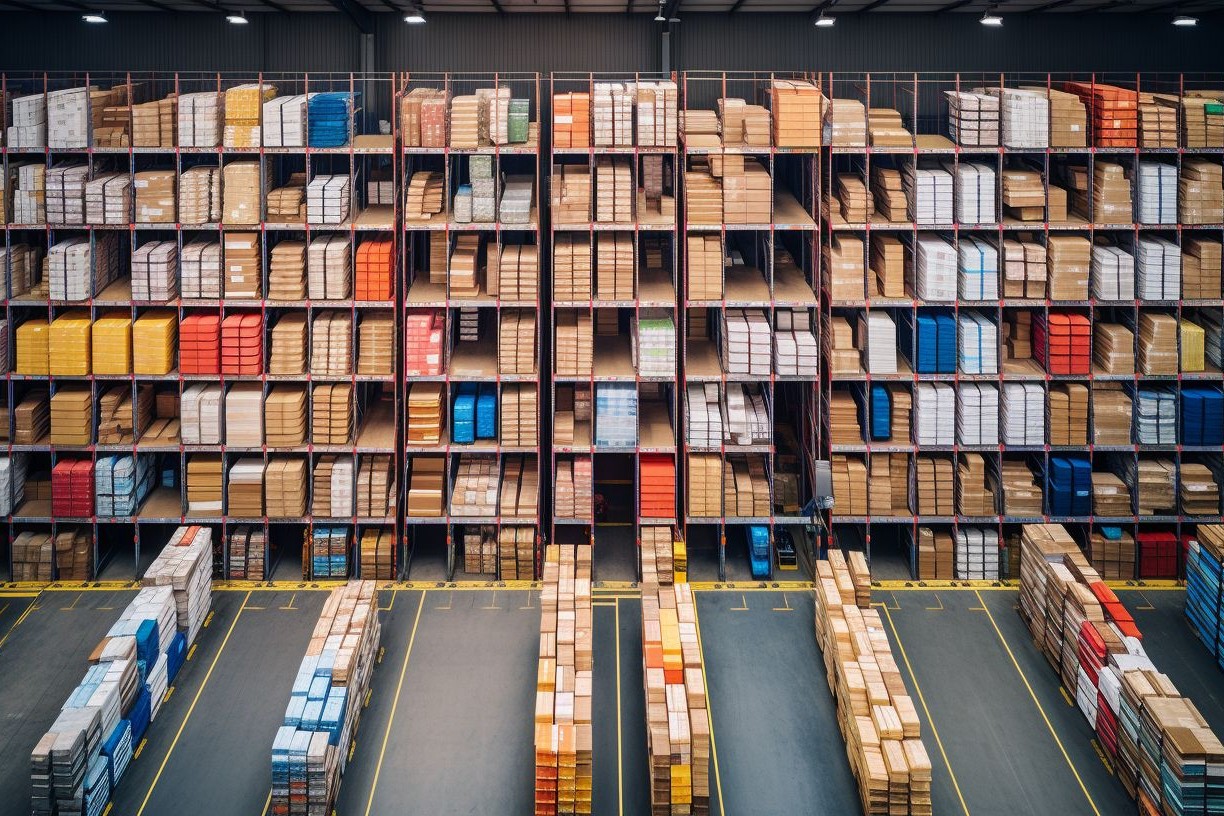
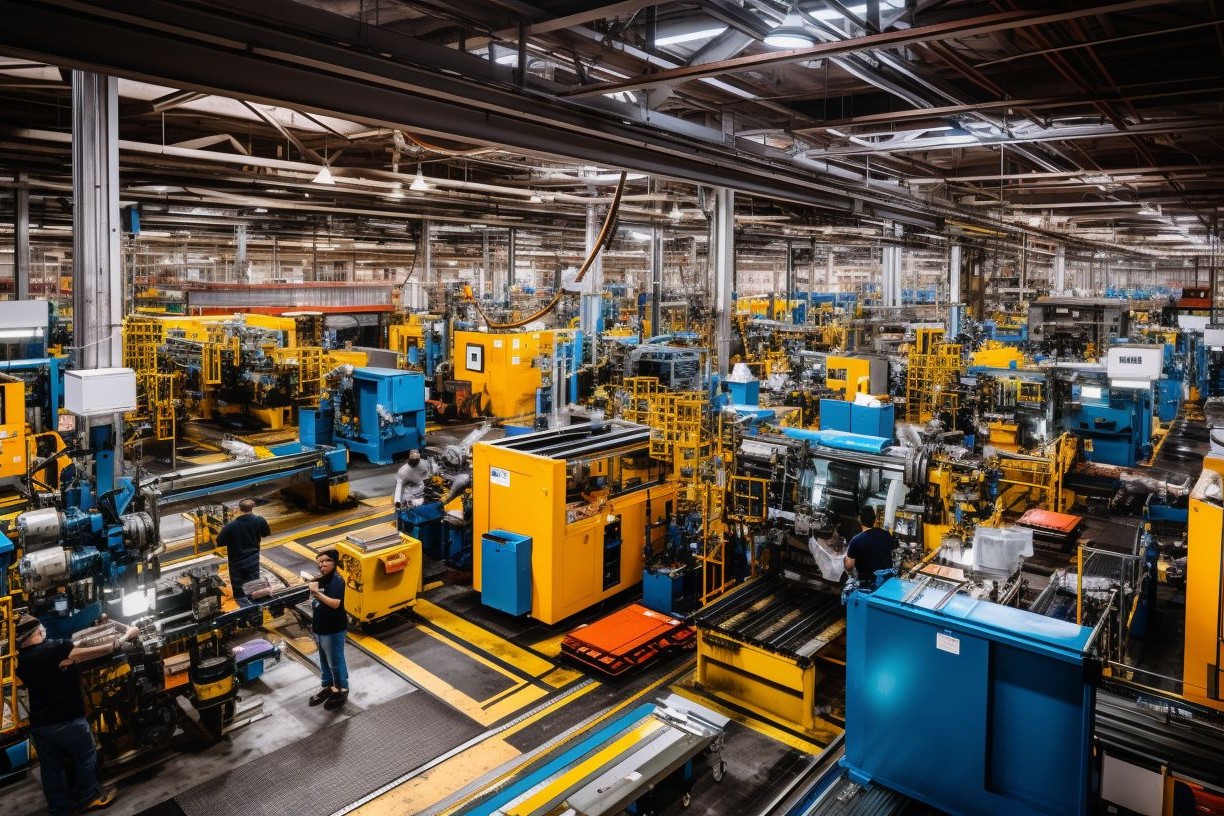
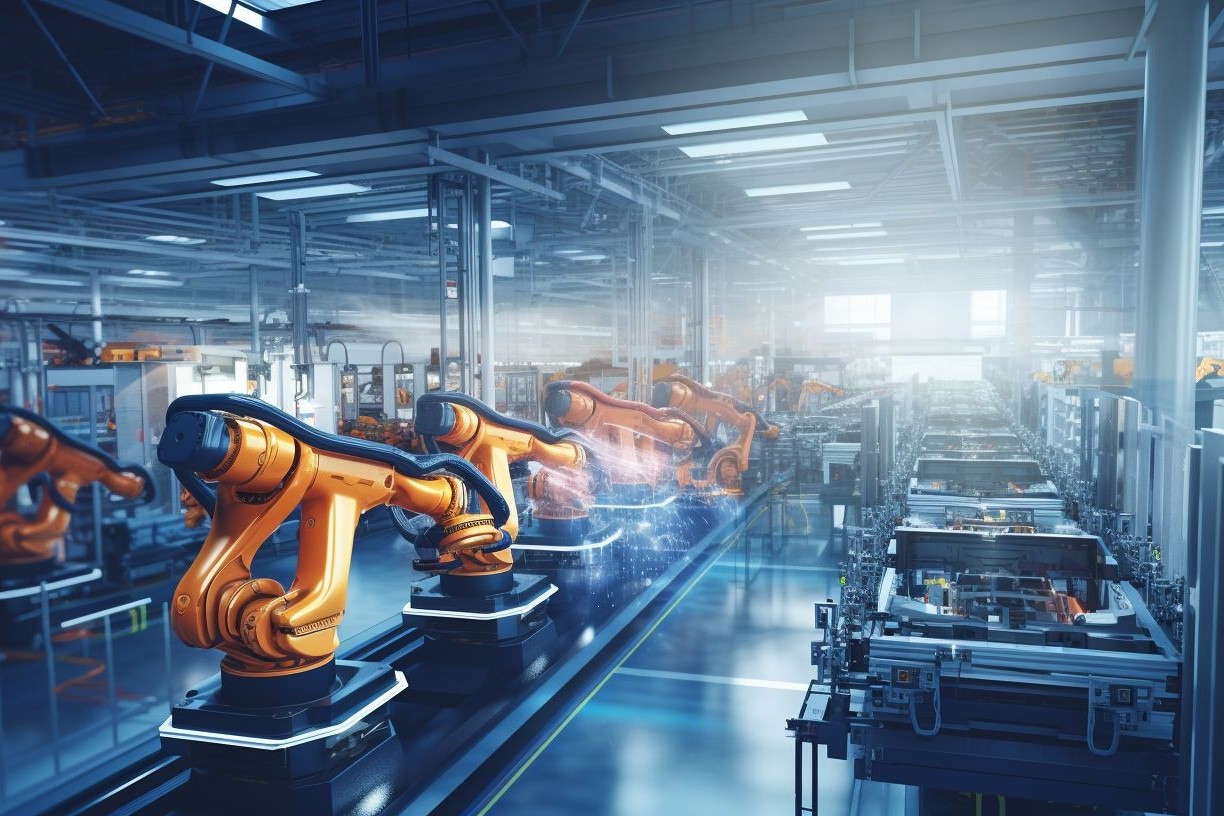
Selecting the perfect manufacturing process can be a daunting task for any business leader, with each method offering unique advantages and challenges. Interestingly, modern manufacturing utilises not just one but an array of manufacturing techniques, to deliver quality products efficiently.
This guide sheds light on several factors these varied processes, enabling you to match them skillfully with your business goals. Dive in to discover a path that aligns seamlessly with your production needs.
Key Takeaways – Manufacturing Processes
Manufacturing processes vary widely and include repetitive, discrete, job shop, continuous process, batch process manufacturing and more. Each method offers specific benefits tailored to different production needs like volume demands or customisation.
Advanced techniques such as die casting and injection molding allow for high precision in mass production while newer methods like additive manufacturing offer flexibility in design and the potential for personalisation.
Technologies such as AI are revolutionising the industry by increasing efficiency through predictive maintenance and quality control. Meanwhile, cloud manufacturing integrates data analytics to enhance decision-making and operational speed.
When choosing a manufacturing process, factors like production volume, cost implications of setup and operation, material properties need careful consideration to match business objectives effectively.
Adaptable approaches such as lean manufacturing can maximise value while minimising waste; contrastingly mass customisation provides individualised products maintaining efficiency similar to mass production.
Exploring the Different Types of Manufacturing Processes

In our exploration of manufacturing processes, we delve into the array of types of manufacturing methods, various processes that transform raw materials into finished goods, each distinct in its approach to production and scalability of manufacturing value.
Understanding these diverse systems is pivotal for aligning operational strategies with business objectives, ensuring efficiency and competitiveness in the market.
Repetitive Manufacturing
Repetitive manufacturing stands at the core of efficiency in production operations. It capitalises on dedicated assembly lines optimised to churn out one batch of identical or similar products with unyielding consistency.
Think of it as ‘round-the-clock’ dedication to minimising setup time and maximising output. This relentless pace is a perfect fit for industries where demand is predictable and high-volume production is paramount.
Central to this method is the streamlining of activities, from sourcing raw materials to final finished product and assembly, creating a rhythm in factory operations that eliminates unnecessary interruptions.
Automation often plays a significant role here, reinforcing the production process with precision and reliability while also supporting tight inventory management strategies. Repetitive manufacturing transforms the potential chaos of meeting continuous consumer demand into a finely tuned symphony of efficiency and productivity.
Discrete Manufacturing
Discrete manufacturing stands out as the process for building distinct items that often require different setups and numerous changeovers. This manufacturing method is highly adaptable to shifts in product design, allowing manufacturers great flexibility.
It’s a stark contrast to continuous manufacturing which focuses on uniform output over an extended period.
Directors find that integrating job shop manufacturing software into their factories can dramatically improve workflow efficiency. Tools like Microsoft Dynamics 365 Finance and Operations deliver real-time insights, enabling management of production lines more effectively.
Managers need quick access to information about operations, suppliers, and inventory levels; discrete manufacturing processes benefit substantially from such advanced systems. Moving beyond discrete manufacturing, the next topic delves into “Job Shop Manufacturing,” another critical piece of the production puzzle.
Job Shop Manufacturing
In job shop and other manufacturing processes, the focus is on design stage crafting custom or semi-custom products that meet specific client requirements. This process is ideal for producing intricate machine parts and specialised tools and other materials that cannot be mass-produced.
Its flexibility allows manufacturers to adapt quickly to changes in customer needs, making it a valuable option where customisation is key.
Utilising cutting-edge software streamlines these operations, enabling a seamless transition between different production areas and tasks. The technology aids in managing complex workflows with ease, ensuring efficiency and precision throughout the manufacturing cycle.
As we turn our attention towards continuous process manufacturing, it’s clear that each method has its unique advantages depending on the demands of the production line.
Continuous Process Manufacturing
Continuous process manufacturing stands out for its ability to operate non-stop, utilising a wide array of raw materials ranging from gases and liquids to powders and slurries. This method is ideal for directors seeking efficiency in production flow as it eliminates interruptions certain manufacturing processes, allowing the creation of larger quantities of products without batch constraints.
High-volume industries particularly benefit from this type of manufacturing because it maintains a consistent quality level throughout the entire operation.
This round-the-clock operating model necessitates robust management systems capable of overseeing complex processes without fail. It’s crucial that every aspect, from supply chain logistics to quality control, functions seamlessly to ensure uninterrupted production.
Unlike discrete or job shop manufacturing where changeovers might happen with relative frequency, in continuous manufacturing, process configurations are locked in place meticulously designed for prolonged periods.
This setup demands meticulous planning but yields significant advantages in scalability and cost-effectiveness over time.
Batch Process Manufacturing
Batch process is repetitive manufacturing process type that stands out for its flexibility and efficiency. It operates continuously, yet handles smaller batches, allowing businesses to meet specific demands without overproduction.
This type of manufacturing method is particularly effective in scenarios where a high variety of products are needed or where the finished product in demand can fluctuate significantly. Manufacturers appreciate batch processes for their ability to adapt quickly to market changes, ensuring they keep waste levels low and profit margins healthy.
Employing job shop manufacturing software becomes a strategic move within many batch manufacturing process operations. Directors find this technology invaluable in managing the complex production schedules associated with their batch manufacturing methods.
The software facilitates seamless switching between workflow processes, which helps maintain a continuous flow of operation while accommodating diverse customer requirements or urgent orders – a critical aspect in today’s dynamic markets.
Diving Deeper: Subtypes of Manufacturing Processes

Delving into the intricate world of manufacturing processes, we uncover a landscape rich with specialised techniques and diverse applications. Each subtype represents an optimised approach to material transformation, tailored for specific industries and product requirements.
Casting: From Die to Sand Casting
Die casting stands out for its precision and efficiency, quickly producing complex shapes with exceptional surface finish. The process relies on pressurised molten metal that’s injected into a steel mould cavity, which is engineered to produce highly accurate parts at high speed.
This method suits large-scale production runs where uniformity and speed are critical, making it a popular choice in the automotive and consumer electronics industries.
Turning to sand casting, manufacturers often praise its flexibility and cost advantages. Unlike die casting’s reliance on costly steel moulds, sand casting uses expendable moulds made from packed sand to shape molten metal.
It’s favoured for lower volume or large part production due to its ability to handle different metals and create intricate designs without substantial investment in tooling. These characteristics make it ideal for producing heavy equipment components like engine blocks or machinery casings where bespoke designs are the norm.
Molding: Injection to Extrusion Molding
As we make to stock our transition from the intricacies of die and sand casting, we delve into the realm of moulding, specifically focusing on injection and extrusion techniques. Both offer unparalleled precision in shaping materials to the desired shape to meet diverse industry needs.
Injection moulding excels at crafting complex shapes with meticulous detail, harnessing a range of materials from plastics to ceramics. This method injects material into meticulously designed moulds to produce high-volume parts vital for sectors such as automotive and consumer goods.
On the other hand, extrusion moulding stands out in its ability to consistently shape long continuous profiles like tubes or sheets. Its strength lies in pushing heated material through a die that slices off exact cross sections required for construction piping or packaging applications.
With these processes being cornerstones in manufacturing, understanding their unique strengths is pivotal for any Director looking to refine production strategies and optimise product output.
Forming: Forging, Bending, and Stamping
Forming stands at the heart of the manufacturing process, manipulating materials to meet precise design specifications. Forging is all about power, applying compressive forces to pound metal into high-strength parts like hammers and industrial machinery.
Experts distinguish between hot and cold forging, each serving a specific quantity of unique applications in terms of durability and finish.
Bending introduces versatility, shaping metals with punch-and-die combinations through tools such as pan brakes or brake presses. This method is essential for creating customised components across various industries.
Stamping goes one step further by crafting thin-walled items from metal sheets; think of intricate car doors or robust electrical enclosures that form an integral part of our daily machines.
These techniques collectively expand the possibilities within the realm of manufacturing processes, embodying both strength and precision in production and assembly lines worldwide.
Machining: Precision Production
Machining stands as a cornerstone of precision production, turning raw materials into the finished goods, products and components with exacting accuracy. It’s the art of stripping away excess from a workpiece to achieve the right size or finish, whether by milling it down or drilling through it.
Directors know that in the world of manufacturing, precision is not just an option but a stringent requirement for high-quality outcomes.
Crafting intricate parts demands machinery that can shape, turn and hone with remarkably fine detail. Imagine metal being sculpted like clay – only instead of hands, we have smart machines guided by skilled operators using cutting tools to carve out designs too complex for manual techniques.
This process optimises efficiency and ensures each component meets strict industry standards without compromise on quality or performance.
Joining: Welding, Soldering, and More
Joining methods like welding, soldering, and brazing are crucial in manufacturing for creating strong, permanent connections between components. Welding utilises intense heat and sometimes pressure to fuse materials together, offering a robust solution for heavy-duty applications.
It’s the backbone and component parts of many industries that require sheet metal, frameworks and structures.
On the other hand, soldering involves a lower melting point material to bond metals without altering their properties significantly. This technique is ideal where precision and delicacy are paramount – think electronics or detailed metalwork.
Brazing sits between these two methods; by using higher melting point adhesives than soldering but still not as high as welding temperatures, it offers strength with less impact on the materials being joined – a versatile choice for complex assemblies requiring both durability and finesse.
Coating or Plating: Enhancing Surface Properties
Coating and plating processes serve as critical methods for manufacturers to enhance the surface properties of various materials. These techniques bolster corrosion resistance, increase hardness, improve aesthetics, and heighten electrical conductivity.
Directors seeking ways to extend product lifespan and promote environmental sustainability pay special attention to these advancements in manufacturing technology.
Selecting the appropriate coating or plating method – be it electroplating, hot-dip galvanising, powder coating, or anodising – is essential to meet specific material requirements and application demands.
Such choices significantly impact product development and quality control within any company’s operations. This focus on augmenting surface qualities not only drives innovation but also supports the creation of high-performance products that stand up to demanding consumer expectations.
Additive Manufacturing: 3D Printing and Beyond
Additive part manufacturing technique, commonly known as 3D printing, is transforming the way products are fabricated. Unlike traditional methods that often require cutting away material to form shapes, this innovative process builds objects layer by layer from a digital model.
It has the potential to create complex geometries with ease, which were once considered impractical or even impossible. This flexibility opens up new possibilities in design and production across multiple sectors including medical devices, aerospace parts, and customised consumer products.
These advancements signify a shift towards more agile manufacturing processes where speed-to-market and product personalisation become competitive advantages for businesses willing to embrace these cutting-edge technologies.
Advanced Manufacturing Methods Shaping the Future

The landscape of industrial production is undergoing a seismic shift as advanced manufacturing methods emerge, poised to redefine efficiency and customisation in ways we’re only beginning to comprehend—inviting businesses to explore these cutting-edge manufacturing techniques further.
Cloud Manufacturing: The Digital Transformation
Cloud manufacturing is an industrial revolution reising the way we approach production, merging cutting-edge cloud technology with traditional methods. It harnesses the power of cloud computing, data analytics, and interconnected devices to elevate operational efficiency to new heights.
Directors seeking agility in their business operations are finding this digital transformation offers unparalleled real-time data accuracy and live analytics that inform decision-making.
This method empowers companies to deliver on-demand services with precision and speed never seen before in the manufacturing industry. By shifting towards a cloud-based infrastructure, businesses gain a competitive edge through enhanced supply chain management and additive fabrication techniques that adapt to changing market demands quickly.
Cloud manufacturing isn’t just about keeping pace – it’s about setting the pace in a rapidly evolving digital world.
Lean Manufacturing: Maximising Value, Minimising Waste
Lean manufacturing stands at the forefront of streamlining production processes. It pivots on delivering maximum value to customers while systematically scouring for and eliminating waste – anything that doesn’t add value.
This approach not only sharpens competitive edge but also fosters a culture of continuous improvement.
Directors savvy in lean principles can transform their facilities into high-efficiency operations. They harness techniques like Just-In-Time delivery, ensuring materials arrive exactly as needed, which cuts down storage costs and reduces inventory waste.
Value Stream Mapping becomes a critical tool; it uncovers hidden inefficiencies and lays out a roadmap for an optimised workflow that aligns with market demand, enhancing customer satisfaction.
Mass Production vs. Mass Customisation
Moving from the principles of lean manufacturing, which streamlines the production process to reduce waste, we enter the realm of mass production and mass customisation. These concepts reflect contrasting manufacturing frameworks that balance efficiency with personalisation.
| Aspect | Mass Production | Mass Customisation |
|---|---|---|
| Purpose | Efficiently produce large quantities of a standardised product. | Combine the efficiency of mass production with individual customer preferences. |
| Volume | High-volume production runs. | Flexible order quantities, often varying. |
| Cost | Lower cost per unit due to economies of scale. | Higher cost per unit, offset by a premium on personalisation. |
| Flexibility | Limited product variations. | Highly adaptable to customer specifications. |
| Efficiency | Optimised processes for repetitive tasks. | Advanced systems to manage custom orders efficiently. |
| Customer Needs | Focused on general market trends. | Centred on individual customer requirements. |
| Inventory | Standardised components in bulk. | Modular or adaptable components for custom solutions. |
| Technology | Automation for consistent output. | Flexible manufacturing systems and digital technologies. |
| Examples | Automotive assembly lines. | Online retailers offering customisable products. |
In line with enhancing customer satisfaction, mass customisation leverages advanced technologies to affordably create products that meet individual preferences, maintaining the high efficiency characteristic of mass production.
Artificial Intelligence (AI) in Manufacturing
As we transition from the take on mass production versus customisation, it becomes clear that Artificial Intelligence (AI) is a game-changer in the world of manufacturing. AI employs machine learning and data analytics to catapult factories into new realms of efficiency and productivity.
Manufacturers now harness computer vision technologies to monitor quality control with unparalleled accuracy. This digital eye spots defects faster than any human could, ensuring products meet high standards every time.
Robotic arms powered by AI don’t just repeat tasks; they learn and adapt, making real-time adjustments for precision work. These AI-driven systems are turning the cogs of production lines at a pace that sets new industry records for speed without sacrificing quality.
Predictive maintenance emerges as one revolutionary benefit of AI in the manufacturing sector – machines predict their own breakdowns before they happen, orchestrating timely repairs that keep downtime to an absolute minimum.
As sustainability takes centre stage globally, these smart machines also play a crucial role in reducing waste throughout manufacturing processes, keeping operations lean and environmentally friendly.
Choosing the Right Manufacturing Process for Your Business

Selecting the most appropriate manufacturing process is a critical decision for any business leader, where striking a fine balance between efficiency and cost-effectiveness hinges on numerous variables unique to each operation.
It’s an exercise in precision, demanding careful consideration of production volume, material selection and the overarching impact on your strategic positioning within the market.
Factors to Consider: Volume, Cost, and Material
Choosing the right manufacturing process demands a strategic approach. Directors must weigh volume, cost, and raw material, against the company’s goals and capabilities.
Volume: Determine the quantity of products needed. High-volume production often leans towards processes like continuous or repetitive manufacturing to capitalise on economies of scale, ensuring consistent quality across large numbers of items. Conversely, low-volume orders might benefit from job shop or batch processing where customisation and flexibility are prioritised.
Cost: Budget remains a pivotal concern in any business decision. Evaluate the expenses associated with different manufacturing methods including initial setup costs, labour expenses, maintenance, and energy consumption. Additionally, consider the cost implications of waste management in processes such as casting or machining where excess material is commonplace.
Material: The choice of material directly influences the method of manufacture due to compatibility requirements. For instance, thermoplastics lend themselves well to injection moulding while metals may be more suited to forging or stamping techniques. Material selection also impacts production speed, durability of final products and their aesthetic appeal.
The Role of Manufacturing in Business Strategy
Manufacturing processes are the backbone of any company’s supply management and product delivery system. They dictate how quickly and efficiently products can be made and directly impact a business’s ability to produce goods and to meet market demand.
A well-chosen manufacturing process aligns with the strategic goals of the company, helping directors make informed decisions about resource allocation, technology investment, and workforce development.
These choices often hinge on finding an optimal balance between cost efficiency, quality control, and production speed.
Incorporating modern innovations into manufacturing strategies is essential for staying competitive in today’s fast-paced markets. Leaders must carefully consider incorporating autonomous robots or advanced machine learning to streamline operations.
The inclusion of cutting-edge manufacturing software may further improve logistics and supply chain management, ensuring that companies remain agile in response to changing consumer needs or shifting economic landscapes.
Conclusion: The Evolution of Manufacturing Processes and Methods
In summary, this guide has shed light on the diverse landscape of manufacturing processes. Directors now possess natural the skills required by resources and a deeper understanding to make informed decisions tailored to their business needs.
Strides in technology and methods promise efficiency alongside innovation for the modern factory. As the manufacturing industry evolves, staying ahead hinges on mastering these varied processes.
Embrace this knowledge as a stepping stone toward future growth and competitiveness in the world of manufacturing.
FAQs
1. What are the different types of manufacturing processes?
The different types of manufacturing processes include methods like injection moulding, blow molding, metal casting, and subtractive manufacturing to create a wide range of plastic products now.
2. Can you give examples of process manufacturing in the industry?
Examples of production areas of process manufacturing in the industry are powder metallurgy for making complex shapes and thermoforming used to shape plastics by heating and forming them over a mold.
3. How does mass production focus on producing goods?
Mass production focuses on producing large quantities of items using an assembly line flow which makes each step efficient, often involving automated machinery or factory operations.
4. What is a permanent mold casting, and when is it used?
Permanent mold casting is when molten metal is poured into reusable molds called ‘permanent molds’. It’s widely used for metals that have low melting points such as aluminum and magnesium alloys.
5. Why would manufacturers choose rotational molding?
Manufacturers might choose rotational molding because it allows them to create hollow objects like tanks or cones by rotating a heated mold while plastic coats its interior evenly.
And there's more...