Supply chain managers are grappling with unprecedented challenges in today’s global market. With volatility at an all-time high, staying ahead in the trends of supply chain management and issues is no simple task.
This article unveils the latest movements in SCM that can steer your strategies towards success, from sustainability to other advanced technologies and automation. Discover insights that matter – keep reading for clarity on the future of SCM.
Key Takeaways – Trends in Supply Chain Management
Supply chain management is increasingly prioritising sustainability, with companies now integrating eco-friendly practices and circular models to address consumer demands and regulatory requirements.
Technological advancements such as AI, machine learning, IoT devices, and blockchain are revolutionising supply chains by enhancing efficiency, visibility, forecasting accuracy, and security through touchless data management and real-time analytics.
Agility remains a key focus in SCM; firms are adopting modular approaches and investing in localisation strategies to quickly respond to market changes while reducing risks from global disruptions.
Ecommerce growth is driving the adoption of cloud-based solutions and advanced warehouse automation technologies to cater to customer expectations for rapid dispatch, high volumes of individualised orders, and real-time tracking.
Looking forwards, predictions indicate further integration of intelligent tech like Digital Supply Chain Twins. Blockchain will also grow more prevalent due to its transparency benefits alongside innovations like 5G networks which promise enhanced connectivity supporting agile operations.
Current Trends in Supply Chain Management

Volatility in global markets is shaping how companies approach their supply chain strategies, with many opting for diversification and flexibility to navigate the fluctuations. Directors are recognising that agility within global supply chain management and chains, is no longer a luxury but a necessity.
They’re streamlining operations with more responsive planning processes to swiftly react to market changes and disruptions.
Sustainability stands at the forefront of current and future trends in supply chain management now. It’s not just about reducing carbon footprints now; it’s also driving economic efficiency by minimising waste and improving resource utilisation.
Companies are increasingly focusing on sustainable sourcing and incorporating environmental, social, and governance (ESG) criteria into their business models – a trend fuelled by both consumer demand and tightening government regulations.
As we see continuous shifts toward eco-friendly practices, businesses that adapt quickly will likely hold a competitive advantage and edges in their respective markets.
Emerging Trends in Supply Chain Management

The supply chain management sector is witnessing a transformation driven by external factors and by technological advancements and changing market dynamics. Among these evolutions, strategic trends are surfacing that will redefine industry standards and operational effectiveness in SCM.
Sustainability
Sustainability is rapidly transforming supply chain management across industries, shifting the focus towards environmentally responsible practices. More than half of organisations are directing their efforts to sustainable sourcing this year, recognising its critical role in long-term success and improving supply chain resilience.
Implementing circular supply chains has become a particularly effective strategy for global companies aiming to achieve zero waste. This approach not only reduces environmental impact but also feeds valuable raw materials, back into production cycles, underscoring commitment to ecological stewardship.
Companies leading the charge in sustainability are setting new standards for operational efficiency and ethical responsibility. They’re harnessing advanced analytics and IoT technologies to monitor processes and make real-time adjustments that minimise waste.
These front-runners understand that investing in sustainability can drive innovation, create competitive advantages, and build stronger relationships with consumers who value corporate social responsibility.
As directors navigating future trends in sustainable supply chain facts and chain management, incorporating robust sustainable practices is no longer optional – it’s imperative for growth and longevity in an increasingly conscious market.
Supply Chain Agility
Supply chain trends and agility is becoming increasingly vital for businesses looking to stay competitive. With market pressures and customer demands building resilient supply chains constantly changing, companies are adopting modular and composable supply chain models.
Microsupply, resilient supply chains and, microwarehousing, and microservices enable rapid response to market changes and reduce the impact of disruptions.
Firms are streamlining their operations to move quickly and efficiently. They’re leveraging data analytics, cloud-based solutions, and AI-driven processes to enhance decision-making speed and accuracy.
This shift helps organisations hedge against uncertainties like geopolitical conflicts or extreme weather events that can otherwise cripple an unprepared supply chain. By focusing on agility, directors can ensure their company’s supply chains are robust yet flexible enough to handle future challenges.
Localised Supplies
Building on the momentum for greater agility, the supply chain sector is now embracing localised supplies as a strategic pivot. Directors and supply chain professionals are recognising that leaning towards local suppliers sharpens their competitive edge by mitigating lengthy delays, labour shortages and reducing transportation costs.
This trend is not just about proximity; it’s a proactive response to unpredictable geopolitical climates and a step towards more resilient operations.
Firms are rethinking their supplier relationships, often transitioning from global partnerships to forging stronger ties with local suppliers. The shift is clear: localise where possible to safeguard against external shocks and streamline supply chain processes and logistics.
This strategy doesn’t just bolster supply chain visibility and resilience – it also resonates with consumers increasingly interested in sustainability and supporting community-based businesses.
Increased Ecommerce
As supply chains adapt to a more localised approach, they must also cater to the growing demands of ecommerce. The escalation of online shopping propels businesses to streamline their supply chain strategies for digital consumers.
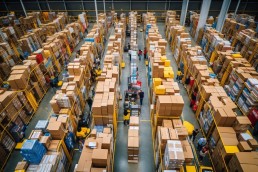
Ecommerce requires efficient and responsive logistics systems capable of handling high volumes of smaller, individualised orders as opposed to traditional bulk shipments. This shift necessitates advanced warehouse management systems and robust last-mile delivery solutions.
Fulfilment speed remains a top priority as customer expectations soar. Retailers face the challenge of providing rapid dispatch and real-time tracking while managing costs effectively.
To meet this demand, many adopt cloud-based software, which offers scalability and accessibility vital for inventory management in an increasingly competitive online retail marketplace. Coupled with cutting-edge automation technology, companies aim to equip themselves with tools that mitigate risks associated with fluctuating ecommerce trends and consumer behaviour changes, ensuring resilience within their value chains.
Customer-Centricity
Supply chain leaders are recognising the critical role of customer-centricity to remain competitive. Investing in customer data analytics is essential for understanding and predicting consumer behaviour, enabling supply chains to adapt swiftly to shifting demands.
This focus on the customer experiences ensures that businesses can provide personalised services, enhancing satisfaction and loyalty. Innovations such as the supply chains operations, the supply chain statistics, robotics and automation streamline operations, directly influencing the speed and accuracy with which customers receive products.
Moreover, government regulations are calling for increased transparency and sustainability in supply chain emissions SCM processes. These changes reflect a wider trend towards meeting customers’ ethical standards while ensuring resilience in supply chains.
With the rapid advancement of technologies like 5G catalysing connections across billions of IoT devices, benefits include faster communication speeds and improved service quality – all centred around the end-user’s needs.
Effective inventory balancing through refined just-in-time systems also prioritises availability, minimising backorders to maintain trust with consumers.
Moving forward into customisation strategies opens up additional avenues for creating value within supply chains – transition seamlessly now from considering customer-centric approaches to supply chain topics exploring how tailoring products can further elevate consumer engagement.
Customisation
In the dynamic world of supply chain management, customisation of customer experience is no longer a luxury it’s a necessity. Directors are recognising that tailoring products and services to meet specific customer needs is crucial to stay competitive.
Modular and composable models have risen in prominence, aligning with the agility trend that dominates strategic planning. Such flexibility enables companies to react swiftly to changing demands and preferences without compromising on efficiency or speed.
Harnessing advanced automation technologies has become central to delivering this personalisation at scale. Cognitive operations run by AI and machine learning are transforming supply chains into smart ecosystems capable of touchless, autonomous functioning.
These innovations empower directors to offer bespoke solutions that cater precisely to their customers’ evolving needs while maintaining optimal workflow and minimising human error – laying down the path for more adaptive, responsive supply chain strategies moving forward.
Internet of Things (IoT)
While customisation offers unique products to customers, the Internet of Things (IoT) brings a game-changing element to supply chain management by also enabling companies an unparalleled level of connectivity and visibility.
Supply chains are increasingly adopting IoT technologies, leading to “touchless” data management through devices like wearables. These innovations not only enhance efficiency but also reduce manual effort by automating data collection and tracking assets in real-time.
Leveraging IoT within your operations can transform how you monitor goods and equipment, eliminating many labour-intensive manual processes. Imagine a world where every item in your inventory is connected, offering instant insights into location and status – this is what IoT makes possible.
The integration with business analytics software ensures that these insights lead to informed decision-making, pushing your supply chain towards optimal performance while cutting costs significantly.
Cloud-Based Solutions
Cloud-based technology solutions are transforming supply chain management by providing scalable and flexible platforms. These powerful tools enable companies to innovate more quickly, with cloud computing becoming the backbone of modern supply chain software.
Real-time data analytics, enhanced collaboration across different regions, and streamlined operations are now possible thanks to these advancements in technology support artificial intelligence.
Supply chains leverage the cloud for a wide range of applications, from inventory management to demand forecasting. This shift allows managers to make swift decisions based on accurate information and significantly improves efficiency within their systems.
Cloud services also provide robust cybersecurity measures vital in protecting sensitive data against breaches as we move towards an increasingly digital world. Next up is how advanced automation plays a crucial role in optimising SCM processes.
Advanced Automation
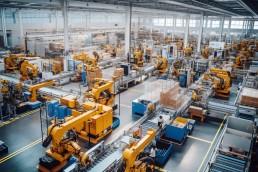
Advanced automation is transforming the supply chain industry at an unprecedented pace. The near tripling of robotics and supply chain automation adoption over the next five years represents a pivotal shift in supply chain threat towards addressing critical labour shortages and optimising operational efficiency.
Autonomous mobile robots are streamlining warehouse operations, bringing about a new era in which handling demand surges becomes far more manageable.
Intralogistics robots epitomise this progression by enhancing warehouse processes, leading to faster throughput and improved capacity for peak periods. This leap in technology not only bolsters immediate process optimisation but also lays the groundwork for scalable solutions that can adapt to fluctuating market demands.
Directors recognising these advancements are positioning their companies at the forefront of competitive edge through smart investment in advanced automation systems.
Increased Visibility
Increased visibility in supply chain management is transforming how directors track and manage their operations. Real-time data analysis boosts end-to-end transparency, allowing for more informed decision-making at every stage.
Directors can now pinpoint inefficiencies, anticipate problems before they escalate, and respond swiftly to real-world events affecting the business partners entire supply chain.
Leveraging technologies such as IoT devices and cloud-based solutions ensures that inventory levels are continuously monitored, leading to optimised stock reserves. With AI-driven software providing actionable insights on demand patterns, companies adapt their strategies effectively – minimising overstocking costs or understocking risks.
Embracing this trend positions businesses to navigate the complex details of government regulations on sustainability while keeping ahead in a competitive market.
Improved Forecasting
Advancements in forecasting are revolutionising supply chain management. Directors now have access to tools that predict demand more accurately, allowing for smarter inventory control and reduced waste.
With the help of artificial intelligence (AI) and predictive analytics, companies can analyse vast amounts of data to anticipate market trends. This level of insight enables organisations to adjust production schedules proactively, optimise stock levels, and avoid overproduction.
Harnessing the power of machine learning (ML), businesses refine their forecasting models continuously. Real-time data feeds from IoT devices across the supply chain provide a dynamic picture of what’s happening on the ground.
Companies are turning uncertainties into actionable strategies by integrating innovative technologies with traditional forecasting methods. Moving beyond historical sales data analysis means decision-makers can confidently navigate ever-changing market conditions with precision.
AI and Machine Learning
AI and machine learning are revolutionising supply chain management by integrating intelligent software solutions. These new technologies will enhance various facets of the supply chain ecosystem, from sourcing to inventory management to logistics.
Machine learning algorithms process vast data sets, predict trends, and optimise routes with precision, greatly increasing operational efficiency.
Companies that implement AI-driven systems enjoy a competitive edge thanks to actionable insights that drive decision-making in real-time. This tech trend is pivotal for improving forecasting accuracy and minimising logistical snags, bolstering bottom lines through smarter resource allocation and reduced waste.
Embracing these innovations is critical for staying ahead in today’s fast-evolving marketplace.
The Future Trends in Supply Chain Management: Predictions

As the supply chain landscape continues to evolve, there will be a revolutionary shift towards more integrated, smart technologies that redefine how businesses manage their end-to-end operations – delve deeper into our insights to stay ahead of the curve.
Blockchain
Blockchain technology is transforming supply chain management, delivering unmatched transparency from origin to delivery. Picture a world where tracking an item’s journey is as clear as checking your email – this is the power of Blockchain.
It revolutionises how we handle transactions by reducing complexity and eliminating the need for piles of paperwork, making operations not just faster but also more secure.
Imagine each product with a story that’s visible to everyone involved; no hidden steps, no muddy waters. With Blockchain, every transaction gets recorded chronologically and publicly.
This enhanced visibility leads to better decisions and stronger risk assessment and more risk management within the supply chain realm. The ever-growing need for accountability in distribution networks finds its answer in Blockchain’s ability to deter fraud and improve material tracing while securing data like never before.
Directors should take notice: adopting blockchain isn’t just staying current – it’s leaping towards future-proofing operations in this rapidly evolving industry landscape.
Digital Supply Chain Twins
Moving from blockchain’s potential in enhancing the supply chain organisations’ transparency and security, Digital Supply Chain Twins stand out as a key innovation. These digital replicas create an exact model of your physical supply chain in a virtual space.
They harness real-time data collected by IoT devices to mirror every aspect, from production to delivery. This technology allows companies to visualise complex processes and predict outcomes with remarkable accuracy.
Digital supply chain twins enable directors to make informed decisions before implementing real-world changes. By integrating AI-powered software solutions, these twins offer intelligent sourcing, efficient inventory management, and optimised logistical routes.
The level of detail provided helps businesses identify inefficiencies swiftly and empowers them with the agility to respond proactively to supply chain disruptions or demand fluctuations. With such tools at your disposal, strategies can be crafted that push the boundaries of traditional supply chain management towards a future where responsiveness and precision drive competitiveness.
Supply Chain as a Service (SCaaS)
Supply Chain as a Service (SCaaS) is reshaping how companies approach their logistics and operations, offering their alternative suppliers an outsourced model that can handle everything from manufacturing to shipping and inventory management.
This innovative service enables businesses to tap into sophisticated supply chain capabilities without the hefty investment required for in-house systems. With SCaaS, directors can expect not just cost savings but also enhanced operational efficiency, making it a smart choice for those aiming to stay at the forefront of market trends.
The trend toward adopting SCaaS comes from a growing need for flexibility in managing increasingly complex supply chains. Predictions point towards this model playing a significant role in the supply chain of tomorrow, as it provides firms with the agility needed to quickly adapt to new challenges and opportunities.
Investing in SCaaS means leveraging cutting-edge technology like cloud-based solutions and advanced automation; these tools help streamline processes, making them more responsive to consumer demands and variable market conditions.
It’s clear: embracing SCaaS could be pivotal in optimising your company’s future supply chain strategy.
Circular Supply Chains
Circular supply chains mark a significant leap towards environmental, social, and governance (ESG) goals by redefining the lifecycle of products. Contrary to traditional linear models that end with disposal, most circular supply chain strategies focus on recycling materials for reuse within the production process.
This shift not only conserves resources but also aligns with growing regulatory demands for sustainable operations. Companies are increasingly recognising the value in this model as it mitigates waste and fosters long-term economic viability.
Embracing a circular approach requires innovation in reverse logistics – a move towards renewing and recycling materials rather than discarding them. Advanced analytics play a pivotal role here, providing insights to optimise every stage of the supply chain for minimal waste.
These systems generate improved forecasting that leads to more efficient resource allocation while ensuring compliance with sustainability mandates. As businesses steer away from linear practices, they invest not just in their future resilience but in contributing positively to a greener global economy.
5G Networks
5G Networks are setting the stage for transformative changes in supply chain management. With their promise of faster speeds and lower latency, these networks will enable more efficient operations and data-driven decision-making.
Real-time response capabilities become a reality, revolutionising how directors manage logistics, monitor assets, and predict trends in operations management.
Imagine a world where every device in your supply chain talks to each other seamlessly; that’s the digital leap 5G promises. From warehouse automation to precision tracking of goods, 5G’s impact is substantial – it enhances IoT integration across countless devices.
This network doesn’t just connect things quicker; it paves the way for innovative services and products through unprecedented connectivity. Directors can expect significant investments as they shift towards comprehensive digitisation supported by robust 5G infrastructure.
Challenges Facing Trends in Supply Chain Management

Dealing with the unpredictability of market demands and inflation, supply chain managers must navigate a labyrinth of changing variables to maintain efficient operations. Labour shortages continue to strain systems, requiring innovative workforce solutions and enhanced process automation strategies to keep up with heavy demand.
Disrupted logistics networks further complicate delivery schedules, demanding flexibility and robust mitigation plans. Extreme weather events exacerbate these issues, emphasising the need for resilient infrastructure that can withstand unexpected disruptions.
Incorporating government regulations into SCM practices presents another layer of complexity as directors must ensure compliance while striving for operational efficiency. Balancing inventories has become more intricate due to fluctuating consumer behaviour; this necessitates sophisticated forecasting tools capable of handling such variability.
With cyber security threats looming over every other digital transformation and advancement, safeguarding data integrity is paramount for seamless supply chain planning and integration across platforms – from automated warehouses equipped with robotics to complex databases overseeing inventory levels.
The burden of rising raw material costs multiple suppliers also cannot be ignored, making cost optimisation an essential focus area within SCM strategies going forward.
Conclusion – Trends in Supply Chain Management
Trends in supply chain management shape the way companies strategize and operate. The shift towards agility, sustainability, and technological adaptation is clear as industry leaders navigate through volatility and market demands.
Forward-thinking strategies now integrate IoT, AI, and other advanced analytics capabilities to stay ahead of the curve. Directors must keep their fingers on the pulse of these changes to ensure future success.
Embracing innovations will pave the path for more resilient and efficient supply chains in years to come.
FAQs – Trends in Supply Chain Management
1. What are the latest trends in supply chain management?
Some of the leading trends include implementing digital twins for forecasting, using drones and IoT devices to automate processes, embracing nearshoring or reshoring strategies, adopting enterprise resource planning (ERP) software, and focusing on environmental, social and governance (ESG) factors.
2. How will digital twins impact supply chain operations?
Digital twins can create virtual models of supply chains allowing managers to simulate scenarios, predict maintenance issues and optimise resources before applying changes to real-world operations.
3. Is sustainability a big focus in SCM today?
Yes! Supply chain sustainability is becoming critical with businesses aiming to reduce their environmental impact through recycling programmes and managing scope 3 emissions while also fulfilling their ESG commitments.
4. Will we see more robotic process automation in future supply chains?
Definitely! Robotic process automation is set to transform supply chains globally by streamlining various tasks such as inventory management, thereby increasing efficiency and reducing errors.
5. Are companies moving manufacturing closer to home?
There’s an emerging trend called nearshoring or reshoring where companies move production nearer consumers or back home which promises faster delivery times and reduced logistics costs amidst global uncertainties like the supply chain crisis.
6. What role does technology play in modern SCM strategies?
Advancements such as SaaS subscriptions for ERP systems, edge computing that speeds up data processing at local levels, omnichannel retailing fusing e-commerce with physical stores, prescriptive analytics guiding decision-making processes all highlight tech’s crucial role in evolving today’s supply chain management industry.
And there's more...