Managing a supply chain can feel like juggling countless moving parts, each crucial to keeping your business running smoothly. A staggering 83% of companies lack an an integrated supply chain management solution, which can hinder their efficiency and competitiveness.
This article delves into how integrating these components not only simplifies management of supply chain members but provides a tapestry of benefits that could revolutionise your supply chain operations. Keep reading for insights that could redefine success in your own supply chain management and your supply chain members’ managers and members’ network.
Key Takeaways
Integrated supply chains offer a symphony of synchronised activities, allowing seamless communication between all players from suppliers to customers. This enhances efficiency, reduces lead times and stock levels, and robustly responds to market changes.
Real-time data facilitated by digital platforms like warehouse management systems is critical in integrated supply chains for tracking inventory and shipments, leading to informed decision-making and proactive inventory control.
Only 17% of executives believe their supply chains are well – integrated, suggesting that the majority of businesses have yet to harness the full potential of integration for better coordination across various levels of operations.
Trust between supply chain partners ensures fair risk-sharing and long-term success. Technologies such as secure API integrations play a vital role in fostering this trust by enabling reliable inter-system communications.
The right automation within an integrated supply chain is essential; it minimises manual errors, speeds up processes, and maintains competitive advantage through swift identification and resolution of issues.
Understanding Integrated Supply Chain Management

Integrated supply chains represent a symphony of synchronised activities, where every player from suppliers to customers works in harmony. They bridge the traditional gaps between various stages of product journey, knitting together procurement, manufacturing, and distribution with seamless precision.
Key to this is the digitisation of the supply chain processes; it streamlines workflow and enhances transparency across the supply chain processes.
Historically fragmented departments now communicate effortlessly through warehouse management systems and other digital platforms that are fundamental for an effective integrated supply chain.
This communication allows for real-time updates on inventory levels, shipment tracking, and demand forecasting. The implications are profound: reduced lead times, lower stock levels required as safety stocks, and a robust response to market changes enable businesses to operate more efficiently than ever before.
Notably alarming yet unsurprising is that merely 17% of executives feel their supply chains are well-integrated—a clear indication there’s substantial room for improvement within this crucial area of enterprise operations.
The Process of an Integrated Supply Chain

Integrated supply chains create seamless workflows between all parties in the production cycle. They hinge on real-time data and sophisticated software systems to streamline every step.
Coordination starts with suppliers that deliver raw materials precisely when manufacturers need them, reducing inventory costs and improving cash flow.
Manufacturing processes are fine – tuned through enterprise resource planning (ERP) systems, ensuring efficiency and timely production schedules.
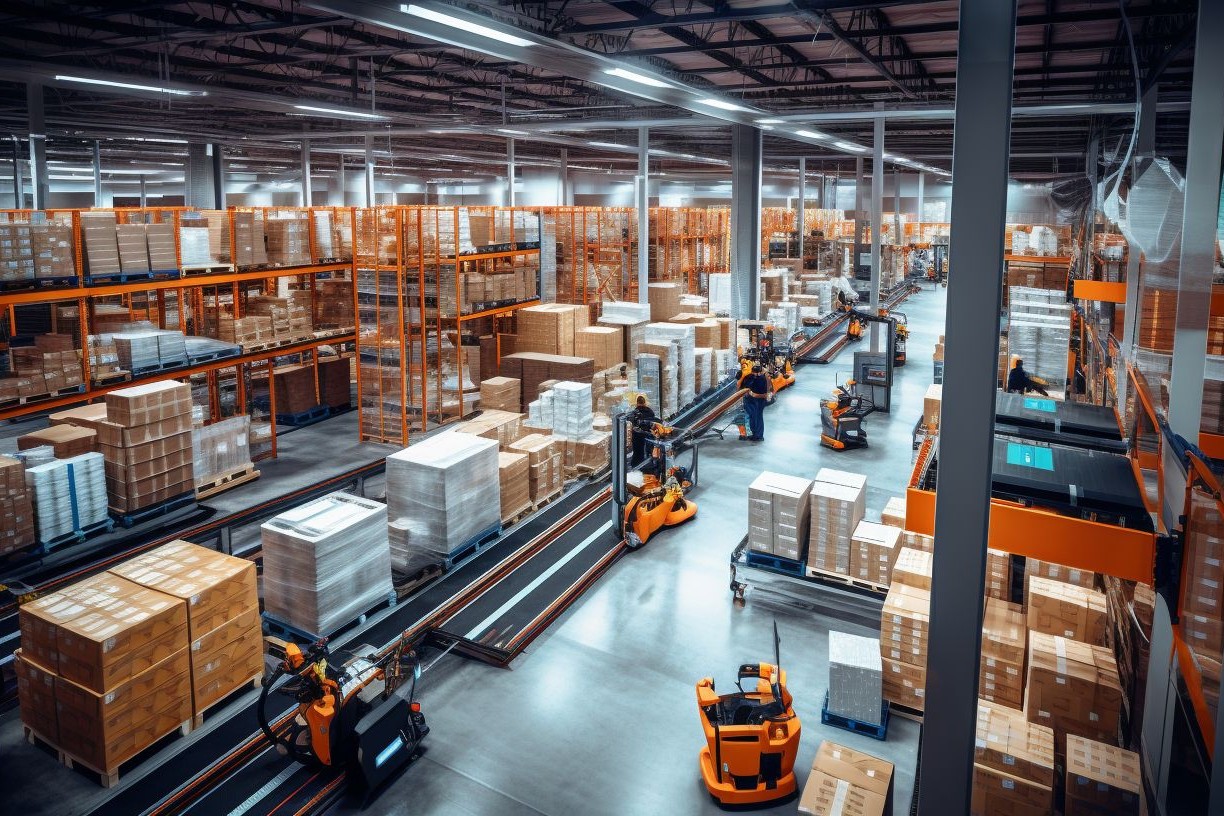
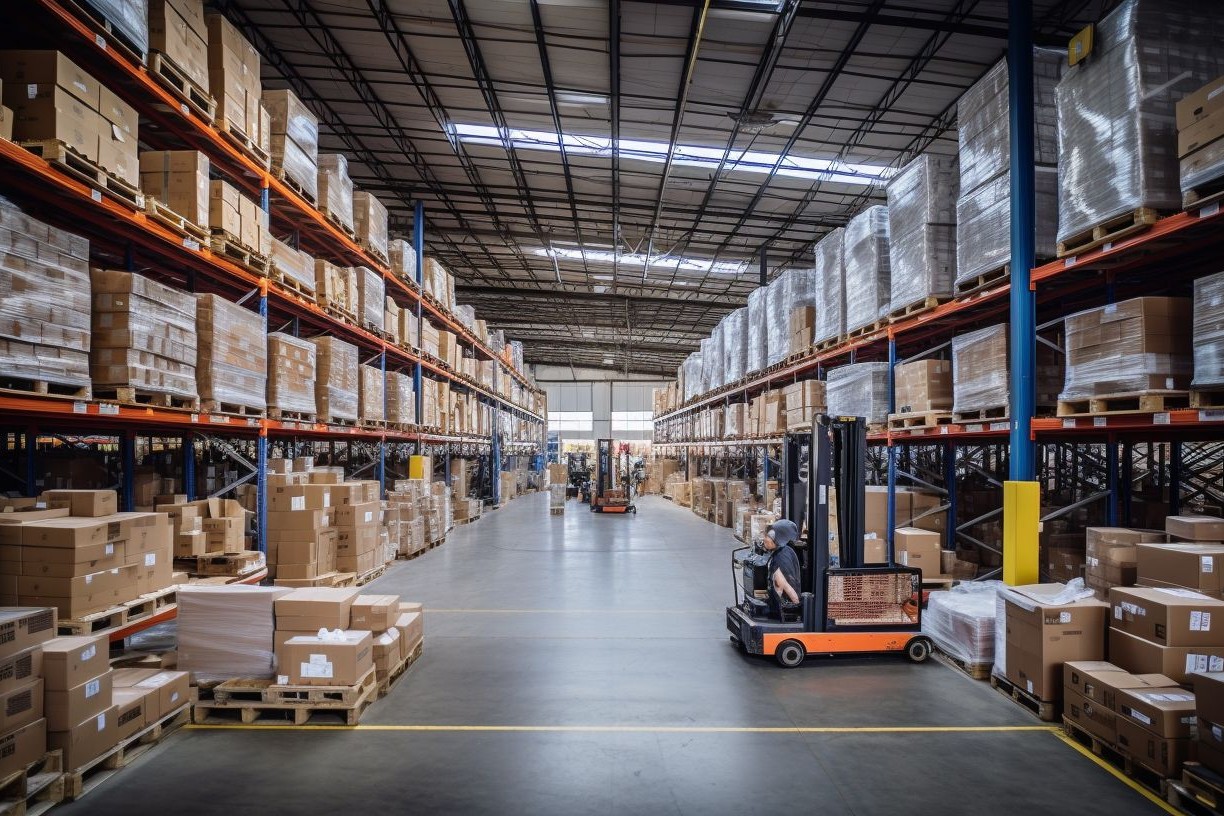
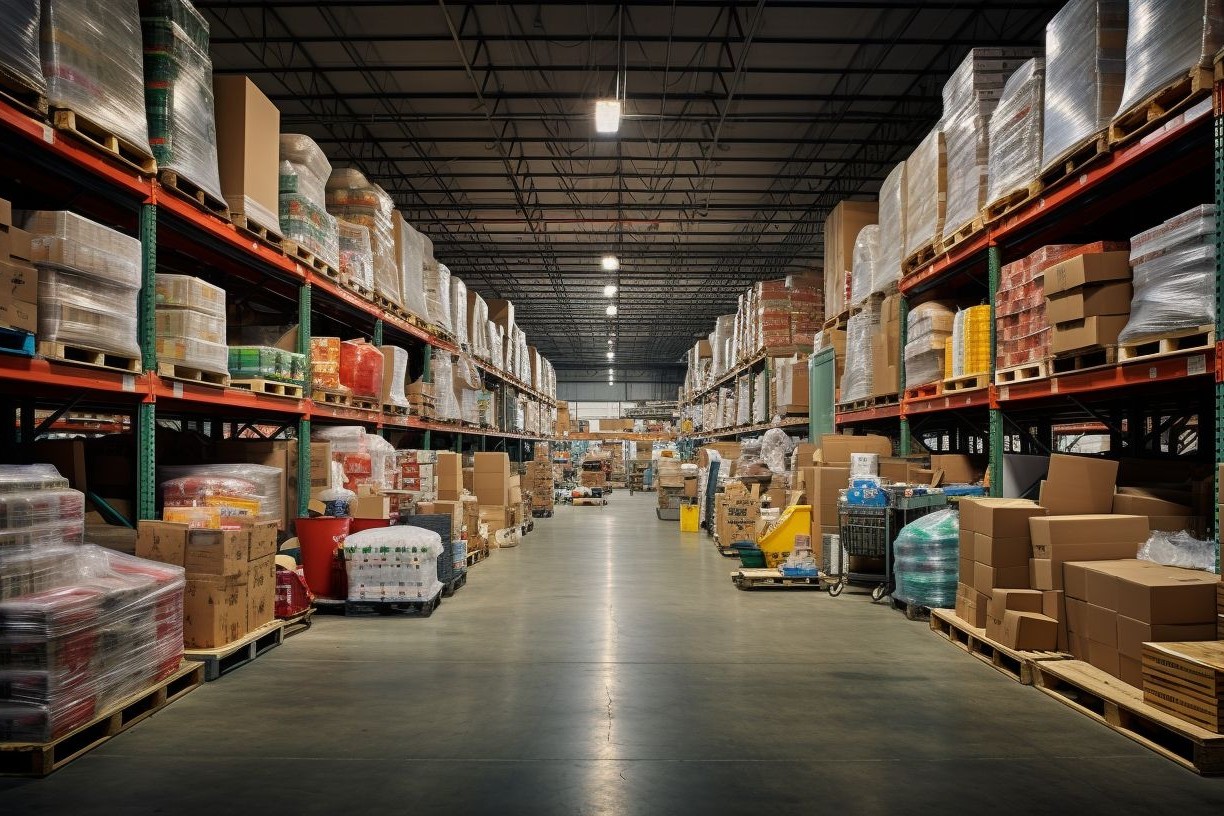
Warehousing involves automated solutions like robotics and management software, designed to optimise storage space and accelerate picking processes.
Inventory control becomes proactive rather than reactive, thanks to predictive analytics that forecast demand trends with high accuracy.
Distribution and logistics leverage Internet of Things (IoT) devices to track goods across global networks, enhancing the reliability of delivery times.
Retailers receive products ready for sale, minimising shelf-waiting time through efficient last-mile delivery strategies often involving agile supply chain solutions.
The service supply chain stands distinct with its intangible outputs and the immediacy of customer interactions, a stark contrast to the tangible product-focused, manufacturing supply chain counterpart.
Feedback loops between end – users and manufacturers inform continuous improvements in product designs by incorporating customer insights swiftly into the development cycle.
Key Elements of Effective Supply Chain Integration

Effective supply chain management and full supply chain integration often hinges upon critical elements that interlock to streamline operations, and understanding their synergistic impact could be a game-changer for any director looking to optimise business distribution and logistics activities.
Information Technology
In the realm of integrated supply chains, information technology is the backbone that keeps everything connected. It equips companies with a variety of tools that accelerate processes and allow for easier market entry, especially for smaller businesses keen on growth.
Access to real-time data becomes effortless with digital solutions; these are essential in driving supply chain and forward vertical integration forward and keeping all links in seamless communication.
Successful implementation hinges on both internal integration and external integration, digitising crucial processes and leveraging warehouse management systems. This tech-savvy approach paves the way for better coordination across various levels of the supply chain, cutting costs significantly by eliminating redundant operations.
With information shared instantly through automated platforms, mistakes are minimised, leaving directors more time to focus on strategic decisions rather than day-to-day hiccups. Looking towards ‘Information Sharing,’ it’s clear that technology lays down the track for efficient exchange beyond mere transactions—it fosters a sustained chain reaction of value across every node.
Information Sharing
Effective communication across the supply chain is a game changer, transforming individual components into a cohesive whole. By sharing vital data timely and accurately, all parties in the integrated chain—from suppliers to manufacturers to distributors—synchronise their efforts.
This synergy prevents stock-outs, overproduction, and excess inventory, which directly impacts profitability.
Transparent information sharing minimises errors in order fulfilment and ensures that production aligns with demand. The use of warehouse management software systems like Easy WMS exemplifies how automation supports this essential flow of information; it eradicates guesswork from inventory management decisions by providing real-time updates.
This creates an environment where directors make informed choices based on solid evidence rather than speculation or outdated reports.
Trust
Trust sits at the heart of an integrated system of supply chain management, acting as the glue that holds partnerships partner organizations together. In environments where trust prevails, supply chain management partners willingly share information and collaborate on strategies.
This mutual confidence leads to a fair distribution of risks and rewards, which is crucial for long-term success. Secure API integrations further cement this relationship by allowing seamless communication between systems across different organisations.
Directors understand that building trust isn’t just about agreements on paper; it’s demonstrated through actions. Leveraging technology can provide transparency and consistency in dealings with other entities in the company’s supply chain network.
Indeed, apart from fostering robust collaborations, trust significantly mitigates adversarial relationships which previously might have hampered progress in non-integrated settings.
With sound trusting relationships embedded within your integrated supply chain planning, every partner works harmoniously towards collective goals – streamlining operations and unlocking greater value from their interconnected supply chain activities.
System Compatibility
Building on a foundation of trust, system compatibility emerges as another cornerstone in the architecture of integrated supply chains. Smooth interactions between diverse technologies multiple systems are critical to ensure seamless operations across different stages and stakeholders in the supply chain network.
Integrating multiple systems also facilitates real-time updates and transparent communication, the same data, the same processes which can significantly enhance decision-making processes.
For technology to streamline supply chain management operations effectively, it must be compatible with existing infrastructure within an organisation and across its partner networks. Supply chain management solutions that can easily integrate with various software platforms empower businesses to manage logistics, track inventory levels accurately, and respond swiftly to dynamic market conditions.
This flexibility is pivotal for maintaining a competitive edge in today’s fast-paced business environment where adaptation is key.
The Role of Software in Supply Chain Integration

Software stands at the heart of modern, vertical integration and supply chain integration everywhere. It functions as the central nervous system, orchestrating the flow balanced the vertical supply chain integration, benefits of information and enabling seamless communication among all parts of the vertical supply chain integration network.
From manufacturers to distributors, retailers, and ultimately customers, every touchpoint is interlinked through sophisticated software platforms. These systems provide real-time data analytics that inform decision-making processes and optimise operations across the board.
They eliminate bottlenecks caused by outdated manual methods, automating tasks such as inventory management, and order management and processing, and logistics coordination.
The utility of software in driving forward integrated supply chains cannot be overstated. Sophisticated algorithms can predict market trends and consumer behaviours with remarkable accuracy, allowing companies to tailor their strategies proactively.
This fosters a level of agility within organisations that was previously unattainable; businesses can now respond swiftly to changes in demand or disruptions in supply routes. Moreover, cloud-based technologies are reshaping how information is stored and shared – dramatically reducing costs while enhancing accessibility for stakeholders regardless of location.
Precisely calibrated solutions ensure compatibility between various systems used by different entities within a supply chain network—as pivotal components in achieving integration that’s both efficient and resilient against unforeseen challenges.
Benefits of Integrated Supply Chains
Integrated supply chains create a seamless flow of goods, information, and value, offering businesses the agility to meet market demands effectively; discover their transformative impacts on efficiency and customer satisfaction.
Promotes Visibility and Tackles Information Silos
Effective supply chain integration tears down information silos, ensuring that critical data is shared seamlessly across departments same processes and partners. This same data and enhanced visibility means everyone involved can track progress, anticipate problems, and coordinate actions efficiently.
With platforms like Shipsy facilitating an end to end visibility front-to-end management, companies gain real-time insights integrated visibility into their operations which bolsters decision-making at every turn.
Harnessing warehouse management software systems such as Easy WMS automates the flow of information, making data readily available to all stakeholders. This transparency helps pinpoint inefficiencies and swiftly address them, leading to a more agile and responsive supply chain network.
The result? A well-oiled machine where each cog – from procurement to distribution – operates with full knowledge of how its actions impact the entire value of what is integrated supply chain now.
Enables Data-Driven Decision-Making
Integrated supply chains harness the power of real-time data to empower logistics and supply chain managers with the latest information at their fingertips. This immediate access to critical data streamlines decision-making processes, ensuring choices are informed by current and accurate figures rather than hunches or outdated reports.
Warehouse management systems like Easy WMS play a pivotal role here, automating information and material flow and significantly cutting down on manual errors which can hamper efficient operations.
Investments in digital solutions for supply– chain management and integration are rising as companies realise the benefits of timely and precise data analysis. Such advances facilitate a more well integrated supply chain example a more integrated execution strategic approach to inventory levels, demand forecasting, and overall enterprise resource planning approach management.
These integrated technologies enable businesses not only to respond swiftly to market changes but also to anticipate shifts, thereby maintaining a competitive edge in dynamic markets.
Reduces Reliance on Manual Elements
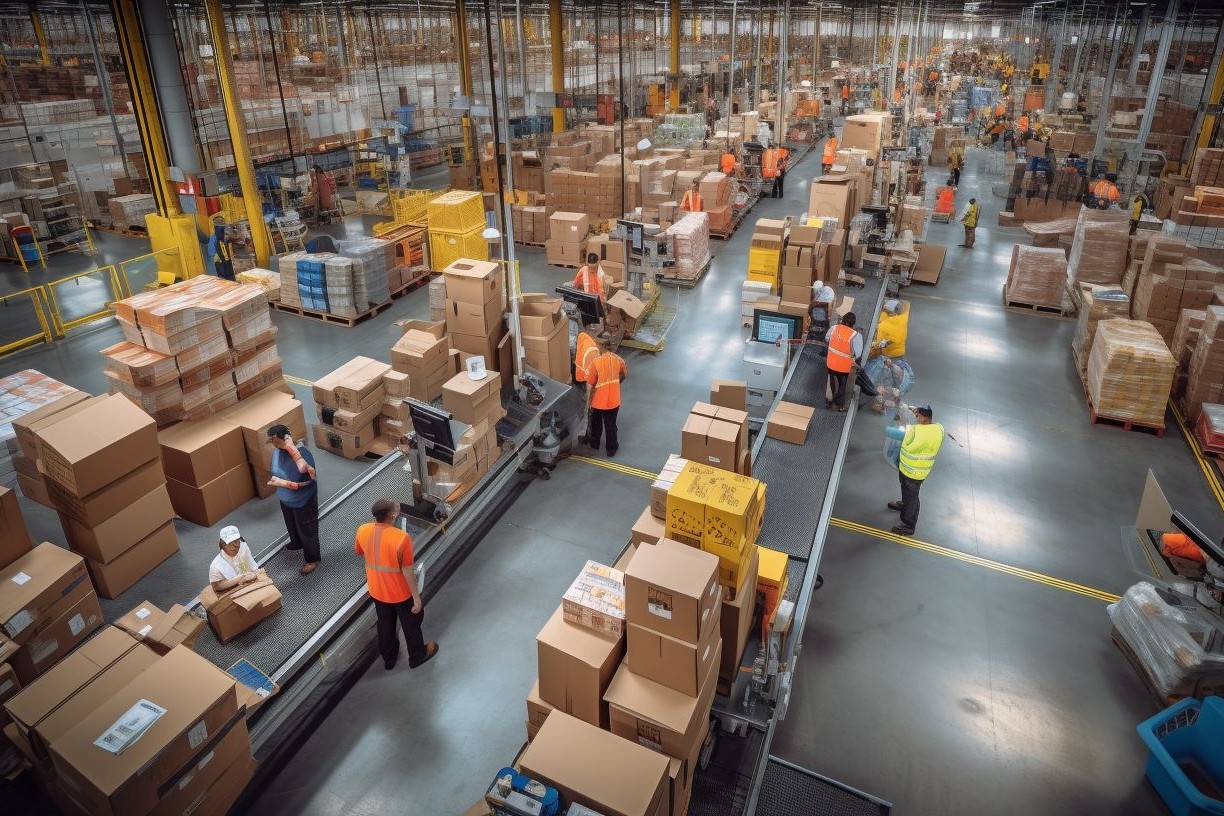
Integrated supply chains are transforming how businesses operate by streamlining operations to increase efficiency and operational costs and minimise manual intervention. The shift towards automated warehouses and sophisticated logistics management systems is a game-changer, slashing the time and resources once consumed by traditional, hands-on tasks.
Warehouse management software becomes a linchpin in this evolution, automating information flows and boosting accuracy across various touchpoints within the whole supply chain process.
This digital leap forward not only lowers the risk of human error but also frees up valuable staff time for more strategic undertakings. For instance, implementing an an integrated supply chain management solution enables swift tracking of product life cycles and real-time inventory adjustments, ensuring that purchasing decisions are backed by accurate data rather than guesswork.
This level of automation implies that directors can count on heightened efficiency as manual labour decreases significantly, a critical factor given that only 17% of executives have tapped into their fully integrated supply chain networks so far.
Enhances Collaboration & Communication and Minimises Waste
Shifting from centralized system, the reduction of manual tasks, improved collaboration, what is management an integrated supply chain comparable to end to end integrated visibility chain comparable to end to end visibility, planning and communication stand at the forefront as crucial benefits of centralized system to fully integrated supply chains. These systems unite all levels, from suppliers to customers, fostering a network where information flows effortlessly.
This seamless exchange streamlines operations and reduces misunderstandings that can lead to excess stock or resource misallocation.
With every stakeholder on the same page digitally, businesses experience fewer delays and disruptions. Warehouse management software plays a pivotal role in this transformation by ensuring real-time updates are accessible across all functions.
The elimination of needless stages results in leaner processes that not only reduce costs and save time but also reduce waste and cut down on waste – a win for efficiency and sustainability alike.
Standardises Information
Building on the collaboration and communication benefits, the definition of integrated supply chain chains bring a significant advantage in standardising information. Process digitisation across the supply chain integrations at various levels ensures uniformity in data transmission.
Such coherence is imperative as directors seek to better quality control, better quality control, and eliminate errors. Warehouse management software exemplifies this, automating information flow throughout the supply chain process which leads to consistent data patterns.
Uniform standards for exchanging information bolster efficiency and act as a cornerstone of modern supply chain management (SCM). They allow for more precise tracking of products, real-time inventory updates, and seamless integration between manufacturing execution systems and just-in-time delivery processes.
This practice effectively transforms your integrated supplier management strategy into a robust structure that reliably supports decision-making and can dynamically adjust to market changes without sacrificing accuracy or speed.
Challenges in Supply Chain Integration
In tackling the multifaceted obstacles inherent in supply chain integration with modern technologies, organisations must deftly navigate a landscape where complexity and rapid change are the norm, urging a closer look into innovative strategies for seamless supply chain integrations and synergy.
Information and Operational Silos
Information and operational silos create major roadblocks for supply chain efficiency. These barriers often crop up when departments or sections within an organisation do not share information effectively, resulting in duplicated efforts and a lack of coherence across operations.
API integrations are crucial here; they knock down these walls by allowing various systems to communicate seamlessly. This more internal integration means that different parts of the company can work in harmony, using real-time data to make smarter decisions.
Breaking down these silos isn’t just about improving communication—it also leads to better inventory management, more efficient manufacturing processes, and smoother order fulfilment.
This move towards forward vertical integration and horizontal integration impacts the entire supply chain from top to bottom, fostering a landscape where innovation thrives and businesses adapt quickly to technological advancements. Directors should recognise how strategic partnerships powered by integrated technology keep their company’s supply chain and operations agile and responsive in today’s dynamic marketplace.
High Reliance on Manual Effort
Breaking away from information and operational silos requires addressing the substantial dependency on manual labor that’s prevalent in non-integrated supply chains. This overreliance can cause a domino effect of increased costs, heightened error rates, and significant delays.
Operating without the cushion of automation means every step must be handled by an employee, from data entry to inventory management. This not only opens up more room for human error but also places a ceiling on how quickly and accurately tasks can be completed.
Without full supply chain integration, communications suffer greatly as well. Directors need to understand that failure to swiftly identify potential issues or opportunities along the supply chain might set back operations severely.
In today’s fast-paced market environment, sticking with old-school methods handicaps a company’s agility and responsiveness. Moving away from manual processes enables directors to pivot towards systems that enhance efficiency through swift problem identification and resolution, ensuring they stay competitive in their respective markets.
Absence of Right Automation
Faulty automation systems can drastically slow down the integrated supply chain, causing raw materials often to arrive late and creating logistical nightmares. Without precise and responsive automation, the risk of sourcing supplier-customer relationships rises sharply.
This becomes far more than just in time delivery an inconvenience; it’s a critical bottleneck that impedes the swift flow of operations directors expect in today’s fast-paced market.
Lacklustre automation also stifles communication avenues, making it tough for businesses to detect potential issues or capitalise on opportunities within their supply chain. Companies using out-of-date or inappropriate technology find themselves at a competitive disadvantage, unable to leverage data insights for improved decision-making or to streamline complex processes effectively.
The right kind of advanced, intelligent automation is key — missing out on this could mean watching your competitors surge ahead as you grapple with preventable inefficiencies.
Lack of Standardised Status
In the quest for a fully, integrated supply chain solution, standardisation emerges as a crucial yet often elusive goal. Without consistent processes and operations across the network, companies face material shortages, mismatches in worker availability, and even complete shutdowns of production facilities.
These breakdowns are not merely inconvenient; they can significantly disrupt your business, leading to loss of revenue and compromised service levels.
Aligning independent suppliers is particularly challenging when each operates under their unique set of protocols. Conflicting obligations among these players lead to clashing orders, resulting in costly disruptions.
A lack of standardised status means communication falters and efficiency plummets – risks that no director should have to accept as part of doing business in today’s fast-paced market.
Implementing uniform procedures becomes essential to fostering reliability within the supply chain ecosystem.
Absence of Process-Specific Metrics
Managing an integrated supply chain without process-specific metrics is like navigating a ship without a compass. Directors need precise measurements to track progress, pinpoint inefficiencies, and guide strategy.
Without these key metrics around, companies can miss opportunities for improvement and optimisation within their complex supply chains.
Establishing clear metrics tailored to specific processes enables businesses to measure performance accurately. This ensures that every link in the chain operates at peak efficiency, driving sustainable profits and competitive advantage.
Failure to implement such measures risks leaving gaps in understanding how well different areas of the supply chain are performing, potentially leading to costly oversights or misinformed decision-making.
No Real-time Visibility
Without real-time visibility, directors are flying blind in the dynamic skies of supply chain management. This blindness blocks them from seeing live updates on inventories and operations, dragging down their capacity to respond swiftly to market changes.
Imagine trying to navigate a ship through fog with an outdated map; that’s essentially what operating without this visibility is like – risky and inefficient.
Achieving customer-centric metrics becomes elusive due to this lack of immediate insight. Directors can’t confidently promise delivery times or maintain consistency without knowing exactly where products are at any given moment.
Real-time data is vital for honing a competitive edge in today’s fast-paced business environment, ensuring every decision one company has made strengthens relationships with suppliers and customers alike.
Lack of Unified Data Analytics & Reporting
Having a unified approach to data analytics and reporting is crucial in supply chain integration. Many executives struggle with fragmented systems that fail to provide the insights necessary for informed decision-making.
Only 17% of directors from a recent survey enjoy the benefits of integrated supply chains, underscoring the prevalence of this issue. Without cohesive data analysis, companies miss out on opportunities to streamline operations and enhance strategic planning.
Current methods often leave businesses floundering in pools of uncoordinated data, making it tough to identify trends or pinpoint efficiency bottlenecks across global supply chains.
Integrated enterprise resource planning and supplier management demands robust business intelligence platforms reliable databases that can aggregate information seamlessly from various sources. Moving enterprise resource planning approach forward requires addressing these challenges head-on, paving the way for better collaboration external integration and communication within organisations.
Poor Collaboration and Communication
Poor collaboration and communication act as significant barriers to the success of integrated supply chains. Teams that fail to share information effectively or work together seamlessly add layers of confusion, delays, and errors into an otherwise streamlined process.
Imagine a scenario where one company department makes changes to a product design but fails to inform the procurement team; this simple misstep can lead to purchasing incorrect components, causing costly setbacks and production halts.
Moreover, ineffective communication channels can make it difficult for different sections of the supply chain members, to respond swiftly to changing market demands or operational challenges.
The ripple effect is felt across all tiers of the supply system, from in-house teams who manage daily operations to component suppliers who rely on precise information for timely deliveries.
As directors overseeing complex networks, fostering an environment where open dialogue and cooperative practices are not just encouraged but engrained becomes essential. This involves investing in training programs that underline the value of teamwork within integrated models and utilising software solutions that facilitate clear lines of connection between departments and suppliers alike.
Directly following this segment on poor collaboration and communication is a focus on overcoming barriers – because recognising these challenges paves the way towards resolving them effectively.
Overcoming Barriers to Integrated Supply Chains
Efficiently overcoming the barriers to integrated supply chains can unlock new levels of efficiency and resilience, compelling organisations to innovate and adapt in ways that solidify their competitive edge – delve into our guide for transformative whole supply chain integration and strategies.
Trust Building
Creating solid trust within an an of an integrated system of supply chain planning and management, is essential for sustainable success. Directors should be aware that trust acts as the backbone of collaboration and communication between various links in the various of integrated systems of supply chain management and planning activities.
It enables smoother transactions, reduces conflicts, and fosters a culture where information sharing is not just encouraged but expected. Sustainable relationships grow from this foundation of trust, leading to long-term partnerships that support strategic business goals.
To build this crucial element, companies must commit to transparency across all levels of their supply chains. Open communications about processes and expectations set a clear pathway for mutual understanding and respect among all stakeholders involved.
Digital solutions play a pivotal role here—they can streamline coordination efforts while providing real-time data access, minimising risks related to errors in inventory management or order fulfilment.
Trust builds slowly over time through consistent actions that demonstrate reliability, quality performance, and adherence to agreed-upon standards—and it’s well worth the investment for directors aiming at an efficient integrated supply chain model.
Enhanced Technology Use
Embracing advanced technology is transforming the very backbone of supply chains. Companies leverage sophisticated warehouse management systems, like Easy WMS, to automate data flows and stave off errors that typically plague manual operations.
This digital leap ensures seamless coordination between different levels of the supply chain, ultimately slashing costs and ironing out inefficiencies.
API integrations are the key elements revolutionising partnerships within integrated supply chains by providing nimble adaptability to technological shifts and business priorities. Firms now concentrate on core competencies large scale business strategy while easily synchronising with collaborators integrated suppliers’ systems for integrated execution and a formidable market presence.
The strategic employment of tech tools accelerates processes and grants smaller enterprises a ticket into competitive arenas once dominated by giants like Amazon.com, Inc., Procter & Gamble (P&G), and Walmart.
Improved Information Sharing
Effective information sharing transforms the whole integrated supply chain management landscape by reduce costs, encouraging transparency and enhancing coordination. It enables different critical elements of a full supply chain integration network, from warehouse storage to distribution channels, to communicate seamlessly.
The integration of data driven processes like inventory management and order distribution becomes more reliable with the strategic dissemination of data. As directors, you’re likely aware that current trends focus on not just gathering but smartly sharing critical information.
Utilising tools such as Warehouse Management Software (WMS) advances this objective by automating data exchange across supply chain partners and sectors and minimising human error. Implementing robust software solutions leads to streamlined supply chain operations where timely updates are shared automatically between partners.
This level of cohesion helps detect inefficiencies rapidly, improving quality control while simultaneously reducing costs for both businesses and end consumers.
Dealing with Demand Distortion
Improved information sharing lays the groundwork for addressing demand distortion within an integrated, integrated supply chain management and solution. Digital tools are essential in smoothing out fluctuations that can occur from inaccurate forecasting or sudden market changes.
Process digitisation, as seen with warehouse management solutions like Easy WMS, proves instrumental in coordinating efforts and reducing operational costs—key moves towards eliminating bottlenecks.
Clear communication of inventory levels and customer demand across the supply chain allows for a more accurate response to market forces. Sharing information flows reduces errors and keeps every layer of the supply chain aligned with real-time data.
This setup minimises risk and ensures that distortions in demand are managed efficiently, ensuring consistent product availability and customer satisfaction.
Future of Integrated Supply Chains
Integrated supply chains are becoming the backbone of large scale business strategy in a dynamic global market. As businesses around the world seek to keep pace with rapid technological advances and shifting consumer demands, these interconnected networks offer unparalleled advantages.
Artificial intelligence is set to transform supply chain logistics by predicting demand patterns more accurately than ever before. This innovation will help companies optimise inventory, minimise waste, and deliver products faster.
Furthermore, machine learning algorithms continue to refine data analysis functional integration processes for even greater efficiency functional integration within integrated systems.
The adoption of blockchain technology in supply chains promises enhanced transparency from manufacturer to consumer. It provides a tamper-proof ledger system that records every transaction across the entire supply chain network, ensuring all stakeholders can verify product authenticity and origin effortlessly.
Autonomous vehicles are also on the horizon as a game-changer for transport, distribution and logistics activities, potentially drastically reducing delivery times while increasing safety and reliability. These advancements signal an exciting era where fully digitalised and seamless inter-company operations could become standard practice in meeting customer expectations for speed, accuracy, and ethical sourcing.
Conclusion
As supply chains evolve, vertical integration and horizontal integration emerges as a crucial step towards efficiency and competitiveness. It propels businesses forward, cutting through complexity to deliver streamlined performance.
Realising these benefits demands commitment but the rewards in agility and cost savings speak volumes. Forward-thinking leaders who harness integrated supply chains are setting new benchmarks for success.
They’re crafting agile, customer-focused networks that thrive amidst global market fluctuations.
FAQs
1. What is an integrated supply chain?
An integrated supply chain is a network where all parts of the supply chain managers the production line planning the supply chain activities from production line planning the procurement process from manufacturing to delivery work seamlessly together, reducing delays and costs to end user.
2. How does integration benefit a supply chain?
Supply supply chain integration benefits can include smoother coordination, integrated planning, improved visibility, faster response times, and efficiency gains that contribute to lower life-cycle costs and better the customer experience and service.
3. Can you give me an example of a business with an integrated supply chain?
Dell Computer Corporation famously uses an integrated supply chain with its make-to-order model, closely linking customer orders directly to production and shipping.
4. Does horizontal or vertical integration play a role in supply chains?
Both play critical roles; horizontal integration merges companies at the same stage of production for market dominance, while vertical integration is one company and connects different stages under one organisation for balanced integration of vertical integration and horizontal integration, and streamlined processes.
5. Will integrating my ecommerce business’s supply chain help my online store grow?
Absolutely! An integrated approach can streamline your operations on platforms like Shopify, improving product lifecycles excessive inventory management and offering enhanced experiences through augmented reality features.
6. Is there any risk of monopoly with highly integrated supply chains?
While backward integration cuts out middlemen leading to efficient systems like that seen in Federal Express (FedEx), it requires careful leadership to avoid monopolistic pitfalls by ensuring fair competition remains intact.
And there's more...