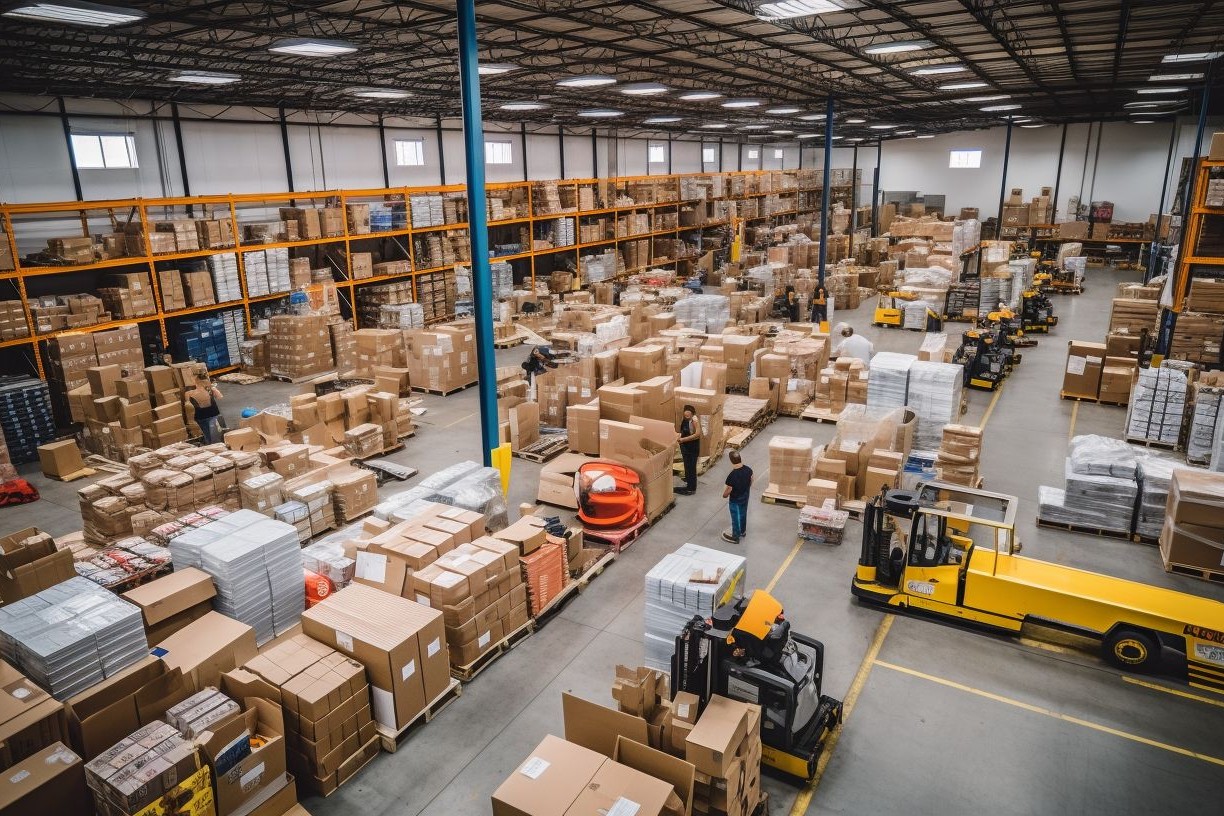
Managing a full warehouse management inventory can feel like juggling countless items at once, with the risk of dropping the ball on efficiency and customer satisfaction. With businesses losing around $1.75 trillion annually due to mismanaged inventory, it’s clear that more effective warehouse and inventory management tools and strategies are more than just beneficial; they’re essential.
This guide offers crystal-clear insights into sharpening your warehouse inventory software management tactics, ensuring your operations run smoother than ever. Read on for empowering strategies that will transform your warehousing inventory software game.
Key Takeaways
Implementing robust warehouse inventory management systems can dramatically reduce errors, save time, and lead to substantial cost reductions by automating processes like barcode scanning.
Adopting techniques such as ABC analysis, perpetual inventory management, and Economic Order Quantity (EOQ) optimises stock control and ensures resources are used effectively to maintain an efficient balance between capital investment and space utilisation.
Utilising real-time data through advanced technologies assists in making informed decisions that prevent overstocking or stockouts, ultimately leading to improved customer satisfaction through prompt fulfilment of orders without delay.
Safety stock inventory acts as a safety net against unexpected fluctuations in supply chain operations, ensuring the continuity of order processing even during high demand periods or supplier delays.
Streamlining warehouse layout optimisation leads to a more effective flow of goods from stocking to order fulfilment while implementing continuous tracking methodologies like batch tracking maintains quality assurance standards.
Understanding Warehouse Inventory Management

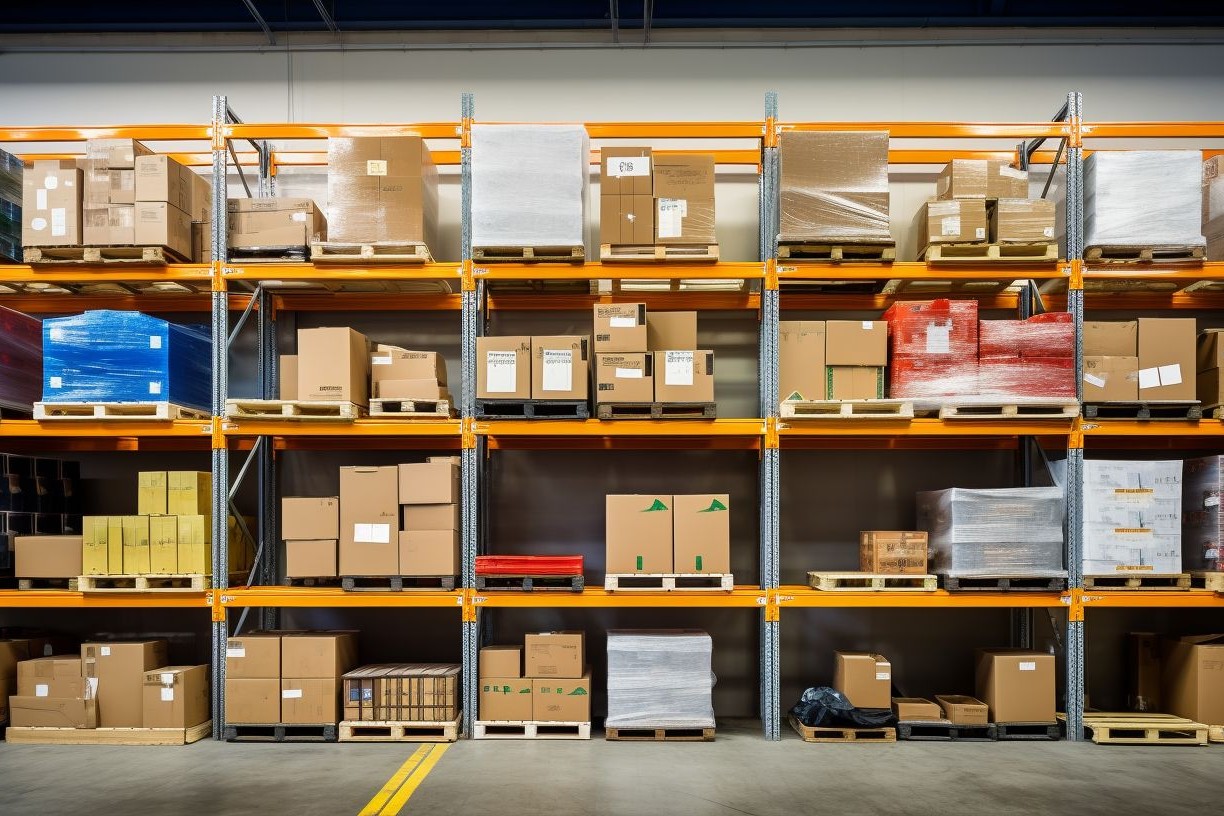
Warehouse inventory management software stands as the backbone of supply chain efficiency, centralising control over diverse stock items. It serves to coordinate the flow of goods from suppliers to warehouse and storage facilities and then onto order fulfilment seamlessly.
A well-oiled warehouse manager or warehouse and inventory management software system not only tracks each item’s journey but can also predict future demand patterns, ensuring that stock levels are maintained optimally without excess or shortage.
Successful implementation hinges on utilising robust and effective inventory management software systems designed for warehousing stocks. These technologies provide real-time data on inventory levels, and effective inventory management software streamline inventory warehousing operations through barcode scanning and automate many manual processes – reducing errors and saving time.
They empower decision-makers with insightful analytics for strategic planning and lead to significant cost reductions across the board by minimising wastage and improving overall warehouse productivity.
The Importance of Warehouse Inventory Management

Effective and efficient warehouse inventory management is not just a facilitator for streamlined operations increases improved customer satisfaction either; it’s a critical linchpin in the machinery of modern commerce. Excellence in managing inventory ensures businesses can meet the rapid demands of today’s market, maintaining both competitiveness and profitability without compromising on customer satisfaction.
Improves order fulfilment accuracy
Ensuring every last order fulfillment part is picked, packed, and shipped without errors is crucial for maintaining customer trust. Adopting a robust warehouse inventory management system enhances the precision of order fulfilment processes.
Real-time tracking of stock levels and automated picking procedures minimise mistakes that can lead to costly returns or replacements. Detailed records of inventory movement also help in verifying orders before they are sent out, guaranteeing that customers receive exactly what they ordered.
Streamlined operations enabled by advanced warehousing solutions directly influence productivity levels within the storage facility itself and boosts warehouse productivity. Moving seamlessly to the next talking point, these improvements also boost overall warehouse efficiency and output.
Boosts warehouse productivity
Incorporating top-tier warehouse inventory management solutions and system in warehouse processes and strategies directly increases productivity levels. By employing a refined warehouse inventory management solution and system in how to manage warehouse inventory and processes itself, tasks such as stock retrieval, order processing, and inventory tracking become significantly more efficient.
This heightened efficiency not only accelerates operations but also optimises the use of workforce resources and human error. Workers are better equipped to handle tasks with accuracy, reducing time spent on rectifying errors and ensuring a smoother workflow.
Streamlining your warehouse processes through more effective inventory management and control means less downtime and more throughput. With a robust Warehouse Management System (WMS), real-time updates keep everyone in the loop about stock levels, pending to meet customer demand, orders for, and replenishment needs.
This facilitates quicker decision-making and paves the way for continuous improvement in handling raw materials and within your storage systems – crucial for staying competitive in today’s fast-paced market.
Enables faster shipping and deliveries
Streamlined, warehouse inventory management software acts as a catalyst for quicker dispatch times, ensuring products reach customers without delay. An efficient system allows for rapid picking, packing, and shipping by optimising the flow of goods from the storage facility to delivery vehicles.
This acceleration is possible thanks to advanced sorting algorithms and inventory tracking technologies that flag items ready for shipment in real-time.
Emphasising speed in transit stands at the forefront of customer satisfaction. Shipping automation integrates with order processing software, allowing warehouses to handle an increased volume of customer orders effortlessly.
The elimination of manual checks reduces errors significantly and speeds up the process from sale confirmation to loading docks, thus promising faster last-mile delivery. Investing in such enhancements not only boosts throughput but also solidifies a company’s reputation for reliability and swift service.
Saves money
Efficient warehouse inventory management goes beyond keeping your stock in check; it’s a strategic move to safeguard your finances. By honing the art of Economic Order Quantity, businesses can hit that sweet spot where order size minimises both stock holding costs and reordering costs.
This tactic ensures directors have just enough inventory to meet demand without surplus, translating into significant financial savings.
Introducing cycle counting into your inventory and warehouse management practices revolutionises how you handle goods by stripping away reliance on cumbersome, error-prone manual processes, allowing for more precise demand forecasting.
Accurate predictions are critical for maintaining optimal stock inventory levels – overstock leads to wasted resources while understock risks missing sales opportunities. These calculated moves play out in the long game too; with safety stock inventory levels acting as a buffer against supply chain hiccups, companies avoid rush orders or expensive downtime, protecting their bottom line from unexpected shocks.
Increases customer satisfaction
Effective warehouse inventory management directly impacts customer satisfaction by ensuring that products are stocked appropriately and shipped on time. With a well-oiled and effective warehouse inventory management system, customers receive what they ordered more quickly, enhancing their overall shopping experience.
Keeping tabs on stock levels means businesses can replenish items promptly, avoiding frustrating delays or backorders for consumers.
Streamlined processes within the warehouse can also refine the returns management system. This efficiency makes it simpler for customers to send back unwanted items and receive the correct ones without unnecessary wait times.
Customer loyalty grows when they know they can trust a company to handle their orders competently from purchase to delivery – and even returns if necessary. Implementing strong, inventory control systems in the warehouse is not just about counting stock; it’s about building lasting relationships with customers through reliability and exceptional service.
Warehouse Inventory Management Processes

Mastering the various, warehouse inventory software systems and management software that covers inventory systems and management processes is pivotal in streamlining operations, from the strategic placement of goods to the efficient handling of outgoing orders. Delving into these processes unveils a myriad of techniques designed to enhance inventory accuracy and speed, forming the backbone of a responsive and cost-effective, warehouse inventory systems and management software solution warehouse inventory system.
Warehouse layout optimisation
Optimising your warehouse layout directly impacts every aspect ecommerce business has of inventory management. A streamlined design of inventory warehouse allows for more efficient inventory flow in ecommerce business, from stocking to order fulfillment, ensuring products are easily accessible and reducing unnecessary movement.
This strategic arrangement not only cuts down on picking time but also contributes significantly to minimising shipping errors, a critical factor in customer satisfaction.
Effective slotting techniques can maximise space utilisation and make the best use of your workforce’s time. Pairing this with batch picking methods further speeds up operations, especially when managing high volumes of orders.
By cutting down on travel time within the warehouse and organising stock logically, you set up a system that supports quicker shipping times and lower operational costs – vital points for maintaining a competitive edge in today’s fast-paced market.
Warehouse inventory control tracking and recording
Effective and efficient warehouse operations and effective warehouse inventory management processes, and control tracking and recording are pivotal to maintaining order in the stockroom. Implementing a robust, inventory control proper warehouse inventory management and management system ensures every product’s acquisition, movement, and shipping status is closely monitored.
Real-time updates help prevent stockouts and overstocking, while features such as alerts notify managers of critical stock levels or impending orders.
Adopt advanced technologies like artificial intelligence for predictive analytics can vastly improve decision-making processes in an inventory-rich environment. Staying ahead with tech-based trends not only enhances day-to-day operations but also positions your enterprise at the forefront of warehousing efficiency.
Moving from meticulous detail around each SKU to seamless picking and packing strategies makes the transition to the next stage of inventory management – preparing orders swiftly for shipment – a smoother process.
Picking and packing
Picking and packing are the heartbeats of a warehouse manager and inventory management system, where speed meets accuracy to dispatch orders with precision. A well-optimised warehouse layout paves the way for streamlined picking routes, reducing waste movements and saving time.
Workers swiftly select items from their storage locations – a dance choreographed by inventory management systems that provide real-time data on stock levels and locations. These systems guide pickers through efficient paths, minimising errors while maximising productivity.
The packing process seamlessly continues this rhythm, verifying each item against the order list by leveraging barcode scanners or RFID tags before securely packaging them for shipment.
This attention to detail ensures every package leaves the warehouse ready to meet customer expectations without delay or defect. Moving forward, successful shipping builds on these foundations laid during picking and packing, transitioning into another critical stage in managing your warehouse’s flow of goods.
Shipping
Efficient shipping is the capstone of any warehouse inventory management software solution, directly impacting customer satisfaction and bottom-line results. It’s not just about tracking inventory and dispatching orders; it involves a strategic approach to ensure that every item leaves the warehouse quickly, accurately, and cost-effectively.
Directors must recognise that embracing modern methods like dropshipping can dramatically reduce storage costs by allowing products to be shipped directly from third-party suppliers.
Centralising inventory data streamlines the whole shipping process, enabling real-time decisions on the best carrier selections and routes. This not only slashes time spent in transit but also significantly cuts down on shipping errors.
Leading companies leverage analytics to predict peak times for order fulfilments which assists in pre-emptive planning and avoids any delays. Such forward-thinking practices guarantee that storefronts and end customers receive their orders promptly, maintaining trust in your company’s logistics expertise.
Reporting and optimising
Harness the power of warehouse, warehouse and inventory manager, and warehouse management software to revolutionise your reporting and optimisation processes. Directors understand that precise real-time data is pivotal in making informed decisions about stock levels, order fulfilment, and overall efficiency.
By implementing advanced systems, you gain an eagle-eye view over every aspect of your inventory and warehouse management. This enables quick identification of trends, flagging inefficiencies or discrepancies that could lead to a drain on resources if left unchecked.
Optimising stock can be a complex task without the right tools; this is where using economic order quantity (EOQ) comes into play. EOQ assists in determining the ideal amount of inventory to order for minimising costs while avoiding shortages.
Empower your operation with these strategies to cut excessive spending on storage and improve cash flow – ensuring you have just the right amount of stock at any given time without tying up unnecessary capital.
Distinction between Warehouse Management and Inventory Management

Warehouse management oversees the storage and movement of goods within a warehouse. Inventory management in warehouse, on the other hand, focuses on tracking stock levels and product information across an entire network.
- Warehouse management centres on optimising warehouse operations like, inventory planning, warehouse layout planning, staff, sap inventory, warehouse stock management vs warehouse management, using both warehouse inventory management software solution and warehouse management software solutions, and equipment utilisation.
- Inventory management is concerned with inventory accuracy and maintaining optimal stock levels to meet demand without overstocking.
- Warehouse workers and other warehouse workers and managers use systems that help in locating items efficiently for shipping or production.
- Inventory managers require accurate data to predict future sales trends and prepare accordingly.
- Warehousing strategies consider safety procedures and ensure compliance with regulations specific to storage facilities.
- In inventory control systems, emphasis is placed on reducing holding costs while preventing stockouts through techniques such as just-in-time (JIT) inventory.
- The tools used in managing warehouses are often integrated into broader supply chain management systems for real-time visibility.
- Tools aimed at inventory control might include barcode scanners and point of sale (POS) inventory systems for warehouses that manage purchasing activities from order to delivery.
The effective coordination between these two facets contributes significantly to seamless logistics operations and increases customer satisfaction. Next up: we’ll explore essential, warehouse management and inventory management deals and control, warehouse management focuses inventory management techniques that directors can implement for operational excellence.
Essential Warehouse Inventory Management Techniques
Unlocking the potential of your warehouse or storage facility, begins with mastering key inventory management tools and techniques, each designed to streamline operations and enhance efficiency – delve deeper to discover how these strategies can transform your storage space into a hub of productivity.
ABC Analysis
ABC analysis stands as a cornerstone in the realm of inventory management, transforming how directors approach stock control. It effectively categorises products into three distinct classes: A, B, and C.
High-value items with low sales frequency fall under ‘A’, mid-range products under ‘B’, while ‘C’ includes lower-cost goods that turn over quickly. This strategic method empowers managers to prioritise their focus and resources on the most impactful items, securing an efficient balance between capital investment and space utilisation.
Leveraging ABC analysis streamlines warehouse operations dramatically. It ensures high-priority items are always within reach for faster order processing while less critical stock is managed to minimise holding costs without sacrificing customer satisfaction.
Mastery of this technique paves the way for a leaner, efficient and effective warehouse management, inventory management systems warehousing system that both reduces waste and bolsters your bottom line – an essential strategy highlighted in any guide dedicated to optimising proper warehouse and inventory management, and warehousing practices.
Perpetual Inventory Management
Harnessing the power of perpetual and other inventory management software solutions also transforms your approach to stocking and tracking inventory further. By implementing systems like RFID and Point-of-Sale (POS), you gain real-time visibility, allowing for continuous tracking and updating of your stock levels with impressive precision.
This method ensures that inventory records are a faithful reflection of actual stock, heightening efficiency across operations.
Employing this dynamic form of inventory control in warehouse settings minimises errors and outages, making it indispensable in today’s fast-paced market. It streamlines processes within warehousing vs inventory management considerations, ensuring directors can make informed decisions based on accurate data – propelling businesses towards leaner, more responsive supply chain models.
Economic Order Quantity
Having established the role of perpetual inventory in inventory and other warehouse management systems and in maintaining real-time stock levels, the next crucial technique to consider is Economic Order Quantity (EOQ). EOQ stands firmly as a cornerstone in inventory and other warehouse management systems and strategies.
It’s not simply about keeping shelves stocked; it’s a calculated approach to ordering that balances two vital expenses. On one hand, there are holding costs – the price paid for storing unsold goods.
Then on the other, you have order fulfillment costs which include processing, packing, and delivery fees.
Directors should note that implementing EOQ effectively reduces unnecessary expenditure by determining the most cost-efficient amount of stock to order at any given time. This method hinges on solid demand forecasting tools geared towards predicting precisely how much inventory your operation needs – ensuring your warehousing runs like a well-oiled machine even through fluctuating sales periods.
Not only does this keep cash flow healthy; it also optimises warehouse space usage and improves overall supply chain efficiency.
Safety Stock Inventory
Safety stock inventory serves as a critical buffer for your warehouse, safeguarding against the unpredictable nature of supply chains and customer demand. Maintaining this reserve, ideally around 10% of your total high-volume sales items, ensures you’re always prepared to meet customer expectations and orders without delay.
It’s an effective strategy that not only prevents stockouts but also maintains steady operations during spikes in demand or supplier setbacks.
Implementing safety stock helps businesses stay proactive rather than reactive when facing inventory challenges. To optimise its effectiveness, regular reviews of historical sales data, and market trends are necessary.
These analyses enable adjustments to safety stock levels, ensuring they align with current demands and future projections – keeping warehouses agile and responsive in ever-changing markets.
Batch Tracking
Batch tracking serves as a crucial technique in a warehouse inventory management system, enabling precision control over stock movements. This method allows you to systematically manage inventory and monitor expiration dates, ensuring products are shipped out before they become obsolete.
Additionally, it provides an efficient way to identify and isolate defective items by linking them back to their original batch.
Employing batch tracking streamlines recall processes if necessary and supports compliance with industry standards or public policy requirements that necessitate detailed product histories.
It forms the backbone of quality assurance within your warehouse and inventory management system, giving both clients and regulators confidence in your supply chain operations. Moving forward, let’s discuss FIFO and LIFO – methods integral to managing stock flow effectively.
FIFO and LIFO
FIFO, or ‘First In, First Out’ is a preferred method in warehouse inventory management for goods that have a limited shelf life or that can become obsolete quickly. It ensures the oldest stock gets sold first, thus minimising the risk of unsellable inventory.
By adopting FIFO, businesses can reduce waste and manage their stock more effectively by keeping an eye on what needs to move out of the door promptly.
LIFO, which stands for ‘Last In, First Out’, contrasts significantly with FIFO as it sells off the most recently received items first. This technique can be beneficial for certain types of products or during specific economic conditions where prices fluctuate rapidly.
LIFO can help match current costs with revenues when selling items but may not always be suitable if product freshness or obsolescence is a concern. Managing directors should consider these aspects carefully when choosing between FIFO and LIFO methods to optimise financial outcomes while maintaining customer satisfaction through quality offerings.
Just-in-time Inventory Management
Transitioning from methods like FIFO and LIFO, which focus on the order in which inventory is used or sold, Just-in-time inventory management introduces a dynamic strategy. This approach ensures that stock levels closely align with demand forecasts and current orders.
Companies adopt JIT to eliminate excess of inventory levels that can lead to waste and increased costs. By keeping stock at minimal levels, businesses reduce holding costs and improve cash flow.
Just-in-time systems require accurate forecasting and swift communication with suppliers to function effectively. They rely on real-time data to anticipate customer needs accurately, ensuring products are available right when they’re needed without overstocking.
As a result, the warehousing and inventory management becomes more efficient as space isn’t tied up by unnecessary goods. For directors seeking streamlined and more effective warehouse management and inventory management solutions and operations, JIT offers a precise method of stock and manage inventory in warehouse management software vs. warehouse management software that can significantly enhance financial performance and supply chain responsiveness.
Best Practices in Warehouse Inventory Management
To maintain a competitive edge and maximise efficiency, it’s critical to embrace the best practices in the importance of the warehouse management system and both warehouse and inventory management in warehouse and solution and the warehouse management solution. This includes leveraging cutting-edge technologies and methodologies that streamline operations, enhancing both accuracy and productivity within a warehouse management solution for both inventory and warehouse management that covers the complex ecosystem of supply chain logistics.
Minimise Manual Input
Embrace cycle counting as part of your warehouse stock management strategy to reduce the need for manual manual data entry. This technique not only streamlines inventory control managing warehouse inventory processes but also ensures that actual stock levels are in constant check against recorded data, making discrepancies immediately apparent.
By integrating tools like Modula’s Vertical Lift Modules and Horizontal Carousels, you elevate the efficiency of your inventory systems for warehouses, cutting down on time-consuming manual tasks.
The next step is straightforward: Implement Cycle Counting to further refine your warehousing and inventory management system. With precise record-keeping enabled by less hands-on intervention, decision-makers can focus on strategic growth rather than daily minutiae.
Implement Cycle Counting
Start implementing cycle counting in your warehouse as accurate inventory counts are a cornerstone of inventory accuracy. This technique stands out by categorising stock based on value and turnover, allowing for more frequent checks on high-value items that have a significant impact on your cost of goods sold (COGS).
It’s not about mere checking; it’s an active process to compare physical stock against inventory historical sales data systematically.
Employ cycle through inventory records and inventory counts regularly to pinpoint discrepancies early, making adjustments to keep stock records sharp and reliable. This proactive approach minimises errors and inventory tracking software equips you with the transparency needed to always meet customer demand and expectations swiftly.
By doing so, you’re not just balancing books; you’re enhancing the customer orders entire supply chain efficiency – from order picking to delivery – which ultimately boosts customer satisfaction.
Organise Your Floor Plan
Maximise every square metre of your warehouse space by streamlining the floor plan. A well-organised layout not only simplifies inventory management but also accelerates picking and packing activities, leading to more more efficient warehouse operations.
Consider traffic flow for workers and machinery, placing high-turnover items closer to packing areas to reduce travel time.
Ensure that aisles are wide enough to handle equipment movement while keeping storage areas accessible. Use vertical space wisely; install shelving units that can be adjusted as the store inventory needs change.
Regularly evaluate the effectiveness of your floor arrangement, adapting it as required to optimise productivity and streamline processes which in turn enhances order fulfilment accuracy.
Use a Warehouse Management System
Embrace a Warehouse Management System (WMS) to streamline your warehouse vs inventory management processes and enhance efficiency. High-calibre WMS software offers real-time tracking of stock levels, movements, and orders within the same of managing warehouse and inventory control warehouse manager and the inventory management system in managing warehouse and inventory control in warehouse and manager.
It propels order fulfilment accuracy to new heights, ensuring customers get exactly what they ordered swiftly. Moreover, it’s an invaluable tool for coordinating complex logistics operations, particularly for ecommerce businesses where speed is paramount.
Deploying advanced warehouse management systems can dramatically increase warehouse productivity across the board. Such systems come equipped with features that automate routine tasks and reduce manual data entry errors.
They interact seamlessly with enterprise resource planning (ERP) platforms and can harness the power of automation and robotics in modern warehousing environments – key components in shaping the future landscape of inventory management in warehousing.
Transition smoothly to exploring demand forecasting by considering how these sophisticated tools integrate predictive analytics into your business strategy.
Use demand forecasting for busy seasons
Demand forecasting becomes your strategic advantage during peak periods, like holidays or sales seasons. Understand and support demand forecasting to leverage historical sales data and data along with current market trends to support demand forecasting and estimate future demands accurately.
This foresight helps you stock the right items in optimal quantities, avoiding both overstocking and stockouts that could otherwise cripple operations. Precise forecasts enable effective inventory planning too, ensuring your inventory and warehouse both can handle an influx of orders without delays or disruptions.
Equipped with a robust demand forecasting plan, you’re better prepared for sudden surges in your customer orders and requests. As a result, warehouses maintain smooth workflows while capitalising on high-demand opportunities, delivering improved service levels that keep customers coming back for more.
Next up: Turn your top warehouse employees and warehouse managers into experts—unlock their potential and drive productivity in your warehouse management strategies.
Turn your employees into experts
Empower your workforce by equipping them with advanced warehouse and inventory management system in warehouse and inventory software now, effectively transforming them into savvy, warehouse managers and even inventory and warehouse management specialists. These tools provide the means to automate tasks and maintain up-to-the-minute stock records, which are crucial for managing inventory with finesse.
Not only does this facilitate real-time tracking of SKUs, but it also fosters an environment where employees can master cost-saving strategies and operational efficiency.
Investing in your staff’s expertise through regular training on emergent technologies like automation, robotics, and AI will catapult their proficiency in the importance of warehouse management processes, inventory management systems, and warehousing to new heights.
This commitment to professional development pays off by fostering a team that operates like a well-oiled machine – competent and confident in navigating the complexities of both supply chain management and inventory management deals while ensuring labour costs stay lean and storage solutions maximise potential.
Automation in Warehouse Inventory Management
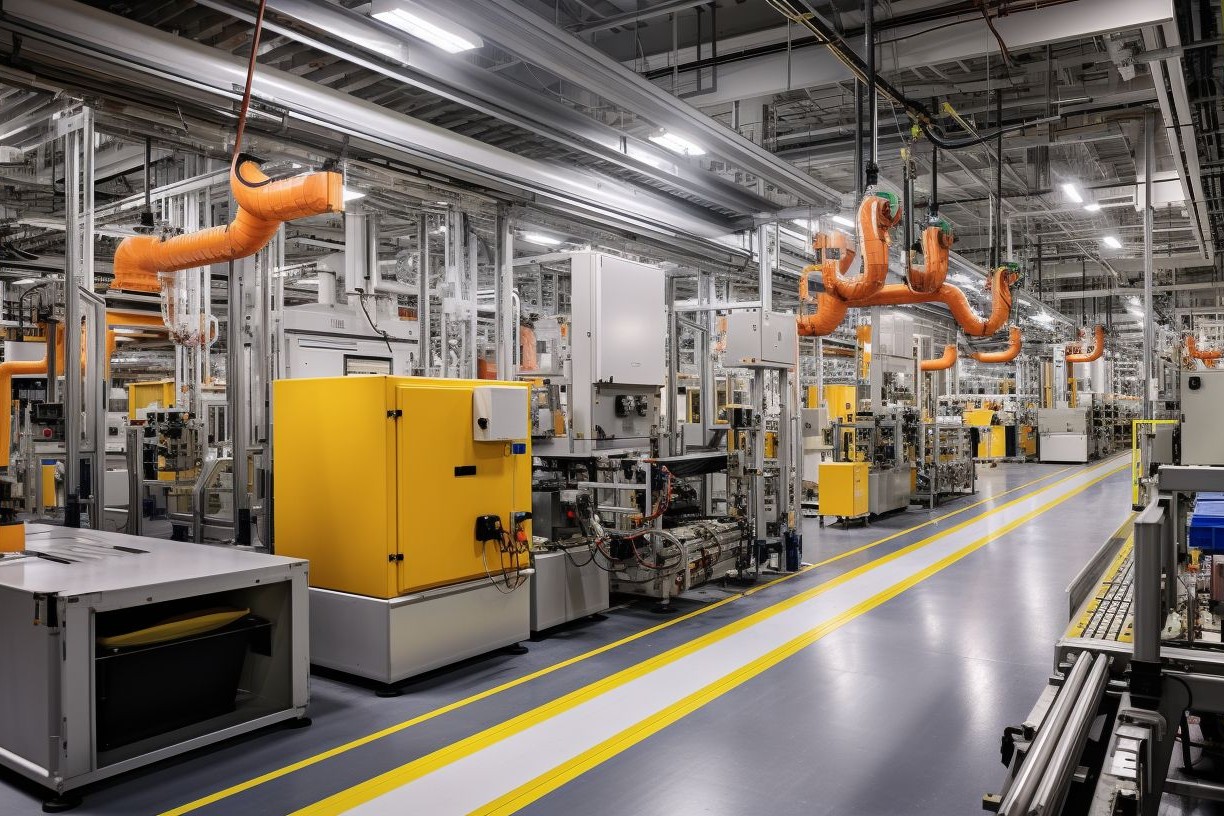
Automation in warehouse inventory management revolutionises how businesses track and manage stock. Robots, automated storage and retrieval systems (AS/RS), and conveyor belts handle routine tasks like moving goods, picking orders, and conducting accurate inventory counts.
This not only accelerates processes but also minimises human error, ensuring a more accurate count of items. With such advancements, warehouses can operate seamlessly 24/7 without fatigue or downtime that affects human workers.
Utilising advanced software platforms integrated with artificial intelligence (AI) further optimises inventory workflow. These systems predict future demand using sophisticated algorithms which guide stock reordering to prevent overstocking or out-of-stock scenarios.
They allow for quicker response times to market changes by adjusting the inventory levels automatically. In an era where immediacy is key for customer satisfaction, these technologies ensure that products are available when needed while reducing excess spending on unnecessary storage space.
Conclusion
Our journey through the realm of warehouse storage and inventory management strategies draws to an end, but the road for effective stock control is ongoing. Embrace new technologies and refined methodologies how to manage warehouse storage and inventory and keep your operations at peak efficiency.
Remember, a well-organised warehouse manager and inventory manager sets the stage for unparalleled customer satisfaction and robust business growth. Let this guide be the torch that lights up your path as you streamline your warehouse manager and inventory management process.
Keep adapting, keep improving, and watch your warehouse thrive.
FAQs
1. What’s the difference between warehouse management and inventory management?
Warehouse management focuses on how to manage warehouse operations like storage and logistics services, whilst inventory management is about tracking items in a a warehouse. Warehouse management covers everything itself, whereas warehouse management covers tracking and storing inventory and maintaining optimal stock levels.
2. How does FIFO (First In, First Out) work in warehouses?
FIFO means that the first items put into a warehouse are also the first to be taken out. This method keeps inventory fresh, especially for perishable goods and raw materials.
3. Can technology like ERP software help with inventory management in my warehouse?
Yes! An ERP system can provide easier access to real-time data about your store inventory on a cloud platform, improving the overall efficiency of managing your stock keeping units (SKU).
4. What role do third-party logistics providers play in warehousing?
Third-party logistics offer outsourcing services for warehousing and distribution so businesses can focus more on selling products online or through ecommerce business or brick-and-mortar retail without handling every detail themselves.
5. Is it necessary for me to use an EOQ formula when managing my warehouse stock levels?
Using an EOQ formula helps you calculate the ideal quantity of inventory to order which minimises total costs related to order fulfillment, storing inventory in warehouse, and stocking inventory in your fulfilment centre.
6. Should startups consider using emerging technologies like IoT devices within their warehouses?
Definitely! Startups should take advantage of emerging technologies such as the Internet of Things (IoT) for better monitoring and automation within their warehouses, making operations much smoother.
And there's more...