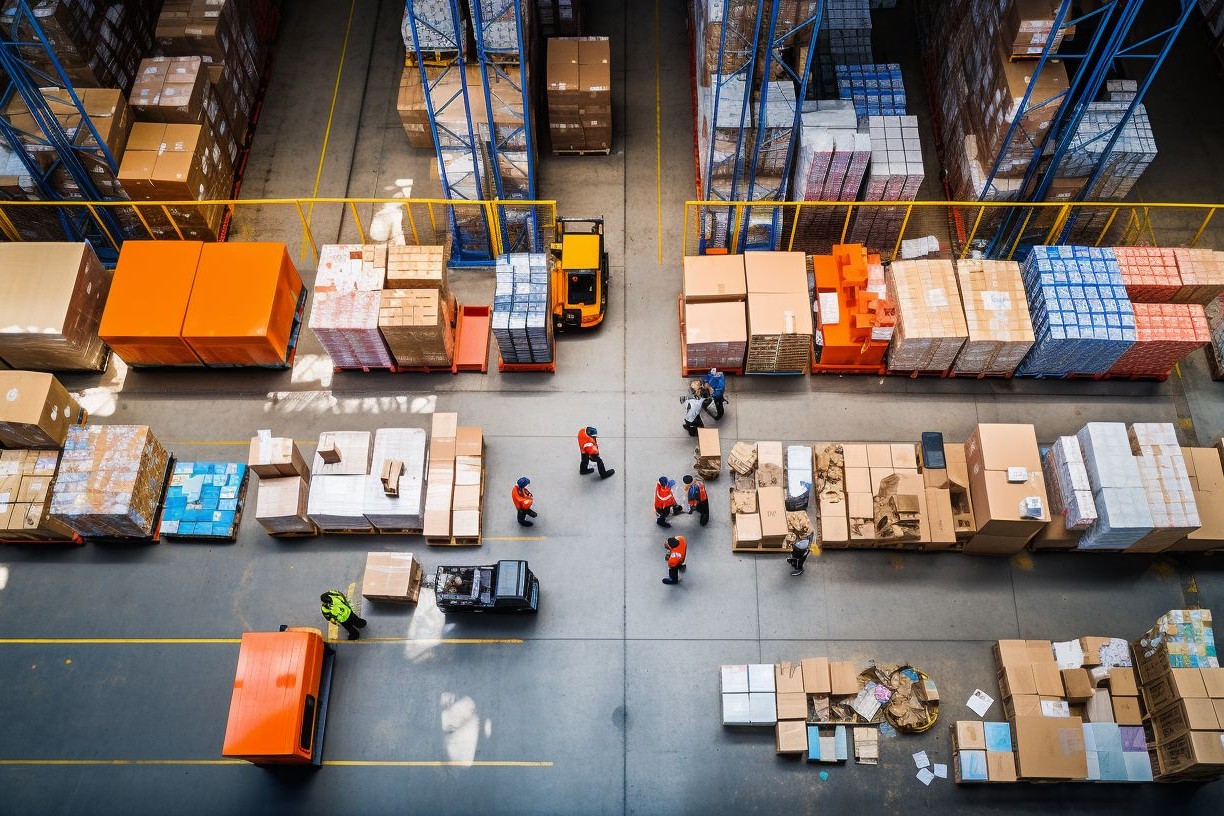
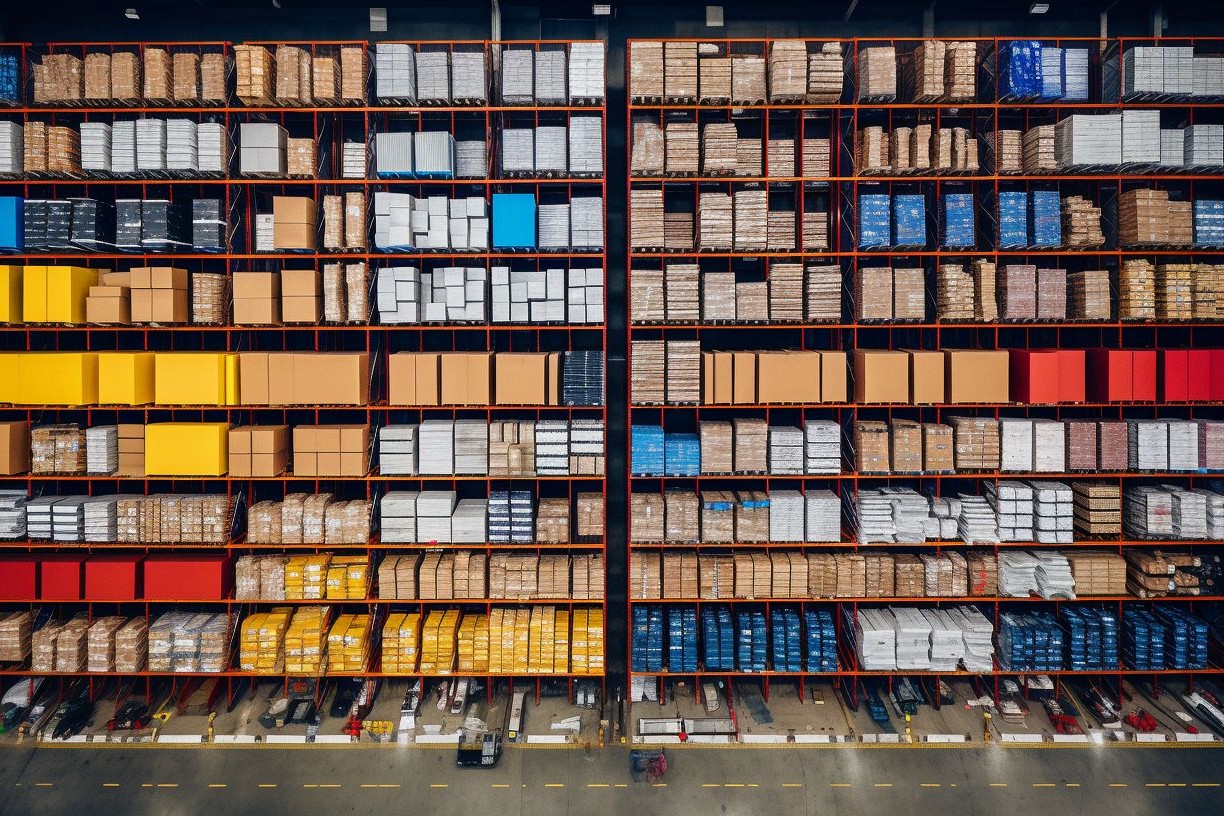
Managing a successful business means keeping your eye on the stock, especially those final products awaiting their journey to the customer. Did you know that finished goods inventory not only shapes your current assets but also significantly influences cash flow and profit margins? Our guide will navigate you through understanding and calculating this crucial component of your business operations, ensuring accuracy in financial reporting and strategic planning.
Discover how to master your cost of finished goods formula and inventory – read on for expert insights.
Key Takeaways
Finished goods inventory is crucial for a business, representing products that are ready for sale and impacting both current assets and profit margins.
Inventory management systems are vital for monitoring finished goods in real time, allowing businesses to avoid stockouts and optimise stock levels efficiently.
Calculating the value of finished goods involves determining the Cost of Goods Manufactured (COGM) and subtracting the Cost of Goods Sold (COGS) to help understand profitability.
Regular audits with inventory management software help maintain accuracy, streamline processes, and reduce material wastage by tracking finished products accurately.
Monitoring inventory turnover rates and applying demand driven planning techniques helps companies adjust production schedules smartly, indicating how well products are selling and when it might be necessary to tweak sales strategies.
Understanding Finished Goods Inventory

Grasping the concept of a finished product inventory is pivotal for any business that deals with tangible products. It represents not only the culmination of manufacturing efforts but also a crucial asset that directly impacts a company’s bottom line and readiness to meet market demands.
Definition and Importance
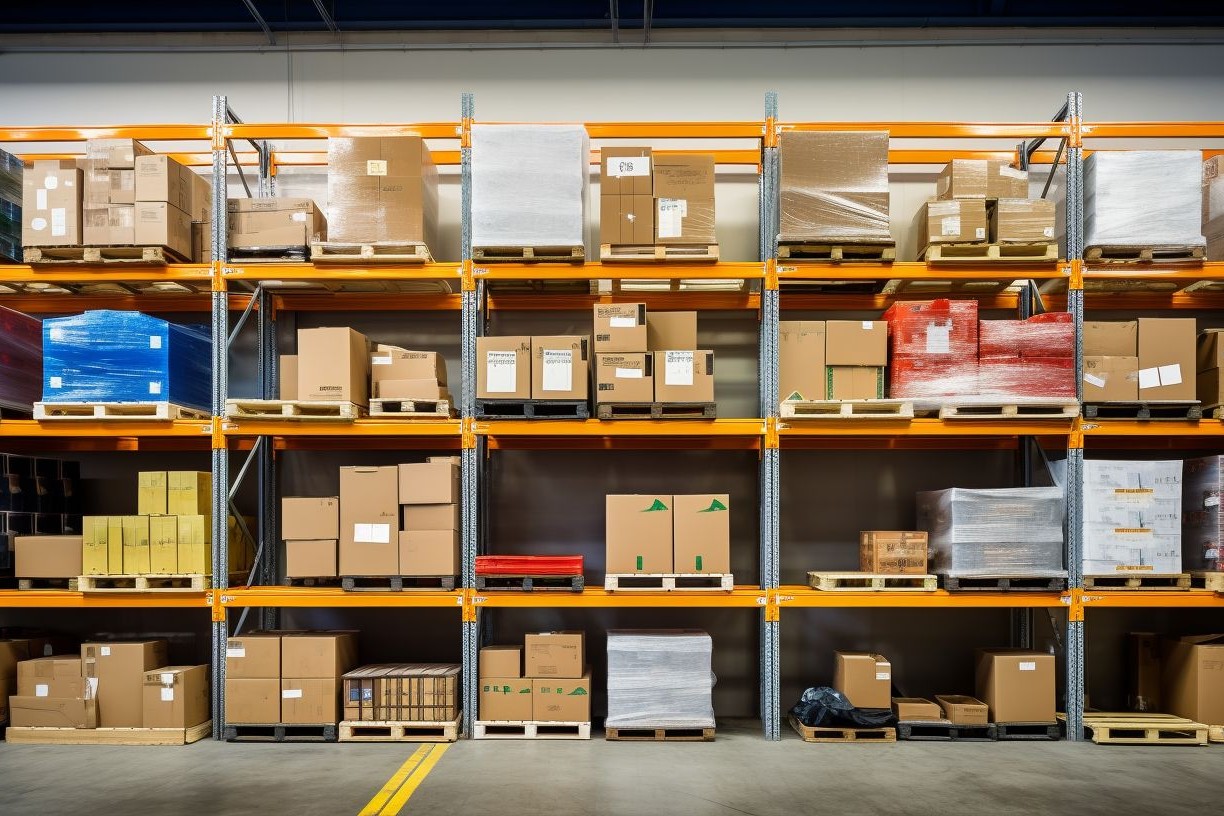
Finished goods inventory represents a critical asset on the company’s balance sheet, encompassing all products that have successfully passed through the manufacturing process and are ready for sale.
Directors need to grasp its significance as it directly impacts revenue streams and customer satisfaction. A well-managed cost of finished goods inventory formula ensures that a company can meet consumer demand promptly, avoiding stockouts that lead to missed sales opportunities and potential damage to brand reputation.
Safeguarding against such risks demands precise oversight of this finished goods inventory category which significantly contributes to business performance metrics like inventory turnover rate. Moreover, insight into continuous finished goods inventory levels compared to demand levels supports strategic decisions around production planning, sales forecasting, and financial forecasting – integral elements for sustaining profitability in competitive markets.
The next section will delve into the distinction between finished goods inventory and other types of inventories within other businesses in an operation’s supply chain.
Difference between Finished Goods and Other Inventory
Finished goods inventory stands apart from other types of inventory mainly in their stage of production. These items are the products that have completed the manufacturing process and are ready for immediate sale to customers, incorporating costs like direct labour, overheads, and storage.
In contrast, raw materials inventory includes all components that will be used to create finished goods but have not yet been processed; these require careful tracking to ensure efficient production flow.
Work-in-progress inventory represents those items that have started down the assembly line but aren’t quite complete – a critical stage where process inventory tracking can prevent bottlenecks and production delays.
Understanding these distinctions is key for managing your company’s assets effectively. Directors must appreciate how each category impacts financial statements differently: Finished goods affect current assets and gross profit directly as they wait on shelves for customer orders, while work-in-progress forms part of short-term assets reflecting ongoing operational costs.
A firm grasp of these differences enables more accurate pricing strategies and helps optimise procurement processes by minimising excess stock across all inventory types. With this knowledge in hand, you’re better equipped to move forward into exploring how journeying from raw materials to finished goods shapes up within a business construct.
Journey from Raw Materials to Finished Goods Inventory

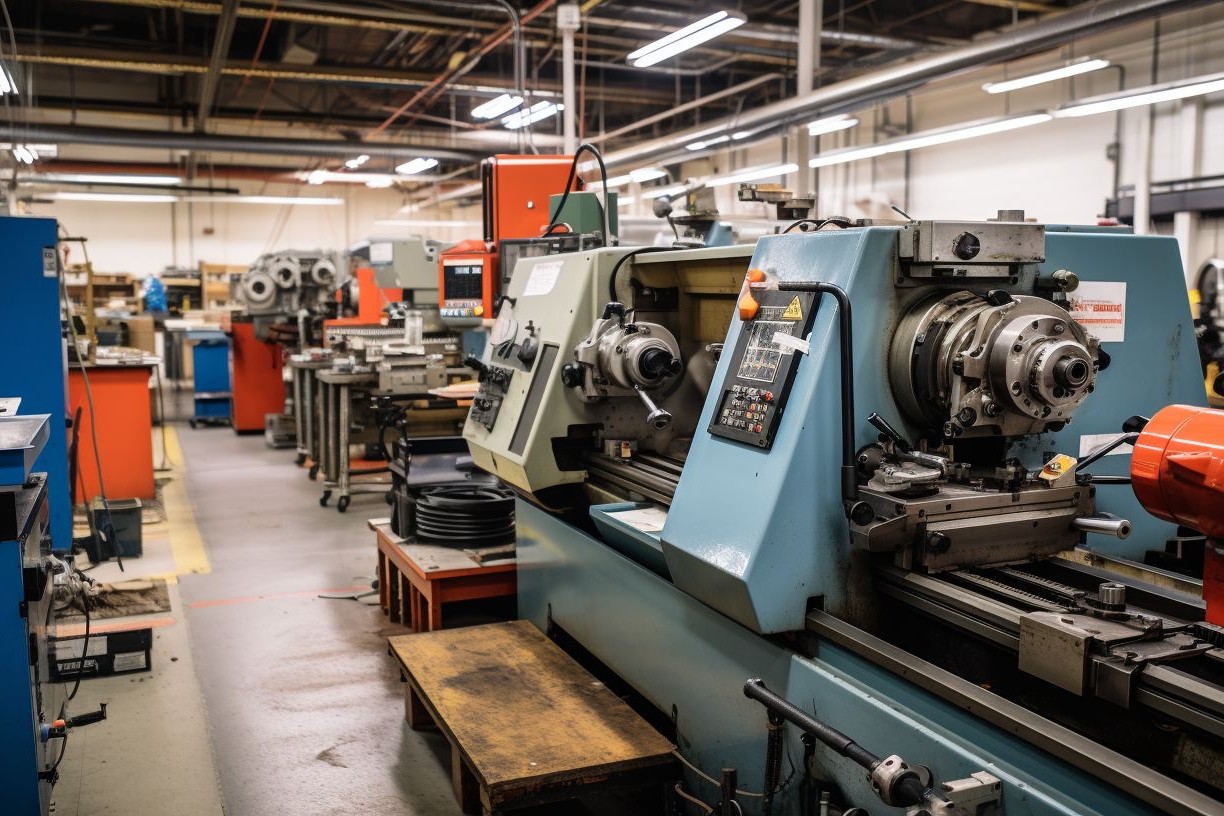
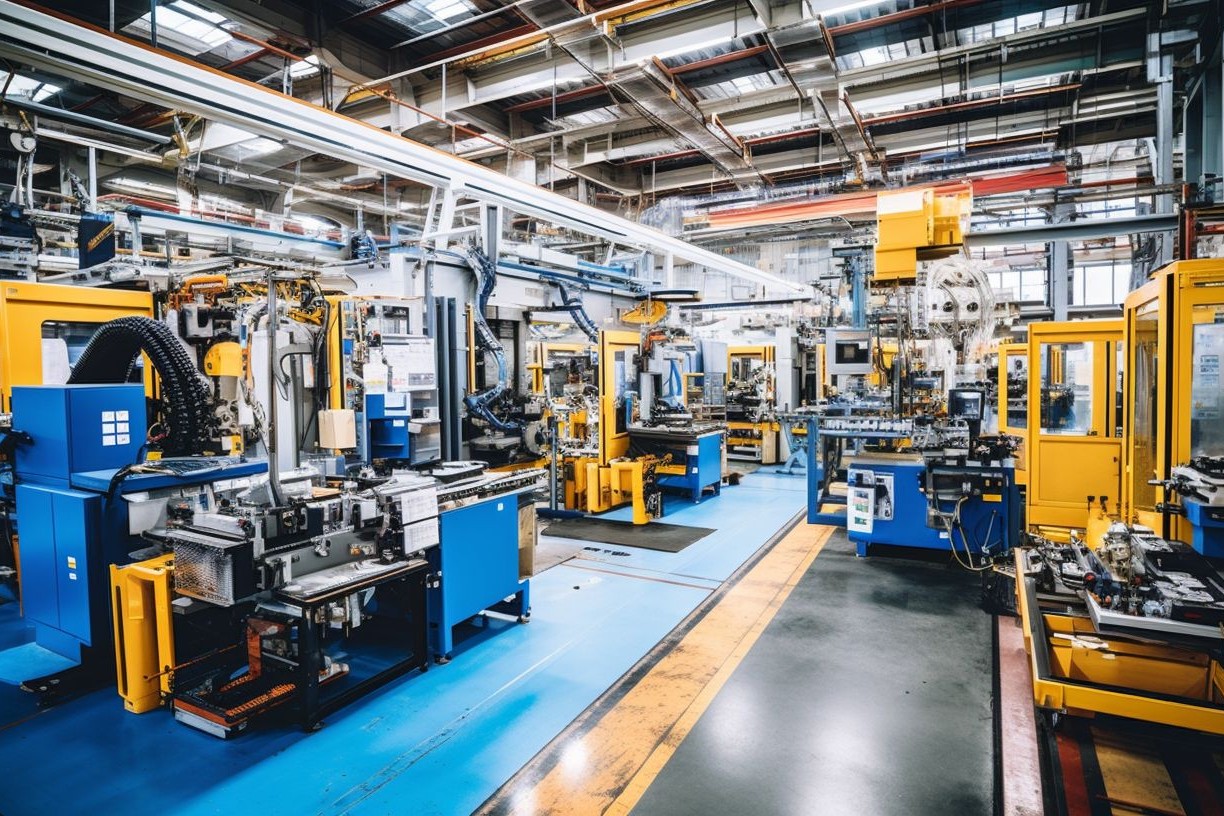
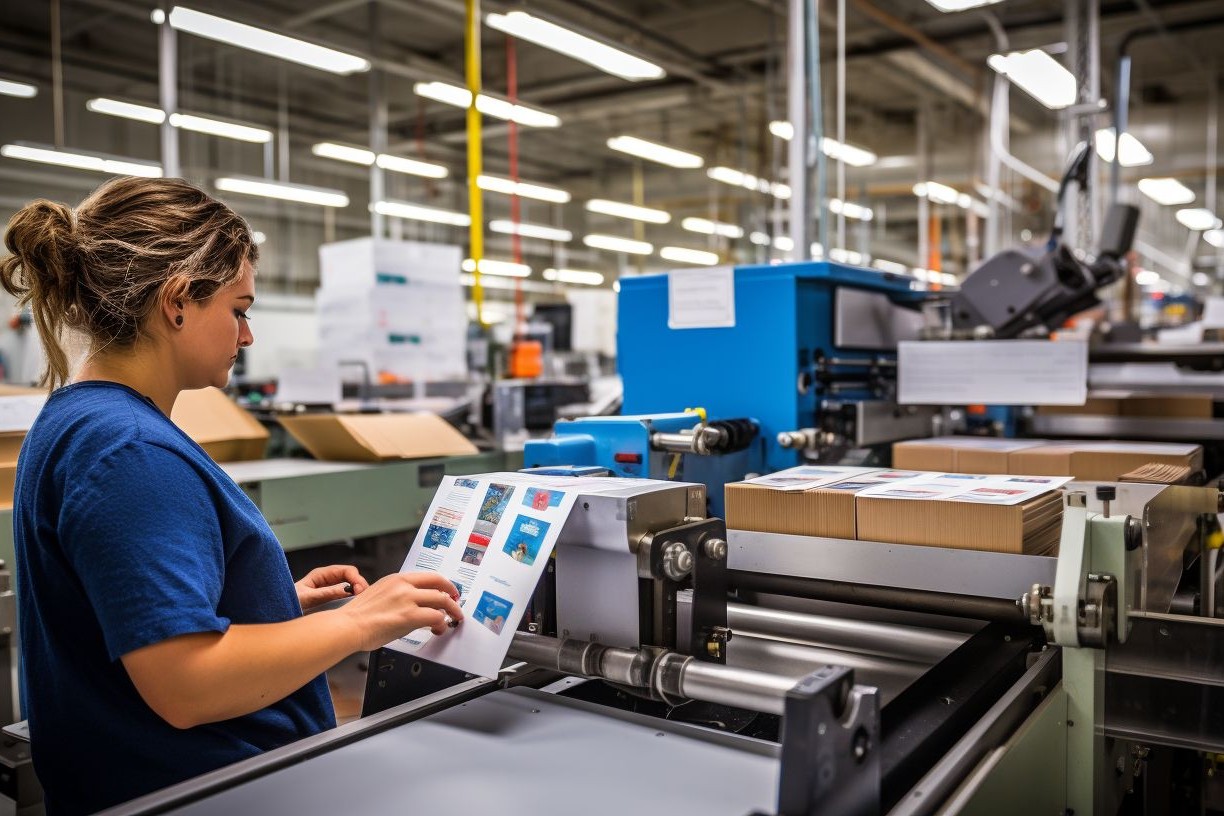
The transformation from raw materials to finished goods inventory is a critical phase in the production process. It involves meticulous planning and efficient management of resources to ensure quality output.
Initially, raw materials are procured based on production forecasts and current orders, taking into account economic order quantity to minimise costs.
The production cycle commences with these raw materials, which then enter the work-in-process (WIP) at various stages of manufacturing.
Throughout this process, overhead costs like electricity, machine depreciation, and labour wages are allocated to the product’s overall expenditure.
Quality checks are frequently conducted during the WIP phase to ensure standards and specifications are met without compromising on quality.
Upon completion of all manufacturing stages, products are classified as finished goods and ready for delivery to distributors or directly to consumers.
Inventory management systems track these goods by categorising them as part of the company’s current assets on their balance sheet.
Safety stock levels are maintained to prevent stockouts that could disrupt supply chains or delay deliveries to customers.
Manufacturing overheads, including indirect factory-related expenses such as maintenance and repairs, also factor into costing for finished goods inventory.
How to Calculate Finished Goods Inventory

Calculating finished goods inventory is an integral part of grasping your company’s financial health; it requires precision and a clear understanding of costs associated with production.
This section will delve into the methodology, ensuring directors have a robust framework to accurately reflect their current assets and streamline operations for heightened efficiency.
Determine the Cost of Goods Manufactured (COGM)
Calculating the Cost of Goods Manufactured (COGM) is a critical step towards understanding your company’s finished goods inventory and value. This figure represents the total production costs incurred for products that are completed within an accounting period.
To arrive at this number, you must tally up all expenses related to manufacturing – from raw materials used, direct labour costs and wages paid, to overhead costs allocated during the production process.
Let’s break it down: Start with tracking the quantity and cost of your raw materials; then add any other direct material costs and labour employed in turning these into finished products. Don’t forget to include all other manufacturing costs and overheads – this covers everything from factory rent to equipment depreciation.
Your COGM gives a clear picture of what it truly costs your company to produce its finished goods even before they’re sold or stored as inventory. With this information in hand, you can move on confidently to how to calculate finished goods inventory on an item by item basis to determine your Finished Goods Inventory.
It’s not just about finding out what’s in stock; this calculation gives insight into operational efficiency and helps forecast future production needs. The formula outlined – Beginning finished good inventory formula: goods inventory plus COGM minus COGS equals Ending finished goods inventory – is straightforward yet powerful in maintaining control over company assets and accurately reporting financial health.
To stay compliant with tax regulations and for accurate reporting, it’s vital to adhere to the methods outlined by GAAP or those specified by the U.S. Internal Revenue Service for calculating COGS.
Such precision allows businesses not only to meet legal obligations but also bolsters decision-making based on reliable cost information. Understanding this metric equips directors with data necessary for strategic planning and helps maintain efficient production without compromising on profitability.
Applying this knowledge helps ensure directors are equipped with real-time business insights to make informed decisions.
The Importance of Calculating Finished Goods Value

Understanding the value of finished goods inventory is pivotal for any business, as it not only reflects a tangible measure of production success but also forms the cornerstone for strategic financial planning and operational efficiency – discover how this vital metric can transform your company’s current asset and management.
It Calculates Current Assets and Gross Profit
Calculating the value of finished goods inventory is a crucial step in determining your company’s current assets. On the balance sheet, this figure sheds light on the cash tied up in products that are ready to be sold.
It’s not just about knowing what you have; it’s also about understanding your business’s financial health and potential for generating revenue. The final number presents directors like you with clear insights into how much capital is immediately convertible into cash – vital knowledge for making informed decisions.
Gross profit, on the other hand, hinges on accurately identifying the cost associated with producing your merchandise – the Cost of Goods Sold (COGS). By subtracting COGS from sales revenue, you’ll arrive at gross profit: a key indicator of profitability.
This isn’t simply another statistic; it reflects efficiency in production and can signal where improvements can be made to increase margins and generate revenue. Recognising trends in gross profit allows directors to strategise effectively and optimise operations for enhanced financial outcomes.
It Eliminates Material Waste
Efficient finished goods inventory management is crucial for environmental sustainability and cost reduction, as it directly links to minimising material waste. With meticulous tracking of finished goods inventory by SKU, companies can pinpoint the exact amount of raw materials needed for production, thereby avoiding excess that invariably becomes waste.
This level of precision ensures that resources are conserved, and products are produced according to meeting customer demand without unnecessary surplus.
Implementing robust systems in managing different types of parts minimises the finished goods inventory and contributes significantly to cutting down on material wastage. Strategically aligning production schedules with inventory levels allows firms to only produce what is necessary, thus reducing the likelihood of overproduction and eventually scrap materials.
For directors aiming at both financial prudence and eco-friendliness within their operations, this approach is indispensable. It not merely reflects good management of resources but also positions a company as a responsible entity in today’s environmentally conscious market.
Leads to More Efficient Operations
Having a firm grasp on finished goods inventory sharpens operational efficiency. It highlights how quickly products move from the warehouse to the customer, ensuring that sales are not lost due to stock shortages.
This knowledge serves as an essential tool for directors aiming to streamline their supply chain and boost productivity.
Inventory management software such as Microsoft Dynamics 365 automates COGS and COGM calculations, empowering businesses with real-time insights into inventory levels. These systems facilitate proactive decision-making, allowing companies to adjust production schedules and manage resources more effectively, ultimately leading to smoother operations and reduced idle time in manufacturing processes.
Managing Finished Goods with Inventory Management Software
In the fast-paced world of finished goods inventory, harnessing the power of cutting-edge inventory management software stands as a game-changer for directors keen on streamlining their own finished goods inventory definition operations.
Such tools not only enhance real-time tracking and visibility but also boost overall efficiency through automated processes and insightful analytics.
Regularly Reviewing and Updating Inventory Levels
Efficient inventory management hinges on the regular review and refreshment of stock levels. Audits play a critical role in maintaining this efficiency, allowing for early detection of discrepancies and preventing financial losses.
With advanced tools directors can effortlessly monitor goods across various locations, thereby dodging stockouts and fine-tuning overall inventory holdings.
Leveraging technology enhances accuracy and simplifies processes; software solutions offer seamless tracking of both finished goods inventory and goods inventory. Today’s directors often prefer cloud-based systems due to their convenience in real-time updates from any mobile device, promoting streamlined operations within the dynamic landscape of retail and distribution.
Using Inventory Management Software
Inventory management software such as Microsoft Dynamics 365 transforms the game for tracking previously finished goods inventory. Systems offer seamless monitoring across multiple locations, effectively averting stockouts and ensuring a swift response to demand changes.
By utilising cloud-based platforms, you can also stay connected with real-time inventory levels from anywhere using a mobile device. This level of accessibility equips decision-makers with the agility to make informed choices on-the-go.
Embracing solutions simplifies complex inventory tasks. Directors gain insights into every stage of the inventory cycle – from warehousing to last-mile delivery.
These tools not only save precious time but also cut down on errors that come with hand-counting or outdated systems. The right software enables your business to keep pace with market dynamics while providing accurate data for company valuation and tax administration purposes.
Establishing an Inventory Control System
Establishing a robust inventory control system streamlines your company’s operations, ensuring efficient management of finished goods. Utilise advanced tools like Microsoft Dynamics 365 to monitor stock levels in real-time across multiple locations.
Such technology not only enhances visibility but also fosters data-driven decision-making which can lead to improved stock turnover rates.
Directors need to recognise the significance of an inventory management solution that accurately traces purchase and production costs. By automating calculations for COGS and COGM with software such as Microsoft Dynamics 365, businesses avoid excess storage costs through optimised inventory levels, thus maintaining profitability and a competitive edge in the marketplace.
Implementing radio frequency identification (RFID) within this system provides additional accuracy, reducing errors and boosting overall labour efficiency, in tracking your finished goods inventory.
Monitoring Inventory Turnover Rate
Keeping a close eye on your inventory turnover rate can unveil critical insights into the pace at which finished goods are moving through your company. This vital metric, derived by dividing the cost of finished goods cost sold by the average inventory value, serves as a barometer for gauging product demand and stock optimisation.
Understanding this measure allows you to ensure that shelves are stocked just right – not how to find finished goods inventory too much to incur extra holding costs and not how much cash or too little to miss out on potential sales.
Directors take heed: vigilance over this KPI enables smarter decisions about your production processes, purchasing, and pricing strategies. High turnover rates might suggest your products are in vogue, flying off the racks swiftly.
A lower rate could signal it’s time to re-evaluate – perhaps an indication of overstocking or waning customer interest. By staying attuned to these fluctuations, you position yourself at the forefront of managing resources effectively while maximising profit margins.
Conclusion
Grasping the intricacies of finished goods inventory propels businesses toward operational excellence. It ensures that shelves stay stocked and customers leave satisfied. With the right tools and strategies in place carefully track it, you’ll maintain a robust bottom line.
Remember, mastery of your previous year’s inventory records is more than mere number crunching; it’s about securing your company’s future success in a dynamic market. Let this guide be the compass to steer your inventory management towards uncharted heights of efficiency and profitability.
FAQs
1. What exactly is finished goods inventory?
Finished goods inventory includes all the products that are completed, ready to sell, and stored in warehouses or distribution centres by businesses like retail companies and e-commerce.
2. Where does finished goods inventory show up on business records?
On balance sheets and income statements, you’ll find reports about finished goods accounting under assets since they hold value for the company.
3. Why is knowing your ending finished goods inventory important for a business?
Understanding your ending finished goods helps manage supply chain operations effectively and ensures accurate tracking of finished stock and levels for financial reporting and taxes.
4. Can automation improve how I manage my finished good inventories?
Yes! Automation tools can streamline processes such as work-in-progress tracking, maintaining just-in-time inventories, updating stock levels automatically, and assisting with warehousing storage solutions.
5. What’s the difference between raw materials, work in process (WIP), and semi-finished products compared to finalised merchandise?
Raw materials are basic supplies used to make products; work in progress refers to unfinished finished goods examples or items still being made; semi-finished products need more steps before they’re done; whereas fully detailed merchandise constitutes as complete.
And there's more...