In a world where one size doesn’t fit all, businesses are feeling the pressure to tailor products to individual customer needs. Make To Order (MTO) manufacturing is revolutionising how companies cater to bespoke requests, with 24% potential savings in production costs.
This blog will unpack MTO’s entire process and advantages, equipping you with knowledge that could reshape your operations. Discover how MTO might be the game-changer for your business – keep reading!
Key Takeaways – Make to Order
Make To Order (MTO) manufacturing starts only after a customer places an order, reducing inventory costs and allowing for high personalisation.
MTO offers increased efficiency through customisation and automation, improving product quality while potentially cutting production expenses by up to 24%.
High-end automobile manufacturers like Rolls-Royce are exemplary users of the MTO strategy, crafting cars that meet individual style preferences.
Challenges of MTO include longer lead times due to the complexity of custom orders and potential limitations in automation within bespoke manufacturing processes.
Selecting between MTO and traditional Make-to-Stock methods depends on business goals; companies must weigh factors such as inventory management, cash flow implications, market responsiveness, and waste reduction.
Understanding Make-To-Order (MTO)

Make-To-Order (MTO) is a production strategy that begins only after a customer has placed an order, eliminating the need for large inventories and allowing for personalisation. This approach counters traditional mass production methods by focusing on individual customer demand instead of forecasting.
It requires precise planning and coordination along the supply chain to ensure each made-to-order product meets specific requirements without excess waste.
This same manufacturing method aligns with contemporary market demands where customers seek unique and personalised products tailored to their preferences. As directors overseeing operations, adopting an MTO model can provide competitive advantages such as increased efficiency and lean manufacturing processes.
The next section delves into various examples illustrating the practical application of MTO strategies across different industries.
Make to order (MTO) Examples

Moving from theory to practice, let’s explore real-life applications of the MTO strategy. In the world of high-end automobiles, manufacturers like Rolls-Royce demonstrate the pinnacle of personalisation, building cars tailored to an individual’s style and comfort preferences.
Each vehicle reflects a unique choice in colour, material, and design features – a true hallmark of MTO manufacturing.
Beyond luxury vehicles, many industries’ custom furniture makers thrive on the made-to-order approach. They craft pieces that perfectly fit customers’ spaces and aesthetic desires. From bespoke sofas designed to match specific dimensions to handcrafted tables that turn family dinners into special gatherings, every piece serves a particular purpose for its buyer.
This responsiveness to consumer needs underscores why directors should consider MTO strategies as pathways towards greater customer satisfaction and competitive differentiation in their markets.
The Make to Order (MTO) Planning Process

The MTO Planning Process is a critical blueprint that guides manufacturers through the intricate journey from customer order to part assembly industry final product delivery, ensuring each bespoke item meets the customer requires exact specifications – delve deeper to uncover how this precision-engineered approach revolutionises production.
Customisation for Make to Order (MTO) Manufacturing
Customisation sits at the heart of MTO manufacturing, allowing businesses to create custom products, that match the exact preferences and specifications of their clients. This approach turns every order into a distinctive project, with details catered to individual desires.
Whether it’s in automotive design or tailoring fashion items, customisation infuses value into each product by ensuring it fits its purpose perfectly for each customer. It transforms standard offerings into exclusive goods with a personal touch.
Implementing robust ERP systems helps streamline custom orders within the MTO framework by enhancing coordination across different departments involved in production. These technological tools ensure precise execution of client-specific requirements while maintaining high-quality standards throughout the manufacturing process.
Custom-built products become viable and scalable business models through such integration, marrying artisanal attention to detail with industrial efficiency.
Automation forMake to Order (MTO) Manufacturing
Moving from the bespoke touch of customisation to lean manufacturing, automation introduces an efficient heartbeat to MTO manufacturing. It streamlines every step of the production process, transforming how orders are received, processed, and fulfilled without sacrificing quality.
Effective use of production software and ERP systems becomes a game changer, slashing turnaround times while ensuring meticulous attention to detail. These technologies underpin modern Make-to-Order models by orchestrating complex tasks efficiently.
In harnessing automation technologies, companies can foretell customer needs with greater accuracy through advanced data analytics and demand forecasting. This not only improves response times but also significantly cuts down on waste – a critical consideration for lean production methodologies integral to MTO environments.
The seamless integration afforded by automation creates a robust framework that supports everything from inventory control to precise scheduling in real-time – a necessary pivot for staying competitive in dynamic markets.
Benefits of the MTO Strategy

The MTO strategy stands out by perfectly aligning production with client demands, leading to numerous operational advantages that businesses seeking a competitive edge cannot afford to overlook.
Increased Product Variety
Increased product variety stands as one of the most compelling advantages of embracing a make-to-order (MTO) approach. By offering tailored products, companies can cater to specific customer preferences and stay ahead in markets where uniqueness mass customisation and personalisation are highly valued.
As consumer demands evolve, the agility MTO provides enables businesses to swiftly adapt their product lines without sustaining high overhead costs associated with unsold inventory.
Crafting finished goods only when an order to produce goods has been placed allows firms to explore wider product ranges without risking capital on unproven items. This strategic advantage underscores how MTO is reshaping industry standards by aligning production closely with actual market demand.
Not only does this streamline operations, but it also translates into significant cost savings – up to 24% according to some studies — while expanding the spectrum of available products for consumers seeking options that conventional inventory-based models cannot provide.
Reduced Inventory Costs
Embracing the Make To Order (MTO) model can significantly lower your company’s inventory costs. Through this approach, you create customised products upon receiving specific orders, eliminating the need for large volumes of stock that tie up capital and risk becoming obsolete.
Directors will appreciate that MTO aligns production with actual demand, curtailing excessive spend on storage and handling.
One key insight highlights that adopting MTO practices can slash production expenses by as much as 24%, a substantial saving that reinforces financial health. By maintaining just enough inventory to meet immediate needs, businesses reduce both warehouse space requirements and the resources allocated to manage surplus finished goods inventory too.
This strategic shift towards efficiency underscores a commitment to smart asset management in today’s competitive marketplace.
Improved Cash Flow
Improved cash flow stands as a significant advantage of the make-to-order strategy. It empowers businesses to sidestep the financial burden of maintaining large inventories, freeing up capital for more strategic investments or operational costs.
Companies start production only after confirming orders, effectively aligning expenses with actual sales and enhancing liquidity.
The ability to conserve resources by not having vast amounts of unsold stock on hand translates directly into cost savings. This prudent approach allows firms to manage their finances efficiently, channeling funds where they will have the most impact: product development, market expansion, and customer acquisition.
Such fiscal agility is crucial in today’s dynamic business climate where adaptability can determine a company’s success or failure.
Enhanced Product Quality
MTO methods prioritise personalisation, bringing a level of detail and attention to each finished product that mass production simply can’t match. The focus on creating items specifically for an order means there’s a rigorous quality check at every stage of the manufacturing process.
This not only increases the overall standard but also ensures each unit meets the customer’s exact specifications, leading to fewer returns and higher satisfaction rates.
Harnessing automation within MTO setups serves a dual purpose; it streamlines operations while maintaining high-quality output consistently. Machines meticulously follow predefined parameters, eliminating human error and producing uniform results time after time.
These advances in technology empower companies to deliver top-tier products efficiently, setting industry benchmarks and elevating customer experiences across sectors. Moving from quality considerations to waste reduction is a natural progression in fine-tuning your MTO strategy – let’s explore how minimising waste contributes further to operational excellence.
Reduced Wastage
Make-to-order manufacturing stands as a bulwark against the inefficiencies of overproduction. Traditional production models often lead to surplus goods, which not only take up warehouse space but also risk becoming obsolete before they ever reach customers.
MTO strategies nip this issue in the bud by kicking into gear only upon receipt of a customer’s request. This precise approach aligns production with actual demand, curtailing the accumulation of unsold stock and consequent waste.
Companies embracing automation within their MTO systems are further cutting down on wastage. Smart technology enables machines to produce items with exacting accuracy, dramatically reducing scrap levels and material costs.
By leveraging high-tech solutions, businesses ensure that every raw material is optimally utilised and any potential waste is kept to an absolute minimum – achieving eco-friendly operations while aligning closely with bespoke consumer needs.
Improved Efficiency
Mass customisation of customised goods through MTO transforms efficiency within the manufacturing sector. Tailored products are created with minimal delay, ensuring each item meets the customer’s specifications precisely without excess inventory.
Automation plays a pivotal role in boosting this efficiency; by streamlining production processes, it reduces both lead times and costs while upholding product quality. This approach not only means speedy execution but also ensures consistent results across all bespoke items.
Manufacturers adopting an MTO strategy can handle orders dynamically, swiftly adapting to changes as they arise. The deployment of advanced manufacturing systems supports real-time monitoring and adjustments in the workflow, further elevating productivity levels.
Gone are the days of cumbersome manual tracking; now companies leverage technology for rapid responses that keep operations running smoothly and effectively meet client demands.
Increased Customer Satisfaction
Building on the momentum of improved efficiency, make-to-order manufacturing takes customer contentment to new heights. Customers feel valued when they receive products tailored specifically to their needs and preferences.
This personal attention boosts loyalty and encourages positive word-of-mouth, amplifying your brand’s reputation.
With make-to-order strategies in place, businesses can respond promptly to individual customer demands, delivering exactly what was ordered with a high degree of precision. The outcome is an elevated shopping experience that meets expectations for quality and customisation – the hallmarks of modern consumer satisfaction.
This approach aligns perfectly with current market trends where bespoke services are not just preferred but expected by discerning customers seeking unique products.
Challenges of MTO Manufacturing
While adopting a make-to-order manufacturing strategy, can provide numerous advantages, manufacturers must also navigate inherent challenges that come with this production model. These difficulties include managing the complexities of customisation and the implications on lead times and production capacity, among other features, which require careful consideration to maintain operational viability and customer satisfaction.
Extended Lead Times
In the world of make-to-order (MTO) manufacturing, time is a currency just as important as the raw materials themselves. Customisation demands careful attention and precision, leading to inevitable increases in lead times.
This is because every made-to-order product goes through an extensive production journey – from design conception to the final touches before delivery. For directors overseeing MTO processes, a thorough understanding of potential delays is crucial for setting realistic expectations with clients.
Extended lead times can pose real challenges within your supply chain management. They require not only effective communication with customers but also robust planning and a meticulous approach to demand planning and inventory management.
Directors must navigate these waters wisely by implementing strategies that streamline efficiencies – such as leveraging automation or adopting advanced enterprise resource planning (ERP) software – to counteract extended timelines without compromising on quality or customer satisfaction.
It’s about finding that sweet spot where production meets client anticipation head-on, ensuring each unique piece justifies its wait in gold – or in this case, bespoke excellence.
Increased Production Complexity
Extended lead times often go hand in hand with another significant hurdle: the increased production complexity inherent to MTO manufacturing. Each custom order requires a unique set of processes, adjustments, and sometimes even new tooling or setup, adding layers to production that standard models don’t face.
This complexity can push your facility’s capabilities and may require sophisticated process management strategies or advanced equipment.
To navigate these complexities effectively, you might need specialised staff well versed in customisable products and modelling and simulation tools that help streamline making each distinct item.
Integrating such technologies ensures precision while also allowing for flexible responses to customer demands despite the intricate nature of made-to-order operations. Keeping pace with industry trends like automation and additive manufacturing could also serve as a boon, simplifying complex tasks while tailoring products closely to client specifications.
Restricted Production Quantities
Maintaining the balance between supply and demand takes on a critical role in MTO manufacturing. With no ready-to-ship inventory, manufacturers must keep a close eye on their capabilities to meet customer orders promptly.
This tight control often leads to restricted production quantities, enforcing companies to prioritise orders and manage resources judiciously. Such constraints necessitate robust production scheduling to ensure that every order is completed within its designated timeframe without compromising product quality or delivery commitments.
The challenge of restricted production quantities also underscores the importance of forecasting in MTO operations. Manufacturers need to anticipate variations in future demand accurately, which can be particularly tricky for items with fluctuating popularity or those relying on changing trends.
Efficient use of materials becomes crucial here – by aligning production closely with confirmed orders, companies avoid wastage and eliminate the risks associated with unsold goods clogging warehouse space.
This strategic approach enables businesses to operate leaner, directing their efforts towards fulfilling actual market needs rather than speculative production.
Limited Automation
Limited automation poses a considerable challenge for make-to-order manufacturing. Unlike mass production, where tasks are repetitive and easily automated, MTO production often requires a high degree of customisation.
This reliance on manual processes can slow down operations and add complexity to the workflow.
Companies in this sector may find it hard to integrate full-scale automation due to the unique requirements of each customer’s order itself. As products are often custom made part and based on individual specifications, automating systems need frequent reprogramming or physical adjustments.
These factors contribute to longer lead times for custom-made goods and can impact the speed at which companies respond to customer demands. Despite these hurdles, identifying areas within MTO that could benefit from even limited automation is essential for staying competitive and providing consistent product quality.
Make-To-Order vs. Make-to-Stock
Understanding the distinction between Make-To-Order (MTO) and Make-to-Stock (MTS) production strategies is crucial for businesses aiming to optimise their production models. These contrasting approaches to manufacturing cater to different business models and customer expectations.
- Supply Chain Approach: MTO utilises a ‘pull’ production system, initiating production based on customer orders, whereas MTS follows a ‘push’ strategy where goods are produced in anticipation of future demand.
- Inventory Management: the MTO system significantly reduces inventory costs as goods are made post-order, eliminating the need for large stock holdings; MTS requires keeping a ready supply of products, increasing inventory levels and associated costs.
- Customisation Level: MTO facilitates a high degree of customisation, catering to individual customer specifications. MTS, however, typically offers standardised products with limited variations.
- Lead Times: Due to the nature of MTO, lead times can be extended, as production only commences after an order is placed. In contrast, MTS aims to have products readily available, offering quicker delivery times.
- Cash Flow: MTO can improve cash flow as payment is often received before the manufacturing process begins. MTS requires investment in inventory before sales, potentially tying up capital.
- Market Responsiveness: MTO allows for flexibility in adapting to changing customer preferences or market trends. MTS relies on forecasting and can be less responsive to sudden market shifts.
- Waste Reduction: MTO models tend to have reduced wastage as only what is required is produced, whereas MTS may lead to surplus stock that risks becoming obsolete.
- Volume of Sales: MTO is well-suited for low volume, high variety, production systems, whereas MTS is typically employed for high sales volume, low variety markets.
- Quality Control: MTO’s focus on individual orders can enhance quality control, as each item is given attention. MTS production runs can make it challenging to maintain consistent quality across all items.
These key differences between MTO and MTS reveal the importance of selecting a production strategy that aligns with a company’s business objectives, customer needs, and operational capabilities. Directors must weigh the benefits and challenges of each approach to determine the optimal path for their organisation, integrating technological innovations and market insights to stay competitive.
Best Practices for MTO Manufacturing
To excel in make-to-order manufacturing, companies must fine-tune their operations to align with shifting consumer demands and the intricacies of custom production. Implementing best practices such as deploying advanced software tools for order production planning, precise tracking and production environment fostering adaptable production workflows is pivotal to attaining operational excellence and achieving customer satisfaction.
Understand Your Customers’ Needs
To truly excel in MTO manufacturing, gaining a deep understanding of your customers’ specifications is fundamental. Each made to order product begins its journey as a unique project, tailored precisely to what the customer has envisioned.
Engage with them regularly, listen carefully to their requirements and respond swiftly to feedback; this not only ensures that the final product meets their expectations but also fosters long-term loyalty.
Directors should lead their teams in developing processes that capture detailed customer preferences without error. Utilising ERP software can streamline this effort by ensuring precise information flow from orders through to production.
This meticulous approach can trim down costs significantly – potentially up to 24% savings – as it mitigates the risk of misinterpretation and subsequent wastage. With such strategies, every make-to-order example stands as a testament to an organisation’s commitment to personalised service and efficiency.
Use Technology to Track the Manufacturing Process
Embrace cutting-edge technology to keep a finger on the pulse of your manufacturing operations. Equip your manufacturing business with enterprise resource planning (ERP) software, which serves as the nervous system for MTO processes.
This advanced tool streamlines communication across departments, ensuring everyone stays well informed about customer requirements, production updates, and delivery schedules.
Harness automation within your make-to-order framework to accelerate production times whilst preserving the high quality of your products. Implement digital tools that provide real-time tracking and analytics; you’ll gain critical insights into every stage of production from initial order through to final delivery.
By leveraging these technologies, you’ll be well-equipped to anticipate challenges and optimise operations effectively.
Establish Flexible Production Schedules
After harnessing technology to keep a close watch on the manufacturing process, it’s crucial to pivot towards crafting flexible production schedules. These adaptable plans are not just about meeting deadlines but also about responding promptly to shifting customer preferences and urgent orders.
By establishing such schedules, directors can ensure their make-to-order operations aren’t left vulnerable to sudden market changes or unique customer requests.
Directors need to instil agility into their production timetables, allowing for a robust response mechanism that matches the dynamic nature of both MTO and manufacturing. Remember, with savings of up to 24% at stake in production costs according to some studies, flexibility isn’t an option – it’s a necessity.
It empowers companies to optimise cost efficiency while minimising inventory waste – key ingredients in staying ahead in today’s fast-paced economic landscape where tailored solutions reign supreme.
Industry Trends in MTO Manufacturing
Industry trends in MTO manufacturing are rapidly evolving, with cutting-edge innovations like automation and cloud computing reshaping how companies approach customised production – delve further to understand these shifts and their potential impact on your business.
Automation
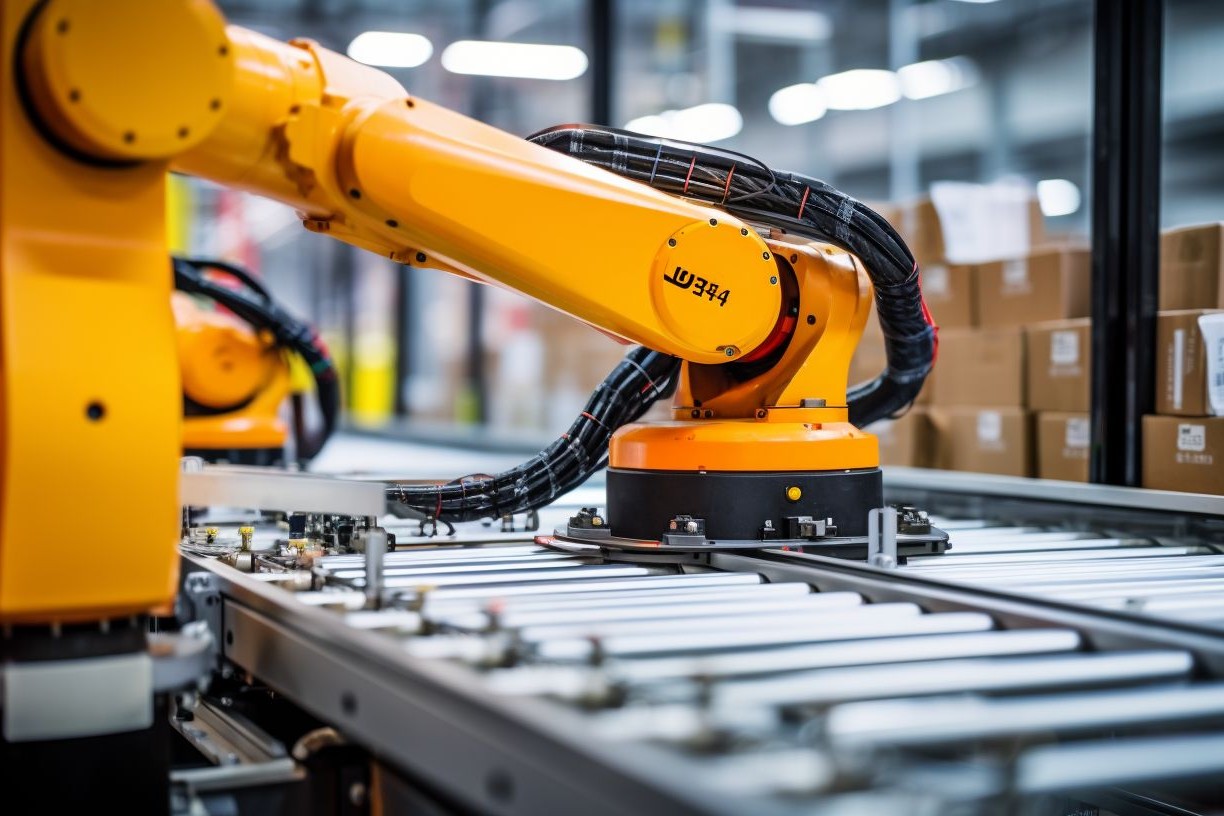
Automation is revolutionising make-to-order manufacturing by streamlining processes and scaling production capabilities. Adopting advanced automation technology, businesses can significantly reduce manual intervention, minimise errors, and maintain a consistent level of quality across all custom-made products.
Robots, AI-driven systems, and smart software are becoming integral in managing complex MTO tasks – from order handling to the final stages of assembly – improving overall operational efficiency.
The integration of automated solutions enables real-time tracking and precision at every stage of the MTO process. This ensures compliance with stringent quality standards while fulfilling customised orders more rapidly than ever before.
Furthermore, as consumer demand for personalisation increases, automation provides the agility needed to adapt production lines quickly without compromising on resource optimisation or generating excess waste through overproduction or defects.
Additive Manufacturing
Additive manufacturing, also known as 3D printing, is revolutionising the make-to-order (MTO) landscape. Directors should take note of its capability to enhance product variety while simultaneously slashing inventory costs and bolstering cash flow.
This innovation allows companies to produce complex items on demand without the need for costly moulds or tooling. The agility offered by this technology means that customisation doesn’t have to slow down production – instead, it becomes a competitive advantage.
Implementing additive manufacturing in MTO operations taps into a growing trend towards personalisation and just-in-time production. It empowers businesses with efficient omni-channel strategies that respond rapidly to individual customer demands.
Moreover, an intelligent software system integrated with additive manufacturing processes can streamline workflow, reduce errors and curtail unnecessary expenditure. For directors aiming to stay ahead in their field, exploring the potential of additive manufacturing could be a game-changer in delivering tailor-made solutions at pace.
Cloud Computing
Transitioning from the world of additive manufacturing, cloud computing stands as a game-changer in the landscape of MTO production. It revolutionises how companies access and manipulate data, allowing real-time updates and collaboration across various departments.
Directors can appreciate that beyond its ability to enhance operational efficiency, cloud computing enables secure storage without the constraints of physical space or location.
Intelligent software systems powered by cloud technology can automate tasks within MTO manufacturing processes, reducing human error and speeding up production times. This advancement not only conserves valuable resources but also cuts costs through streamlined workflows.
Strategically implemented, it allows manufacturers to respond swiftly to customer demands while maintaining control over every aspect of their business – from supply chain management to billing – with unmatched agility and precision.
Conclusion
In the ever-evolving business landscape, Make To Order manufacturing stands out as a beacon of customisation and client-centric service. Embracing MTO doesn’t just meet customer demands – it forges stronger connections with an audience that values choice and distinction.
For companies ready to take the leap into a more personalised production approach, MTO offers tangible advantages, from cost savings to enhanced satisfaction. As markets continue to shift towards bespoke solutions, MTO’s role in shaping industry standards is undeniable – a strategy worth considering for any forward-thinking enterprise.
FAQs
1. What does make to order mean?
Make to order production (MTO) means that production starts producing products only after a customer places an order, tailoring items to specific requirements.
2. How do businesses benefit from the make-to-order strategy?
Businesses using the MTO strategy can reduce energy consumption and inventory by making products as needed, avoiding overproduction and waste.
3. Can you give examples of make-to-order manufacturing?
Examples include custom-made garments in the fashion industry and personalised CNC machining parts for construction or engineering projects in specialised industries.
4. What’s the difference between make-to-order and make-to-stock?
Make-to-order produces items only after an order is placed, while what is make to order-to-stock involves creating products beforehand based irregular sales and on forecasts, which are then kept in warehouses until sold.
5. Why might a company switch from assemble-to-order to make-to-order?
A company might change to MTO if they want more control over customisation options, reduce warehousing space or work towards greener consumption practices for sustainability.
6. How does artificial intelligence fit into the MTO process?
Artificial intelligence assists with optimising business processes like production schedules and supply chain management, ensuring efficiency within made to order companies.
And there's more...