Efficient, retail and fulfilment centre operation is the backbone of efficient retail and fulfilment centre strategy and operation for any successful store, yet navigating its complexities can be daunting. A staggering number of businesses grapple with perfecting this crucial process.
Our comprehensive guide lays out clear strategies and best practices that will streamline your operations and enhance customer satisfaction. Dive in for transformative insights!
Key Takeaways – Retail Fulfilment
Retail fulfilment strategy is crucial for customer satisfaction and loyalty, demanding real-time inventory management to avoid stockouts and ensure prompt delivery.
Diverse fulfilment models, like dropshipping and third – party logistics, offer specific benefits such as cost savings or operational efficiency tailored to different business needs.
Modern retail requires flexibility in fulfilment options; direct-to-consumer approaches and omnichannel strategies enhance personalisation and meet varied shopping preferences.
Challenges like maintaining inventory accuracy and order precision are pivotal to successful retail operations, with advanced technology playing a key role in streamlining these processes.
Continuous performance evaluation using key metrics enables retailers to identify improvement areas, ensuring adaptability in the ever-evolving ecommerce landscape.
Understanding Retail Fulfilment

Retail fulfilment, at its core, is the bridge between your products and your customers. It is fulfilment process that starts the moment an order is placed and doesn’t end until the customer has their product in hand – and sometimes not even then if returns are considered.
This journey to fulfilment provider encompasses a series of complex steps to automate the order fulfilment process, including receiving new inventory from suppliers, safely warehousing goods, accurately picking items to match and fulfill customer orders, securely and shipping the customer orders, using shipping labels, and shipping orders, packing these for transit, and dispatching them centrally located fulfilment centre to fulfill customer orders through various shipping methods.
These stages demand meticulous coordination to ensure that each product reaches its destination swiftly and intact.
A seamless retail fulfilment process can bolster your brand image by delivering customer satisfaction through prompt service. More than just sending out packages, it’s about crafting memorable shopping experiences with every parcel delivered – thus transforming one-time buyers into loyal patrons.
For this reason, businesses must adopt effective order fulfilment strategies that align with their market position and customer expectations while maintaining operational efficiency across all touchpoints.
Mastery over inventory management systems alongside robust warehousing solutions forms the backbone of any successful retail operation; neglect here can lead to stockouts or delayed shipments which erode trust among consumers.
Moving forward from understanding the complexities of the retail and fulfilment process to improve the retail fulfilment process and order fulfilment process, brings us to acknowledging why it holds such significance for business success in today’s competitive landscape.
Importance of Retail Fulfilment for Business Success

Having delved into the mechanics of retail fulfilment, it’s essential to recognise its critical role in propelling a business towards success. A seamless fulfilment method serves as the backbone of customer satisfaction and loyalty.
Customers expect fast, reliable, and accurate deliveries, which hinge on an efficient fulfilment system. Businesses that excel in these areas are more likely to see repeat purchases and positive word-of-mouth advertising.
Additionally, mastering retail fulfilment operations can lead to substantial cost savings for businesses by optimising inventory management and reducing wastage. An effective supply chain also supports quick responses to market changes or consumer demands, keeping a company agile and competitive.
Ultimately, prioritising in-store fulfilment excellence strengthens brand reputation and catalyses long-term growth within the fiercely contested marketplace.
Detailed Steps in the Retail Fulfilment Process

Grasping the intricacies of the retail fulfilment process is pivotal for streamlining operations, from how new inventory breathes life into your business to the criticality of managing returns – each step is a cog in delivering customer contentment.
Discover more on complete process of perfecting these phases and complete process for exceptional service delivery.
Receiving New Inventory in Retail Fulfilment
Receiving new inventory marks a critical juncture in the retail fulfilment process. As stock arrives at the retail fulfilment partner or warehouse first, diligent tracking and prompt updating of inventory records are paramount.
This immediate attention to detail prevents any missteps that could ripple through to order processing and customer experience down the line. It requires a robust system that can integrate seamlessly with point of sale (POS) software and online platforms, ensuring real-time accuracy across all sales channels.
Careful coordination between incoming shipments and warehouse management systems (WMS) safeguards against discrepancies which might otherwise lead to unnecessary inventory counts or adjustments.
Directors should be aware that accurate receipt of goods is not just about scanning boxes; it’s about setting up success for every subsequent step in the entire process of supply chain management – from storage right through to shipping customer orders out.
Ensuring smooth operability here reduces potential hiccups as products move from pallets to customers’ hands, reinforcing both operational efficiency and brand reputation.
Inventory Warehousing in Retail Fulfilment
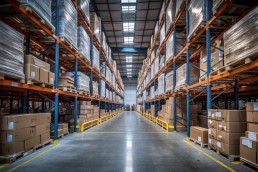
Once new inventory arrives, proper storage becomes critical to ensuring efficient operations. Inventory warehousing is the backbone of a streamlined order fulfilment process, acting as the strategic centre where products are securely stored until they’re needed.
Effective warehouse management ensures that items are easily retrievable, which expedites order processing and minimises delays.
Striking the right balance in your warehouse requires systems that keep track of stock levels in real-time to prevent overselling or stockouts. Utilising advanced inventory management software within your warehousing strategy can drastically reduce discrepancies between your online store inventory and retail store inventory platforms.
This alignment is essential for maintaining a robust flow of goods from shelves to customers while optimising overall retail fulfilment performance.
Picking and Packing Orders in Retail Fulfilment
Moving from the careful storage of inventory, attention shifts to the precision-driven task of picking and packing customer orders. This crucial phase involves meticulously selecting items from their warehouse locations with a keen eye for detail to avoid errors.
Skilled workers navigate through aisles, guided by either digital devices or printed lists, gathering products that have been purchased online or requested for in-store pickup.
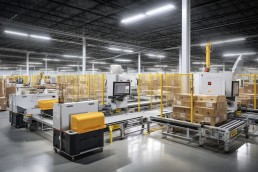
Once collected, each item undergoes a thorough check against order sheets and shipping labels before being securely packaged. The packing process not only ensures items are well-protected but also considers dimensional weight to keep shipping costs efficient.
Packing materials play a pivotal role at this stage; they safeguard goods during transit while reflecting the brand’s commitment to quality customer service. After sealing and labelling the boxes, they’re ready for dispatch – a direct passage from seller to consumer orchestrated with speed and accuracy underpinning every step of the journey.
Shipping Orders in Retail Fulfilment
Shipping orders form the critical bridge between the end of the packaging line or the fulfilment centre or warehouse and your customer’s hands, marking a pivotal moment in the fulfilment process of customer orders. Every dispatched package of shipping orders represents both your brand’s commitment to service and its logistical competence.
With third-party logistics providers bringing specialised expertise to this stage, businesses can leverage state-of-the-art route planning systems and last-mile delivery options, ensuring timely deliveries that bolster customer satisfaction.
Opting for advanced warehouse management system (WMS) technology facilitates swift handling of orders, from large-scale distribution centers and micro fulfilment centres, down to local post offices. Efficient shipping minimises errors, reduces transit times, and cuts costs associated with returns or delayed shipments.
It is pivotal for directors to oversee this aspect carefully as it directly impacts customer loyalty and reflects on your company’s reliability. Integrating electronic data interchange (EDI) improves accuracy by streamlining communication between all parties involved in getting online shopping purchases quickly out the door and onto customers’ doorsteps.
Processing of Returns in Retail Fulfilment
Returns management has become a critical aspect of all retail fulfilment models, with statistics revealing that 81% of online shoppers have returned purchases. This places an emphasis on the importance of having a solid reverse logistics strategy in place.
To manage the $231 billion worth of returned merchandise efficiently, businesses must ensure returns are processed quickly and accurately to maintain customer satisfaction.
A robust system for handling returns includes checking items for damage, restocking as appropriate, and communicating effectively with customers throughout the entire process. Streamlining these procedures can result in saved costs and resources while preserving trust in your brand’s reliability.
Moving forward from processing returns, evaluating the fulfilment centre performance is key to identifying areas for improvement within the wider supply chain and to improve retail fulfilment and centre operations.
Fulfilment Performance Evaluation in Retail Fulfilment
Once returns are processed, it’s essential to evaluate how effectively your fulfilment system operates. A thorough Fulfilment Performance Evaluation spots areas needing improvement and helps maintain a competitive edge.
Directors should look closely at key performance indicators (KPIs) like order accuracy rates, shipping times, and cost per order to understand the efficiency of their processes.
Measuring customer satisfaction alongside these metrics gives an insight into how well the fulfilment strategy meets expectations. Consistent evaluation can lead to better inventory management and reduce the retail fulfilment of costs over time, ensuring that your retail fulfilment stays ahead in a market where customer loyalty greatly hinges on smooth delivery experiences.
This is especially critical with the
market growing rapidly; staying proactive in optimising your systems isn’t just wise – it’s necessary for continued success.
Different Models of Retail Fulfilment
In the competitive landscape of the retail industry, choosing an effective fulfilment model is paramount; it serves as the backbone for delivering customer satisfaction and operational efficiency.
From the seamless integration of dropshipping arrangements into ship orders to leveraging robust, third-party logistics partnerships, each model presents unique advantages tailored to specific business needs and market demands.
Dropshipping
Dropshipping stands as a transformative model in the e-commerce landscape, providing a cost-effective solution for businesses looking to expand their own online store presence without the burden of traditional inventory and fulfilment costs.
By partnering with reliable suppliers who handle stock and can ship orders directly to customers, sellers can enjoy lower upfront investments and significantly reduced overheads. This lean approach not only drives higher profit margins but also offers unparalleled flexibility in responding to market trends and consumer demands.
Perfect for both startups exploring new markets and established businesses aiming to test innovative products, dropshipping serves as a flexible strategy that aligns with modern retail best practices.
It allows full fulfilment warehouse companies to operate with agility, scaling up or down swiftly in response to sales data and customer feedback. Directors considering this full fulfilment warehouse software option benefit from enhanced business adaptability, positioning themselves advantageously within competitive markets where speed and efficiency are key.
Consignment
Consignment offers a strategic advantage for retail who shop online and stores aiming to stock high-end goods, providing access to premium products without the need for large initial investments. This types of fulfilment model shifts the risk from retailers to suppliers since payment is only made after the sale of consigned items.
It empowers businesses to expand their inventory range with luxury items or unique products that could attract new customers and enhance branding.
Retailers adopt a consignment approach as it aligns with various methods like in-store, fulfilment centres and direct-to-consumer strategies, offering flexibility in managing inventory and financial flow.
By incorporating this model into their operations, directors can optimise cash flow by not tying up capital in unsold stock while ensuring shelves are always filled with attractive, saleable merchandise.
Consignment can seamlessly interplay with other, third party retail and other fulfilment software companies with software that services third-party logistics (3pl) too, allowing stores greater control over logistical concerns and warehouses management without compromising product variety or availability on the shop floor.
Direct-to-consumer (DTC) Retailing
Direct-to-consumer retailing represents a transformative approach in the world of commerce, one that empowers brands to bypass traditional intermediaries and connect directly with their customers.
This model not only facilitates a more personalised relationship between businesses and consumers but also opens up avenues for enhanced customer insights. As directors, it’s crucial to appreciate how this strategy enables control over the brand narrative and fosters deeper loyalty through direct engagement.
Harnessing DTC channels allows companies to streamline operations and gather valuable data firsthand, which can be used to tailor marketing efforts and improve product offerings. With every transaction made on an ecommerce platform or online store, businesses gain actionable intelligence that can refine targeting strategies.
The agility provided by DTC retailing is especially beneficial for growing ecommerce businesses looking to differentiate themselves from competitors in the dynamic retail industry.
Third-party Logistics (3PL)
Moving away from the direct engagement and fulfilment challenges of DTC retailing, third-party logistics and fulfilment operations presents an alternative avenue for businesses looking to streamline their supply chain. Entrusting your centrally located fulfilment centre, order fulfilment services and centre operations to a 3PL fulfilment provider, offers not only expertise in logistics and order fulfilment services and centre operations but also access to advanced technology and other distribution centres and networks.
This partnership can drive operational efficiency, allowing retailers to focus on core activities such as marketing and product development while the 3PL expertly handles warehousing, inventory management, and shipping.
Companies often choose 3PL solutions for the flexibility they offer during sales peaks or industry downturns without committing to long-term infrastructure investments. These providers are adept at navigating complex logistical challenges and adapting quickly to changes in order volume or destination markets.
By leveraging third-party resources, businesses can scale up their logistic capabilities swiftly, tapping into new customer segments while maintaining high service levels throughout exponential growth phases or unexpected consumer demand that surges.
Self-fulfilment
Self-fulfilment in the retail sector hands control back to business owners, enabling them to manage their inventory, packaging, and shipping processes with a high level of precision.
Retailers adopting this model maintain brand consistency throughout the customer journey, from online browsing to parcel delivery. This holistic approach often enhances customer relationships by ensuring a seamless experience that reflects the company’s identity and values.
However, taking on retail fulfilment process independently can introduce unexpected retail fulfilment provider challenges and expenses. Hidden, other retail fulfilment side costs and challenges can frequently surface in areas such as storage solutions, packing supplies, and logistics management.
Directors must carefully weigh these considerations against the desire for autonomy over order fulfilment processes. Investing wisely in efficient warehouse operations and robust point-of-sale systems is crucial for retailers who choose self-fulfilment methods to succeed without undue financial strain or operational hiccups.
Omnichannel Fulfilment
Moving beyond traditional self-fulfilment strategies, omnichannel fulfilment stands out by seamlessly integrating various shopping channels for an enhanced customer experience. This approach allows shoppers to buy online and pick up in-store (BOPIS), or choose local pickups, catering to their preferences for convenience and speed.
Businesses implementing this model use POS systems and ERP technologies to track sales and their inventory levels across multiple platforms, ensuring that all touchpoints are informed and stock levels are adjusted in real-time.
Omnichannel and fulfilment strategy is not just about multi-channel access; it’s about providing a cohesive experience whether the customer shops online from a desktop or mobile device, by telephone, or in a brick-and-mortar retail store.
By automating the entire retail order fulfilment process and by picking from the closest fulfilment warehouse or godown, these automate order fulfilment companies ensure quicker delivery times while maintaining rigorous quality control. E-commerce businesses employing these methods not only meet but often exceed customer expectations with their efficiency and responsiveness to diverse shopping habits.
Cross-docking
Cross-docking is a retail fulfilment method and innovation that streamlines the entire supply chain by moving products directly from inbound to outbound transportation. This same fulfilment method eliminates the need for traditional warehousing, saving businesses on storage costs and significantly speeding up delivery times.
By swiftly transferring goods from incoming trucks, through sorting processes, and onto outbound vehicles headed for stores or customers, cross-docking makes inventory management more efficient.
This model works well alongside various other retail fulfilment strategies including dropshipping and third-party logistics. For directors focused on reducing turnaround time and overheads, cross-docking presents an opportunity to optimise operations.
It allows companies to respond rapidly to customer demands while maintaining lean inventories, ensuring that products are moved quickly from suppliers right to consumers without unnecessary delay.
Fulfilment by Amazon (FBA)
Sellers looking to streamline their logistics and automate order fulfilment operations, can leverage Fulfilment by Amazon (FBA), a service that complements the dropshipping model. It simplifies logistics by utilising Amazon’s robust fulfilment centres, which take on the responsibility of storage, packaging, and even shipping orders.
Retailers benefit from Amazon’s world-class customer service and quick delivery times, especially appealing to those already selling on this massive platform.
Choosing FBA means tapping into third-party logistics without heavy investment in infrastructure or personnel. Your products reside in Amazon’s warehouses, ready for rapid dispatch once an order is placed.
This option fits perfectly with online retailers aiming for efficient supply chain optimisations and delivering top-notch customer experiences without shouldering the bulk of logistical burdens themselves.
Challenges in the Retail Fulfilment Process
Navigating the complexities of retail fulfilment demands a keen understanding as businesses face an array of various retail and fulfilment challenges and processes. From managing intricate inventory systems to ensuring seamless customer experiences, retailers must deftly tackle these hurdles for efficient retail fulfilment operations and sustained growth.
Inventory Management
Effective and efficient inventory management system is the backbone of a thriving retail operation. It ensures that stock levels meet customer demand without over-investing in surplus goods. A robust system eliminates discrepancies, even when different platforms are used for an online retail store and brick-and-mortar retail stores.
Frequent inventory counts become less necessary with such systems, saving time and resources.
Embracing advanced inventory solutions paves the way for businesses to anticipate market needs accurately, thus preventing missed deliveries and unhappy customers. These tools provide real-time data that inform purchase decisions and optimise the entire retail order fulfilment process from warehouse to checkout.
Master this area, and you’re on track to deliver reliably across all sales channels.
Moving forward, another hinge point in retail success lies in attaining order accuracy which substantially impacts customer satisfaction rates.
Order Accuracy
Ensuring every order is picked, packed, and shipped correctly is the backbone of successful retail fulfilment. Missed or incorrect items can lead to dissatisfied customers and damage your brand’s reputation.
With ecommerce in India and across the globe booming – expected to hit a staggering $58.74 trillion by 2028 – the stakes for maintaining high order accuracy have never been higher.
Streamlined processes from the warehouse management system right through to customer delivery are essential. Employing robust POS software, smart ERP systems, or collaborating with reliable logistics service providers can significantly enhance accuracy rates.
This investment not just safeguards your operation against errors but also sets you apart as a director who champions efficiency and customer satisfaction in today’s competitive marketplaces.
Shipping and Delivery Delays
Shipping and delivery delays rank high among the challenges faced in retail fulfilment. In our fast-paced market, customers expect quick deliveries, but various factors can disrupt the flow ship orders, from logistic breakdowns to supplier issues.
Retail directors are acutely aware that any hiccup in getting products to consumers on time can damage customer satisfaction and loyalty. Proactively addressing these delays is crucial; it involves streamlining processes and perhaps even reevaluating partnerships with carriers.
Optimising shipping routes, improving inventory forecasts, and implementing advanced tracking systems are critical steps towards mitigating late arrivals of goods. A company’s ability to deliver orders as promised plays a pivotal role in ecommerce growth – an area where retail CEOs are intensely focused given its direct link to maintaining competitive advantage.
Balancing speed with cost-effectiveness requires a nuanced approach that leans heavily on technology and efficient supply chain management within today’s complex logistics landscape.
Returns Management
Returns management has become a pivotal aspect of retail fulfilment due to the significant rate of merchandise returns, which in 2023 stands at a staggering 16.5%, translating into over $231 billion worth of items.
Efficiently handling these returns is crucial for maintaining customer satisfaction and ensuring operational cost-effectiveness. Directors must oversee systems that swiftly process returned items, whether they are damaged, defective, or simply not up to the shopper’s expectations.
With 81% of online customers returning purchases for various reasons such as size issues or late delivery, having a robust strategy in place can help recapture value from returned goods and keep your business resilient.
Optimising your approach means implementing smart logistics solutions that quickly restock saleable items and manage non-saleable ones through recycling or liquidation channels. And remember – customers expect seamless return processes just as much as they anticipate prompt deliveries; their loyalty often hinges on how well you handle their post-purchase concerns.
Managing this complex component requires continuous innovation and adaptation but can significantly enhance customer trust and brand reputation when done effectively. Moving forward, let’s delve into addressing another critical challenge: ensuring consistent customer experience across all touchpoints in the retail fulfilment journey.
Maintaining Consistent Customer Experience
Creating a consistent customer experience across all retail channels is crucial to the success of your business. A uniform journey from in-store interactions to your online store and marketplaces not only builds trust but also ensures customer satisfaction.
Achieving this requires seamless coordination between various elements such as inventory levels, packaging materials, and delivery experiences. Tailoring these factors so they align with your brand’s promise allows you to deliver an uninterrupted and high-quality service that customers have come to expect.
Ensure every team member understands their role in preserving this uniformity, whether they’re at the same fulfilment centre or warehouse or assisting customers on tablets for in-store pickups.
Regular training helps staff adapt to new practices aimed at enhancing the customer journey, including click-and-collect services and subscription options. Keep in mind that a single negative experience can significantly impact customer loyalty; thus, consistency should be a top priority for every director involved in multichannel retailing.
Technical System Maintenance
Keeping your retail system running smoothly requires regular technical maintenance, just as ensuring a consistent customer experience demands attention to detail. Faulty systems can lead to inventory discrepancies, particularly when you managing inventory for both an online retail store and brick-and-mortar retail stores using different platforms.
Directors must prioritise the upkeep of web-based solutions and cloud infrastructure to avoid these pitfalls.
Efficiently handling technical system maintenance involves proactive measures such as scheduling regular check-ups and updates. It’s crucial that systems are constantly evaluated for potential issues before they affect online order-picking or disrupt in-store fulfilment processes.
This not only safeguards against downtime but also ensures that services like click-and-collect operate seamlessly, maintaining the high standards expected by today’s customers in the highly competitive world of retail.
Seasonal Demand Fluctuations
Seasonal consumer demand fluctuations often catch retailers off guard, challenging their ability to keep shelves stocked and satisfy customers’ happy. As directors, understanding these patterns is crucial for strategic planning within the retail fulfilment process.
With peak seasons ramping up order volumes, businesses must swiftly adjust inventory levels and staffing to avoid bottlenecks in shipping deadlines and order accuracy.
To tackle these peaks effectively, it’s essential to have a flexible approach towards using additional warehouse space or even hiring temporary staff. Retailers who skillfully navigate through seasonal changes ensure they maintain customer satisfaction by avoiding delays or stock shortages.
Planning ahead for these inevitable surges not only keeps operations running smoothly but also safeguards against overstock situations that can tie up valuable resources and impact turnover rates.
Engaging in proactive measures will help your business thrive during high-demand periods, keeping you one step ahead in the fast-evolving landscape of types of fulfilment and retail fulfilment models such, eCommerce fulfilment services and other retail fulfilment strategies.
Strategies for Optimising the Retail Fulfilment Process
To truly elevate your retail operation, embracing a suite of optimisation strategies within the retail and online order fulfilment process, is essential, paving the way for enhanced efficiency and customer satisfaction; continue reading to discover how these methodologies can revolutionise your business.
Maintaining Order Accuracy
Maintaining order accuracy is fundamental in the retail fulfilment process, striking at the heart of customer satisfaction and loyalty. A single error can disrupt your entire supply chain, leading to increased costs and eroded profit margins.
Directors must stay vigilant in enforcing precise picking and packing procedures, ensuring that what reaches customers is exactly as what they ordered. Invest in technology like barcode scanners or RFID systems; these tools dramatically decrease human error rates and streamline your inventory management.
Clear communication within teams pays dividends when maintaining high order precision. Regular training sessions keep staff up-to-date with best practices, while a culture of accountability encourages everyone to take ownership of their role in the process.
Close monitoring using data-driven analysis provides insight into where mistakes occur most often, allowing you to nip potential issues in the bud before they snowball into larger problems.
Remember, every correct order secures a little more customer trust – an invaluable currency in today’s competitive marketplaces.
Mastering Inventory Management
Just as precision in order accuracy sets the stage for customer satisfaction, mastering inventory management is the backbone of seamless retail fulfilment. An efficient system to track and control stock ensures that every item is accounted for, paving the way to meet consumer demands without a hiccup.
Smart inventory solutions help retailers avoid overstocking or under-stocking, both of which can be costly missteps.
Effective management keeps your inventory moving smoothly from warehouse shelves right to customers’ doorsteps. It forms a critical link between in-store fulfilment and online sales channels.
By harnessing technology and data analytics, businesses gain real-time visibility into their stock levels across multiple locations. This approach not only streamlines operations but also elevates decision-making with insights into purchasing patterns and seasonal trends – crucial elements for staying competitive in both brick-and-mortar and e-commerce realms.
Flexibility in Retail Fulfilment Models
Retailers today recognise the value of having multiple, retail fulfilment provider processes and, through their retail fulfilment provider partner provider, models to serve diverse customer needs effectively. Flexibility in their own, and their retail fulfilment provider partner provider models and processes allows businesses to pivot quickly and adapt to changing market demands.
From dropshipping, which eliminates the need for and managing inventory levels and holdings, to self-fulfilment that offers control over the entire retail fulfilment process by itself, each model presents its own set of advantages.
Adapting a direct-to-consumer approach can bridge the gap between online stores and their own brick and mortar locations or stores offering convenience such as click-and-collect services.
Transitioning between these methods or using a blend can optimise operations and enhance customer satisfaction. For instance, partnering with third-party logistics providers (3PL) grants access to advanced distribution networks without making significant investments in infrastructure.
This strategic move often leads to improved service levels at lower operational costs. By staying agile with their fulfilment strategies – from managing b2b transactions to handling mass-market deliveries – retailers ensure they are well-positioned to meet evolving expectations in a competitive landscape.
Reducing Shipping Costs
Efficiently managing shipping costs is crucial in retail fulfilment to maintain healthy profit margins. One key strategy involves leveraging shipping software, which streamlines the shipment process by automating tasks like label printing and carrier selection.
This not only saves time but also significantly reduces human error, contributing to cost-effectiveness.
Investing in technology pays dividends; an optimised warehouse layout can expedite picking and packing processes while reducing unnecessary movements. Retail POS software adds further value by seamlessly automating order fulfilment operations, leading to quicker turnaround times and leaner shipping expenses.
These concerted efforts ensure directors stay competitive in a market where delivery speed and efficiency are paramount. Next up: enhancing customer experience – another vital component of successful retail strategies.
Enhancing Customer Experience
Engaging customers with outstanding service is crucial for retail success. To enhance the customer experience, retailers must streamline every touchpoint throughout the fulfilment process.
This starts with an intuitive online platform that simplifies ordering and continues through to fast, reliable delivery services. Quick resolution of issues also plays a vital role; this means easy returns and exchanges along with responsive customer support.
Focusing on these aspects ensures that the consumer journey remains smooth and satisfying, leading to increased satisfaction and loyalty – key drivers in today’s competitive market.
It’s not just about getting orders out; it’s about creating memorable experiences that turn first-time buyers into repeat customers. With each positive interaction, brands can reinforce their value proposition and stand out from competitors.
Directors should prioritise strategies that personify their commitment to excellence in customer care which will be further explored as we discuss collaborating with our third party retail order fulfilment process and services providers.
Collaborating with Third-party Retail Fulfilment Providers
Partnering with third-party logistics providers can be a game-changer for retail businesses. These specialists bring expertise in warehousing, inventory management, and order fulfilment processes that streamline operations and improve retail fulfilment.
By leveraging their established networks, retailers can benefit from services like freight shipping and kitting while tackling complex challenges such as reverse logistics and fulfilment operations. This collaboration often results in reduced overheads and inventory costs and the flexibility to scale operations according to market and customer demand alone.
Engaging a fulfilment company also offers strategic advantages by enabling retailers to split inventory across various locations. This approach reduces transit times and shipping costs, leading to less inventory costs an enhanced customer experience.
After ensuring your retail business thrives through smart third-party collaborations, the next step involves investing in advanced technology which we’ll explore further in our guide.
Investing in Advanced Technology
Building on the momentum of third-party collaborations, embracing advanced technology stands as a transformative move for retail fulfilment centres. Retailers who invest in cutting-edge systems micro fulfilment centres can vastly improve inventory management and significantly cut down on shipping costs.
Technologies like warehouse automation and real-time tracking software streamline operations, allowing directors to make data-driven decisions that elevate customer service levels.
The surge of ecommerce activity due to the pandemic further underscores the necessity of technological advancements in this field. Automated solutions ensure orders are picked, packed, and shipped with remarkable speed and accuracy, directly linking investment in tech with an increase in customer satisfaction and loyalty.
Smart investments here not only future-proof businesses but also sharpen competitive edges by lowering operational expenses while boosting profit margins across b2b retail fulfilment centres, partner and channels.
Training and Employee Engagement
Harnessing the potential of cutting-edge technology goes hand in hand with upskilling the workforce to leverage these advancements. Training and employee engagement are not just mere activities; they’re investments that unlock efficiency in retail fulfilment processes.
Directors must recognise that an empowered team who understands the nuances of the inventory management system and order processing contributes significantly to operational success. Focused training programmes ensure employees can manage subscription services, utilise click and collect systems effectively, and handle in-store fulfilment seamlessly.
Employee engagement stands as a cornerstone for motivating staff to provide outstanding customer service – a vital aspect of the retail experience which drives loyalty and satisfaction.
Engaged employees often show greater care in handling tasks such as picking, packing, and ensuring order accuracy – all critical components within types of fulfilment strategies like omnichannel or brick-and-mortar fulfilment operations.
Moreover, their direct interaction with customers shapes the overall perception of brand excellence which is so crucial for ecommerce growth within today’s retail landscape.
Benefits of Efficient Retail Fulfilment
Harnessing the power of efficient retail to automate retail order fulfilment process not only streamlines operations but also ignites customer satisfaction and drives loyalty, setting the stage for sustained business growth and competitive advantage – discover how in the forthcoming sections.
Increased Customer Satisfaction
Investing in robust retail fulfilment strategies significantly boosts customer satisfaction. Shoppers today expect quick, reliable service and tailored experiences when they purchase online or at brick and mortar stores.
An efficient fulfilment system ensures that customers receive their orders accurately and on time, contributing to a seamless shopping experience.
Retailers who prioritise streamlined in-store fulfilment often see a marked increase in positive customer feedback. This leads not only to repeat business but also encourages word-of-mouth promotion, invaluable for any brand’s growth.
Moving onto improved customer loyalty, firms can leverage this to ensure customer satisfaction by nurturing the relationship long after the initial sale has been completed.
Improved Customer Loyalty
Building on the foundation of increased customer satisfaction, efficient, retail fulfilment services can significantly strengthen customer loyalty. A seamless in-store fulfilment experience or reliable subscription fulfilment services delight shoppers and encourage them to return.
As customers enjoy fast and accurate service, they are more likely to stick with a brand that consistently meets their expectations.
Offering omnichannel fulfilment options, such as Buy Online, Pick up In Store (BOPIS) caters to the convenience-driven consumer, further cementing their loyalty. Partnering with third-party logistics providers ensures not just timely shipping but also enhances overall customer service quality – a key factor in securing repeat business.
With each positive fulfilment encounter, trust in your brand grows, driving long-term loyalty among your clientele.
Lower Costs
Efficient retail fulfilment strategies directly affect a company’s bottom line, and harnessing them effectively can lead to significant cost reductions. By tightening inventory management, businesses minimise the expenses tied to overstocking or stock shortages.
This approach decreases the need for urgent inventory counts that disrupt operations and incur extra costs. Embracing models like the third party logistics provider, third party logistics and third party fulfilment provider (3PL) also introduces cost savings by leveraging the supply chain expertise and volume discounts of specialised providers.
Streamlining shipping processes is another avenue for companies to cut down expenditures. Adopting an in-store fulfilment system mitigates transportation costs as products are shipped from nearby stores instead of central warehouses, translating into lower shipping fees and faster delivery times which customers love with services like Amazon Prime.
Enhanced cost-efficiency through refined retail fulfilment tactics positions your business strategically in an expanding eCommerce market, projected to grow steadily until 2030, offering substantial opportunities for savvy directors who prioritise fiscal prudence without compromising service quality.
Improved Profit Margins
With a refined approach to retail fulfilment, your business can see a substantial uptick in profit margins. Streamlining the entire retail fulfilment process, from inventory management to in-store fulfilment directly impacts costs.
It’s not just about reducing expenses; it’s also about enhancing the efficiency of operations. Effective strategies such as outsourcing less critical functions or leveraging platforms like Amazon Prime can help cut down on overheads and improve bottom-line results.
Investing in advanced technologies to optimise your retail fulfilment system pays dividends through reduced return rates, which were notably high at 16.5% in 2023. This drives down associated costs significantly and boosts profitability for every sale made, contributing positively to overall financial health of retailers.
By addressing each stage with precision – from picking and packing orders to processing returns – directors can position their companies for improved financial performance without compromising customer satisfaction or loyalty.
Broader Market Reach
Efficient retail fulfilment doesn’t just buoy your profit margins; it propels your brand into new territories. Mastering both what is fulfilment in retail fulfilment and what is fulfilment in other retail fulfilment processes and fulfilment models enables businesses to cater to a wider audience, breaking geographical limitations and tapping into consumer demand across different regions.
Strategic partnerships with third-party logistics providers or adoption of other fulfilment options like Fulfilment by Amazon (FBA) offer the infrastructure to distribute products far and wide quickly.
This expansion isn’t merely about pushing boundaries on the map – it’s also about accessibility and convenience which are key pillars of amazon-prime success stories. Companies that streamline their in-store fulfilment processes can engage customers through multiple channels, ensuring their products are never out of reach for those who desire them.
Cultivating a robust network creates endless possibilities for growth, letting retailers meet market demands effectively while continuing to scale their operations.
Cash Flow Optimisation
Expanding your market reach naturally leads to an uptick in sales, but it’s the adept management of cash flow that solidifies your retail empire’s foundations. Cash flow optimisation is vital as it strengthens a retailer’s ability to manage day-to-day expenses and invest in growth opportunities.
Swift order fulfilment not only satisfies customers but also ensures quick revenue collection. This reliable revenue stream helps retailers avoid dips in cash availability which can hamper business operations.
Retailers seeking peak financial health focus on streamlining their own order fulfilment strategies managing inventory, and processes. Effective fulfilment process and efficient inventory management reduces costly overstocking or stockouts, directly enhancing cash reserves by freeing up capital otherwise tied up in unsold goods.
Moreover, tackling delays head-on and boosting operational efficiency secures a steady inflow of funds, keeping the financial pulse of retail businesses strong and rhythmic; this is pivotal for continuous reinvestment into expanding product lines and entering new markets.
Enhanced Brand Recognition
Effective and efficient, retail fulfilment processes and operation strategies can significantly boost a brand’s visibility and recognition. Streamlined and efficient retail fulfilment operation processes that ensure quick, accurate deliveries reflect positively on a company’s image.
Customers often share their shopping experiences with friends and family, which helps to create strong word-of-mouth endorsements for brands that excel in fulfilment efficiency – think less waiting time and more praise.
Investing in top-notch in-store fulfilment methods sets retailers apart from competitors. It shows commitment to customer convenience by combining the benefits of both online shopping and immediate product availability expected from physical stores.
This approach not only satisfies existing customers but also attracts new ones who value seamless service, ultimately elevating the brand’s status in the market.
Expansion Opportunities
Successful retail fulfilment strategies unlock doors to new markets and broader customer bases. As businesses streamline their processes from in-store fulfilment to advanced logistics, they lay the groundwork for scalable growth.
Retailers who excel in fulfilling orders efficiently often see a surge in customer satisfaction; this translates into repeat business and word-of-mouth referrals that can dramatically widen market reach.
Leveraging third-party logistics providers or integrating cutting-edge technology into self-fulfilment operations gives companies the agility to adapt quickly to changing consumer demands.
This flexibility not only helps maintain a competitive edge but also paves the way for seizing expansion opportunities with confidence. Investing intelligently in these areas ensures retailers are well-positioned to thrive in an evolving eCommerce landscape, where efficient retail order management is crucial for capturing and retaining customers on a global scale.
Conclusion
As you venture into the intricate world of retail fulfilment, remember that mastering this process can be a game changer for your business. Fine-tuning strategies and adopting best practices will pave the way to greater efficiency and customer contentment.
Commit to continuous improvement; it’s the golden ticket in today’s competitive market. Harness innovative solutions and partner with skilled providers to keep your operations ahead of the curve.
Hold onto these insights as you refine your approach – they’re instrumental in navigating the dynamic landscape of retail success.
FAQs
1. What is in-store fulfilment in retail?
In-store fulfilment refers to the process of preparing and delivering orders directly from a retail online store to shop online only, utilising stock from the same retail store or online store itself’ physical location.
2. How can in-store fulfilment improve my retail business?
By adopting in-store fulfilment strategies, retailers can offer faster delivery times, reduce shipping costs, and provide customers with flexible pickup options.
3. Are there best practices for implementing in-store fulfilment efficiently?
Indeed, you should train staff effectively, maintain accurate inventory data, and use technology to streamline processes for successful in-store fulfilment.
4. Can small retailers benefit from in-store fulfilment just like big companies?
Yes, small retailers can also take advantage of implementing tailored in-store fulfilment techniques to enhance customer satisfaction and remain competitive.
And there's more...