In the fast-paced world of retail, smooth beginnings are just as crucial as happy endings. First-mile delivery is the unsung hero that sets the stage for a product’s journey from supplier to shelf.
This article throws light on this key step in the supply chain, revealing how it can make or break customer satisfaction. Discover its secrets and boost your business savvy!
Key Takeaways: First-Mile Delivery
First-mile delivery marks the beginning of a product’s journey, transferring goods from suppliers to warehouses and setting the tone for overall supply chain efficiency.
Strategic warehouse location near suppliers, expert packaging choices, and clear labelling systems are crucial for optimising first-mile delivery and minimising transit times and costs.
Challenges in first-mile logistics include potential neglect of detailed planning, poor packaging decisions leading to damage or waste, incomplete documentation causing delays, and undervalued inventory processes resulting in stock discrepancies.
Technology plays a pivotal role and can provide real-time tracking capabilities and data analysis to refine supply chain operations.
A well-executed first-mile strategy enhances ecommerce success by ensuring products are available when needed while preventing issues such as stockouts that can negatively impact customer satisfaction.
Understanding First-Mile Delivery
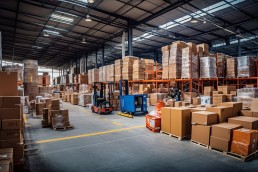
First-mile delivery launches the journey of goods from the supplier to a business’s warehouse or a retailer’s distribution centre. It marks the critical transition of products from production into the hands of logistics providers, ready for further distribution.
Getting this initial step right sets the tone for efficiency throughout the first-mile operations the entire supply chain process. As directors, ensuring that your first-mile is robust and streamlined can mean significant operational savings and improved speed to market.
Optimising this phase demands attention to detail – everything from choosing suitable logistics services to perfecting packaging and labelling practices. It requires meticulous planning around order processing and establishing a seamless warehouse receiving process.
Each component – from load protectors such as corner/edge boards and stretch wrapping, right down to accurate stock keeping unit (SKU) management – must align perfectly. This precision not only safeguards goods during transit but also prevents costly delays that can ripple through later stages, affecting customer satisfaction levels directly.
With each product movement tracked via first and final mile tracking technologies, businesses maintain control over their inventory flow while setting themselves up for successful last-mile delivery outcomes.
First-Mile Delivery vs. Last-Mile Delivery

Having laid the groundwork for what first-mile delivery entails, we now turn our focus to differentiating it from last-mile delivery, two critical junctures in the retail supply chain that, whilst distinct, are equally pivotal for a seamless customer experience.
| Aspect | First-Mile Delivery | Last-Mile Delivery |
|---|---|---|
| Definition | Transportation of goods from the manufacturer to the first warehouse or distribution centre. | Final step of the delivery process where goods are transported from the distribution centre to the end customer. |
| Volume of Goods | Typically involves moving large quantities in bulk. | Usually consists of individual packages or smaller quantities. |
| Destination | Often a single location like a warehouse or distribution hub. | Multiple destinations, including homes and businesses. |
| Transportation Mode | May use larger vehicles like lorries or freight trains. | Often requires smaller vehicles due to residential area constraints. |
| Cost Implications | Cost efficiency gained through bulk transportation. | High costs due to the fragmented nature of the delivery points. |
| Logistical Complexity | Simpler routing as it typically involves point-to-point delivery. | Complex routing due to the need for detailed scheduling and route optimisation. |
| Technology Utilisation | Relies on technologies for inventory management and warehouse operations. | Depends heavily on last-mile delivery solutions like GPS tracking and real-time updates. |
| Customer Visibility | Limited visibility for the end customer. | High visibility, often with tracking options for the customer. |
| Impact on Customer Satisfaction | Indirect impact through the availability of products and overall supply chain efficiency. | Direct and significant impact, as it’s the final touchpoint with the customer. |
| Strategic Importance | Essential for inventory management and cost control in the supply chain. | Crucial for ensuring customer satisfaction and loyalty. |
This comparative analysis underscores the unique roles and challenges associated with the first mile stage and last-mile delivery. Each plays an indispensable part in the overarching objective of maintaining a competitive and customer-centric retail supply chain.
Importance of First-Mile Delivery in Ecommerce
First-mile delivery sets the stage for an efficient ecommerce experience, both for ecommerce, businesses and their customers. It encompasses the initial step where goods leave a supplier’s hands heading toward a fulfilment centre or warehouse, laying the groundwork for smooth logistics downstream.
Efficient first-mile processes ensure that inventory is available when needed, preventing stockouts that can lead to missed sales and customer dissatisfaction.
Ecommerce operations hinge on speed and reliability; first-mile delivery sharpens these attributes by facilitating faster turnaround times from suppliers to consumers. Streamlined first-mile practices reduce bottlenecks in receiving inventory and help maintain accurate stock levels through systems like SKU management.
This proactive approach minimises delays, cuts down on dunnage wastage, and bolsters customer loyalty by consistently meeting delivery promises.
Challenges in First-Mile Delivery

First-Mile delivery, often overshadowed by its last-mile counterpart, faces a unique set of challenges that can significantly impact the efficiency and efficacy of the retail supply chain.
From neglecting critical logistics to grappling with inadequate documentation, these obstacles require strategic solutions for businesses aiming to streamline their local distribution centre networks and maintain a competitive edge.
Neglecting first-mile logistics
Failing to give adequate attention to first-mile logistics can set off a chain reaction of inefficiencies throughout the entire supply chain. This oversight often sparks inaccuracies in inventory counts, leading directly to issues such as inventory shrinkage and potential stockouts.
Directors must recognise that robust first and final mile delivery processes are vital for maintaining accurate stock levels and ensuring that the flow of goods remains uninterrupted from the initial pickup right through to final delivery.
Overlooking this crucial part of logistics might also mean missing out on opportunities to diversify supplier networks, leaving companies vulnerable to disruptions. It’s not just about moving cargo; it’s about laying a dependable foundation for every other aspect of supply chain management.
Ensuring all systems align – from first to middle mile sorting centres and warehouses, down to last-mile deliveries – ultimately strengthens your business model against unforeseen challenges.
No streamlined process for receiving inventory
Companies often overlook the intricacies involved in receiving inventory, which can create significant bottlenecks. Without a streamlined process, goods may pile up at receiving docks or suffer mishandling, leading to damaged merchandise and errors in stock records.
Such disarray not only disrupts warehouse operations but also spills over into inventory management software inaccuracies.
Efficient receiving practices are the foundation of successful first-mile logistics. They ensure that products transition smoothly from suppliers to distribution centres, setting the stage for effective order fulfilment.
By establishing clear protocols for inspecting and recording new shipments promptly, businesses keep warehouse management systems accurate and maintain a real-time grasp on their SKU availability.
Poor packaging decisions
Continuing from the efficiency of inventory processes, it’s vital not to overlook the impact that poor packaging decisions have on first-mile delivery. Suboptimal choices in this area not only slow down the supply chain but also increase the risk of product damage and customer dissatisfaction.
It’s a puzzle that requires careful consideration; materials must be robust enough to protect contents yet light enough to avoid excessive shipping costs. Directors understand that cutting corners with packaging can quickly erode profit margins through damaged goods returns and lost sales.
Furthermore, strategic packaging is crucial for maintaining accurate inventory counts and preventing shrinkage. Misjudged packaging dimensions could lead to wasted space during transportation or mismanagement within warehousing operations.
This neglect leads directly to disruptions in supply chain flow, resulting in delayed first-mile deliveries which ripple effectively across subsequent logistics stages. Consequently, smart packaging selections are instrumental for seamless movement of products right from picking at the warehouse through to the final destination for delivery – ultimately reinforcing a resilient retail ecosystem.
Incomplete documentation
Incomplete documentation throws a spanner in the works for first-mile delivery. It’s not just about ticking boxes; accurate paperwork is vital to keeping goods moving swiftly from seller to logistics service provider.
When documents are missing or filled out incorrectly, it causes hiccups that can snowball into significant delays. This hiccup affects inventory management and obstructs smooth order fulfilment.
Directors must recognise this pitfall and prioritise complete documentation in their logistics strategy. Ensuring every pallet and SKU is accompanied by the right forms helps maintain lead times and keeps the supply chain humming without costly interruptions.
By addressing incomplete documentation head-on, a business solidifies its foundation for robust first-mile delivery operations, setting the stage for a more efficient supply chain overall.
Best Practices to Optimise First-Mile Delivery
Implementing best practices for first-mile delivery can significantly enhance operational efficiency, ensuring products take the first step in their journey to customers with precision and speed; discover how these strategies can benefit your retail supply chain by reading on.
Partnering with a tech-enabled 3PL
Forge strong partnerships with a tech-enabled third-party logistics provider to significantly upgrade your first-mile delivery process. These experts streamline inventory management, empower businesses boost efficiency with cutting-edge technology, and employ data analysis to fine-tune every step of your supply chain.
A 3PL partnership means investing in smart systems that offer real-time tracking and improved decision-making capabilities.
Embrace the latest in automation technology through these collaborations, effectively minimising delays and errors from manual processes. Tech-enabled 3PLs provide invaluable insights into inventory levels, ensuring products are always ready for dispatch.
They turn complex, logistics processes into manageable tasks while saving time and resources, allowing you to focus on scaling your retail business operations.
Mapping out the supply chain process
Mapping out the supply chain process is a critical step in enhancing first-mile delivery. It ensures that products move smoothly from the supplier to your warehouse, setting the stage for successful logistics management.
Identify each step: Start by pinpointing every stage your goods undergo, from receiving at the manufacturer’s facility to storage in your distribution centre. Include all transit points and touchpoints in this comprehensive map.
Evaluate distance and time: Consider how far materials need to travel and how much time each segment of their journey will take. This analysis helps you anticipate potential delays and plan accordingly.
Utilise technology: Implement systems that provide real-time visibility into these processes, enabling you to track inventory movement with precision.
Streamline communication: Make sure there are clear channels for information flow between manufacturers, suppliers, carriers, and warehouse managers. Efficient communication reduces errors and boosts productivity.
Diversify your supplier network: Cultivate relationships with multiple suppliers to avoid reliance on a single source, thus minimising risks of disruption.
Develop contingency plans: Prepare strategies for various scenarios like supplier turnover or changes in demand to ensure consistent operations regardless of unforeseen events.
Monitor performance metrics: Keep an eye on key performance indicators (KPIs) related to first-mile efficiency to continuously improve your supply chain network.
Creating a clear warehouse receiving process
A clear warehouse receiving process stands as a pivotal element in fine-tuning first-mile delivery. Directors should recognise its impact on efficiency and accuracy within the supply chain.
Identify all items arriving at the warehouse using advanced tracking systems, like radio frequency identification (RFID), to monitor SKU movements in real time.
Implement inventory or warehouse management software to streamline data collection and provide insights into stock levels and turnover rates.
Organise receiving bays and allocate specific areas for different types of merchandise, ensuring quick and organised unloading of goods.
Train employees on proper handling techniques to prevent damage to items during the unloading process, maintaining product integrity from the start.
Develop a system for immediate quality checks upon receipt of goods; any issues can be addressed promptly, avoiding further complications down the line.
Establish service level agreements with suppliers, setting clear expectations for packaging standards and delivery timescales to improve overall first-mile logistics performance.
Introduce automation where possible, such as automated systems for sorting and scanning items, reducing manual errors and saving valuable time.
Ensure documentation accompanying shipments is complete and accurately reflects delivered items to avoid discrepancies that could delay processing.
Optimise route planning from manufacturer or wholesaler to your warehouse by liaising with shippers or third-party logistics providers for timely pick-ups.
Regularly review procedures against performance data, adjusting strategies as needed to enhance the first-mile shipping experience continually.
Collecting relevant data
Effective first-mile delivery hinges on harnessing the power of data. Collecting timely, accurate information empowers decision-makers to streamline first and last mile delivery process logistics. Imagine having a centralised system that pulls inventory records at the click of a button; this is no longer a luxury but an essential tool in today’s fast-paced retail world.
Harnessing such technology can pinpoint where improvements are needed and what strategies are succeeding.
Directors must recognise the value in implementing inventory management software or a warehouse management system (WMS). These tools not only track supply chain activities but also provide invaluable insights into SKU movement, stock levels, and even predict future demands.
With precise data collection methods in place, businesses can avoid costly errors like inventory shrinkage and miscounts – issues that directly impact customer satisfaction and your bottom line.
Selecting the right packaging
Selecting the right packaging protects your inventory during transit and ensures it reaches customers in top condition. Materials must be chosen with care, following guidelines from carriers such as UPS to prevent product damage.
This step is not just about safeguarding items but also optimising space within delivery vehicles and reducing shipping costs. By choosing the correct boxes, padding, and durable materials, your shipping company also can avoid unnecessary losses and maintain a positive brand image.
Ensure that every parcel you send out meets carrier specifications for size, weight, and material durability. Your logistics team needs to work closely with these providers to understand their requirements fully.
This will reduce the risk of in-transit damages due to inadequate packaging choices which can lead to customer dissatisfaction or costly returns processes. Robust packaging solutions tailored for each item’s specific needs are not an overstatement – they are an essential part of first-mile delivery success.
Creating a labelling system
Crafting a robust labelling system streamlines the entire first-mile delivery process, aiding quick and accurate sorting of packages. Labels should include essential details like SKU numbers, destination addresses, and parcel contents to ensure each item reaches its intended next stop without delay.
With clear labels, warehouse staff can efficiently organise outgoing shipments and minimise the risk of misplaced or misrouted items.
Integrating barcode technology into labels further enhances visibility within the logistics network. Scanning barcodes at each transition point allows for real-time tracking throughout first-mile shipping, offering valuable insights into inventory flow.
This immediate access to information empowers decision-makers with data that can optimise stocking strategies and improve overall supply chain efficiency.
Role of a 3PL Partner in Optimizing First-Mile Delivery
In the labyrinthine world of retail supply chains, a Third-Party Logistics (3PL) partner acts as the guiding hand in the critical first-mile delivery stage, ensuring that goods embark without delay or disruption from their origin.
Their expertise lies in enhancing efficiency and accuracy at this foundational phase, which is pivotal for maintaining a fluid and responsive distribution network.
Strategic warehouse locations
Choosing strategic warehouse locations is a key move that can boost the efficiency of first-mile delivery. This decision impacts speed, cost-effectiveness and offers a smooth start to the supply chain process.
Ideally, these warehouses should sit close to suppliers or production facilities – this reduces transit times dramatically and cuts down on significant pressure on transportation costs. By securing optimal positions for your warehouses, you touch upon one of the most crucial aspects of supply chain management: proximity to starting points.
Operating in strategically located warehouses also means better inventory agility – a factor essential for responding promptly to market demands or any sudden changes within the supply chains.
Implementing shipping and routing requirements
Implementing cost effective shipping and routing requirements can dramatically streamline first-mile delivery. This strategic approach ensures goods move efficiently from the seller to a parcel carrier or logistic partner.
Establish smart warehouse locations that align closely with supplier hubs to minimise travel time and reduce potential delays.
Use technology to set precise shipping guidelines that consider dimensions, weight, and the nature of the goods, optimising transportation costs and route planning.
Create detailed routing plans that take into account traffic patterns, distance, and delivery schedules to enhance driver efficiency.
Integrate software solutions that automate routing decisions based on real – time data for more accurate and responsive logistics operations.
Collaborate with parcel carriers early in the supply chain process to ensure alignment on pick – up schedules and shipping capacities.
Address specific requirements for less-than-truckload (LTL) shipments by securing space and scheduling in advance to prevent any hiccups.
Creating inventory receiving strategy
Creating a strong inventory receiving strategy is central to successful first-mile delivery operations. It sets the foundation for an efficient supply chain by ensuring goods are processed accurately from the outset.
Establish clear guidelines: Define specific processes for every step in receiving merchandise, from unloading to storage. This includes how to handle various types of goods, verification procedures, and immediate action on discrepancies.
Train warehouse staff thoroughly: Ensure every team member knows the correct procedures and understands the importance of adhering to them to minimise errors and delays.
Use technology wisely: Employ systems that automate data entry and tracking, such as barcode scanners and RFID tags, which can help quickly update your stock keeping units (SKU) database.
Perform spot checks regularly: Carry out random inventory inspections upon receipt to catch errors early and maintain the integrity of your stock levels.
Foster vendor communication: Work closely with suppliers to understand their packaging, ensuring it’s suitable for your storage and handling requirements.
Embrace data analytics: Utilise historical data to forecast demand and adjust ordering patterns accordingly, thus preventing overstocking or understocking situations.
Document meticulously: Keep detailed records of all received items, including condition reports, quantities verified against purchase orders, and any discrepancies noted.
Review procedures consistently: Regular assessment of your inventory strategy allows you to identify areas for improvement and implement changes swiftly.
Opt for a tech-enabled 3PL partner when needed: Outsource when in-house resources are insufficient; a reliable third-party logistics provider can offer expertise in streamlining first-mile delivery processes.
Conclusion
In the fast-paced world of ecommerce, first-mile delivery stands as the cornerstone of an efficient retail supply chain. It sets the pace for a seamless flow of goods from origin to consumer.
Recognising its impact on overall supply chain success is essential for online retailers aiming to keep their promises and satisfy customers. By ensuring robust first-mile processes, businesses prime themselves for growth and resilience in an ever-changing market landscape.
Optimising this critical phase can be a game-changer for ecommerce brands, paving the way for swift deliveries and happy customers every step of the journey.
FAQs
1. What is first-mile delivery?
First-mile delivery is the initial stage of the shipping process where goods move from the producer or retailer to their first stop in a supply chain, often a warehouse or sorting centre.
2. Why is first mile important for online retailers?
Online retailers rely on efficient first-mile processes to quickly sort and send products, ensuring items are tracked right from the start and ready for timely last mile delivery.
3. How does automating help with first-mile shipping?
Automating helps streamline operations by managing orders, tracking inventory, SKUs (stock keeping units), and updating systems, making it faster and more reliable for marketplaces and e-retailers.
4. Can customers track their packages during the first mile?
Yes, with First mile shipping tracking solutions in place, customers can follow their parcels’ journey even during its early stages of the retail supply chain.
5. Do reverse logistics play a role in 1st mile delivery?
Reverse logistics become essential when handling returns; they organise how returned goods travel back through the supply chain from customer to retailer or direct to consumer setups.
And there's more...