Efficiently managing inventory is a challenge many businesses face. Inventory waste not only ties up valuable resources but can also erode profits. Our insights will provide you with effective strategies to pinpoint, tackle, and optimise inventory and reduce unnecessary stockpile, streamlining your operations.
Keep reading to unlock the secrets of leaner inventory management.
Key Takeaways – Inventory Waste
Implementing advanced forecasting methods and lean inventory practices, such as Just-In-Time (JIT) production, is essential to minimise inventory waste by aligning stock levels with actual customer demand.
Regular evaluation of product lines and updating of inventory can help eliminate obsolete items, optimise storage space utilisation, and ensure funds are not unnecessarily tied up in unsold stock.
Investing in modern inventory management systems that provide real-time data helps businesses accurately predict demand, streamline ordering processes, and reduce surplus stock risks.
Strengthening communication with suppliers enables more precise planning and quicker adjustments to changes in market conditions, reducing the chances of overstocking or running out of stock.
Embracing continuous improvement culture within organisations ensures regular assessment and adjustment of inventory strategies to keep pace with shifting consumer behaviours or seasonal demands.
Understanding Inventory Waste

Grasping the concept of inventory waste is crucial for directors seeking to streamline operations; it is not merely about surplus stock but also encompasses the repercussions of mismanaged resources that can stealthily erode a company’s financial health.
Dissecting this phenomenon reveals hidden costs and inefficiencies that, once addressed, offer potential pathways towards enhanced profitability and operational excellence.
Definition of Inventory Waste
Inventory waste encompasses the unnecessary stock of raw materials, excess work in progress, and surpluses of finished goods. It’s a concept deeply rooted in lean manufacturing principles, aiming to spotlight and excise any element that does not add value or is surplus to requirements.
This type of waste not only ties up space and capital but also compounds into higher administrative costs, insurance fees, and potential obsolescence.
Lean thinking identifies inventory waste as one of seven key wasteful areas that savvy directors should aim to minimise. The elimination or reduction of such superfluous inventory aligns with Just-in-Time production methods – keeping stocks streamlined while ensuring quality management systems remain responsive to demand.
Moving forward, we will explore the various costs associated with holding onto excess inventory.
Costs Associated with Inventory Waste
Having established what inventory waste entails, it’s crucial to unpack the financial burdens it places on a company. These costs are multifaceted, involving outlays for storage and management, as well as less obvious expenses such as opportunity costs of capital tied up in excess stock.
Carrying unnecessary inventory demands significant investment; funds that might otherwise fuel innovation or expansion are instead sunk into maintaining surplus goods.
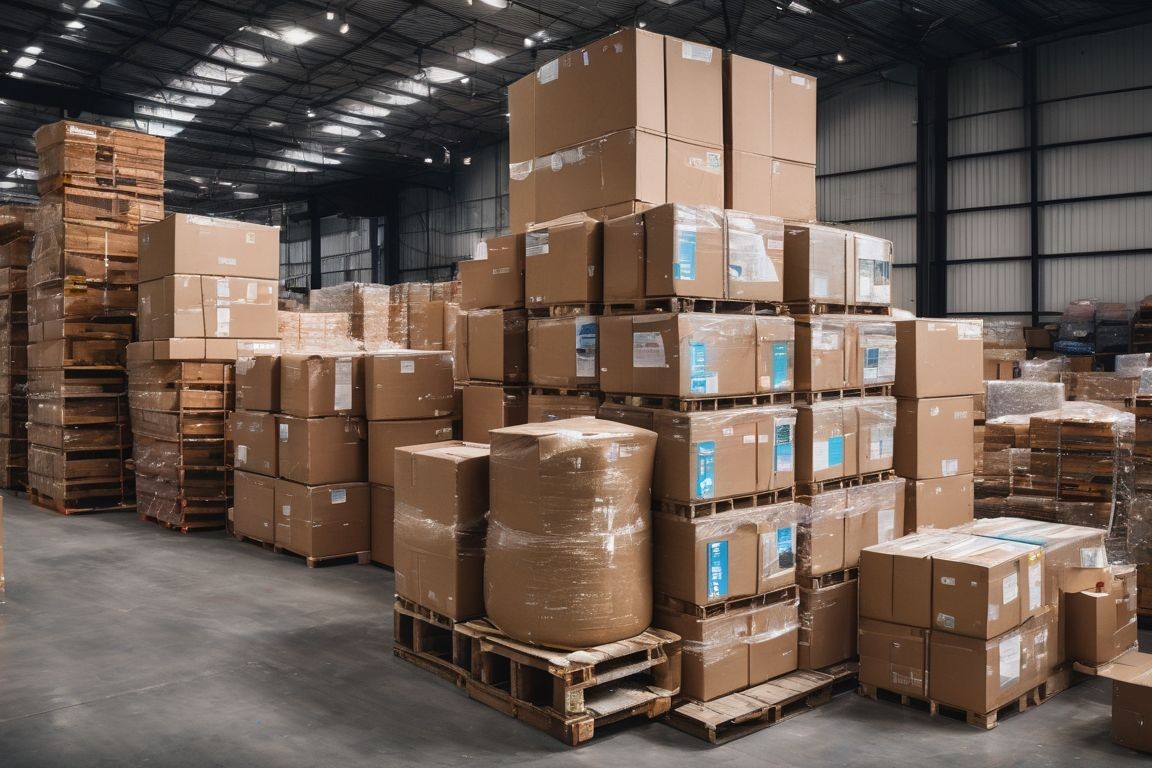
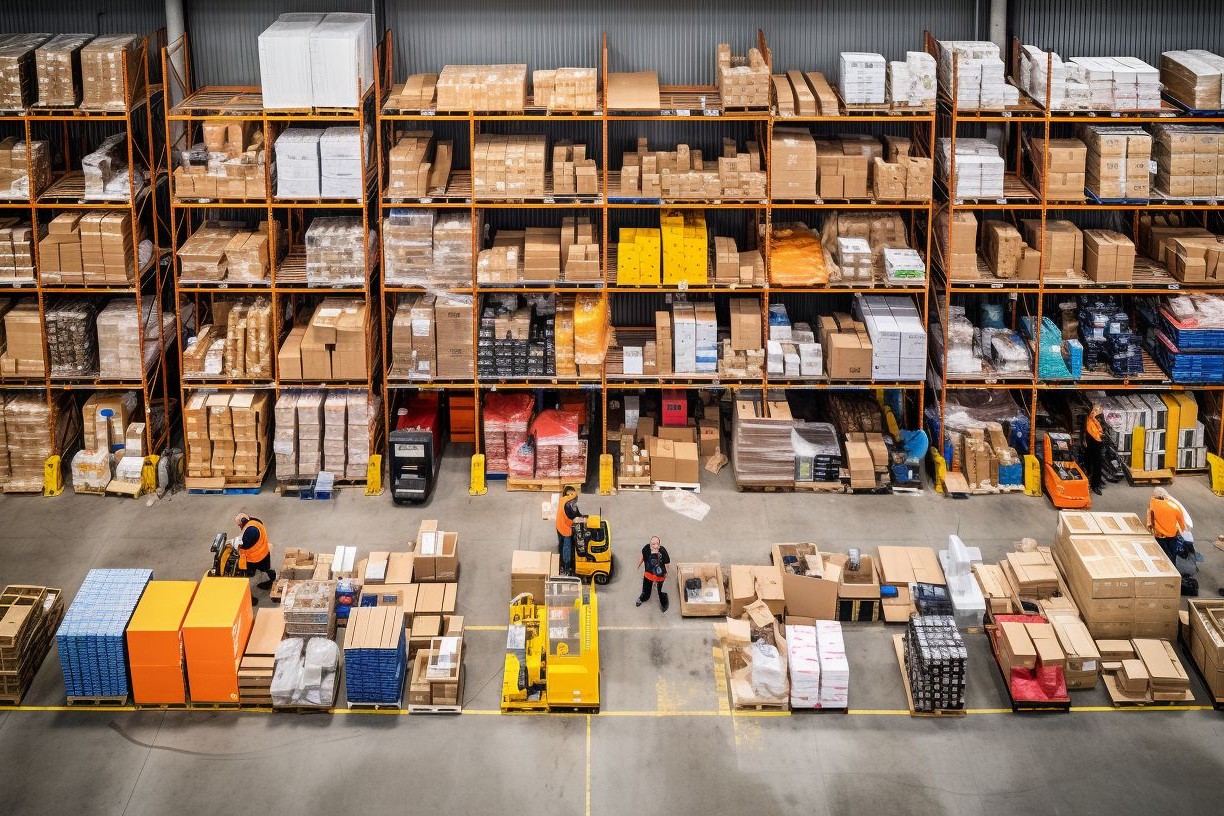
Every unsold item on your warehouse shelves represents locked-in capital that could have been used more productively elsewhere. The physical holding costs alone include rent for storage space, insurance premiums, and salaries for staff managing these inventories.
Furthermore, overstocking leads to additional spendings like write-downs when items become obsolete or must be sold at a discount to make room for new products. Such scenarios erode profit margins and can tarnish a brand’s reputation over purchasing, if customers associate it with outdated or overpriced merchandise.
Causes of Inventory Waste
Inventory waste often stems from a myriad of types of waste and operational missteps, ranging from internal process inefficiencies to external supply chain disruptions. Identifying the root causes is essential for directors seeking to streamline inventory practices and drive cost-efficiency within their organisations.
Poor Forecasting
Poor forecasting leads to inventory waste, creating a mismatch between supply and demand. Misjudging customer needs means either too much stock is held, tying up capital, or too little, causing lost sales and customer dissatisfaction.
Accurate demand forecasting is crucial for maintaining optimal inventory levels and ensuring that products are available when customers need them.
Utilising advanced analytics can vastly improve forecasting accuracy. By analysing past historical sales data used, market trends, and seasonal fluctuations, companies can better predict future demands.
Real-time data insights help adjust purchasing decisions swiftly in response to changing market conditions, reducing the risk of excess stock or stock-outs. Effective forecast management supports lean inventory practices such as just-in-time (JIT) systems where goods arrive precisely when needed for production or sale.
Overproduction
Moving beyond the challenges of forecasting, overproduction surfaces as a significant factor leading to inventory waste. It happens when production outpaces demand, resulting in excess stock that ties up capital and incurs hefty storage costs.
With carrying charges ranging from 12% to 20%, excess items not only consume valuable space but also deplete financial resources.
To combat this issue, businesses can implement Just in Time (JIT) practices to align output with actual sales data and meet customer demand demands. This approach ensures products are made to order, keeping inventory levels lean and minimising unnecessary production.
Directors who embrace JIT find it instrumental in enhancing their company’s operational efficiency while reducing inventory and the risk of surplus goods languishing on shelves or in warehouses.
Inefficient Supply Chain
While overproduction floods your storage with unwanted goods, an inefficient supply chain can thwart even the most strategic efforts to reduce or eliminate inventory waste. This inefficiency often manifests as protracted lead times and escalating costs, which can eat into profits and shake customer confidence.
A bottleneck at the loading dock or a poorly laid out warehouse adds layers of complexity, causing critical delays in moving products from manufacturing to market.
Streamlining supply chains demands attention to detail across all facets of transportation and logistics. Embrace lean manufacturing principles like Just-in-Time (JIT) to keep inventory levels tightly aligned with production needs.
Identify single points of failure – whether a sole supplier or an outdated inventory management system – and diversify or upgrade as necessary to maintain consistent flows of materials and finished products.
These interventions serve not just to minimise excess stock but also enhance overall productivity, reliability, and customer satisfaction by delivering what is required when it’s needed without surplus lying around.
Lack of Communication
Lack of communication between departments can turn into a significant hurdle for maintaining optimal inventory levels. If sales, procurement, and production teams are not in sync, this disconnect often results in either too much or too little stock.
Without regular discussions and clear information-sharing channels, the supply chain suffers from inefficiencies that spill over into excess inventory holding or, conversely, stockouts.
To avoid these costly mistakes, it’s crucial that companies establish robust lines of communication across all relevant divisions. Consistent communication fosters a better understanding of demand forecasts, timely procurement actions and streamlined production processes.
This integration ensures everyone is working towards the same goals – minimising waste and maximising inventory turnover through effective coordination and collaboration.
Long Lead Times
Moving beyond communication issues, another significant cause of inventory waste is long lead times. These extended periods between order and delivery can inflate your costs dramatically, not to mention the toll they take on customer satisfaction.
If your supply takes too long to arrive, you run the risk of losing clients to competitors who deliver faster. Implementing lean manufacturing principles such as Just in Time (JIT) production could be a game-changer for your operation by slashing these wasteful waits.
Lean approaches aim at reducing those frustrating delays that clog your system with excess stock and tie up capital unnecessarily. Adoption of JIT methods means aligning production schedules closely with demand forecasts, thus ensuring products are ready just when needed and not before.
Streamlined processes like these minimise inventory investment while maximising efficiency – an essential step for any director looking to optimise their company’s performance in today’s fast-paced market.
Inadequate Inventory Management Systems
Outdated inventory management systems often lead to bottlenecks and mismanaged stock levels, causing considerable waste of inventory. Many organisations still cling to manual tracking methods or fragmented software that cannot provide a single source of truth regarding their asset management.
This disconnect means they can miss out on crucial data, resulting in overstocking or understocking – both expensive errors for any business.
Modernising these systems is vital, as it allows for real-time tracking and more accurate forecasting. Inventory management software integrates various functionalities such as first-in, first-out (FIFO), kanban for just-in-time inventory practices, and quality management systems (QMS) to ensure optimal stock levels.
With the right tools in place, directors can minimise waste by making informed decisions about purchasing and production needs while maintaining a lean approach to inventory.
Bulk Ordering to Save Costs
Purchasing in large quantities often seems like a smart move for companies looking to reduce inventory costs cut down on unit costs. After all, suppliers usually offer discounts when you buy more, which can look great on the balance sheet initially.
However, this strategy sometimes leads directors down a costly path. Carrying costs can skyrocket, draining up to 20% of the item’s original value due to storage and maintenance expenses.
Directors might be tempted by immediate cost savings but must consider the long-term implications of bulk purchasing. Excess inventory ties up capital that could be better used elsewhere in the business.
It also increases risk; items with bulk discounts may become obsolete or exceed their expiration dates before they are used, leading to waste that negates any initial savings achieved through bulk buying discounts.
Investing in just-in-time inventory systems may prevent excess stock from piling up and lower overall costs more effectively than ordering in bulk with an eye merely on price cuts.
Product Complexity
While bulk ordering might cut some costs, it can quickly lead to inventory waste when not addressing the underlying issue of product complexity. Complex products require a wide range of components and variations, which often results in an uptick in stock keeping units (SKUs).
This diversity makes forecasting more challenging and increases the likelihood of excess inventory. To keep this complexity from spiralling into waste, companies must adapt their approach.
Directors should consider streamlining their product offerings where possible or implement systems that better match supply with actual consumer demand, such as just-in-time (JIT) or kanban.
These pull-based inventory systems work by producing goods only when there is a need, thus significantly reducing the risk associated with an unsold inventory in stock due to complex product lines.
Moreover, simplifying products can also reduce manufacturing times and costs while improving inventory turnover safety stock keep – key steps in minimising lean waste inventory.
Examples of Inventory Waste

In the world of fashion, trends change faster than seasons, leading stores to accumulate outdated styles. Consider a retailer that stocked up on a particular dress predicted to be the summer hit.
However, customer preferences shifted quickly due to an influencer’s post about a different style on social media platforms. The store is left with piles of unsold dresses – a classic case of inventory waste from not adapting rapidly to market shifts.
Breweries experience similar issues; they might brew large quantities anticipating high demand for seasonal beers. If those brews don’t sell before their shelf life expires or consumer tastes adapt, thousands of litres may have to be discarded.
This scenario is not just about product loss but also reflects wasted resources in brewing, storage and freight – all elements contributing meaningfully to increased overhead and downtime costs.
Solutions to Reduce Inventory Waste

In tackling inventory waste head-on, agile strategies and smart tools intersect to create a streamlined approach that not only mitigates excess but also fortifies the very foundation of inventory management.
Implementing these solutions becomes the linchpin for businesses seeking efficiency gains and economic prudence in their stock control practices.
Enhance Forecasting
Improving forecasting methods is a powerful strategy for slashing inventory waste. By deploying advanced tracking software, you can access real-time data to fine-tune par levels and monitor maintenance, repair, and operations (MRO) inventory with precision.
This approach assists in predicting demand more accurately, preventing both overstocking and stockouts. Utilise the insights provided by historical sales, seasonal buying patterns, and market trends to make informed decisions on inventory levels.
Invest in cloud-based solutions that offer sophisticated analytics capabilities enabling better decision-making. This technology empowers directors to anticipate changes in demand, adjust procurement strategies promptly, and align production schedules with actual market needs.
A keen focus on continuous improvement culture within the organisation ensures that your forecasting models are regularly updated, keeping pace with shifting consumer behaviour or seasonal fluctuations.
Effective forecast enhancement leads directly to reduced excess inventory, thereby minimising waste and optimising financial resources.
Implement Lean Inventory
To implement lean inventory, focus on streamlining your stock levels. Cut down excess raw materials, work in progress, and finished goods to reduce carrying costs and free up working capital.
Use tools like takt time to align production with customer demand, ensuring you keep just enough inventory to meet sales without overstocking. Employ first in first out (FIFO) methods to prevent items from becoming obsolete and tie up cash flow.
Employ a continuous improvement approach by regularly identifying areas where inventory waste occurs. Encourage team members across every department – from purchasing to warehouse – to suggest changes that can lead to more efficient inventory control.
Adopt practices such as drop shipping for non-critical items or maintaining minimal buffer stocks of critical spare parts so that space is reserved for the most profitable products.
This proactive strategy helps maintain optimal stock levels while reducing wastage and improving overall efficiency.
Shorten Lead Times
Efficiently managing lead times can significantly move inventory metrics and trim down inventory waste. Quicker turnaround from suppliers means less need for excessive stock, hitting the sweet spot between too much and too little.
Embrace a Just-in-Time (JIT) approach where materials arrive as they’re needed, not before. This practice reduces inventory value and the money tied up in stored goods and minimises storage space requirements.
Streamline your supply chain to accelerate production cycles and order fulfilment. Re-examine your supplier partnerships; build stronger connections with reliable vendors who understand the importance of prompt deliveries.
Invest in technologies that offer real-time tracking of inventory levels, so reordering becomes a precise science rather than guesswork. Through these strategies, tackle hidden wastes head-on and keep customer satisfaction high by ensuring orders are completed swiftly without unnecessary delays or excess resources languishing on shelves.
Review & Refresh Inventory
Regularly evaluating and updating your inventory ensures that your storage space is optimally used and that funds are not tied up in unsold stock. It’s vital to scrutinise each product line, getting rid only the quantities of obsolete items and adjusting quantities based on real-time sales data.
This approach minimises the physical cost of holding inventory, from borrowing expenses to insurance costs.
Consider implementing systems for maintenance, repair, and operations (MRO) as these can signal when it’s time to reorder or reduce levels of certain items. By keeping a close eye on your inventory using these methods, you create room for more profitable stock while cutting down waste.
Up next – consider how upgrading your inventory management system might further streamline operations and promote efficiency.
Upgrade Inventory Management
Invest in smarter inventory management systems to track and manage stock effectively. These advanced inventory reduction tools can dramatically cut down on excess inventory, often considered waste due to the high physical costs associated with holding it.
They utilise real-time data to optimise ordering and predict customer demands more accurately. Embrace technology that enables better forecasting; this reduces overstocking while ensuring products are available when needed.
Simplify your approach by adopting principles of lean manufacturing like Just in Time (JIT) production, which aligns closely with improved inventory management methods. By getting goods as required for sales or manufacturing, you avoid unnecessary storage costs and minimise surplus stock risks.
Harness sophisticated analytics for maintenance, repair, and operations (MRO), thus preventing any lapse in availability of crucial items for production continuity or service delivery.
This proactive stance on upgrading inventory systems vastly decreases the funds tied up in stagnant stockpile, frees up warehouse space and lowers insurance premiums related to extensive inventories.
Strengthen Communication & Supplier Relations
Effective communication with suppliers cuts down inventory waste by fostering better forecasting and planning. Engage in regular dialogue with your vendors to stay ahead of potential issues that could lead to overstocking or shortages.
This practice not only streamlines the supply chain but also builds a foundation for trust and collaboration, essential for quick adjustments in fast-moving markets.
Strengthening supplier relations yields deeper insights into production cycles and delivery timelines, ensuring you’re never caught off guard. Adopt shared systems for real-time inventory tracking that keeps both parties informed.
Such transparency allows for implementing strategies like JIT (Just-In-Time) production seamlessly, slashing the likelihood of excess stock while maintaining the flow of materials as needed.
Prioritise mutual knowledge sharing with your suppliers about market trends and customer demands; this helps refine marketing campaigns and aligns product availability with consumer needs.
Conclusion
With a clear understanding of inventory waste’s impact, pinpointing its causes and examples guides us towards practical solutions. By employing strategies such as improved forecasting and lean inventory practices, businesses can tackle unnecessary stockpiles head-on.
The commitment to reviewing and refining inventory processes proves invaluable for maintaining efficient operations. Ultimately, this approach not only streamlines the production process but also boosts the bottom line by minimising excesses.
Engaging in proactive measures sustains a competitive edge in today’s fast-paced marketplace.
FAQs
1. What is considered excess inventory and why is it waste?
Excess inventory refers to more products being stored than actually needed, which ties up cash in stock that isn’t contributing to the business and often leads to waste due to items becoming outdated or obsolete.
2. Can you give an example of how a company might reduce their inventory levels?
A company can adopt the ‘last in, first out’ (LIFO) method where recent stock is used first, engage in preventative maintenance for better upkeep of goods, or streamline operations with tools like just-in-time delivery.
3. Are there specific ways businesses should avoid when trying to minimise inventory waste?
Businesses should not ignore regular maintenance and repair as this could lead to increased waste through damaged goods; also overstocking items just because they’re on sale can result in unnecessary surplus.
4. Does having too much inventory affect customers directly?
Absolutely! Excess inventory can hurt customer experience if storage issues result in delayed shipping times or if out-of-date items are sold by mistake – both scenarios can spike bounce rates on sales platforms.
5. Are all sectors affected by the need to manage their inventories efficiently?
Yes, from banks securing sensitive data against GDPR fines, breweries ensuring freshness of supplies, fridges stocked at optimal levels for energy efficiency, even down to a cookie shop monitoring ingredients – across industries managing inventories smartly prevents loss and saves money.
And there's more...