Manufacturers often grapple with finding the most efficient way to get their products into the hands of consumers. A staggering $9 trillion in sales demonstrates the sheer scale of wholesale distribution in the US alone. This article unlocks the mechanisms and advantages of manufacturer wholesaling, laying out a clear pathway for manufacturers to streamline their supply chain. Discover how embracing wholesaling can revolutionise your operations.
Key Takeaways – Manufacturer Wholesaling
Manufacturer wholesaling plays a vital role in connecting producers and retailers, allowing for efficient distribution of goods on a large scale. This system enables manufacturers to reach wider markets and ensures products are readily available to consumers.
By engaging in wholesaling, manufacturers can streamline their operations and reduce costs. Selling large quantities directly cuts out middlemen, leading to savings that can be passed down the supply chain or re-invested into improving production processes.
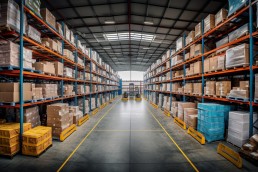
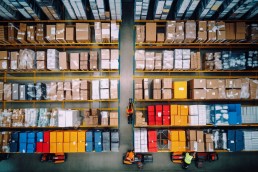
Wholesale distributors utilise advanced inventory systems and storage technologies to manage stock levels effectively, ensuring quick order fulfilment and aiding businesses in dealing with market demand fluctuations without the burden of excessive inventories.
The wholesaling model provides advantages such as increased customer reach through established retailer networks while also offering flexibility within the supply chain. It facilitates rapid entry into new markets with less financial risk compared to setting up standalone retail outlets.
Wholesalers face challenges including pressure from new competitors using digital platforms, direct selling tactics by some manufacturers, high customer service expectations, and maintaining profitability amidst these dynamic market conditions.
Understanding Wholesaling

Understanding wholesaling is to delve into the pivotal engine room of commerce, where goods transition from creation to consumption. It’s a sector that orchestrates bulk transactions and seamlessly connects manufacturers with markets, underpinning the supply chain with vital efficiency and robustness.
The Definition of Wholesaling
Wholesaling represents the crucial process where goods are sold in large quantities at lower prices, typically to retailers or other businesses that go on to sell these products to end consumers.
It operates as a fundamental link in the supply chain, emphasising bulk transactions between producers and those who can ensure these items reach various markets efficiently. This business model is essential for manufacturers since it allows them to distribute their products widely without having to engage directly with the final consumer, thus simplifying operations and reducing costs.
Acting as intermediaries for retail businesses, wholesalers purchase vast amounts of inventory from suppliers before reselling it to parties capable of offering it individually at retail venues or through ecommerce platforms.
Wholesalers do this by harnessing robust networks, advanced logistics and detailed knowledge of market dynamics – all contributing towards a seamless flow of goods from production lines straight into shoppers’ hands.
Transitioning now from definition to function, let us examine how wholesaling slots into broader supply chain mechanisms.
The Role of Wholesaling in Supply Chain
Having established what wholesaling entails, we now turn to its pivotal function within the supply chain. Wholesale distributors, serving as crucial intermediaries, link manufacturers and retailers efficiently.
These entities manage bulk purchasing from producers and navigate storage complexities before organising goods for retail and wholesale distribution work elsewhere. Such operations are instrumental in ensuring a seamless flow of products from creation to end sales, without which both consumer access and manufacturer reach would be considerably restricted.
In essence, wholesalers sustain the supply chain’s rhythm by enabling economies of scale; they buy in large volumes at lower prices and then distribute these goods through their extensive networks.
Their role goes beyond mere product handling as they provide value-added services like marketing support and post-sale assistance – tasks that require an acute understanding of the wholesale business model.
Retailers rely on this dynamic collaboration with wholesalers not just for inventory management but also as a source of diverse merchandise that caters to various customer needs.
Comparison of Wholesaling Entities

Delving into the world of wholesaling, one encounters a variety of entities each playing a distinct role in bridging the gap between production and retail. Unraveling their unique functions and contributions, we illuminate how manufacturers, distributors, and wholesalers operate within the business-to-business sphere to streamline supply chains and increase sales across industries.
Manufacturers
Manufacturers play a pivotal role in the wholesaling landscape by controlling their production process, from initial concept to final product. This control allows them to streamline operations and respond swiftly to market demands or customer preferences, providing tailor-made solutions that stand out in the wholesale trade.
Their involvement doesn’t just stop at creating goods; they also take charge of distributing their products directly to retailers or via other distribution channels.
These entities benefit significantly from wholesale management capabilities, which enable them to reach a broader market segment effectively. By engaging in wholesaling activities themselves, manufacturers can eliminate middlemen, cutting unnecessary costs and passing on competitive pricing advantages.
Moreover, they ensure consistent supply and maintain strong supplier relationship management with their buyers – be it retail outlets or B2B ecommerce platforms – thus reinforcing stability within the supply chain network.
Distributors
Distributors play a vital role in the journey of products from factories to consumers, acting as key intermediaries in wholesale trading businesses. They work closely with manufacturers merchant wholesalers to ensure that goods are efficiently moved through the supply chain, often holding extensive warehouse capacities and specialised knowledge in their specific industries.
This expertise enables distributors to manage inventories strategically and cater effectively to market demands, be it food and beverage items or highly sought-after medical equipment.
They bridge critical gaps between production and the online retail outlets, providing essential services such as storage capability, product support, and flexible fulfilment options for both large orders and ecommerce businesses.
These distribution centres become hubs of activity where orders are processed quickly for B2B marketing or direct delivery to online retail stores. The next segment will delve deeper into the inner workings of manufacturer wholesaling – uncovering how production processes align with distribution channels for optimal customer reach.
Wholesalers
Wholesalers serve as vital links in the supply chain, creating efficient pathways between manufacturers larger wholesale distributors, suppliers and retailers. With over 400,000 establishments bringing nearly $9 trillion in sales to the U.S. market, their impact is undeniable.
They streamline operations by handling large bulk quantities of goods, breaking bulk so that businesses can purchase manageable amounts. This model significantly cuts down storage costs and complexities for companies that do not have ample warehouse space.
These entities often specialise within specific industries such as food and beverage or healthcare, thereby offering expertise and a refined selection of products tailored to consumer demands.
Their extensive industry knowledge ensures they pick products likely to sell well, sustaining a steady flow through the supply chain. Wholesaler business strategies include fostering strong relationships with suppliers and customers alike – this connection empowers them to negotiate better prices while ensuring reliable product availability for various markets.
Working Mechanism of Manufacturer Wholesaling

The working mechanism of manufacturer wholesaling seamlessly integrates the production process with strategic distribution, ensuring products move efficiently from factory floors wholesale distribution works to the hands of diverse customers.
It’s a well-orchestrated system that combines manufacturing prowess with robust supply routes, striking an optimal balance between creating goods and positioning them within accessible market terrains.
Production Process – Manufacturer Wholesaling
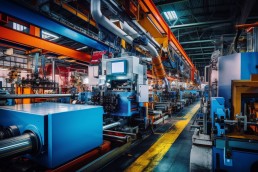
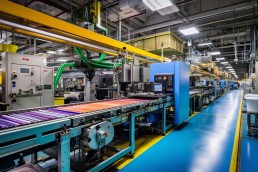
Manufacturers with in-house wholesaling streamline the creation of their products from start to finish. This control over the production process is a considerable advantage, allowing for keen oversight on design, execution, and quality assurance.
It ensures each item meets high standards before it ever reaches wholesale distribution channels.
Mastering this process enables manufacturers not only to fine-tune efficiencies but also to swiftly adapt product lines based on real-time customer feedback and demand. With the power to customise offerings, businesses gain agility in responding to market trends while keeping a close eye on operational costs – a winning combination that can significantly enhance competitiveness in today’s fast-paced markets.
Distribution Channels – Manufacturer Wholesaling
Once products leave the manufacturing line, efficient distribution channels take over to propel these goods towards markets and consumers. These channels are a complex network of wholesale merchants specialised distributors, online marketplaces, and brick-and-mortar retailers working in tandem to ensure product availability across diverse locations.
A robust network not only expands the manufacturer’s customer reach but also plays a critical role in supply chain management (SCM), striking at the heart of operational efficiency.
Manufacturer wholesaling taps into both traditional and emerging sales channel avenues, including direct business-to-business (B2B) relationships and partnerships with online retailers. This diversification allows for agile responses to market demands while mitigating risks like stockouts or wholesale price fluctuations.
By leveraging varied distribution methods, manufacturers can optimise their inventory management, reduce costs significantly, and remain competitive within their target market without compromising on delivering value to customers.
Customer Reach – Manufacturer Wholesaling
Expanding from efficient distribution channels, manufacturer wholesaling significantly enhances customer reach. Wholesalers create a bridge between manufacturers and a diverse market by tapping into extensive networks and established relationships with retailers.
They leverage these connections to distribute products across various regions, ensuring that goods are available where demand exists.
Maximising product availability is a strategic move that allows manufacturers to penetrate markets they might otherwise find difficult to access. Wholesalers establish an expansive presence in targeted areas, often overcoming logistical challenges that can hinder direct distribution efforts from manufacturers.
As they streamline the path products take from production facilities to end consumers, wholesalers play a pivotal role in driving sales growth for their manufacturing partners through broadened market exposure.
The Benefits of Manufacturer Wholesaling

Delving into the world of manufacturer wholesaling unveils a myriad of advantages, from streamlining operations to fortifying supply chain resilience – entice your curiosity further as we explore how these benefits can transform businesses.
Increased Reach from Manufacturer Wholesaling
Manufacturer wholesaling significantly expands a product’s potential market. Direct access to a network of retailers exposes brands to diverse customer bases, stretching beyond localised markets to wider regional, national, or even global audiences.
This expansion is crucial in scaling operations and increasing the visibility of products across various platforms and consumer demographics.
Engaging in the wholesale distribution process aligns manufacturers with partners that have established sales channels and marketing campaigns. These partnerships facilitate entry into new markets with relative ease compared to the cost and complexity of attempting solo expansions.
With annual U.S. wholesale sales reaching around $9 trillion, tapping into this extensive supply chain infrastructure offers an invaluable avenue for growth-oriented businesses.
Simplified Operations from Manufacturer Wholesaling
As manufacturer wholesaling expands reach, it naturally streamlines operations as well. Streamlined processes within manufacturing and distribution often lead to more efficient production cycles and reduced complexities in getting products to market.
Simplified operations enable directors and managers to focus on core aspects of their business, like improving product quality and customer service.
Having a robust wholesaling strategy means less worrying about the logistics of multiple vendor relationships or intricate distribution networks. This integration cuts through potential red tape, saves time, and allows businesses to react quickly to changing market demands without sacrificing control over their supply chains.
Optimised operations from wholesaling can result in significant cost savings, enhancing overall business performance with minimal effort directed towards managing the wholesale process.
Cost-Effectiveness from Manufacturer Wholesaling
Building on the notion of simplified operations, cost-effectiveness emerges as a cornerstone benefit of manufacturer wholesaling. Manufacturers who engage in wholesaling can drastically cut their distribution expenses by selling large quantities directly to retailers or other businesses, without needing the added layers of intermediaries.
This streamlined approach allows for considerable savings on operational costs that would otherwise be spent on additional handling and processing stages.
Furthermore, with wholesale distribution commanding sales upwards of $9 trillion in the U.S., participating manufacturers reap financial benefits from economies of scale. By moving products in bulk, they negotiate better deals on raw materials and production costs, leading to lower per-unit prices, higher price, and increased profits.
These competitive pricing strategies position them favourably in the market and provide a buffer against fluctuating demand and supply chain uncertainties. Manufacturers also optimise their cash flow through quicker turnaround times – getting products off their hands faster means they spend less time tied up with capital-intensive inventories.
Enhanced Storage Capability from Manufacturer Wholesaling
Manufacturer wholesaling brings a major advantage by beefing up storage capabilities. This allows manufacturers to keep larger or smaller quantities of different suppliers of goods on hand, thus ensuring that products are always available to meet market demands.
Stores and businesses benefit from not having the pressure of maintaining huge inventories, as they can rely on wholesalers’ robust stocking systems.
With advanced warehouse technology, manufacturer wholesalers efficiently monitor and manage stock levels. These sophisticated systems minimise errors and streamline processes, making it possible for orders to be fulfilled swiftly and accurately.
This level of efficiency in storing and handling goods translates into reliability for retailers, who count on timely deliveries without the hassle of overstocking their own spaces.
Risk Mitigation and Supply Chain Stability
Wholesale distributors stand as key players in buffering against market fluctuations and disruptions. They achieve this by selling wholesale products, handling bulk purchases, warehousing goods, and ensuring a steady flow of products to retailers.
This pivotal role allows for the creation of a more flexible and responsive supply chain that quickly adapts to changes in demand or unforeseen shocks. Leveraging cutting-edge tools facilitates real-time inventory tracking, reducing the possibility of overstocking or stockouts which are often critical pressure points for operational stability.
Effective inventory management is central to maintaining supply chain equilibrium. A robust system not only tracks stock levels but also predicts future requirements, enabling wholesalers to act preemptively against potential risks.
By using advanced software solutions for warehouse management, businesses gain greater control over their logistical operations and can better support manufacturer wholesaling processes.
Such technological integration fosters deeper visibility across the entire distribution channel and network, fortifying it against vulnerabilities and laying the groundwork for sustained growth even amidst volatile market conditions.
Challenges in Wholesale Distribution
While manufacturer wholesaling plays a critical role in streamlining the supply chain, it faces its own set of obstacles that must be navigated to sustain profitability and market relevance – continue reading to explore these complex challenges further.
New Competitors
The landscape of wholesale distribution is constantly shifting as new competitors emerge, bringing with them innovative business models and technologies. These fresh entities are not afraid to disrupt the status quo, often leveraging digital platforms to slash overheads and offer competitive prices.
They target audiences effectively by utilising social media marketing and other online channels, making it imperative for existing wholesalers to adapt swiftly or risk being left behind.
Crafting a robust business strategy has become essential in combating the threat posed by these newcomers. Incorporating automation helps traditional distributors stay relevant.
By streamlining operations and responding rapidly to market changes, companies can maintain their competitive edge without compromising on customer service or operational efficiency.
Direct Selling by Manufacturers
Direct selling by manufacturers is revolutionising how products reach the market. By eliminating middlemen, manufacturers gain full control over their sales process. This approach not only slashes distribution costs but also enables a more personalised service to consumers.
With this model, businesses can swiftly adapt to buyer preferences and feedback, providing customised options that meet specific needs.
Manufacturers embracing direct selling are at the forefront of market trends. They use digital platforms to sell their merchandise directly to customers. These tools allow for efficient customer interactions remotely, capitalising on the 75% of consumers who favour digital communication over face-to-face meetings as per McKinsey & Company’s findings.
Direct channels offer convenience and speed – crucial advantages in today’s fast-paced world where buyers want immediate responses and tailored experiences from sellers and vendors alike.
Customer Expectations
Customers today are more informed and demanding than ever before. They expect wholesale distributors to deliver high-quality products, on time, and at competitive prices. Keeping up with these rising expectations requires wholesale businesses to closely monitor market trends and understand the nuances of customer needs.
In this rapidly evolving marketplace, quick adaptation is essential to stay ahead.
The ability to meet and exceed these expectations often determines a wholesaler’s success in retaining clients and expanding their reach. Manufacturer wholesalers must employ smart strategies such as inventory management, efficient distribution channels, and proactive customer service.
With each satisfied client comes the potential for referrals which broadens the company’s network further without heavy reliance on traditional marketing efforts like salespeople or aggressive advertising campaigns.
Profit Pressure
Meeting rising customer expectations generates significant operational demands, which can squeeze the bottom line for wholesale distributors. It’s a delicate balance, ensuring consumers are satisfied without compromising profitability.
Wholesale distribution streamlines costs for manufacturers regional distributors and retailers; however, this streamlined process often leads to increased profit pressure as businesses strive to maintain competitive pricing.
Wholesale distributors face stiff competition not only from new entrants in the market but also from manufacturers engaging in direct selling. These challenges put additional strain on maintaining healthy profit margins.
It is essential to navigate these waters carefully, continually optimising operations and employing strategies like dropshipping to offset some of the financial burdens while still catering to demanding end consumer’ needs and wholesaling products effectively.
Manufacturer Wholesaling in Different Industries
Manufacturer wholesaling’s imprint is discernible across a plethora of sectors, each presenting unique modalities and benefits tailored to their operational demands. From the stringent compliance landscape of healthcare to the fast-moving consumer goods in grocery aisles, this model stands as a pivotal cog in ensuring efficient product flow and meeting industry-specific challenges head-on make a profit too.
Food and Beverage
In the bustling food and beverage sector, manufacturer wholesaling plays a crucial role. Companies with manufacturing capabilities sharpen their competitive edge by creating unique products that satisfy diverse tastes and dietary needs.
With over $1 trillion generated annually in the US from this industry, firms harness these operations to streamline production-to-market strategies. They craft distinctive offerings that stand out in a saturated market, often incorporating innovation to meet the evolving demands of health-conscious consumers or those seeking gourmet experiences.
Efficient wholesale operations allow these companies to respond rapidly to market trends while maintaining high-quality standards across their product lines. By controlling both production and distribution channels, they can adjust pricing strategies dynamically to remain profitable amidst fierce competition.
This dual control also empowers them to establish robust relationships and sell directly with retailers, ensuring that their products are strategically placed for maximum visibility and appeal.
Health Care
Health care wholesalers are critical in ensuring that medical supplies and pharmaceuticals reach their destinations efficiently. They hold the responsibility of managing vast inventories, coordinating with manufacturers to secure a wide range of products.
This service guarantees retailers and health facilities access to essential items without facing stockouts or delays, which can be detrimental in this sector where lives often depend on timely product availability.
Efficiency marks the operations of wholesaling companies within health care, connecting manufacturers’ innovative products and therapies directly with hospitals, clinics, and pharmacies. They provide a breadth of options across different categories of medical goods while fostering robust relationships that benefit both producers and end-users.
With discount pricing strategies and expert logistics management, these wholesalers support the intricate ecosystem that underpins our health systems – ensuring vital medicines are always within reach for those in need.
Technology
From healthcare to technology, the evolution of manufacturer wholesaling continues to transform how products are distributed and consumed. Within the tech industry, wholesale distribution technology marks a significant leap forward.
It streamlines operations by offering distributors real-time visibility across their entire business. Using sophisticated software enables better responsiveness and tailors services to meet rapidly changing market demands.
Embracing these technological advances helps wholesalers adapt quickly, ensuring that they’re not just keeping up but setting the pace in a highly competitive field. Implementing an automated system can significantly boost productivity among teams, allowing businesses to manage inventory more effectively and respond with agility to customer needs.
This digital shift is crucial for staying relevant in an industry where innovation never slows down and efficiency is paramount for success.
Industrial
Moving beyond the realm of technology, manufacturer wholesaling in the industrial sector plays a pivotal role. Manufacturers within this sphere deal with heavy-duty machinery, industrial automation systems, and various commodity goods that are crucial for large-scale production processes.
These items often require specialised knowledge to handle and market effectively. Consequently, product manufacturers who also take on the mantle of wholesale distributors gain a significant edge.
They harness their technical expertise to ensure products meet industry standards and reach the right buyers.
This direct involvement eliminates layers from the distribution channels which can streamline operations and reduce costs for both wholesalers and end users. Industrial manufacturer wholesalers provide essential services such as inventory management, storage solutions, and swift distribution that support the backbone of our economy – manufacturing industries.
They cater not only to large scale factories but also smaller workshops requiring quality industrial products at competitive prices – all while maintaining compliance with stringent safety regulations and managing complex logistics networks efficiently.
Role of Manufacturer Wholesaling in Ecommerce
In the dynamic realm of ecommerce, manufacturer wholesaling serves as a catalyst for streamlined product dissemination and competitive pricing strategies. This integral function not only fuels online marketplaces with diverse goods but also adapts to the nuanced demands of digital consumers, fostering an interconnected supply network that thrives on efficiency and scale.
Product Availability
Manufacturer wholesaling plays a pivotal role in ensuring that ecommerce and retail shelves are never bare. By controlling the entire production process, manufacturer wholesalers guarantee a steady flow of products to market.
This consistent and stable supply then becomes a cornerstone for many businesses, aiming to meet customer demand without interruption.
Ecommerce sellers particularly benefit from this model, as it ensures they can always provide the options their customers expect. With manufacturer wholesaling, there’s less risk of stockouts and lost sales, making it an essential element in maintaining customer satisfaction and business continuity.
Discount Pricing
Ecommerce operations thrive on competitive pricing, and manufacturer wholesaling plays a crucial role in making this possible. Wholesale distributors and manufacturers with wholesale capabilities are instrumental in providing discount pricing that benefits ecommerce businesses significantly.
These discounts come from the ability to purchase goods in large quantities directly from the source, allowing for reduced shipping costs pay lower prices through economies of scale without compromising on quality or availability.
This process not only supports a healthy profit margin but also offers room for these businesses to pass savings onto their customers – a strategy that can enhance brand loyalty and drive sales.
Ensuring product variety is equally essential as it complements discount pricing strategies within an ecommerce framework, inviting a broader customer base while maintaining efficiency in distribution and storage.
Product Variety
While discount pricing strategies can attract customers, it’s the extensive product variety that keeps them coming back for more. Manufacturer wholesaling arms ecommerce platforms with a range of options to meet diverse consumer preferences.
Offering multiple product lines and categories facilitates cross-selling opportunities and increases average order value. This diversity also helps buffer against market fluctuations, as having a broad spectrum of products ensures that if demand dips in one category, sales in other areas may compensate.
Retailers who partner with manufacturer wholesalers enjoy the liberty to select from an expansive inventory without the constraints of committing to large quantities per item. This flexibility is crucial in rapidly evolving markets where trends can shift at a moment’s notice.
With access to an extensive array of goods, retailers remain agile, adapting their offerings quickly to align with customer desires and seasonality – all while maintaining lean inventory levels that minimise warehousing costs and risks associated with overstocking.
Dropshipping Options
Building on the vast array of products available online store and through manufacturer wholesaling, dropshipping emerges as a vital service that manufacturers and wholesalers can offer to retailers.
This model allows retailers to sell products without maintaining an inventory themselves, as the wholesale distributor handles storage and shipment directly to the end customer. Manufacturers equipped with wholesaling divisions extend this option, facilitating an efficient supply chain where businesses can respond quickly to consumer demands without the burden of managing physical stock.
Leveraging dropshipping options paves the way for ecommerce platforms to streamline operations while expanding product ranges without incurring additional overheads. Retailers partner with wholesalers or manufacturers who then assume responsibility for order fulfilment from start to finish.
The seamless integration of dropshipping services offers retail partners not only a reduction in their operational complexities but also enhances their capacity to scale swiftly in response to market trends and shifts in consumer preferences.
Tips for Effective Manufacturer Wholesaling
To ensure success in manufacturer wholesaling, it’s crucial to adopt a strategy that encompasses industry-specific knowledge and a strong focus on customer needs, alongside robust inventory management and embracing the integration of ecommerce with traditional sales channels.
Industry Knowledge
Staying ahead in manufacturer wholesaling requires a deep understanding of market trends and consumer behaviour. Directors must keep their fingers on the pulse of the industry, leveraging market research to anticipate changes and adapt strategies promptly.
Effective use of ecommerce software can empower your team to analyse data in real-time, enabling you to make informed decisions that align with current demands.
Harnessing thorough knowledge about products also plays a pivotal role in winning customer trust and outperforming competitors. Recognising nuances within sectors such as food and beverage or technology can help tailor marketing strategies that resonate with target audiences.
It’s essential for directors to ensure teams are well-versed in specificities of their domain, whether it be health care regulations or industrial product specifications, fostering expertise that becomes a competitive advantage.
Customer Centricity
Understanding and responding to customers’ needs remains a pivotal element of manufacturer wholesaling strategies. A customer-centric approach can significantly enhance brand image and foster loyalty, ensuring that products align with market demands.
Manufacturers who prioritise customer feedback in their production and distribution processes often see improved satisfaction ratings. They adapt quickly to changing preferences, setting themselves apart from competitors.
To maintain this focus, it’s essential for manufacturers to integrate advanced tools for tracking customer behaviour and trends. E-commerce platforms equipped with SEO capabilities provide valuable data on consumer patterns which inform inventory choices and marketing efforts.
Ensuring smooth end-user experiences directly correlates with repeat business and positive referrals, establishing a robust foundation in today’s highly competitive markets. Engaging directly through SMS marketing or tailored email campaigns reinforces the commitment to meeting individual client expectations.
Inventory Management
Building on a customer-centric approach, effective inventory management stands as the backbone of a robust wholesaling operation. It’s all about striking the right balance; having enough stock to meet demand without tying up too much capital in excess inventory.
Utilising advanced supply chain management (SCM) and warehouse management software enables businesses to monitor their inventory levels with pinpoint accuracy. This technology helps avoid common pitfalls like overstocking or running out of products at critical times.
Maintaining an efficient flow of goods is crucial for manufacturer wholesalers who need to manage large quantities of merchandise across different locations. Sophisticated systems track every item in real time, while also keeping an eye on costs and helping streamline operations.
By minimising unnecessary spending and reducing the risk of stock shortages or surpluses, these tools support stability within the wholesale distribution network. They not only facilitate smooth operations but also ensure that manufacturers can fulfil substantial orders with flexibility and ease, thus enhancing overall business performance without complicating their operational procedures.
Integration of Ecommerce and Multichannel Sales
Effective inventory management sets the stage for a seamless integration of ecommerce and multichannel sales strategies. In today’s digitally-driven market, manufacturers must harness the power of online platforms to remain competitive.
They are moving beyond traditional wholesale models, directly engaging customers through various digital touchpoints such as branded websites, online marketplaces like Amazon and eBay, and social media channels.
This strategic approach enables manufacturer wholesalers to meet the rising demand for remote human interaction and digital self-serve options preferred by over 75% of customers. It also allows them to maintain control over their brand experience while capitalising on direct data insights into customer behaviour.
Multichannel sales strategies diversify revenue streams, maximise product exposure across different markets, and ensure that products reach consumers wherever they prefer to shop.
Conclusion
In the bustling world of business, manufacturer wholesaling stands as a cornerstone, bolstering supply chain efficiency. It empowers producers to amplify their market footprint while offering retailers a diverse array of goods at competitive rates.
This model underpins the stability and continuity essential in today’s fast-paced markets, ensuring products flow seamlessly from factories to store shelves. The intricate dance between production, storage, and distribution plays out with precision under the wholesale umbrella.
Ultimately, this system gives rise to thriving industries that deliver what consumers need when they need it most.
FAQs
1. What does a wholesaling company do?
A wholesaling company buys products in large quantities from manufacturers and sells them to retailers or other businesses, managing inventorying and often dealing with tasks such as taxes and marketing strategy.
2. Who do wholesalers sell to?
Wholesalers sell their goods primarily to business customers like retail outlets, ecommerce sites or other distributors, focusing on B2B transactions rather than wholesale agreements rather than direct consumer sales.
3. How does the wholesale market work for luxury items?
In the wholesale market for luxury items, like Prada fashion pieces, wholesalers maintain a strict contract over wholesale agreement, retail price, floors and minimum advertised prices to preserve brand image and customer experience quality.
4. Why are marketing departments interested in merchant wholesale distribution?
Marketing departments focus on merchant wholesale distribution because it provides opportunities for wide product reach through resale while they can refine their marketing plan including referral programs and ecommerce marketing strategies.
5. Can you explain what the bullwhip effect is in wholesaling?
The bullwhip effect occurs when there are distortions in demand within the supply chain causing inefficiencies; it’s vital that wholesalers accurately download sales data to avoid this disruption.
6. Does manufacturer wholesaling only apply to traditional store sales?
No, manufacturer wholesaling has adapted with types of ecommerce platforms where products are sold online too; leveraging the internet helps improve jobbers’ distributor effectiveness by quickly reaching diverse markets.
And there's more...