In today’s fast-paced market, directors grapple with optimising business operations to stay ahead. A key fact often overlooked is how the supply chain and value chain serve distinct but complementary functions within a company.
This article unpacks these concepts, laying out their key differences and synergies, equipping you with the knowledge to enhance both efficiency and customer satisfaction across your organisation.
Read on for clarity in cutting through industry jargon – it might just be the edge your business needs.
Key Takeaways
Supply chains manage the flow of goods from raw materials to consumer delivery, focusing on efficiency and cost-effectiveness.
Value chains aim to add worth at every product development step, concentrating on customer satisfaction and competitive advantage.
A robust supply chain is a part of an overarching value chain strategy, essential for a business’s efficient operation and profitability.
Both supply chains and value chains require different focuses but work together to ensure products are high-quality, delivered on time, and provide value to customers.
Directors should integrate both supply chain management and value chain concepts strategically for long-term business success and market differentiation.
Understanding Supply Chain

Delving into the intricacies of supply chains, we uncover the intricate networks that businesses employ to deliver products from conception to consumer. This seamless orchestration not only ensures goods arrive on time but also optimises operations for peak efficiency and customer satisfaction.
Components of a Supply Chain
Supply chains are critical frameworks that enable the flow of goods from raw materials to the end consumer. Each component plays a vital role in ensuring efficiency, improving quality control and customer satisfaction.
Procurement: This is the process where supply chain managers identify and acquire the necessary raw materials or services from suppliers. Effective procurement strategies help businesses secure high-quality inputs at competitive prices, laying the groundwork for successful product development.
Order management: This aspect involves overseeing every stage of an order process, including order placement, fulfilment, and tracking. It ensures that client demands are met promptly, which is essential for maintaining trust and reliability in business operations.
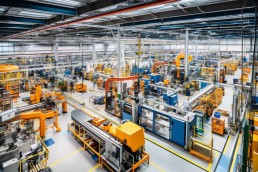
Manufacturing: At this stage, procured raw materials are transformed into finished products. Strong operational management within manufacturing units is key to producing quality goods while optimising costs and minimising waste.
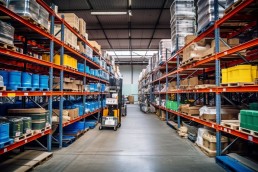
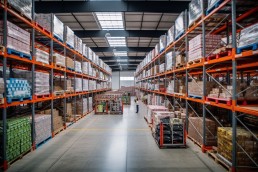
Inventory management: It requires coordinating the storage of raw materials and finished goods to prevent overstocking or stockouts. Good inventory management maximises warehouse space and keeps products readily available for distribution.
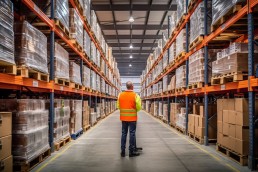
Warehouse management: The focus here is on the logistical aspects of storing goods efficiently before they are dispatched. Modern warehousing solutions integrate technologies like cybersecurity measures to protect stocks and improve productivity.
Shipping: Responsible for transporting products to retailers, distributors or directly to consumers; shipping includes handling all aspects of transportation logistics. It ensures timely delivery which strengthens customer service metrics.
Customer service: This front-line component addresses any consumer inquiries or issues regarding orders. Excellent customer service enhances the customer experience, boosting brand reputation and encouraging repeat business.
Importance of Supply Chain
A well-oiled supply chain stands at the heart of every successful business, serving as the backbone that supports all other functions of inbound and outbound logistics. It ensures a seamless movement of goods from suppliers to customers, embodying efficiency and reliability.
By optimising each link in this value chain and supply chain – from sourcing and demand forecasting to order processing and delivery – companies can significantly cut costs while maintaining quality, thus fuelling profitability.
Streamlined supply chains foster agility within businesses, empowering them to swiftly respond to market changes or disruptions. This leads not only to increased customer satisfaction but also fortifies a company’s competitive edge in the fast-paced market economy.
Strong supply chains are indispensable for retaining buyer trust and sustaining brand equity; without them, even robust value chains struggle to deliver results. Let’s delve into understanding value and supply chain focuses next – another crucial piece of business success puzzle.
Understanding Value Chain

Diving into the concept of a value chain, we unravel how organisations infuse value at each stage of their operations, encompassing everything from design and production to marketing and after-sales services.
This analytical framework not only highlights internal activities but also sheds light on how businesses maximise efficiency, customer satisfaction, and ultimately profitability through strategic management of these interconnected processes.
Elements of a Value Chain
Value chains encompass all the steps that bring your product from concept to customer. They focus on adding value at every stage of production and delivery, ensuring a competitive edge in the market.
R&D (Research and Development): At this foundational stage, ideas are birthed and developed into viable products. It’s critical for keeping ahead with technological advancements and refining offerings based on market research.
Design: This element involves creating a prototype or blueprint for the new product. Not only does it determine aesthetics but also functionality, cost-effectiveness, and sustainability.
Production: Here manufacturing takes place, turning designs into tangible goods. This stage must balance quality control with efficient use of resources to remain profitable.
Sales & Marketing: Engaging storytelling and strategic promotion positions the product in front of the target group. Marketing departments work tirelessly to build brand recognition and entice potential buyers.
Customer Service: Successful brands provide exceptional support before, during, and after purchase. Strong customer relations can turn first-time buyers into lifelong patrons.
After-sales Support: The journey doesn’t end at sale; providing warranties, maintenance services, or sustainable packaging ensures customer satisfaction extends beyond the initial transaction.
Significance of Value Chain
The significance of a value chain lies in its comprehensive approach to enriching customer experiences and maximising profitability. It extends well beyond manufacturing, encompassing R&D, design, marketing, sales and after-sales support.
This holistic view is crucial for businesses aiming to differentiate themselves in competitive markets. By focusing on each stage of the product lifecycle – from conception to end-use – companies can pinpoint opportunities for delivering greater value that aligns with customer needs.
Implementing value chain thinking across an organisation’s supply and value chain activities leads directly to heightened customer satisfaction while also from operational management perspective optimising efficiencies and driving profits up.
Directors must appreciate that every supplier interaction and internal process contributes cumulatively towards brand-building and long-term success. As leaders, they have the power to orchestrate these activities strategically within their supply chains for sustained growth.
The next section unravels how supply chains differ from this intricate model of the full value chain and supply side, further clarifying their distinct roles in business management.
Supply Chain vs. Value Chain

Delving into the juxtaposition of the supply chain activities and supply chain versus value chain unravels a tapestry of distinct goals, focus areas, and implementations that underpin the holistic success of any business.
While both are integral cogs in the commercial machine, their core functions serve divergent yet complementary purposes within an organisation’s framework.
Focus Areas and Goals
Supply chains aim to streamline the procurement of materials, oversee efficient manufacturing processes, manage warehouses effectively, and ensure products reach customers through a network that includes vendors and e-retailers.
Their goal is to deliver goods in a timely manner while minimising costs and maintaining quality. On the other hand, value chains concentrate on maximising customer satisfaction at every touchpoint by integrating activities like R&D, sophisticated design developing manufacturing techniques, robust marketing strategies, and comprehensive after-sales support.
While supply chain operations focus heavily on logistics and delivery mechanisms within sectors like retailing or e-commerce businesses, value chain management objectives extend into enhancing product differentiation through customer feedback, increasing business agility and ensuring customer retention.
Employers in this realm invest not just in physical assets but also in human capital such as recruitment of talent with expertise in corporate finance or public relations. This multidisciplinary approach guarantees that from manufacturer to consumer – via stores or digital platforms – every step adds unique value promoting brand reputation and fostering long-term equity growth.
Process and Execution
The execution of a supply chain requires coordination at every step, from sourcing raw materials to delivering finished products. It demands real-time decision making and the ability to adapt quickly to changing market conditions or consumer demands.
This orchestration often involves complex logistics and relies heavily on effective communication between suppliers, manufacturers, distributors appropriate customers, and retailers.
Contrastingly, the value chain concept and implementation focuses on maximising efficiency and creating a competitive advantage within each link of the business process. A robust value chain strategy includes innovation in R&D, smart design tailored to customer preferences, aggressive marketing strategies that resonate with target audiences, and after-sales service that cultivates loyalty.
Each element works together not just for seamless operation but also for enhancing overall business performance and overall customer satisfaction.
The Relationship Between Supply Chain and Value Chain

Understanding the symbiotic connection between the supply chain and value chains is pivotal; it’s where raw materials’ journey meets the chain focuses on customer satisfaction. This segment will elucidate how these intertwined frameworks cooperate to elevate business efficiency and enhance overall value creation.
Is Supply Chain a Part of Value Chain?
The supply chain is indeed a critical component of the overarching value chain. While it primarily focuses on the outbound logistics, sourcing and converting raw materials, and ensuring products reach customers efficiently, its role extends into adding value at each step of the customer’s journey.
Think of it as a key set of gears within the entire machinery that is the supplier value the supply chain involves; without these gears turning smoothly, the whole system can’t function effectively. Supply chains serve to streamline operations, lower costs and hasten delivery – all essential for maintaining competitiveness in today’s fast-paced markets.
Incorporating value chain thinking across supply chains transforms them into more than just logistics; they become strategic assets that enhance satisfaction and drive profitability.
A robust relationship between both concepts leads to resilient and powerful systems capable of weathering market shifts and consumer demands. Executives must recognise this interplay to leverage their networks fully, fostering innovation through each transaction from manufacturer to end-user.
Moving forward, let’s delve into real-world examples illustrating how supply chains operate within various industries’ unique supplier and customer value- chains.
Examples of Supply Chains and Value Chains
Examples of Supply Chains and Value Chains are crucial to understanding their practical applications in the business world. Directors should consider these illustrations to grasp the distinctions and interconnections between the two concepts.
In the retail industry, a supply chain might begin with sourcing raw materials for a new product. A manufacturing company then uses these materials to create the item.
Inventory management follows, where goods are stored in warehouses until orders are received. Here, warehouse management systems optimise space and track inventory levels.
Subsequently, shipping logistics come into play for order fulfilment. Companies may rely on just-in-time delivery to reduce storage costs and ensure product freshness.
Transitioning over to value chains, product design is a key primary activity. This involves research and development to innovate or improve offerings.
Marketing efforts make up another primary activity within a value chain. Advertising campaigns raise awareness and generate demand for products among consumers.
Sales strategies directly impact how products are priced and sold through various channels, from ecommerce platforms to physical retail stores.
A significant support activity is human resources, which manages employee recruitment, training, and satisfaction to ensure effective team performance.
Financial modelling becomes an essential tool within the value network as equity research analysts conduct valuations for future investments or determine pricing strategies.
Conclusion
In exploring the intricacies of supply chains and value chains, we shed light on their unique roles within businesses. Dissecting their differences equips directors with insights to refine operational strategies sustaining superior performance.
Harnessing both concepts can significantly bolster a company’s competitive edge and market performance. It’s clear that mastering these elements is crucial for directing a firm’s business strategy towards sustainable growth and enhanced customer satisfaction.
Directors must therefore ensure these chains are not only well-understood but also expertly managed to drive success.
FAQs
1. What is the main difference between supply chain and value chain?
The key difference lies in their focus: a supply chain maps out the journey of products from creation to customer, while a value chain analysis analyses each step’s contribution to enhancing the final products value.
2. Can you explain what a value chain includes?
A value chain consists of primary business activities, like production and marketing, plus support activities such as technology development, all designed to increase the product’s worth for customers.
3. How does a supply chain work in business processes?
In business processes, a company’s supply chain manages how goods are ordered from suppliers, made in-house or with partners, and delivered to buyers across different stages of its life cycle.
4. Why do ecommerce businesses need to understand both supply chains and value chains?
Ecommerce businesses must grasp maximum value of both concepts because efficient delivery (supply chain) combined with maximising product appeal (value of value chain vs supply side) boosts profits and customer satisfaction.
5. Who developed the idea of the value chain in management theory?
Michael Porter introduced the concept of the value- chain concept as part of his broader strategy ideas on how businesses can gain competitive advantage.
6. Are financial modelling and investment banking related to these chains somehow?
Yes indeed! Investment bankers use financial modelling tools that assess companies’ values by examining their entire operations — including both their own vs supply chain, chains for costs analysis and their value chains for revenue maximisation.
And there's more...