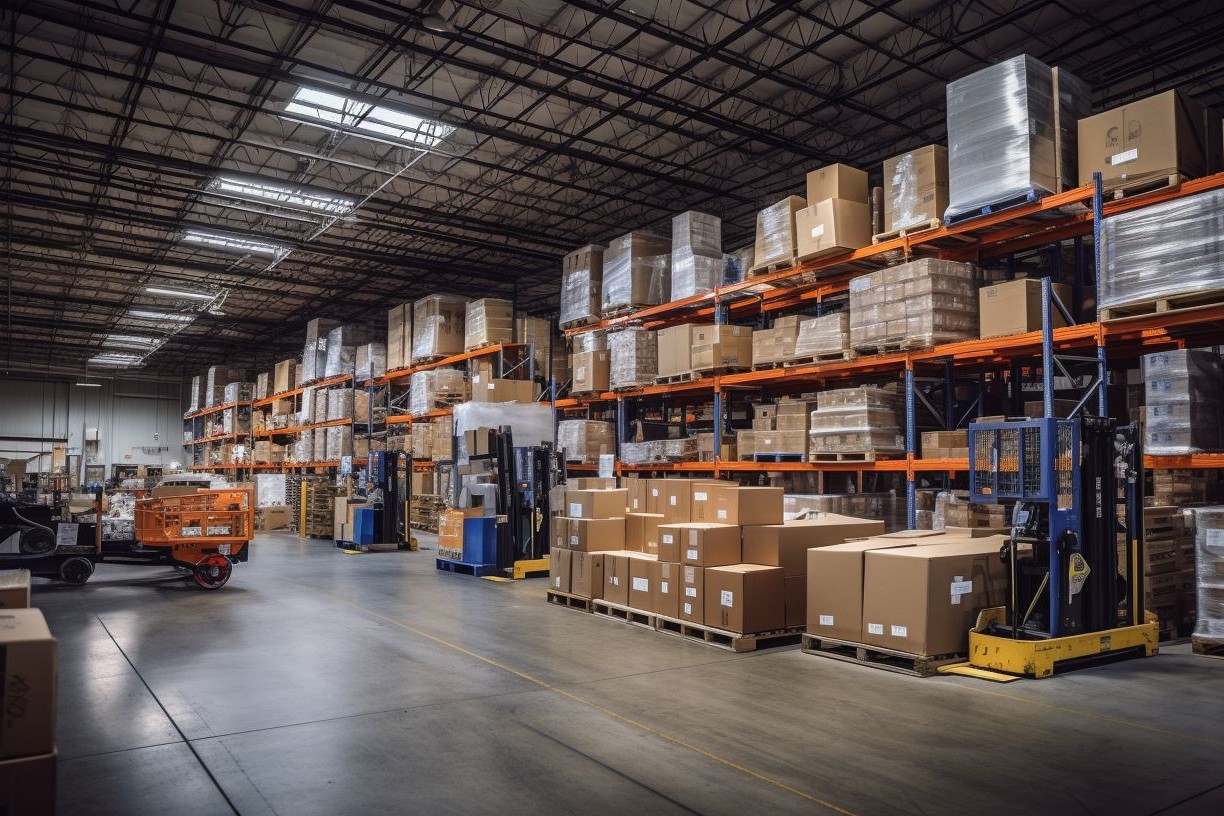
Managing inventory and ensuring timely delivery can be a complex jigsaw for businesses. Warehousing services are the strategic linchpin that holds the supply chain together, offering a buffer for goods as they journey from production to customer.
Our guide will navigate you through the world of warehousing services, simplifying concepts and demonstrating their vital role in enhancing efficiency and customer satisfaction. Discover how smart warehousing solutions can transform your operations.
Key Takeaways
Warehousing services are crucial for storing, managing, and distributing goods efficiently within the supply chain. Through sophisticated inventory management systems, they enable businesses to track stock in real-time and respond quickly to customer demands.
Modern warehouses leverage cutting – edge technology like RFID tracking and warehouse automation to enhance operational efficiency. This not only increases productivity but also reduces labour costs and minimises errors.
Specialist warehousing solutions cater to specific industry needs by offering customised services such as climate-controlled storage or secure facilities for high-value items. These tailored offerings help maintain product quality throughout the supply chain.
The adoption of third-party logistics (3PL) providers enables e-commerce businesses to outsource complex logistic tasks, allowing them to scale without significant investment in infrastructure or training personnel related to warehouse activities.
Efficient warehousing is essential for eCommerce success by ensuring rapid order dispatches and effective returns processing, contributing significantly towards customer satisfaction and repeat business.
Definition of Warehouse Services
Now that we’ve set the stage, let’s delve into what warehouse services actually involve. These are the operations that store goods securely and manage inventory for businesses, ensuring products are readily available when needed.
Warehouse services streamline the process of receiving, handling, and storing inventory, and shipping products to or from a centralised location.
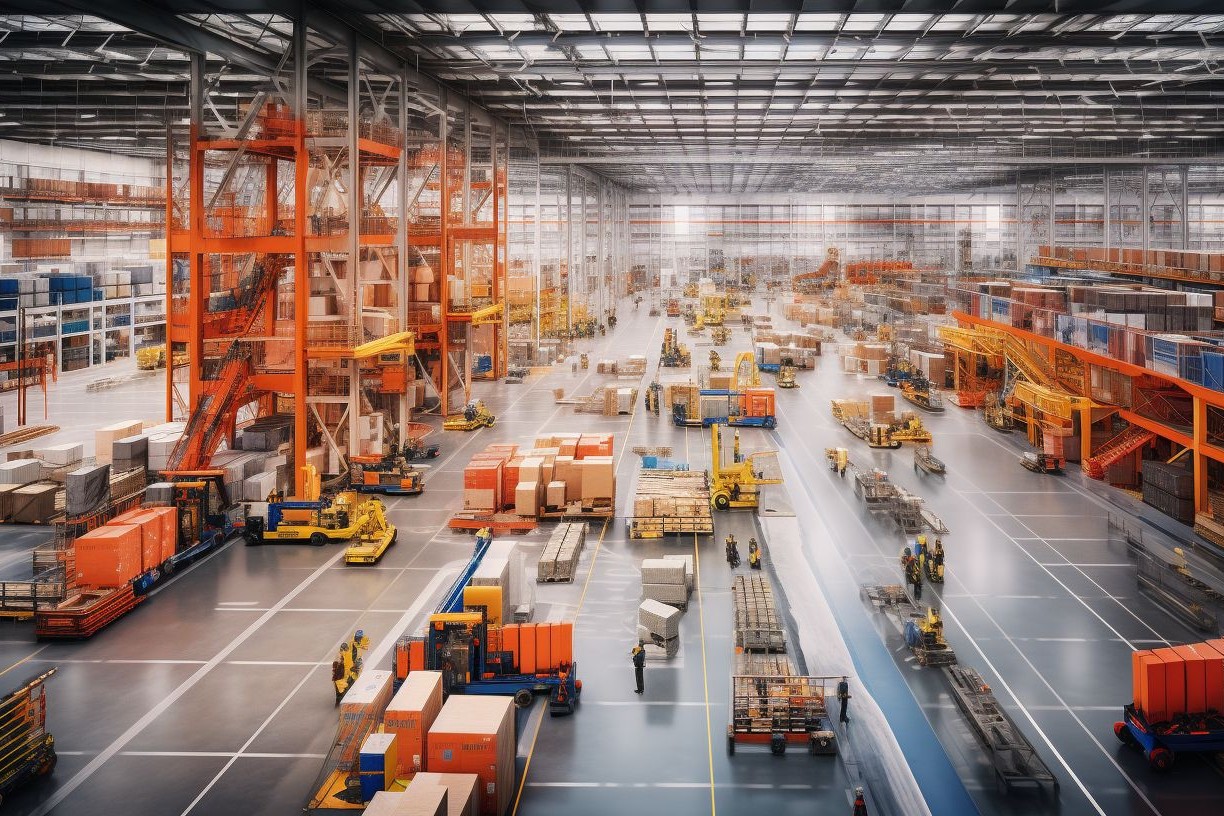
Warehouse teams use sophisticated systems to track and store inventory levels in real-time while employing an array of machinery like forklifts and conveyor belts to move items efficiently within the storage facility.
This is where strategic planning comes into play; expertly designed warehouse layouts maximise warehouse productivity by reducing unnecessary movement and improving overall flow. Essential elements such as climate control keep items in optimum condition until they’re dispatched promptly to fulfil customer orders or restock retail stores.
Distinction between Warehouse Services and Third-Party Logistics
Warehouse services primarily focus on offering space for storing goods, managing inventory, and handling materials inside the facility. They ensure products are safely stored and efficiently organised within a warehouse environment.
In contrast, third-party logistics providers offer a broader range of services that extend beyond storage to include transportation, warehouse management solution, and order fulfilment, packing, distribution centre operations and supply chain solutions.
Opting for 3PL services can elevate an eCommerce business’s capabilities by outsourcing complex logistics tasks to experts equipped with the necessary tools and experience. These organisations often bring advanced technology such as warehouse management systems (WMS) into play to streamline processes like order processing and distribution flow.
Their involvement allows businesses to scale without significant investment in infrastructure or personnel training related to managing warehouse inventory, management control warehouse activities or reverse logistics challenges.
Types of Warehouses

As the backbone of supply chain management, warehouses play a pivotal role in ensuring smooth operations. They come in various forms, designed to meet specific industry requirements and operational needs.
Private Warehouses are owned by the companies that use them, giving full control over storage and distribution processes. These are typically used by large retailers or manufacturers that need to stock a vast amount of product.
Public Warehouses offer storage facilities on a rental basis to multiple clients. This flexibility is ideal for businesses with fluctuating inventory needs or those looking for short-term solutions without long-term commitments.
Bonded Warehouses provide secure storage for imported goods before customs duties have been paid. They are government authorised and essential for international traders who require time to arrange for duty payments or re-exportation.
Distribution Centres serve as strategic hubs that streamline the supply chain by efficiently moving goods from suppliers to customers. They focus on fast turnover rates and often include sophisticated systems for order processing and dispatching.
Fulfilment Centres specialise in eCommerce operations by handling the entire order fulfilment process: from receiving online orders to packaging and shipping directly to customers.
Raw Materials Warehouses cater specifically to storing raw materials used in manufacturing. They allow businesses to ensure consistent production by maintaining adequate supplies of essential materials.
Key Components of Warehousing Services

Within the intricate puzzle of supply chain management, warehousing services assert themselves as critical components. They encompass a spectrum of processes and systems pivotal to the smooth functioning and efficient operation of inventory storage and movement.
Inventory Control and Management
Inventory control and management stand at the core of efficient warehousing services. It’s about having a firm grasp on stock levels, which involves meticulous tracking and auditing to avoid both overstocking and stockouts.
Advanced inventory management tools and systems play a pivotal role – they streamline replenishment strategies and ensure optimal stock rotation, thus firmly keeping holding costs in check while simultaneously securing product availability for customer orders.
Such systems also seamlessly integrate demand forecasting, an invaluable tool that anticipates customer needs with precision. This integration empowers directors to make informed decisions, mitigating risks associated with inventory planning.
Plus, it aligns closely with sustainability goals by reducing waste through better resource allocation. With robust warehouse management system workflows in place, businesses can achieve operational efficiency that not only benefits the bottom line but also enhances overall customer service.
Warehouse Layout & Design
Crafting an effective and efficient warehouse by layout and design is a critical element of operational success, directly affecting the bottom line. It requires a meticulous approach to optimise space utilisation, streamline movement within the facility, and facilitate efficient warehouse inventory management processes.
The aim is to create a system that minimises handling costs while maximising storage capacity; every square meter must justify its place in the warehouse.
Modern advances in warehouse management software and equipment like RFID technology have revolutionised traditional layouts, enabling dynamic setups that respond rapidly to changeable market trends.
These tech-enhanced designs ensure products flow smoothly from arrival to dispatch with fewer errors and delays. With sustainability at heart, they also focus on reducing energy consumption through thoughtful placement of materials and use of automated guided vehicles (AGVs).
As we turn our attention towards industrial equipment and technology, it’s clear these innovations are paving the way for smarter warehousing strategies.
Industrial Equipment and Technology
Moving from the strategic planning of warehouse layout and design, we come to the pivotal role that industrial equipment proper warehouse inventory management software and technology play in streamlining warehousing operations.
In this era of relentless competition, leveraging state-of-the-art machinery such as forklifts, conveyor belts, and advanced lifts becomes essential. These tools not only enhance material handling but also expedite the movement of goods through various stages of storage and fulfilment.
Incorporating RFID technologies into your inventory management system can significantly elevate tracking precision while automating repetitive tasks. It’s these advancements that mitigate human error and bolster operational resilience.
The adoption of warehouse automation – like automated storage and retrieval systems (AS/RS) or autonomous mobile robots – is changing the face of inventory management warehouse storage and warehousing by making it possible to achieve higher throughput with reduced energy consumption.
This technologically driven approach has become a cornerstone for distributors aiming to meet high demand without compromising efficiency or accuracy.
Customised Warehousing Services
Building on the foundation of advanced industrial equipment and technology, customised warehousing services take a step further to tailor solutions to meet customer demand that are as unique as your business.
These services dive deep into the specialised needs of different industries and design storage and inventory management systems that align with specific business models.
Offering more than just space for your products, these bespoke options include kitting, personalised packing solutions, and handling services geared towards materials that require special care.
Whether your items demand climate control or enhanced security measures, even those with non-standard requirements find a safe home. Emphasis on energy efficiency helps reduce energy consumption while IoT devices bring a new level of precision in logistics and inventory management solutions.
From seamless integration with existing operations to ensuring compliance with key performance indicators (KPIs), customised warehousing does more than store goods – it transforms the way businesses handle their inventories.
Specialised Storage Facilities
Specialised storage facilities play a critical role in fine-tuning warehousing operations, with the twin benefits of cost efficiency and superior inventory management. Cold storage units keep perishable goods at optimal temperatures, ensuring freshness upon delivery.
Freezing compartments are crucial for products requiring sub-zero preservation, while secure sections safeguard high-value items from theft or damage.
Innovations such as automation technology and robotics have revolutionised these specialised areas. They accelerate handling times without compromising on accuracy or safety standards.
With smart systems like RFID tracking and advanced warehouse management software now standard, companies maintain real-time visibility over their stock levels and location within the complex web of the supply chain network.
Shifting focus to ‘Types of Fulfilment Warehouse Services’, businesses must consider how these advancements intertwine with various fulfilment procedures to meet evolving market demands.
Types of Fulfilment Warehouse Services
Fulfilment warehouse services bridge the gap between production and delivery, ensuring that customers receive their products efficiently and accurately. These services encompass a diverse range of functions designed to streamline the supply chain, from secure storage solutions to meticulous handling of orders and returns.
Storage and Warehousing
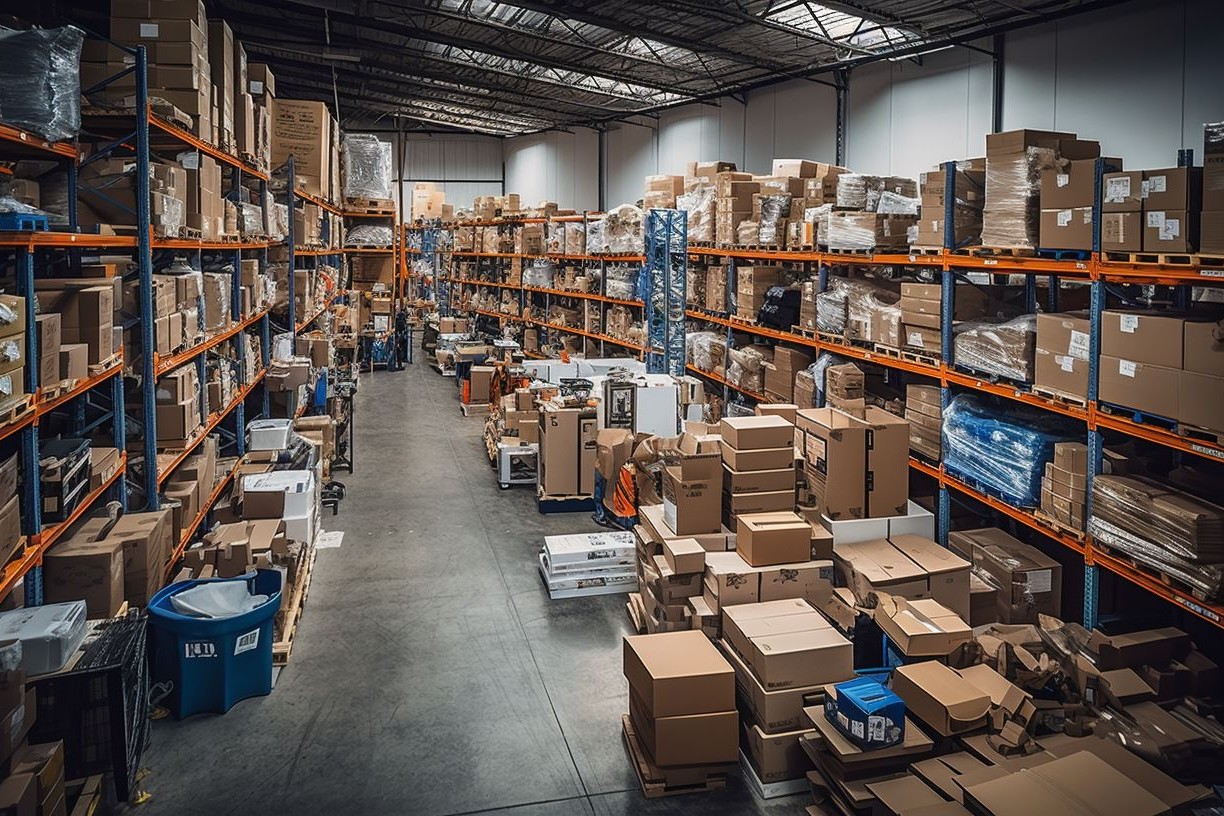
Proper storage and warehousing form the backbone of a streamlined supply chain, ensuring that products are kept safe and ready for distribution when needed. These services include the strategic use of vast spaces designed to accommodate bulk shipping, efficiently handle pallets, and warehouse employees to assist with overall supply chain, inventory management deals and planning.
With an effective warehouse inventory and warehouse management and inventory system in place, warehouse stock is meticulously tracked and managed to prevent any mishaps or delays.
Modern warehouses integrate cutting-edge industrial equipment and automation technologies to boost productivity and inventory accuracy, within their operations. Advanced systems are employed for inventory control, leveraging tools like the Internet of Things (IoT) to maintain real-time data on stock levels.
This technological integration not only improves warehouse management vs. inventory and warehouse to warehouse inventory management solution but also aids directors in making informed decisions regarding logistics services. Meanwhile, for items requiring special care such as high-value or delicate goods, providers like Red Stag Fulfillment excel by offering customised solutions tailored to these unique demands.
Pick and Pack
Pick and pack operations streamline the warehousing process by swiftly selecting items from storage shelves and packaging them for dispatch. This method is a critical step in ensuring products reach customers promptly and accurately.
With inventory management systems, warehouse workers efficiently locate and gather products, reducing time spent on each order.
Effective pick and pack services handle everything with precision, from using the right packaging materials to labelling for carriers like USPS or FedEx. This approach minimises errors and accelerates delivery times – vital components in satisfying customer expectations.
Employing these techniques boosts order fulfilment efficiency which is key for maintaining a competitive edge in today’s fast-paced markets.
Order Fulfilment
Order fulfilment is the cornerstone of an effective inventory management system in a warehouse. It encompasses every step from receiving orders to delivery at the customer’s doorstep – a critical pathway that determines client satisfaction and business efficiency.
Getting this process right means ensuring warehouse stock management/ warehouse inventory systems are robust, items are dispatched accurately, and last-mile deliveries happen swiftly.
Effective order fulfilment hinges on seamless integration between various stages: storage organisation, accurate picking of products, reliable packaging, and efficient shipping services.
Partnering with major carriers like FedEx, UPS or USPS allows for flexibility in carrier selection which can directly translate into cost savings and reduced lead times for businesses.
Balancing speed with accuracy, modern fulfilment warehouses employ strategies such as cross-docking to expedite the flow of goods whilst minimising storage time – showcasing how logistical services adapt to meet market demands while aiming for sustainability.
Returns Processing
Following a seamless order fulfilment process, the journey of warehousing services continues into the realm of returns processing. This critical aspect of warehouse processes involves handling products that customers send back for various reasons.
Warehousing services adeptly manage these return flows, ensuring efficient examination and integration back into inventory when possible. Reverse logistics forms an integral part of supply chain management, particularly in maintaining customer satisfaction and controlling costs.
Warehouses utilise sophisticated systems to streamline the scrutiny and reintegration of returned items so they can quickly re-enter the sales cycle or be processed according to your brand’s policies on exchanges and repairs.
These practices form part of environmentally friendly operations by reducing waste – each item is assessed for restocking viability instead of heading straight for disposal. Through meticulous returns processing, warehousing companies bolster your business’s sustainability efforts while simultaneously managing client expectations with grace.
Cross-Docking
After addressing the intricacies of returns processing, it’s essential to spotlight cross-docking as a potent strategy for keeping goods moving swiftly through the supply chain. This advanced technique minimises storage time and fast-tracks products from incoming trucks straight onto outbound vehicles.
Focused on efficiency, cross-docking eliminates the need to stock items in a warehouse for extended periods.
Utilising cross-docking services offered by fulfilment warehouses enhances operational agility and reduces handling costs. It supports seamless inventory management, ensuring that products are consistently on the move toward their final destinations.
As directors overseeing logistical operations, recognising the pivotal role of cross-docking can lead to significant improvements in your company’s distribution efficiency and customer satisfaction rates.
Kitting and Assembly
Kitting and assembly services transform the warehousing landscape by allowing businesses to package products in unique, customer-specific ways. This approach not only streamlines order fulfilment but significantly boosts efficiency within operations management.
It’s about creating precise product combinations ahead of time, so when an order comes in, the package is ready to go without extra handling or delays.
Warehousing companies craft these tailored kitting solutions with precision, ensuring that each kit meets the high standards expected by clients and their end consumers. By pre-assembling packages, warehousing facilities can expedite shipping processes, leading to faster delivery times which warehouse managers say are crucial for maintaining customer satisfaction and encouraging repeat business.
With these services, warehouses evolve from mere storage spaces into dynamic hubs of value-added activity where inventory management turns into a strategic advantage.
The Impact of Warehouse Services on eCommerce
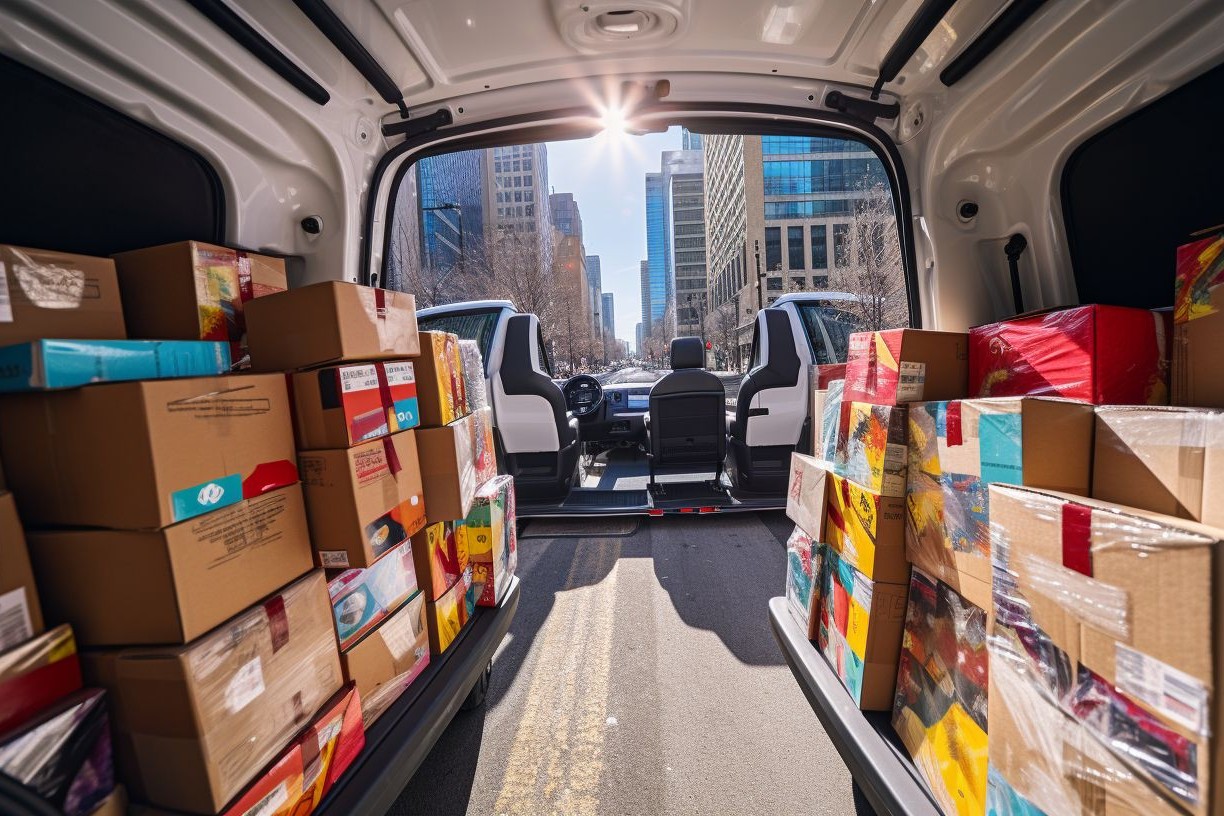
Warehouse services have become the backbone of eCommerce success, empowering online retailers to meet the high expectations of prompt delivery and customer satisfaction. Efficient warehouse management focuses and inventory management systems ensure that products are stocked appropriately and orders are processed quickly, reducing wait times for eager customers.
Warehousing’s cutting-edge technology integrates seamlessly with multiple sales channels, automating order processing and minimising errors in fulfilment. This means faster dispatch times, which is critical as today’s consumers often base their loyalty on how quickly they receive their purchases.
A well-organised warehouse also streamlines returns processing – an often-underestimated aspect of the eCommerce business that can significantly affect customer retention if not handled efficiently.
Through sophisticated warehousing strategies like cross-docking, businesses keep transportation costs down while enhancing speed across the entire supply chain. Meanwhile, value-added services such as packaging and labelling offered by these warehouses contribute to brand image enhancement directly impacting consumer perception and likelihood of repeat purchase decisions.
For directors overseeing eCommerce operations, investing in robust warehousing solutions isn’t just about storage; it’s a strategic move that drives growth by elevating every facet from order fulfilment to post-purchase service quality.
How Warehousing Services Can Benefit Your Business
Utilising warehousing services offers a strategic advantage by ensuring that your products are stored, managed, and distributed efficiently. Central to this approach is advanced warehouse inventory management software, which allows for real-time tracking of stock levels and the speedy dispatch of goods.
This effective coordination dramatically enhances the ability to meet customer demands with agility and precision.
Investing in such services often results in significant cost savings as it eliminates the need for investment in physical warehouse space and related overheads. By optimising warehouse layout & design, businesses can maximise their use of space while reducing waste.
Automated solutions within these warehouses further cut down labour costs and minimise errors in order fulfilment processes, directly impacting profitability positively and ensuring customer satisfaction stays high.
Conclusion
Warehouse services stand as the backbone of a fluid and dynamic supply chain. These essential warehouse operations stretch far beyond simple storage; they’re integral in ensuring products move seamlessly from origin to end-user.
Dive into warehousing and uncover its potential to revolutionise your business strategy, enhancing efficiency across all fronts. Embrace the change and watch as these solutions transform your logistic needs into strategic advantages, powering you ahead in today’s competitive market.
Explore warehousing services for a robust approach to managing your inventory and fulfillng customer demand effectively.
FAQs
1. What do warehousing services include?
Warehousing services cover storing goods, managing inventory with an effective system of tracking inventory and counts, and handling distribution for retail shops or other businesses.
2. How does a warehouse manage its inventory?
A top warehouse manager uses an efficient inventory management system to track items, organise stock levels, and ensure products are ready for dispatch when required.
3. Can warehouses help reduce waste?
Yes, modern warehouses focus on sustainable practices like recycling and waste reduction to minimise their impact on the environment.
4. Are there any new technologies used in warehousing?
Automated warehouses use advanced technology for tasks such as packaging and labeling which helps boost efficiency and accuracy in managing goods.
And there's more...